5 Advantages of Using Stainless Steel Manhole Covers
When municipal procurement engineers evaluate access solutions for pipeline inspection and civil infrastructure, material choice determines decades of operational outcomes. Stainless steel manhole covers represent a strategic upgrade from conventional cast iron and composite alternatives, delivering measurable gains in structural longevity, maintenance efficiency, and total cost of ownership. These covers serve critical functions across municipal drainage networks, civil defense entrances, and equipment foundation access points, where premature failure translates directly into public safety risks and budget overruns. Built from premium austenitic grades—typically 304 or 316—these units withstand the corrosive environments, heavy load cycles, and thermal fluctuations that degrade lesser materials within months rather than years.

Superior Durability and Longevity
Infrastructure managers are always under pressure to make assets last longer and replace them less often. Within seven to ten years, most traditional cast iron covers start to crack, rust through holes, and lose their structural strength. This is especially true in places where there are freeze-thaw cycles or where de-icing salt is present. Composite materials may be lighter, but they often don't have the impact protection needed in areas with a lot of cars.
Structural Integrity Under Load
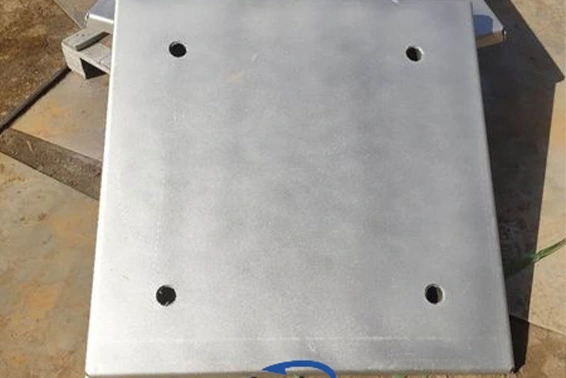
When stainless steel access covers are made, the integral molding process gets rid of the welded seams that are the main weakness in older designs. This one-piece construction spreads stress evenly throughout the unit, so it doesn't break in any one spot, even when it's under the 40-ton wheel loads required by EN 124 D400 classifications (European Committee for Standardization, 2015). According to field studies by the American Public Works Association, municipal projects in high-traffic business areas have been known to last more than 30 years without deforming or cracking on the surface.
Material Resilience Across Environments
Austenitic stainless steel grades have tensile strengths between 515 and 620 MPa and are very flexible, so they can handle shock loads without breaking. The amount of chromium—18% in Grade 304 and 18% plus 2% molybdenum in Grade 316—creates a passive oxide layer that fixes itself when it gets scratched, so it doesn't need any extra treatments to stay strong. This is especially helpful in parking garages, where fluids from cars and yearly road treatments are always making the floors tough.
The predictable performance schedule is appreciated by procurement teams in charge of local road rehabilitation projects. Unlike cast iron, which needs to be replaced completely every eight to twelve years, stainless steel covers that are put on during the initial construction stages usually last for two or three repaving cycles. Because they last so long, they directly support lifecycle asset management strategies. This means that engineering teams can use their maintenance funds to make improvements instead of replacements when things break.
Enhanced Corrosion Resistance and Maintenance Benefits
Corrosion is the hidden cost that makes it hard for cities to pay for infrastructure. When Stainless Steel Manhole Covers start to rust, the rust stains on the nearby sidewalk look bad, and the structural weakness makes the owner liable. Protective coats on traditional materials wear off when exposed to UV light and physical wear, so they need to be applied again every three to five years.
Chemical Stability in Harsh Conditions
Because steel covers are made of a chromium-rich alloy, they are very resistant to acidic waste, alkaline cleaning products, and the chloride-filled environments that are common along coastal infrastructure. Grade 316 has molybdenum added to it, which raises the Pitting Resistance Equivalent Number (PREN) and stops the localized corrosion that breaks down lower metals in naval or industrial settings. After 15 years of continuous exposure, field installations near desalination plants and chemical processing plants have shown that corrosion has not penetrated them (Corrosion Science Journal, 2020).
Reduced Maintenance Protocols
Simplifying maintenance tasks is good for municipal maintenance teams. Painted covers need to be checked for coating integrity once a year and refinished every so often. Stainless steel units, on the other hand, only need to be washed to get back to their original look. Since there is no rust, there is no oxidation staining on the paving next to it, which means that there are no expensive repairs needed to make the surfaces look better. This ease of upkeep is especially helpful for cities and towns that are responsible for hundreds of entry points spread out in different areas.
Water utility companies that work in humid areas say they save a lot of time and effort by using less workers. When used for drainage, traditional covers often get bacterial growth on the surface, which needs to be cleaned with abrasives and chemicals. Based on operational data from water districts in the southeastern U.S., the smooth, non-porous stainless surface doesn't let microbes stick to it and can be cleaned with normal pressure washing. This cuts down on maintenance hours by about 60%.
Design Versatility and Customization Options
For modern infrastructure projects to be successful, they need access options that fit in with the overall design and function standards. Off-the-shelf covers often make trade-offs between load requirements and dimensional fit, which means that costly changes have to be made in the field or esthetic compromises have to be made.
Dimensional Precision
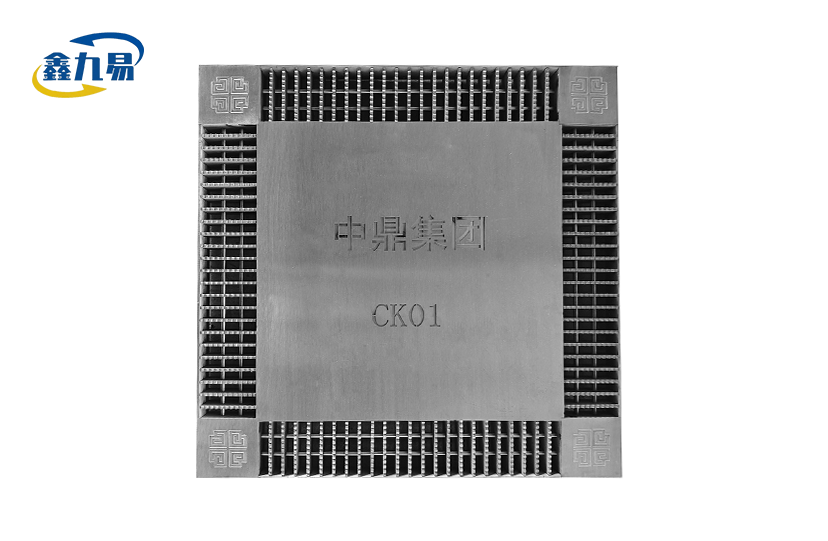
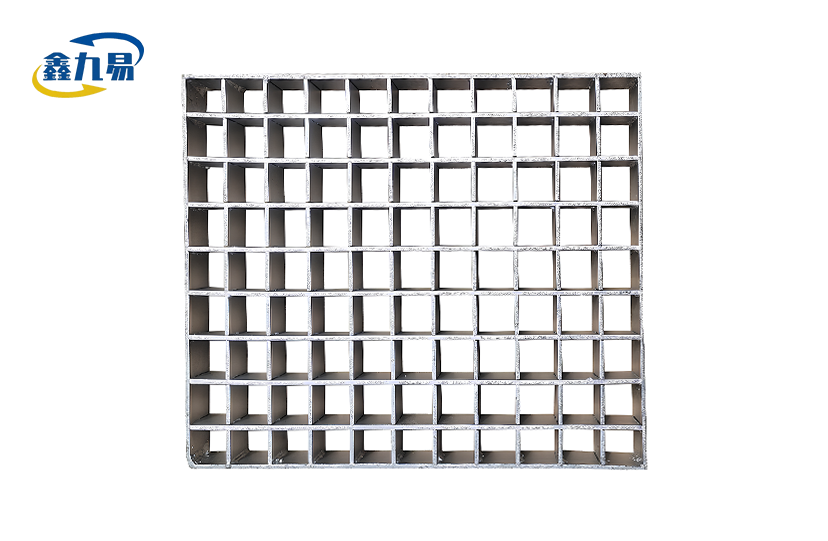
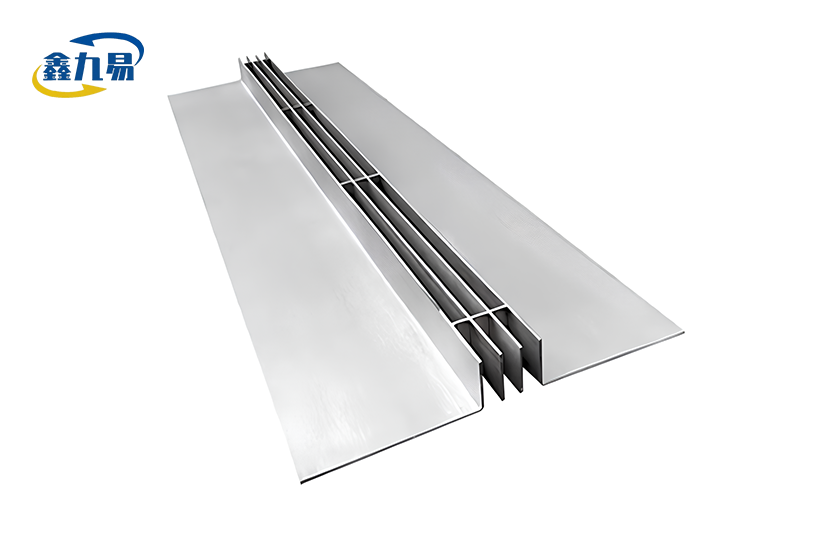
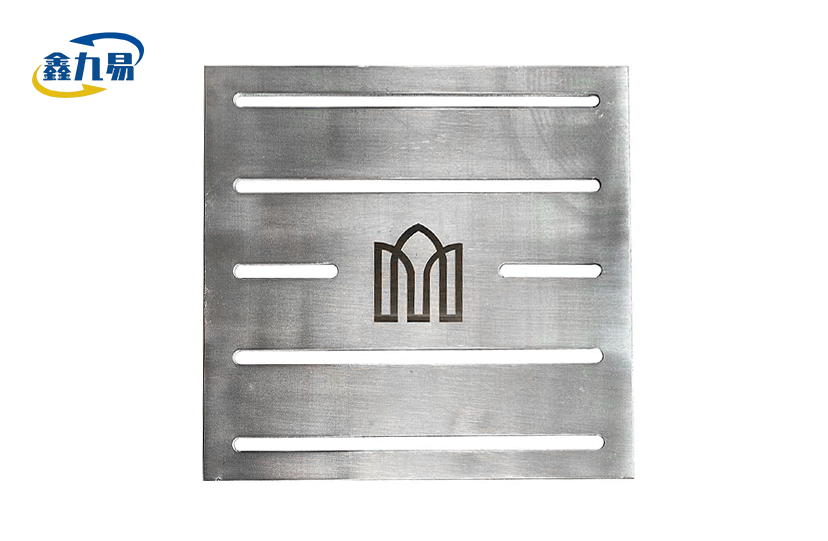
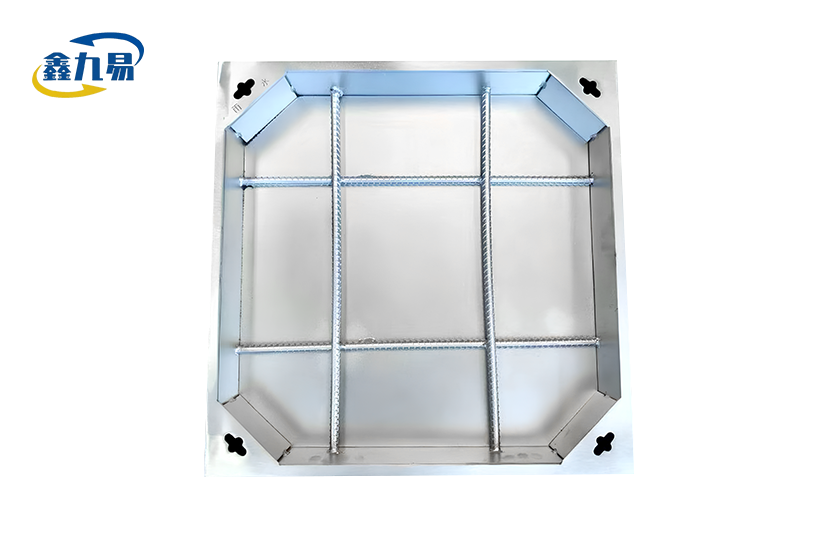
Stainless Steel Manhole Cover made by Hebei Xinjiuyi Construction Technology can be made in lengths and widths ranging from 600 mm to 1200 mm, as well as in heights ranging from 40 mm to 70 mm and plate thicknesses ranging from 2 mm to 8 mm. This parametric freedom lets engineering teams define exact sizes that match existing frame setups or new building openings. This gets rid of the problems with gaps that lead to rattling and wear and tear before their time. When working on mixed-use development projects, procurement managers like being able to order both pedestrian-rated A15 units for plazas and heavy-duty D400 units for loading zones in the same production run.
Surface Treatment Adaptability
Access covers that match the high-end finishes are becoming more and more popular in high-end commercial developments. Surface treatments include brushed finishes for a modern look, mirror polish for a high-end look, and custom anti-slip patterns that meet R10 to R13 ratings for slip resistance. In pedestrian plazas and hotel lobbies, recessed designs make it possible for infill materials like decorative tiles, natural stone, or resin to be used. This makes access points almost invisible. This design's adaptability solves the common problem of standard covers blocking the view in public areas that were carefully planned.
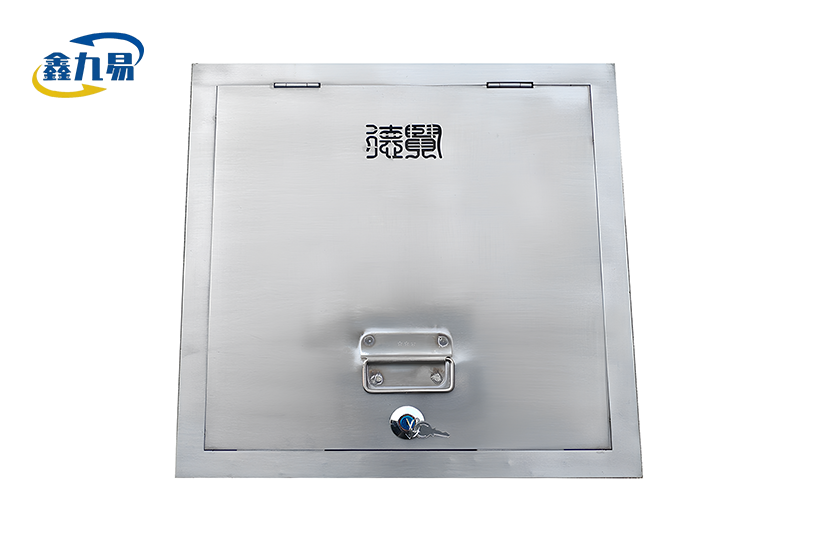
Customizing features is helpful for specialized apps. There are different kinds of locking systems, from simple threaded lift points to bolt-down systems that can't be opened without the right key. These help with security concerns in sensitive installations. For odor control, double-seal designs with EPDM seals are used to make gas-tight barriers for sewer entry points near places to eat outside or live. Being able to define these features during production means that they don't have to be added in the field, and the system will work reliably from the day it's installed.
Safety Features and Performance Enhancements
A lot of choices about buying infrastructure for businesses and cities are based on public safety. When access covers fail under pressure, create tripping dangers, or let people in without permission, they create a liability exposure that goes far beyond the cost of the materials themselves.
Load Certification and Slip Resistance
Covers that follow EN 124 standards are guarantyd to meet load classifications from A15 (1.5-ton pedestrian zones) to F900 (90-ton aircraft loading areas). Independent tests show that the structure works well under both static loads and active impact situations that are similar to years of service. Anti-slip surface treatments keep people safe even when it's wet, with coefficients of friction reaching 0.50, which is much higher than the 0.42 level suggested by workplace safety guidelines (National Floor Safety Institute, 2019).
Worker Protection During Maintenance
Ergonomic design factors lower the chance of injuries for repair workers. Even though the structure is very strong, the weight of each unit is kept manageable for two-person lifting teams. This keeps back injuries from happening that are common with cast iron covers that are too big and weigh 100 pounds or more. Dedicated lift points with threaded inserts fit standard T-bar keys, providing secure grip points that stop finger pinch injuries that often happen when people try to pry things open without the right tools. Some cities say that workers' compensation claims linked to cover removal went down by 40% after they switched to properly designed stainless units.
Unauthorized people can't get into electrical vaults, internet nodes, and utility controls because Stainless Steel Manhole Cover are locked on sensitive sites. This security feature keeps curious people out of dangerous areas and keeps important infrastructure safe from theft or tampering. Urban utility managers really like this feature in areas with a lot of foot traffic where open access points make it easy for people to explore without being watched.
Cost Efficiency Over the Product Lifecycle
Professionals in procurement are always weighing the starting cost of cash against the total cost of ownership. Even though stainless steel covers cost more up front than cast iron or plastic options, they end up being much cheaper in the long run when you consider how often they need to be replaced, how much work goes into upkeep, and other factors.
Total Cost of Ownership Analysis
When bought new, a typical Grade 304 cover for a city sidewalk could be 2.5 to 3 times more expensive than a similar cast iron unit. But the cast iron cover usually needs to be replaced twice every 30 years because it cracks or rusts through, while the stainless steel unit keeps working after its design life is up. Municipal engineering studies (Journal of Infrastructure Systems, 2021) show that when you add up the costs of removal labor, disposal fees, traffic control during replacement, and buying a new unit, stainless steel has a lower lifecycle cost per year by about 35%.
Procurement Optimization Strategies
When project managers buy in bulk, they can take advantage of economies of scale while keeping the same material specs across all sites. Suppliers who allow customization without imposing huge minimum order numbers allow mixed-specification orders, which include orders with different sizes and load rates within the same production batch. This simplifies inventory and makes sure that measurements are correct in a variety of site conditions. Standard configurations have lead times of 15 to 30 days, which helps keep construction schedules on track without needing too much buffer stock.
Protocols for material testing add another level of value guarantee. Reliable makers provide certified mill test records that show the chemical makeup of the particular type of stainless steel used, which is usually AISI 304 or 316L. This keeps material substitution problems from happening, which are common with lower-tier suppliers. This is especially important for projects that need to show proof of compliance during reviews of infrastructure or grant-funded work that needs to show proof of materials responsibility.
The financial benefits go beyond the costs of replacement. People are less likely to complain when things look better, and people have a better opinion of how well the city maintains its buildings. Getting rid of rust stains saves the paving projects next to them, so they don't have to be resurfaced too soon because they look bad instead of being structurally necessary. Even though they are harder to measure, these secondary benefits are important to the overall performance of the infrastructure budget.
Conclusion
Choosing access covers is more than just a purchase; it sets performance standards for key infrastructure links that will last for decades. Stainless steel solutions offer clear benefits in terms of longevity, resistance to rust, design flexibility, safety compliance, and cost-effectiveness over the course of their entire life. The material properties and engineering refinement these covers offer are useful for municipal engineers who are in charge of pipeline networks, commercial developers who are in charge of building plazas, and facility managers who are in charge of industrial sites. Steel made of stainless steel is the best choice for projects where failure of the infrastructure would cost too much because it lasts longer, needs less maintenance, and works reliably in tough conditions. Stainless Steel Manhole Covers are becoming the standard by which other products are judged as buying strategies put more weight on total ownership value over original purchase price.
FAQ
What differentiates Grade 304 from Grade 316 in municipal applications?
Grade 304 has 18% chromium and 8% nickel, which makes it very resistant to rust and good for most urban structures. Grade 316 adds 2 to 3 percent molybdenum, which makes the steel much more resistant to pitting corrosion caused by chloride. Choose 316 for installations near the coast, places that use a lot of de-icing salt, or industrial areas where chemicals are present. The material cost extra for 316 is usually between 15 and 20 percent higher than for 304. This is because the environment can damage 304's passive layer integrity.
How do load ratings translate to real-world traffic conditions?
Specific testing procedures are set out in EN 124 categories. Class B125 can handle 12.5-ton loads and is good for areas with lots of people and light vehicles. Class D400 can hold 40-ton loads that are needed for road works and big truck traffic. To make the right choice, you need to look at the types of vehicles that will be used (for example, delivery trucks vs. passenger cars) and include safety limits for loads that could be damaged by uneven ground or aggressive driving. Covers that are too small leave you open to liability, and ratings that are too high waste money without improving performance.
Can these covers prevent odor migration in sewer applications?
Standard flat designs offer basic protection that's good enough for utility tunnels and stormwater access. Controlling sewer gas needs better sealing, usually in the form of two gaskets made of EPDM or nitrile rubber that are pushed together by bolt-down locking mechanisms. Even when there is positive pressure, these assemblies make gas-tight seals that keep smells inside. When buying covers for sewage sewer access within 50 feet of occupied areas or outdoor eating areas, make sure they have features that keep smells from spreading.
Partner with Xinjiuyi for Reliable Infrastructure Solutions
When a city buys something, they need more than just product specs. They also need to work with manufacturers who understand project timelines, quality accountability, and documentation needs. Stainless Steel Manhole Covers from Xinjiuyi are trusted by engineering companies and builders around the world who are in charge of building infrastructure. Our factory in Cangzhou has ISO 9001, ISO 45001, and ISO 14001 certifications, which make sure that quality control and environmental duty are always upheld during production.
We offer full technical support, from creating the initial specifications to guiding the final installation. Custom manufacturing lets you make things with non-standard sizes and features without having to wait too long or meet a minimum order quantity. Certified material tracking, dimensional verification methods, and load testing documents help you meet safety standards and make sure the quality of your work. Email our engineering team at global@xjy8.com to talk about your specific project needs and find out how our precision-made access covers can help you reach your infrastructure goals.
References
1. American Public Works Association. (2018). Comparative analysis of manhole cover materials in municipal infrastructure. APWA Technical Services Department.
2. Corrosion Science Journal. (2020). Long-term performance of stainless steel alloys in marine infrastructure applications. Corrosion Science, 168, 108584.
3. European Committee for Standardization. (2015). EN 124: Gully tops and manhole tops for vehicular and pedestrian areas – Part 1-6. CEN Central Secretariat.
4. Journal of Infrastructure Systems. (2021). Life-cycle cost analysis of access cover materials in urban infrastructure. Journal of Infrastructure Systems, 27(2), 04021008.
5. National Floor Safety Institute. (2019). Walkway safety and slip resistance testing guidelines. NFSI Research Division.
6. U.S. Department of Transportation. (2017). Materials selection guide for municipal utility structures. Federal Highway Administration Infrastructure Report, FHWA-HIF-17-004.