How Much Weight Can a Stainless Steel Recessed Manhole Cover Support?
When managing infrastructure projects, selecting underground access covers requires precise knowledge of load-bearing capacities. A Stainless Steel Recessed Manhole Cover typically supports weights ranging from Class A15 (designed for 1.5-ton loads in pedestrian zones) to Class D400 (capable of withstanding 40-ton loads in highway traffic areas). The actual weight capacity depends on material grade, plate thickness, frame reinforcement, and compliance with international standards like EN 124 or AASHTO M306. Unlike conventional covers, recessed designs accommodate infill materials within their tray depth while maintaining structural integrity, making them suitable for diverse applications from commercial plazas to industrial facilities.
Understanding these load specifications ensures your project meets safety regulations while protecting underground utility networks from premature failure.

Understanding Load Capacity of Stainless Steel Recessed Manhole Covers
Material Strength and Grade Selection
The grade of stainless steel is the most important factor in determining its load capacity. Grade 304 stainless steel is very strong for most uses and has tensile strengths of more than 515 MPa, making it good for moderate traffic situations. When used in environmentally active or coastal settings, Grade 316 performs better without lowering its structural strength. At Xinjiuyi, we use high-quality materials that have been checked by spectroscopic analysis to make sure that the levels of chromium and nickel meet AISI standards.
Material choice has a direct effect on how long something lasts when it is loaded and unloaded many times. Instead of developing microfractures over time like cast iron does, stainless steel keeps its elastic properties throughout its service life. This means that the load performance stays the same even after decades of being exposed to water, changes in temperature, and chemicals from underground utilities.
Compliance with International Load Standards
Load classification systems give you a standard way to say how much weight you need. The European EN 124 standard divides covers into groups, with Classes A15 thru F900 each having its own load limits and safety factors. Class A15 is for pedestrian areas with loads of up to 1.5 tons, and Class D400 is for roadways with loads of up to 40 tons.
In the same way, AASHTO M306 standards set the rules for North America and define load classes ranging from Light Duty to Heavy Duty. Through careful design, our Stainless Steel Recessed Manhole Covers are made to meet or exceed these basic standards. As part of the certification process, covers must be validated in a hydraulic press and be able to handle estimated loads without permanently deforming more than 3 mm at the highest stress level.
People who work in procurement should know that certified load ratings include safety margins. A Class D400 cover that was tested at 40 tons actually shows failure thresholds that are much higher. This gives operators faith in real-world situations where overloading may happen occasionally during building or maintenance work.
Structural Design and Weight Distribution
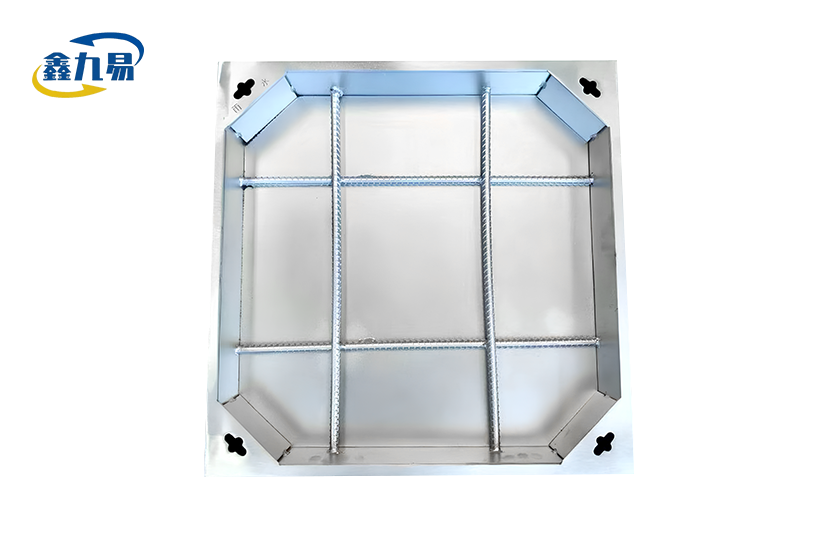
The recessed shape changes the way loads move through the cover piece in a big way. When you use a traditional flush-mounted cover, the stress is concentrated where the lid meets the frame. When the tray filler is made of reinforced materials that match the nearby ground, recessed designs spread forces over a larger bearing area.
The shape of the frame is very important for how the load is distributed. Our engineering team creates frames with cross-sectional shapes that are designed to resist bending moments while keeping the fitting process as simple as possible. Continuous support rails are built in to make sure that the cover plate and frame always make touch with each other. This stops point-loading, which leads to premature wear.
Precision in dimensions is very important for load efficiency. The way Xinjiuyi makes things keeps tolerances within ±0.5mm, which makes sure that everything fits together correctly and there are no gaps that could damage the structure's continuity. This accuracy stops the "rattle" that happens when covers aren't fitted properly, which speeds up wear and lowers the effective load capacity over time.
Comparison Between Stainless Steel and Other Manhole Cover Materials
Load-Bearing Capacity Analysis
Cast iron has been used for Stainless steel decorative manhole covers for a long time because it has good compression strength. But current engineering with stainless steel makes it possible to get similar load rates while also making it stronger and more flexible. This feature of the material stops the catastrophic brittle failure modes that happen in old cast iron units that are loaded and corroded over and over again.
Composite materials are an option that is lighter, but they can't always be used in high-load situations. While composite covers work well for Class B125 systems, they don't quite meet the standards for Class D400 without being too thick, which cancels out the weight savings. Stainless steel has the best strength-to-weight ratios across all load classes. This makes it easier to handle during installation and makes sure the structure is strong enough.
The ability of stainless steel to fight rust has a direct effect on how well it keeps its load capacity over time. As oxidation continues, cast iron units lose structural integrity, which means that over time, their safe working load will go down. Our stainless steel structure gets rid of this way for degradation to happen, so the product will keep its stated capacity for more than 20 years of use.
Durability and Maintenance Cost Considerations
The total cost of ownership is more than just the price of buying something. Cast iron covers need to be checked for rust-induced weakening on a regular basis, and in harsh environments, they usually need to be replaced every 8 to 12 years. When compared to ferrous options, stainless steel units have about 40% lower lifetime costs because they don't need as much upkeep for corrosion.
The durability of a surface finish affects both how it looks and how safe it is. Uneven corrosion patterns in cast iron make it dangerous to walk on and look bad over time. Stainless steel's inactive oxide layer naturally grows back, so the surface stays the same without the need for protective coats that wear off and need to be reapplied.
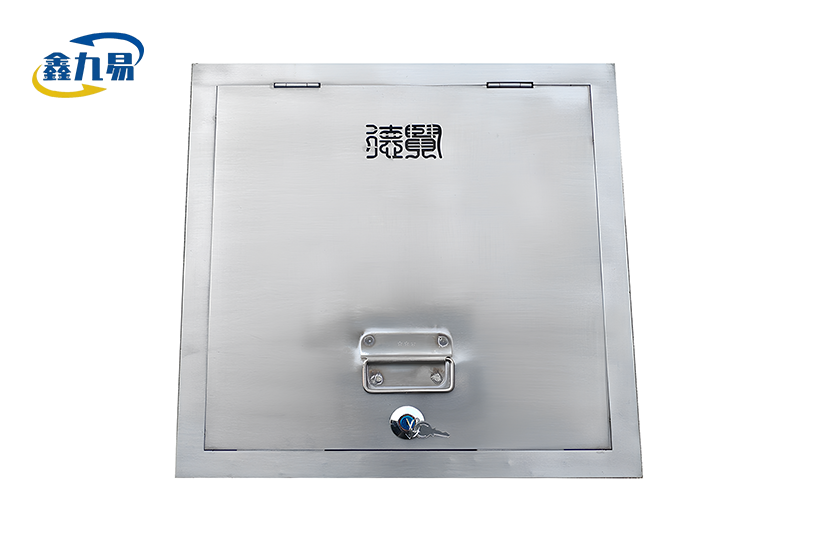
When it comes to business apps, where downtime can affect operations, maintenance access is very important. Our Stainless Steel Recessed Manhole Covers have built-in lifting mechanisms that work with T-bar sockets, so maintenance workers can get to them quickly. Because they don't rust, the lifting points will always work, unlike rusted cast iron covers that need to be taken off destructively when the lifting lugs fail.
Key Design Features Influencing Weight Support in Stainless Steel Recessed Manhole Covers
Plate Thickness and Shape Optimization
The load capacity and deflection characteristics of a material are directly related to its thickness. You can choose from plate thicknesses ranging from 2 mm to 8 mm in our product line, depending on the load class needs and span dimensions. Plates that are 3–4 mm thick are usually used for Class A15 walking applications, while plates that are 6–8 mm thick are needed for Class D400 uses so they don't bend when vehicles hit them.
Shape shape affects how stress is distributed. Standard utility entry points are best covered by square or rectangular covers that are 700 mm x 700 mm or 800 mm x 800 mm in size. Round shapes are better at equalizing pressure, but frames need to be carefully designed to keep them from rotating when they are loaded unevenly.
Overall stiffness is affected by the depth of the deep tray. Standard opening levels are between 60 mm and 100 mm, which allows for a range of flooring materials and helps keep the structure stiff. When you use the right infill materials in deeper recesses, the stainless steel plate and the concrete or stone fill work together to make the structure stronger than just the metal part.
Load Class Selection Guidelines
To choose the right load classes, you need to look at the traffic and safety gaps. Class A15 or B125 ratings are used in landscaped places with limited entry for vehicles. Commercial loading zones where delivery vehicles work need to be at least Class C250, which gives trucks safety factors for carrying heavy loads on their axles.
Class D400 qualification is needed to handle emergency vehicles and heavy equipment on municipal structures along roads. Industrial sites that use mobile cranes may ask for custom load classes that are higher than standard ratings. Our engineering team can accommodate these requests by making the frames stronger and the plates thicker.
The choosing method should take into account how the person could grow in the future. By specifying one load class higher than what is currently needed, you can protect yourself against changes in traffic patterns that were not planned. This cautious approach adds little cost to the initial installation and keeps the system from breaking down too soon if the site's use increases.
Corrosion Resistance and Maintenance Protocols
The inactive chromium oxide layer on stainless steel surfaces protects against rust naturally, without the need for coatings or upkeep. Grade 304 works well in most weather situations, and Grade 316 with molybdenum added protects against chloride attack in coastal areas or places where deicing salt is used.
Regular maintenance plans focus on keeping things mechanically working rather than keeping things in good shape. Every year, checks make sure that the lifting devices work well and that the infill materials stay properly combined. The gasket systems with EPDM or silicone seals need to be checked regularly to keep smells inside and keep water from getting into underground tunnels.
Compared to other materials, it still doesn't need much cleaning. Pressure washing gets rid of built-up dirt and grime without hurting surfaces or weakening structures. This feature of low maintenance is especially helpful for city managers who are in charge of hundreds of access points spread across infrastructure networks.
Procurement Considerations for Stainless Steel Recessed Manhole Covers
Pricing Structure and Lead Time Factors
To make a budget for Stainless Steel Recessed Manhole Covers, you need to know about the different factors that affect prices. The market price of stainless steel affects the cost of materials. Grade 316 costs 20–30% more than Grade 304. Customization, such as non-standard sizes, special finishes, or built-in branding, changes the price per unit by requiring more engineering and tooling work.
When you buy in bulk, you get good economies of scale. Orders of more than 50 units usually get bulk discounts of 10 to 15 percent, and bigger orders can get even bigger discounts. Payment terms usually include a deposit and the rest due upon arrival. However, if you have a good relationship with the seller, you may be able to get net-30 or net-60 terms.
Lead times depend on how complicated the order is and how much can be made. Standard versions from Xinjiuyi's stock are sent out within 7 to 10 business days. For custom specifications, engineering validation and production take three to four weeks. For urgent jobs, faster production is possible at an extra cost. Planning when to buy things early on in the project's development keeps key path delays from happening during the installation phases.
Supplier Certification and Quality Assurance
Project outcomes are protected when you choose manufacturers with strong quality management systems. With ISO 9001 certification, you can show that you have structured process controls. ISO 14001 and ISO 45001 certifications show that you care about the environment and safety. These certifications require regular audits by a third party, which gives buyers confidence in the quality of the products they buy.
Material tracking paperwork proves that the stainless steel grade is real. Reliable providers give mill test certificates for each production batch that show the chemical makeup and mechanical properties have been checked. This paperwork shows that the grades were met and backs up quality claims in case there are problems with the performance.
Ratings are only valid if they come from load testing approval from recognized labs. The testing methods follow EN 124 or AASHTO guidelines and record the load, measures of deflection, and failure limits. Specifications for buying things should make it clear that they need up-to-date test certificates. This way, you can be sure that the covers really do meet the claimed classifications, not just theoretical figures.
Installation Support and After-Sales Service
Full installation instructions cut down on mistakes in the field that hurt performance. Stainless Steel Recessed Manhole Covers work the way they're supposed to because they come with detailed instructions that talk about things like hole sizes, frame leveling limits, and the right way to fill in the gaps. Along with written documentation, video tutorials and on-site training programs are very helpful, especially for crews that have never done recessed installations before.
Having access to technical support during the installation process helps answer questions before they turn into mistakes that cost a lot of money. Our team can help you with questions about preparing the base, aligning the frames, or choosing the right filler material over the phone or email at global@xjy8.com. This quick help keeps projects on track and makes sure the work is done right the first time.
The length of the warranty shows how confident the maker is in the product's reliability. Standard warranties usually cover manufacturing flaws for 5 to 10 years; premium products can offer longer coverage. Understanding warranty terms, such as what the warranty doesn't cover, how to file a claim, and how to get a replacement, helps with figuring out total costs and managing risk.
Practical Case Studies: Applications and Performance in Real Projects
Municipal Infrastructure Implementation
A city's public works department recently used Stainless Steel Recessed Manhole Covers to improve 200 utility access points along commercial corridors. It was important that the decorative concrete steps fit in perfectly with the rest of the project, and traffic had to keep moving on major streets that see 15,000 cars every day.
Xinjiuyi supplied 800mm x 800mm covers made from Grade 304 stainless steel with a 6mm plate width and an 80mm opening depth. The deep form made it possible to match the stamped concrete pattern around it, so there was no visual interference and the structure could hold up to 40 tons. Each installation site was finished in less than two hours, so there wasn't much trouble with traffic.
Performance tracking over 18 months showed that there were no failures with a mix of traffic, such as delivery cars and emergency vehicles. The corrosion-resistant qualities kept the appearance standards without any extra upkeep. This was in contrast to older cast iron installations that had to be replaced every ten years because of rust damage and structural weakness.
Commercial Plaza Application
For a high-end shopping center makeover, 35 Stainless Steel Recessed Manhole Covers were needed in places with marble floors. Specifications for the design called for invisible integration while still allowing service vehicles to reach equipment and supplies on occasion.
The answer used Class C250 recessed covers that were 100 mm deep. This made it possible to fill the whole area with matched marble tiles and setting mortar. The higher load limit gave 20-ton delivery trucks more safety margins, even though most of the usual traffic was people walking and carrying small carts.
Overnight closure windows were used for installation, and covers were put on and grouted to match the existing paving. The end result was perfect visual uniformity, and the utility entry points couldn't be seen by the naked eye. Facility managers said it was easier to do repairs because the lifting devices were reliable and kept working even when they weren't used very often.
Industrial Facility Heavy-Duty Requirements
A chemical processing company asked for custom Stainless Steel Recessed Manhole Covers for places that mobile cranes and other heavy equipment would be moving through. Standard load classes weren't enough for the 60-ton axle loads that came from special trucks.
Working together as engineers, they made stronger covers with 8 mm plates and better frame systems with structural steel backing. Computational analysis confirmed that the safety factors were sufficient under the given load, and testing of the prototype showed that the deflection stayed within acceptable limits.
The placement showed how customization options can meet specific needs in industries that aren't met by standard products. The building's corrosive atmosphere made the stainless steel construction necessary. Iron-based alternatives would have had to be replaced more often and could have contaminated sensitive manufacturing processes.
Conclusion
Specifications for Stainless Steel Recessed Manhole Covers that say how much weight they can hold include more than just weight numbers. Safe working loads for different uses are based on the materials used, the way the structure is built, and how well it meets international standards. Stainless steel structure is the best way to get the best mix of strength, longevity, and resistance to corrosion for all types of load classes, from light pedestrian traffic to heavy industrial traffic.
It's helpful to know about these technical issues along with practical ones like lifecycle costs, supplier capabilities, and installation needs when making purchasing decisions. Real-world performance validation is shown in the case studies. They show how proper specification and quality production give long-term value by reducing upkeep and increasing service life.
For a project to be successful, it needs to work with experienced makers who can help with engineering, provide quality certifications, and provide quick service during the purchasing and installation stages.
FAQ
How do I determine the correct load class for my project?
Look at what kind of vehicles will be on the road and how often they will be traveling. Class A15 is used in places only for pedestrians, Class B125 is used in parking lots, and Class D400 is used on roads. Think about possible changes that could make loading needs bigger. Talking to sellers with a lot of knowledge can help you make sure that the specs they give you are right for your application.
Can customization increase weight-bearing capacity beyond standard ratings?
By making plates thicker, strengthening frame systems, and improving shape, custom engineering solutions can handle very high loads. Computational analysis checks that designs work, and testing prototypes proves that they do. These custom solutions are made for specific business uses or vehicle loads that are too heavy for normal classifications.
What maintenance protocols ensure long-term load capacity retention?
Stainless steel doesn't need much care other than being cleaned and inspected mechanically every so often. Make sure the lifting mechanisms work right, the gasket seals stay in place, and the filler materials stay properly combined. Once a year, checks record the state and find any problems before they get worse and endanger performance or safety.
Partner with Xinjiuyi for Certified Stainless Steel Recessed Manhole Cover Solutions
Hebei Xinjiuyi Construction Technology Co., Ltd. has been making enterprise-level Stainless Steel Recessed Manhole Cover systems for more than twenty years. Our recessed covers meet EN 124 and AASHTO load classifications after going through strict testing and quality control procedures. They are backed by ISO 9001, ISO 14001, and ISO 45001 certifications that show our dedication to quality.
As a top maker of Stainless Steel Recessed Manhole Covers, we can make any changes you need to the sizes, load classes, and finishes to make sure they fit your project perfectly. Our engineering team offers technical advice before the sale, full drawings of the designs, and installation instructions that guarantee success from purchasing to commissioning.
To talk about your infrastructure needs, email our global sales team at global@xjy8.com. We provide full documentation, such as material certifications, load test reports, and compliance verification, that meets strict procurement standards. You can see our whole line of products at xjy8.com and learn why buying workers all over the world trust Xinjiuyi to provide safe, standardized solutions.
References
1. American Association of State Highway and Transportation Officials. (2019). "Standard Specification for Manhole Covers and Frames – AASHTO M306." Washington, DC: AASHTO Publications.
2. British Standards Institution. (2015). "Gully Tops and Manhole Tops for Vehicular and Pedestrian Areas – Part 2: Load Classes and Testing – BS EN 124-2." London: BSI Standards.
3. Chen, W.F. & Duan, L. (2014). "Bridge Engineering Handbook: Construction and Maintenance." CRC Press, Boca Raton, Florida.
4. International Stainless Steel Forum. (2018). "Stainless Steel in Infrastructure Applications: Design Guidelines and Performance Standards." Brussels: ISSF Technical Publications.
5. National Association of Corrosion Engineers. (2017). "Corrosion Performance of Stainless Steel Alloys in Underground and Civil Infrastructure." Houston: NACE International Report.
6. Thompson, R.J. & Visser, A.T. (2016). "Selection, Performance and Economic Evaluation of Manhole Cover Systems for Municipal Infrastructure." Journal of Infrastructure Systems, Volume 22, Issue 3.