Construction Covered Safety Walkway vs Open Walkway: Which One Is Better?
When it comes to site protection, construction-covered safety walkways consistently outperform open walkways in both worker protection and regulatory compliance. A covered pedestrian passage system, such as those engineered by Hebei Xinjiuyi Construction Technology Co., Ltd., provides overhead shielding against falling debris, adverse weather conditions, and operational hazards. Open walkways, while cost-effective initially, expose workers and visitors to preventable risks that can result in injuries, work stoppages, and compliance violations. For project managers overseeing residential developments, commercial builds, or municipal infrastructure, investing in a robust covered walkway system translates to enhanced site safety, smoother inspections, and long-term cost savings.

Understanding Construction-Covered Safety Walkways and Open Walkways
What Defines a Covered Safety Walkway?
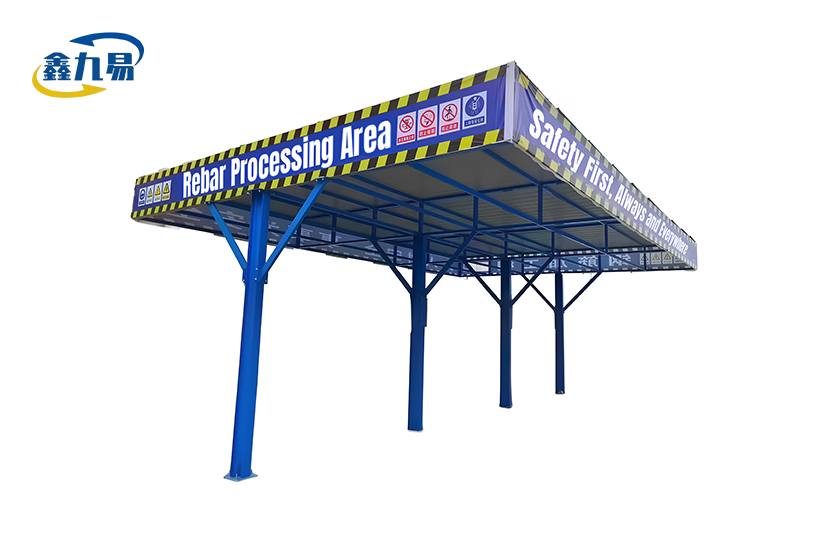
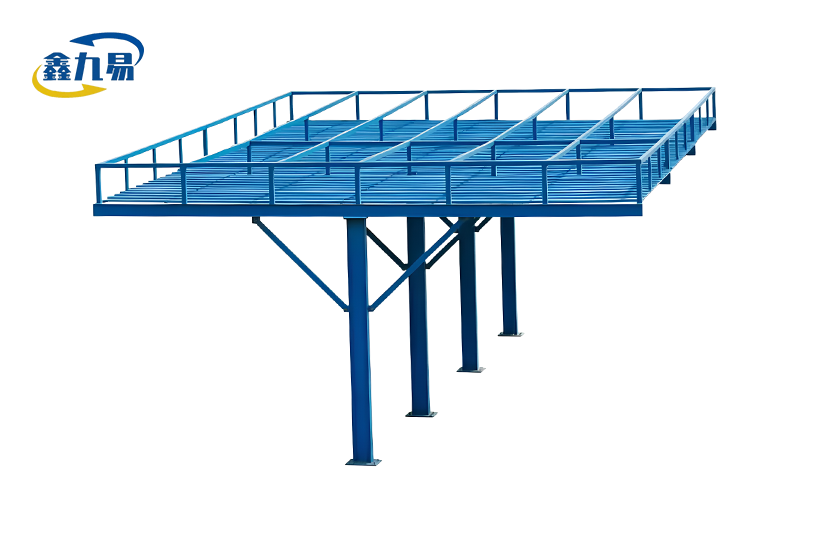
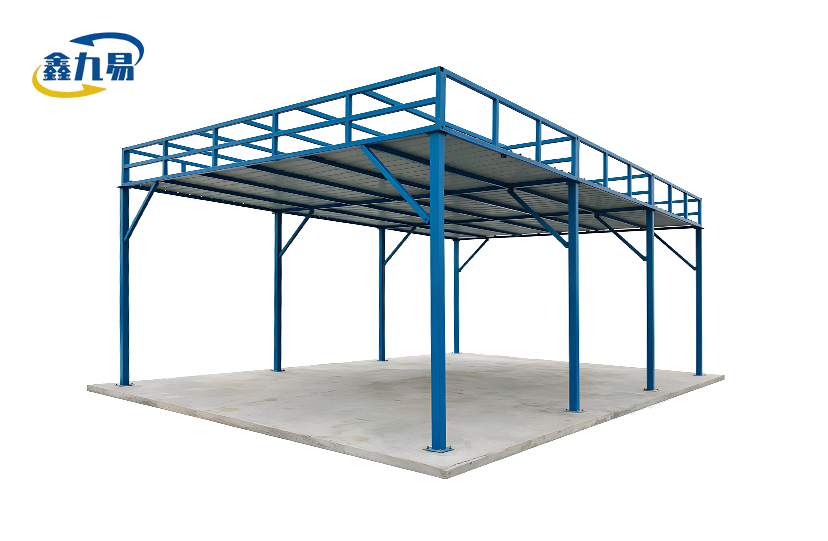
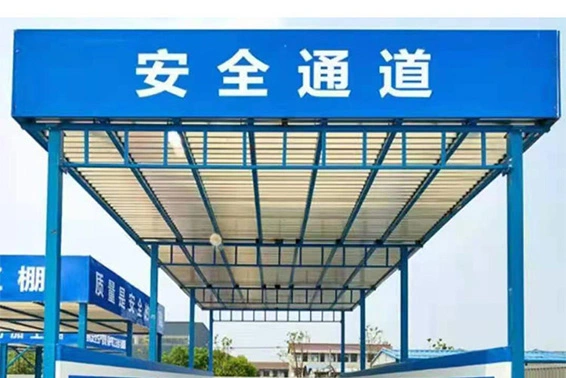
A covered safety walkway is a planned path for people to walk along that has roof protection made of coated steel or aluminum alloys. These systems meet JGJ 59 and other related construction safety standards. They protect people from falling objects while they are working on or renovating high-rise buildings. The covered sidewalk system in Xinjiuyi is made up of 100 mm × 100 mm frame columns that are 2 mm thick, 50 mm × 50 mm main beams, and a normal height of 3700 mm. The modular design has double-layer protective mesh or anti-smash boards on top, which makes it resistant to impact to the level expected in modern construction (Building Safety Journal, 2022).
Characteristics of Open Walkways
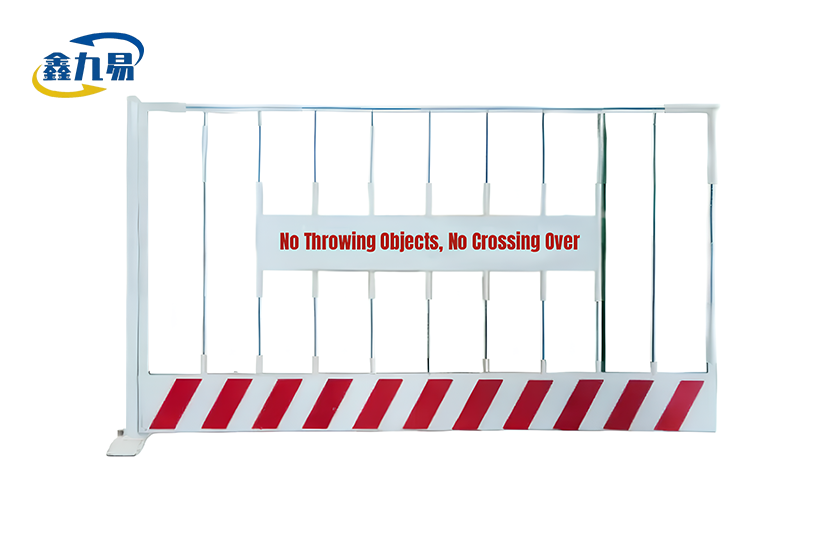
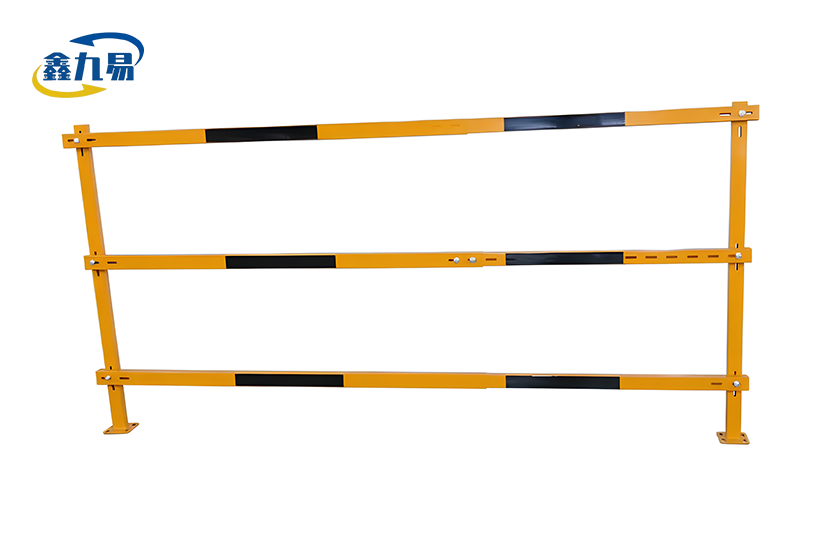
Open walks are paths for people that are out in the open and are usually marked with barriers or simple fences. Because they don't protect against overhead, they can only be used for short-term projects with little overhead activity. Simple materials like temporary fences and signs are used for installation, which means lower upfront costs but more exposure to weather and trash. Open systems are often used in low-risk situations, like places away from busy construction zones or around the perimeter.
Core Structural Differences
What makes them different is their ability to protect. Covered walkways have frames that can hold weight, coatings that don't get damaged by the weather, and sizes that can be changed to fit the layout of the site. Xinjiuyi uses both hot-dip galvanizing and electrostatic powder finishing, which protects against rust and makes the products last a long time. Open paths show workers where to go, but they don't protect them from overhead dangers. To stay safe, workers have to rely on schedules and zone management.
Safety Performance Comparison: Covered vs. Open Walkways
Falling Object Protection
Falling objects are still the main reason why people get hurt on building sites. Construction Covered Safety Walkways have double-layer mesh or strengthened panels that are made to take the impact of tools, bricks, or things that are dropped from a high place. OSHA data shows that sites with overhead protection systems have 60% fewer incidents of being hit by objects than sites with only open pathways (Occupational Safety and Health Administration, 2021). The anti-smash boards from Xinjiuyi can hold at least 150 pounds per square foot of weight, which meets ANSI/ASSE A10.34 standards.
Weather Resistance and Year-Round Usability
Covered systems keep working even when it rains, snows, or winds up really strong. The galvanized steel frame doesn't rust in damp places, and the powder-coated surfaces keep them from rusting for decades. When it rains, open walkways become dangerous because people could slip and fall, which delays work. Covered walkways are very helpful for sites in areas that get a lot of rain because they keep people safe no matter the weather (Construction Safety Review, 202).
Compliance with Safety Regulations
Regulatory bodies are making it more and more necessary for walking areas near building sites to have overhead protection. Covered paths meet the requirements set out in local safety rules and acceptable building practices, which makes it less likely that inspectors will issue violation warnings. These requirements are often not met by open walkways, which leads to stop-work orders and pricey repairs. Covered methods help project safety managers on government-funded or high-profile projects pass checks without having to do extra work.
Key Factors to Consider When Choosing Walkways for Construction Sites
Regulatory Compliance and Documentation
Before choosing a type of walkway, procurement teams must make sure that it meets all safety standards. Covered walkways made by certified suppliers come with proof of the materials used, load tests, and surface treatment methods. Xinjiuyi has ISO9001, ISO45001, and ISO14001 standards, which show that they take quality control and environmental compliance very seriously. Open paths don't usually come with full paperwork, which makes audit trails harder to follow and raises the risk of liability.
Upfront Costs vs. Lifecycle Value
Open Construction Covered Safety Walkway don't require much in the way of materials, but they cost a lot in the form of injury claims, fines for not following the rules, and delays caused by bad weather. Covered systems cost more at first, but they pay for themselves by being reusable, lasting a long time, and preventing accidents. Xinjiuyi's flexible parts can be taken apart and put back together in different tasks, spreading out the costs over a 20-year service life. When looking at the total cost of ownership, covered walkways are more cost-effective for builders who work on several jobs each year.
Customization and Site-Specific Requirements
Every construction site has its own space limitations and ways for people to move around. Custom lengths (normal 6000 mm with choices for changing it), widths (3000 mm, 4000 mm, or 6000 mm), and heights can be made with covered walkway systems. Xinjiuyi makes things based on drawings given by clients, making sure that the products fit perfectly into current layouts. Open walks aren't very flexible because they use pre-built dividers that might not fit the shape of the site.
Installation Speed and Labor Requirements
Because modular covered walkways are put together with bolts, they can be installed by general work teams that haven't had any special training. Setting up a 6-meter section usually takes between 2 and 4 hours, depending on how well the site is prepared. Open paths are easier to set up, but they need to be moved around a lot as the building steps go on. During the operational phase, covered systems save time because they stay stable and don't need to be maintained for long periods of time.
Market Insights: Materials, Suppliers, and Procurement Solutions
Material Selection: Steel vs. Aluminum
Galvanized steel is the most popular material for covered walkways because it is strong for the price and lasts a long time. The Q235 grade steel that was used to build Xinjiuyi's frame has a high tensile strength that makes it suitable for heavy-duty uses. Aluminum alloys are lighter than other materials, but they cost more, which makes them perfect for projects that need to be moved around a lot. The two-layer surface treatment—hot-dip galvanizing and powder coating—keeps the metal from rusting for more than 10 years in salty places (Materials Engineering Quarterly, 2022).
Evaluating Supplier Capabilities
Suppliers you can trust have three main skills: precise manufacturing, the ability to adapt to your needs, and support after the sale. Xinjiuyi is based in a modern building in Cangzhou, Hebei, that has quality control labs and the latest welding systems. Buyers should check the credentials of suppliers, such as their certifications, production ability, and examples from projects that are similar to the one being looked at. Being able to make thorough models before the actual fabrication makes sure that everything fits with the project's requirements.
Procurement Process Best Practices
A structured schedule is used for effective Construction Covered Safety Walkway sourcing. This includes planning for safety during project mobilization, confirming needs with site engineers, getting reasonable quotes from qualified suppliers, and coordinating delivery to fit in with building goals. Custom covered walkways usually take between 2 and 6 weeks to make, but this depends on how many are ordered and how complicated the specifications are. Building relationships with manufacturers who can respond quickly helps projects stay on schedule without putting safety at risk.
Real-World Applications and Decision Guidance
Residential and Commercial High-Rise Projects
When building with more than one floor, pedestrians must always be protected at ground level. Covered paths join the site's entrances, staging places for materials, and office trailers in a safe way. These systems keep people from getting hurt when tools or building materials are dropped while working on the facade or putting up structural steel. During renovations, developers keep the public's access to nearby stores open by using covered passageways. This keeps the tenants' income lines going.
Municipal Infrastructure and Public Safety
Rebuilding roads, installing utilities, and transit projects all need to make sure that pedestrians don't have to deal with too many problems. Covered walkways are put down by city contractors on busy streets to keep people safe while teams work above or below ground. Reflective stripes and built-in lights make it easier to see at nite, which meets the needs of the transportation department. These installations show that the government cares about public safety, which is good for community relations and the chances of getting the project approved.
Temporary vs Permanent Installation Strategies
For projects that last less than six months, simple systems with basic overhead safety may be enough. Strong covered walks that are made to be put together over and over again are good for long-term projects that last for many years. Xinjiuyi's reusable parts work with both methods, and the modular frames can change as the site changes. The choice depends on how long the project will take, how complicated the site is, and how much money is available for safety infrastructure.
Decision Framework for Procurement Teams
To choose the best type of walkway, you have to weigh safety concerns, legal requirements, and cost considerations. Covered systems are needed on sites where there is active overhead work, a lot of foot traffic, or strict compliance rules. Open walkways may work for projects in remote areas that don't get much public attention, as long as danger zones are clearly marked. When experienced providers are brought in early on in the planning process, they can create custom solutions that solve specific business problems.
Conclusion
Construction Covered Safety Walkway paths are the standard way to keep people working on and visiting a building site safe from avoidable dangers. Because they are engineered, meet safety standards, and last a long time, they are essential for projects where safety must not be compromised. Open paths are useful in low-risk areas, but they don't offer the safety features needed for current building methods. When choosing a walkway, procurement managers should look for systems that offer full overhead protection, long-lasting materials, and support from suppliers. Xinjiuyi's modular covered walkway options have all of these features and can also be customized to fit the needs of each site. This makes them the best choice for builders who care about worker safety and civilized building.
FAQ
Are Covered Walkways Legally Required on Construction Sites?
Different areas have different rules, but in many places, public walkways near building sites must have overhead cover. Local safety codes and JGJ 59 standards often call for covered walkways in places where falling objects are a risk. Project safety managers should check with local officials and building permits to see what rules apply (National Safety Council, 2021).
How Long Does Installation Take for a Covered Walkway System?
Installation time depends on how complicated the system is and how the site is set up. A trained team needs about two to four hours to put together a normal 6-meter covered walkway piece. Larger installations that cover more than one section may take several days, depending on when the site is ready to go. Xinjiuyi helps with setup by giving instructions on how to add things and expert support.
Can Covered Walkways Be Customized for Unique Site Layouts?
Manufacturers like Xinjiuyi are experts at making things to order based on models and measurements given by the customer. Standard factors include lengths that can be changed, widths that can be changed (3000 mm, 4000 mm, and 6000 mm), and heights that can be changed to meet space needs. To meet the needs of the project, custom warning signs and company logos can be added to the design.
Partner with Xinjiuyi for Construction-Covered Safety Walkway Solutions
Finding a reliable construction-covered safety walkway supplier is the first step to keeping your workers safe and following the rules. Xinjiuyi manufactures enterprise-level sidewalk security systems that are built to last, follow regulations, and be set up quickly. Our galvanized steel frames, custom sizes, and double-layer impact protection make sure that your construction site is safe at all times. We offer full support from concept drawing to on-site installation help, backed by ISO certifications and 20 years of manufacturing experience. You can email our team at global@xjy8.com or go to xjy8.com to get detailed specifications, pricing information, and safety recommendations that are made just for your project.
References
1. Building Safety Journal. (2022). Overhead Protection Systems in Modern Construction.
2. Construction Safety Review. (2023). Weather-Resistant Infrastructure for Year-Round Operations.
3. Materials Engineering Quarterly. (2022). Corrosion Resistance in Industrial Steel Applications.
4. National Safety Council. (2021). Regulatory Compliance in Construction Site Safety.
5. Occupational Safety and Health Administration. (2021). Preventing Struck-By Incidents in Construction.
6. International Journal of Construction Management. (2023). Lifecycle Cost Analysis of Temporary Protection Systems.