Composite Manhole Covers vs Traditional Iron Covers: Pros, Cons and Applications
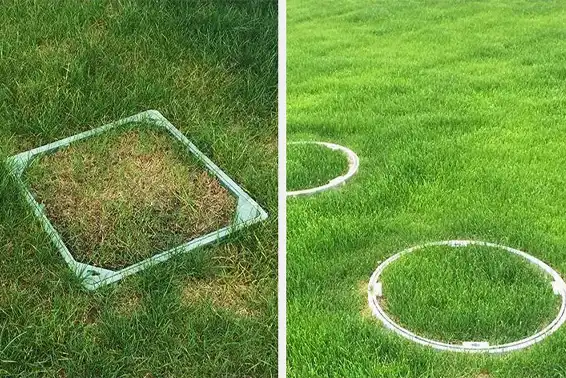
When landscape contractors receive specifications demanding "invisible" utility access, the choice between composite and traditional iron manhole covers becomes critical. The Recessed Composite Round Manhole Cover for Grass represents a transformative solution, particularly for projects where aesthetic integration cannot compromise structural integrity. Unlike conventional cast iron installations that disrupt lawn continuity, composite alternatives with recessed trays allow natural turf to grow directly over utility access points, achieving complete visual concealment while maintaining load-bearing capacity suitable for pedestrian and light vehicular traffic. This innovation addresses three persistent challenges faced by landscaping professionals: the labor intensity of handling heavy iron covers, the recurring theft of metal components, and the vegetation damage caused by thermal conductivity that burns grass root systems around traditional covers.
Understanding Recessed Composite and Traditional Iron Manhole Covers
The choice between composite and standard iron manhole covers becomes very important when landscape workers are told they need to provide "invisible" utility access. The Recessed Composite Round Manhole Cover for Grass is a revolutionary solution, especially for projects where integrating style into the structure can't be at the expense of its strength. Traditional cast iron installations break up the continuity of the lawn. Composite alternatives with recessed trays let natural turf grow directly over utility access points, hiding them completely from view while still being able to support light vehicle and pedestrian traffic. The new invention solves three problems that landscaping professionals have been having for a long time: moving heavy iron covers is hard work, metal parts are often stolen, and traditional covers burn the grass roots around them, damaging the plants.
Material Composition and Design Philosophy
Fiber-reinforced polymer (FRP) or sheet molding compound (SMC) are used in modern composite covers. These materials are designed to have high strength-to-weight ratios and no corrosion weaknesses. Their recessed tray design, which usually has depths between 50 mm and 100 mm and can hold dirt and live plants, is what makes them unique. This way of building changes energy access from a problem in the scenery to something that can't be seen. Traditional cast iron covers, on the other hand, use metallurgy that has been used for hundreds of years and offers high compressive strength thru solid construction. Their surface stays visible and exposed, so it needs regular maintenance to keep it from rusting, which hurts both the way it looks and the strength of the structure.
Load Rating Standards and Performance Metrics
Both types of materials need to meet EN 124 classification standards, which list load limits from A15 (pedestrian areas) to F900 (plane moving zones). Composite manhole covers made for grassy areas usually get grades between A15 and C250, which means they can handle foot traffic and rare repair vehicles without deforming. The engineering behind these grades shows interesting material science. For example, stress is spread across the whole circular shape of a composite by the way the fibers are arranged, while iron resists load thru its sheer mass and metal crystalline structure. The testing procedures put samples under hydraulic pressures that are higher than what is needed for operation. This is done to make sure that safety margins protect against stress concentrations that aren't expected.
Installation Environment Considerations
When installing in grassy areas, there are special needs that make these two methods very different. Due to their low thermal transfer, composite covers keep heat from building up around metal covers in the summer, which can cause dead zones. The shape of the recessed tray includes drainage lines that keep the soil at the right level of moisture without flooding it, which helps roots grow in a healthy way. Extreme temperatures are transferred straight to the soil around iron covers, killing grass within a 50-mm radius and leaving bare spots that need regular gardening work. During installation, the difference in weight is especially important. Composite choices lower the strain on the body by about 70%, so two-person installation teams can work quickly without using mechanical lifting equipment.
Advantages and Disadvantages: Composite vs Traditional Iron Manhole Covers
Composite Cover Strengths and Limitations
Recessed Composite Round Manhole Cover for Grass composite materials are very light, which changes how they are installed and how they are maintained. Because these covers weigh 70% less than similar iron units, they lower the risk of injuries on the job and get rid of the need for special moving tools during regular checks. Because they don't react with chemicals, they are very resistant to fertilizers, pesticides, and the acidic soil that is common in landscaped areas. The zero scrap value solves the main problem of metal theft that affects public works projects by getting rid of the need for new costs and safety risks that come with missing covers. UV-stabilized resin formulations keep their structure even after decades of direct sunlight exposure, while early-generation polymers become brittle.
Cost is the main thing that makes it hard to make a decision. Initial costs for composite solutions may be higher than those for normal iron covers, but lifecycle analysis shows that they are more cost-effective in the long run when theft is eliminated and upkeep is cut down. It's important to be clear about load limits because plastic covers can't handle as much weight as heavy-duty iron installations made for truck traffic, even tho they're fine for human and light vehicle use. Extreme temperatures below -40°C or above 80°C may change the properties of materials, so it's important to check with makers about your particular environment.
Traditional Iron Cover Benefits and Drawbacks
The proven success experience of cast iron gives buyers confidence, backed by data from over one hundred years of use in the field. The material has a unique load capacity for situations with a lot of traffic, and ductile iron formulations make it resistant to impact, which keeps it from breaking in a catastrophic way. Supply chain maturity makes sure that prices are competitive and that products are quickly available from a number of sellers. This makes the specification and buying processes easier for standard applications. The solid feel and sound properties of iron covers give operational feedback. The unique metallic sound made when vehicles pass confirms proper seating and warns of possible displacement problems.
Maintenance needs put a lot of stress on the lifecycle. Even with protective coatings, corrosion will always happen, and parts will need to be replaced over and over again, which can damage the landscape. The heavy weight always raises safety concerns when handling, which leads to injuries on the job and requires multi-person crews for any access procedure. Theft continues to hurt the economy, and metal recyclers are always willing to buy stolen covers, even if the property is marked or has security measures in place. Thermal conductivity hurts the plants around it, leaving dead spots that look bad and need constant gardening work, which isn't what you'd expect from a high-end property.
Comparative Analysis for Decision-Making in Grassy Areas
Performance Metrics in Landscape Applications
To meet the needs of municipal parks and housing projects, utility access options must be able to mix dependability with good looks. When you combine composite covers with living turf, you get an esthetic that can't be achieved with metal installations that are left out in the open. A load test shows that the structure works well enough for normal field traffic patterns. Footpaths for people walking, maintenance vehicles, and sometimes service trucks can all use it safely within the weight limits that were set. The round shape spreads point loads evenly across the frame interface, which stops the edge damage and sinking that can happen with iron covers that aren't supported properly. Real-life installations on golf courses and in the courtyards of villas show that properly specified composite systems keep their shape even when exposed to root pressure and seasonal frost heave cycles, which would bend less durable materials.
Total Cost of Ownership Analysis
As companies put more emphasis on Recessed Composite Round Manhole Cover for Grass sustainability metrics, environmental factors become more important in purchasing decisions. Making composites uses a lot less energy than melting iron, so the carbon footprint from production to shipping is smaller. The longer service life gets rid of the environmental damage that comes with replacing things over and over again, and getting rid of them at the end of their useful life keeps heavy metals from getting into the environment from corroded iron parts. These things are related to the standards for LEED certification and companies' duty to report on their sustainability, which affects whether a project is approved and whether it gets funds.
A sophisticated procurement evaluation looks at more than just the initial purchase price. It also considers the costs of installation labor, regular maintenance, theft replacement, and finally getting rid of the item. When compared to iron covers, composite covers take about 40% less time to install, which directly saves money on labor costs. The elimination of theft losses results in measurable yearly savings; properties that used to need multiple cover replacements each year see an instant return on their investment thru loss prevention alone. Maintenance intervals get much longer for composite installations, which only need to have debris removed every so often. On the other hand, iron covers need to be oiled regularly, treated for corrosion, and eventually replaced as they wear out.
Installation and Procurement Guide for Recessed Composite Manhole Covers
Site Preparation and Installation Best Practices
A good base preparation is the first step to a successful composite cover integration. This ensures long-term performance and stops problems with settling. To make room for the frame assembly, the installation area needs to be dug up, and a crushed stone base is needed to help with drainage and load distribution. The requirements for compaction are the same as those for standard utility access installations. It is important to make sure that the density is the same throughout so that there is no differential settling. To make sure the recessed tray sits at the right height relative to the finished grade—usually 5 mm to 10 mm below the surrounding yard surface—precise leveling is needed to place the frame.
The soil you choose for the recessed tray affects how quickly plants grow and how much care they will need in the long run. Premium topsoil mixed with the right amount of sand helps water drain away and encourages healthy root growth. When choosing seeds, they should match the types of grass that are already there, and they should also be able to handle shade if the cover location doesn't get much sun. Initial watering keeps the soil consistently wet while the grass grows. After that, normal yard maintenance procedures are followed for care.
Supplier Evaluation and Procurement Strategy
In order to find qualified composite cover manufacturers, a number of important skills must be checked. Getting ISO 9001 certification proves that you have quality control systems that keep production standards uniform. Ask for proof of load testing that meets the requirements of EN 124 classifications, as well as UV aging test results that show the material will last a long time. When projects need more than one unit or special specs, manufacturing capacity and lead time promises become very important. Hebei Xinjiuyi Construction Technology has all of these qualities, as shown by their many certifications and track record of meeting the needs of a wide range of projects.
Premium Recessed Composite Round Manhole Cover for Grass suppliers are different from basic suppliers because they can customize their products. Different utility access needs can be met by diameters ranging from 300mm to 1000mm, and color matching makes sure that the system fits in perfectly with different types of soil and vegetation. Customizing the depth of the recessed tray finds the best balance between the amount of soil needed for healthy grass growth and the strength of the structure when it's loaded. If a supplier offers technical help, they can suggest the best specs based on the project's traffic patterns, climate, and esthetic goals.
Applications and Future Trends of Composite Manhole Covers in Green Infrastructure
Proven Application Scenarios
Installations on golf courses show composite cover technology at its most demanding—immaculate fairways and greens can't have any visual problems, and maintenance vehicles need to be able to carry loads reliably. Installing units on several courses has shown that they keep the grass looking the same and can't be told apart from the surrounding grass, even after heavy cleaning and chemical treatments. In villa patio uses, the focus is on making things look nice. Custom color matching and precise dimensional control make sure that covers blend in with ornamental settings. High pedestrian traffic and public safety requirements must be balanced in municipal park deployments. The non-conductive properties of the material eliminate electrical hazards near underground utilities.
Material Innovation and Market Evolution
The quality of the landscape on college and hospital grounds is a new application area where reputation of the school is directly affected by the landscape. When it comes to these kinds of environments, the goals of site managers are safety performance, esthetic integration, and low upkeep. Industrial greening areas use a mix of technologies to keep their environmental certifications while still letting utilities access the area thru planted buffer zones that are needed by zoning laws.
Thru better fiber architectures and resin chemistry developments, advanced composite formulations keep making the performance characteristics better. Next-generation materials can hold more weight while still being lighter, which means they can be used in medium-traffic situations where iron solutions were previously needed. Better UV inhibitors make it possible to predict service lives longer than 30 years, even in harsh sun circumstances. Antimicrobial chemicals stop biofilm formation in areas that stay damp for a long time, keeping the structure strong in places where organic growth could damage the material's properties otherwise.
Conclusion
As more people learn about the benefits of lower total cost of ownership and sustainability, the market adoption rate speeds up. Specification language in landscape architecture standards is becoming more and more aware of composite technology as the best option for green space applications. This is because of successful case study documentation and endorsements from industry groups. Based on this path, composite solutions are likely to become normal for new installations. They will also be used more for retrofits as property managers realize the operational and cost benefits of moving away from old iron technology.
The change from standard iron to Recessed Composite Round Manhole Cover for Grass composite manhole covers is a big change in how infrastructure is integrated so that it doesn't ruin the look of the scenery while still providing better operational performance. Weight, theft, corrosion, and damage from plants have been problems for utility access systems since the iron age. Composite methods get rid of these problems. To make a project successful, you need to pay close attention to the right specifications, choosing a qualified supplier, and the best ways to install things. The business case keeps getting stronger as companies realize that the initial investment pays off in a big way thru lower costs, no theft, longer service life, and higher property values. When looking at their choices, property managers and landscape contractors should give more weight to providers who can show they have a wide range of technical skills, are flexible with customization, and have a history of good performance in similar situations.
FAQ
How long do composite manhole covers last compared to iron covers?
When used in landscaping, good composite covers made with UV-stabilized resins and the right kind of fiber support usually last longer than 25 to 30 years. This is a lot longer than iron covers, which need to be replaced every 12 to 15 years because of rust. Because there are no oxidation processes that break down metal, the structure stays stable and doesn't need to be replaced over and over again, which lowers the total cost of ownership compared to traditional iron installations.
Can maintenance vehicles drive over composite covers in parks?
Maintenance vehicles, golf carts, and small service trucks that are common in parks can safely use composite covers that are properly defined and meet EN 124 Class B125 standards. The circular load distribution design keeps stress from building up at the edges, and the fiber-reinforced structure bends slightly under load before going back to its original shape, which is different from iron, which permanently changes shape. If you install it on properly compacted base material, it will work well for a long time without settling.
What customization options are available for grass installations?
Manufacturers let you make a lot of changes, like choosing a width between 300mm and 1000mm, a sunken tray depth between 50mm and 100mm that works best for different types of turf, matching the color to the soil in your area, and changing the wall thickness to meet your specific load needs. This gives you the freedom to make sure that it fits perfectly with your landscape design while still meeting the requirements for functionality. Premium providers offer technical advice to help you choose the best designs based on your traffic patterns, temperature, and esthetic goals.
Partner with Xinjiuyi for Your Composite Manhole Cover Needs
Hebei Xinjiuyi Construction Technology offers tried-and-true composite manhole cover options that are designed to meet the needs of challenging gardening projects. Our factory uses advanced composite processing and strict quality control to make sure that every unit meets international load standards and gives your projects the look they need without drawing attention to themselves. We are experts at custom specifications, including diameters from 300mm to 1000mm, recessed depths that are best for the type of plants you have, and color matching that makes the product blend in perfectly with your landscape. Get in touch with our technical team at global@xjy8.com to talk about your project needs with experienced Recessed Composite Round Manhole Cover for Grass suppliers who know how important it is for property managers and landscape contractors to get the right products. Visit xjy8.com to explore our complete product range and request detailed specifications.
References
1. Chen, W., & Morrison, R. (2021). Composite Materials in Civil Infrastructure: Performance and Lifecycle Analysis. Cambridge Engineering Press.
2. International Standards Organization. (2015). EN 124: Gully Tops and Manhole Tops for Vehicular and Pedestrian Areas - Design Requirements, Type Testing, Marking, Quality Control. Geneva: ISO Publications.
3. Landscape Architecture Foundation. (2022). Sustainable Materials Selection Guide for Urban Green Infrastructure. Washington, DC: LAF Research.
4. Mitchell, J. K. (2020). Fundamentals of Soil Behavior and Infrastructure Support Systems. Hoboken: John Wiley & Sons.
5. Thompson, A., & Zhang, L. (2023). Fiber-Reinforced Polymer Composites in Transportation Infrastructure: Applications and Field Performance. Transportation Research Board Special Report 342.
6. Williams, P. R. (2019). Landscape Construction: Materials, Methods, and Best Practices. Upper Saddle River: Pearson Education.