Construction Rebar Protection Shed: Benefits, Materials and Uses
A construction rebar protection shed—commonly referred to as a rebar processing shed—is a specialized, prefabricated structure designed to centralize steel bar cutting, bending, and storage operations on construction sites. This industrial facility protects reinforcing materials from weather-induced corrosion, isolates high-risk fabrication activities, reduces material waste through organized scrap management, and ensures compliance with occupational safety regulations. When you invest in a properly engineered rebar processing shed, you're addressing four critical challenges: extending steel longevity, safeguarding workers, optimizing material use, and meeting civilized construction standards required by regulatory bodies across global markets.

Understanding Construction Rebar Protection Sheds
What Defines a Modern Rebar Processing Facility?
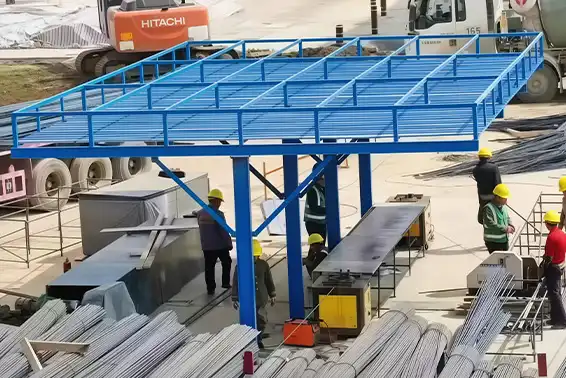
A dedicated Rebar Processing Shed is better than temporary tarps or makeshift shelters because it has a controlled environment that keeps out moisture, UV light, and falling objects. The building has a heavy-duty steel portal frame made from Q235B or Q345B grade structural steel. The columns are spaced out between 3 and 6 meters apart so that heavy machinery like CNC bar benders and automated cutting equipment can fit.
The shed makes a central hub where all of your crew's steel fabrication work is done, like cutting rebar to the right lengths, bending stirrups to match building plans and putting together reinforcement cages ahead of time. This centralization gets rid of the waste that comes from having workstations spread out, cuts down on handling materials twice, and sets up clear safety zones that separate fabrication work from other site traffic.
Key Operational Components
These buildings have a lot of different parts that all work together perfectly. The framework can support overhead gantry cranes with capacities between 3 and 10 tonnes, which makes it easy to move big packages of rebar. Storage racks sort materials by width and grade, which keeps them from getting mixed up and causing damage to the structure. Setting up separate areas for cutting machines, bending machines, and welding stations makes for clear processes that cut down on the time workers spend moving around and moving materials.
Modern sheds are made of modules that are bolted together, which lets you move the whole thing from one part of the project to another. Because they can be used again and again, you can spread the cost of the investment over several sites. Structures that are well taken care of can last up to 20 years by being put together and taken apart many times.
Compliance With International Safety Standards
OSHA rules, EN standards for temporary structures, and ISO safety management protocols all have strict rules that rebar protection sheds must follow. These standards dictate minimum dimensions for worker clearance, ventilation requirements to manage welding fumes, fire-resistant materials for equipment zones, and integrated lightning protection systems with grounding resistance below 4 ohms. When you buy from certified manufacturers, you get proof that their products meet these international standards. This is important proof for safety audits and regulatory inspections.
Benefits of Using Rebar Protection Sheds in Construction
Enhanced Material Durability and Structural Integrity
Steel corrosion is one of the biggest problems that concrete structures have to deal with. The American Concrete Institute released a study that says surface rust on rebar before it is used can weaken the mechanical bond between steel and concrete by up to 30 percent. A weatherproof processing shed eliminates this risk by maintaining dry conditions that prevent oxidation during the critical pre-installation period.
The shed's double-layer roof system—combining protective mesh with rainproof panels—blocks direct exposure to weather while keeping ventilation. This design avoids the condensation buildup that happens in fully enclosed areas, which can be equally damaging in humid conditions.
Improved Operational Efficiency and Productivity
Centralizing rebar operations in a dedicated facility reduces processing time per ton of steel by approximately 25 to 40 percent compared to dispersed workstations. Your crews benefit from optimized equipment placement, quick access to all tools, and removal of weather delays that stop outdoor fabrication. Automated processing lines operate continuously without interruption from rain or intense sun, maintaining consistent production rates that keep your project schedule on track.
The organized environment also reduces searching time for materials and tools. When every item has a designated spot within the shed, workers spend less time looking for the right bar diameter or tool, directly translating to more productive labor hours.
Cost-Effectiveness and Long-Term Financial Benefits
While the upfront investment in a quality Rebar Processing Shed requires budget allocation, the return on investment becomes evident quickly. Material waste reduction alone often justifies the expense—organized cutting processes and precise measurement in controlled conditions minimize off-cuts and rejected pieces. Energy efficiency gains come from keeping expensive equipment from weather damage that would otherwise require frequent fixes or premature replacement.
The modular design's reusability across multiple projects spreads the original cost over numerous building rounds. When you can move the shed three to five times without damaging the structure, the cost of each move is a small part of the initial investment.
Worker Safety and Environmental Protection
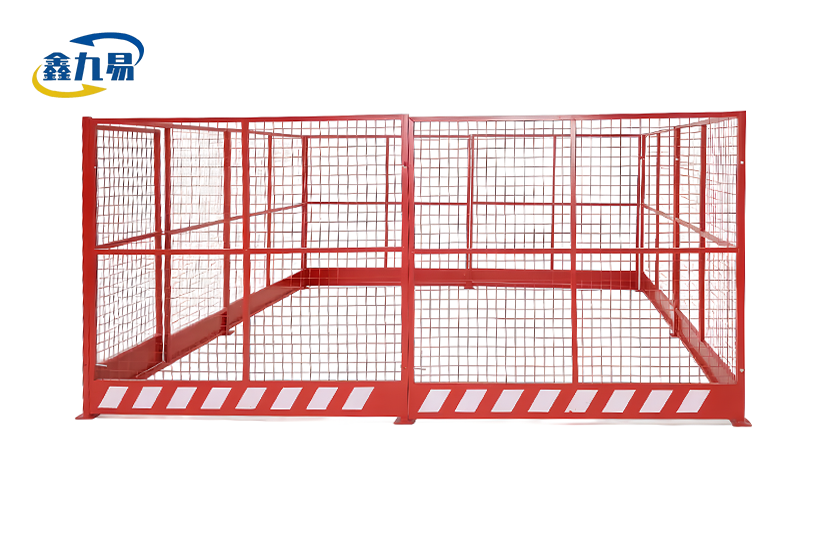
Cutting, bending, and welding should only be done in a clearly marked safety zone. This greatly lowers the risk of accidents. The shed makes a wall so that falling things from general site activities don't hit people or equipment. Standardized warning markings, like red-white or yellow-black safety kick plates with reflective strips, make the high-risk area easy to see and remind everyone on the job site of it.
As an added benefit for the environment, the controlled containment of metal particles and dust produced during cutting activities keeps them from spreading across the site. This containment makes cleanup easier and shows that you care about the environment when governmental agencies check your work.
Key Materials and Components of Rebar Processing Sheds
Premium Steel Framework Construction
The frame elements are the most important part of building a solid rebar processing shed. Hebei Xinjiuyi Construction Technology uses 18# I-beam steel columns that can hold a lot of weight, which is great for big machinery and high cranes. These columns are connected to main beams made of thickened, galvanized, 50 mm x 50 mm tubes with a wall thickness of 2 mm. The 50 mm x 50 mm and 1.5 mm thick side beams keep the structure together, while the 30 mm x 50 mm and 1.5 mm thick purlins hold up the roof.
This stepwise sizing method makes the best use of materials by putting heavier-gauge steel where loads are most likely to be applied and lighter parts where they are needed for secondary structural elements. The end result is a framework that can handle the vibrations from working tools without bowing out, and it stays light enough to be easily moved and set up.
Advanced Surface Treatment Systems
Raw steel can't handle the rough conditions of building sites by itself. Our sheds' surfaces are protected in several steps. The first is hot-dip galvanizing, which adds a zinc layer 60 to 80 micrometers thick. This layer is metallurgically bonded and has base corrosion resistance. This means that rust doesn't form even when scratches on the surface reveal the steel below.
Next, an electrostatic powder covering or high-temperature warning baking paint in bright safety colors is put on the galvanized surface. This second layer makes it easier to see and protects against chemicals like cement dust, lubricants, and other site contaminants. The two-layer method greatly increases the service life compared to single-treatment options, especially near the coast where salt spray speeds up rust.
Roofing and Cladding Materials
The protective shell of the shed is made of color steel plates that are fire-resistant and meet A-grade fire rating standards. These plates are both light and resistant to pressure, so they protect against tools and building materials falling off. The corrugated profile makes the structure strong and lets water flow quickly when it rains a lot.
The design of the roof for the Construction Rebar Protection Shed includes ventilation panels that keep the inside cool in the summer and protect against the weather. This mix of weather protection and movement keeps the workplace livable and stops moisture buildup, which would defeat the purpose of corrosion protection.
Critical Equipment and Supplier Credentials
Procurement managers should check a few key credentials of Rebar Processing Shed suppliers before choosing one. ISO 9001 certification shows that quality management systems have been in place for a long time and that consistent manufacturing standards are met. The ISO 45001 certification shows that the company follows health and safety rules for workers in their own operations. This is a good sign that they know what safety standards their products need to meet.
When there are tight dates for big projects, manufacturing ability is very important. Facilities with advanced tools and well-established supply chain systems can deliver standard configurations within 7 days of receiving an order confirmation. On-site assembly may take an extra 3 to 5 days, depending on how ready the foundation is.
Installation, Maintenance, and Operational Guidelines
Site Preparation and Foundation Requirements
Preparing the ground correctly is the first step to a successful installation. As well as supporting the weight of the columns, the foundation must also provide a level area that can hold the weight of the materials and tools. In most installs, reinforced concrete pad footings are poured into the ground at each column site to meet the needs of the local soil and the loads that will be put on them.
When planning the details of a site, it's important to think about how delivery trucks will get there, where parts will be laid out while they're being put together, and where the crane will go if it's needed for bigger beam installations. Coordinating these things before the shed parts come avoids costly delays and makes sure that the building process goes smoothly.
Assembly Sequence and Timeline
When compared to welded constructions, the bolt-together flexible form makes assembly easier. First, the crews put in place the footings by placing base plates and anchor bolts. Next, the columns and primary beams are put in place. After that come secondary structural parts. The weather cover is finished off with roof purlins and cladding. To make sure lightning protection works right, electrical grounding systems are built in during assembly.
Our technical support team gives clear instructions on how to put things together to make sure the bolts are tightened correctly and the structure stays together. These instructions are especially helpful for crews putting together their first shed because they cut down on the learning curve and stop common mistakes that happen during installation.
Routine Maintenance and Inspection Protocols
Systematic maintenance is needed to make the 20-year service life possible. Visual checks should be done once a month to look for damage to the covering, loose bolts, and structural warping. Any damage to the coating should be fixed right away with a paint system that works with it so that corrosion doesn't start. Bolt joints need to be retightened from time to time, especially after the first few weeks of use, when they settle down.
Qualified structural engineers do full checks once a year to make sure the load-bearing capacity is still good and to find any wear problems before they get too bad. This proactive approach keeps the safe working environment your crews depend on and stops failures that come up out of the blue.
Safety Protocols and Regulatory Compliance
Safety rules must be followed to the letter when working in a rebar processing shed. Everyone who works in the building has to go through training on how to use the tools, how to handle materials safely, and how to respond to emergencies. As part of the equipment zones, workers must wear hard hats, safety glasses, steel-toed boots, and hearing protection.
Because cutting torches and welding equipment are present, fire safety measures are very important. Fire extinguishers that can put out both metal and electrical fires must be put in clear, marked areas. Emergency exits need to be kept clear so that repair workers can see the exit signs.
Choosing the Right Rebar Protection Shed for Your Project
Assessing Project-Specific Requirements
Before you make a choice, you should carefully look over what the job needs. Figure out the required footprint by figuring out how much rebar needs to be processed each day. Facilities that are too small cause delays in the building process, while structures that are too big raise costs without providing any benefits. Think about the biggest pieces of tools you'll be installing to make sure you have enough space.
Depending on how long the project lasts, you may need fixed foundation systems or temporary setups that can be moved. For projects that last more than one year, it may be worth it to add features that wouldn't be cost-effective for shorter projects, like office space that is integrated into the building or advanced material handling systems.
Prefabricated Versus Custom-Built Solutions
Standardized prefabricated designs have the benefits of being cheaper, easier to get, and using tried-and-true engineering. Standard designs at Xinjiuyi, which range in length from 6,000 mm to 9,000 mm and in width from 4,000 mm to 6,000 mm, can meet most building site needs. The 3,700 mm height gives plenty of room to move things around and use equipment.
When site constraints force unusual size needs or when special features are needed, custom-built options are the only way to go. Coastal building projects might need better anti-corrosion paint systems in the C4 or C5-M categories to protect against salt spray damage. When projects need to move a lot of big things, they might ask for crane-load columns with corbels and rail beams that can support 10-ton systems.
Comprehensive Supplier Evaluation Criteria
In addition to product specifications, the way you evaluate a supplier should look at a number of important skills. How quickly you get help when you have questions during installation or use is determined by the after-sales support. Warranty coverage protects you financially against problems with the materials or the work that was done on them. Reputable makers offer full terms that show they are confident in their goods.
Logistics speed has a big effect on how long a job takes to finish. Your shed will arrive on time if you buy from suppliers who have established international shipping partnerships and experience with customs paperwork. Dependability in the global supply chain is becoming more and more important. Manufacturers who have access to a variety of raw materials and backup production capacity can keep their delivery promises even when competitors' supply chains are interrupted.
Conclusion
Construction Rebar Processing Sheds are a smart investment that pays off in a number of ways, including protecting materials, making operations more efficient, keeping workers safe, and following the rules. The engineered structure keeps the expensive steel reinforcement from rusting and sets up organized work areas that make the whole process more efficient. When you buy a shed from a certified maker that meets all of your needs, you're setting yourself up for years of reliable service on a variety of jobs. When you combine long-lasting materials, careful planning, and expert construction, you get infrastructure that backs up your commitment to safety excellence and project success.
FAQ
Can I relocate the shed between different construction sites?
The flexible, bolt-together design makes it easy to move from one part of the project to the next. Structures that are properly maintained can be moved three to five times without experiencing structural fatigue, as long as the manufacturer's instructions are followed when taking them apart and putting them back together. This ability to be used again and again greatly increases the return on investment by dividing the initial cost among many projects.
How does the shed perform in extreme weather conditions?
Engineered Rebar Processing Sheds can stand up to strong winds like those in 10–12 grade typhoons and snow loads of more than 0.5 kilonewtons per square meter. The structure is built to withstand changing loads caused by weather, and the hot-dip galvanized coating and powder finish keep corrosion from speeding up in places with a lot of moisture. Better anti-corrosion methods are good for sites near the coast.
What customization options address unique project requirements?
The most common type of customization is dimension flexibility, which lets the length, width, and height be changed to fit different equipment sizes and working volumes. Better features include built-in overhead platform cranes, better fire-resistant walls, unique ventilation arrangements, and personalized safety markings that match company branding or local law needs.
Partner With Xinjiuyi for Your Rebar Processing Shed Needs
Hebei Xinjiuyi Construction Technology makes enterprise-grade steel fabrication security systems that are designed to meet the needs of the world's most difficult building projects. Our Rebar Processing Shed options include 18# I-beam construction, galvanized frameworks that are thicker, and advanced surface treatments that can stand up to the roughest site conditions. We are a manufacturer that is certified by ISO 9001, ISO 45001, and ISO 14001, so we follow the quality and environmental standards that top building companies around the world expect.
We understand that each project has its own problems that need custom solutions. Our engineering team works directly with procurement managers and site leaders to create shed layouts that make the best use of your space and processes. Whether you need a normal 6-meter by 9-meter layout or a unique solution with built-in crane systems for high-volume operations, Xinjiuyi can create something that is precisely made to your needs.
Contact our team at global@xjy8.com right away to talk about your project needs with Rebar Processing Shed experts. We offer full support, from the initial design consultation to coordinating delivery and providing on-site installation guidance. This way, we can make sure that your investment gets the most value over its 20-year lifetime.
References
1. American Concrete Institute. (2019). Guide to Durable Concrete: ACI 201.2R-16. Farmington Hills: ACI Publications.
2. International Organization for Standardization. (2021). ISO 9001:2015 Quality Management Systems—Requirements. Geneva: ISO Press.
3. National Institute for Occupational Safety and Health. (2020). Construction Safety and Health Standards Digest. Washington: NIOSH Publications.
4. Occupational Safety and Health Administration. (2018). OSHA Construction Industry Standards: 29 CFR Part 1926. Washington: U.S. Department of Labor.
5. Steel Construction Institute. (2020). Design Guide for Temporary Works Structures in Construction. Berkshire: SCI Technical Publications.
6. Zhang, H., Liu, M., & Wang, J. (2022). Corrosion Prevention in Reinforced Concrete Structures: Materials and Methods. Journal of Construction Engineering and Management, 148(4), 112-125.