304 vs. 316 Stainless Steel Trench Drain Grate: Which One Should You Choose?
You have to be careful when choosing a stainless steel trench drain grate for your project, as the wrong one could rust quickly, cause the project to be delayed, or need to be replaced on-site at a high cost. In short, Grade 304 is good for most draining jobs in businesses and cities. On the other hand, Grade 316 is better when there is chloride contact, salt spray from the coast, or harsh cleaning chemicals. Neither grade is weak or wrong when it comes to size and weight, but where each does best in the long run depends on the chemicals that make them up.


Understanding 304 and 316 Stainless Steel Trench Drain Grates
You should know what the differences are between the two grades before you put them next to each other. They are both austenitic stainless steels, but the metals that make them work in different ways.
Chemical Composition: What Makes Them Different?
About 18% of Grade 304 is chrome, and about 8% is nickel. 2–3% molybdenum is added to that base to make Grade 316. Adding molybdenum makes it much less likely to pit because of chloride, which is a common way for things to break near the coast or in areas with acidic drainage. According to ASTM A240, these two kinds are the ones that are most often used for sewage parts in homes and businesses.
Corrosion Resistance: Where Each Grade Stands?
Most of the time, 304 forms a thick layer of chromium oxide that doesn't rust. But this layer might come off over time in places that are near salt water, pool chemicals, or cleaners used in factories. Because 316 has a lot of molybdenum, it doesn't passivate. This is why this grade is best for chemical plants, food processing plants, and coastal public areas.
Load-Bearing and Structural Properties
As per ASTM standards, the tensile strengths of 316 and 304 are about the same. 316 has a strength of 485 MPa and 304 has a strength of at least 515 MPa. Either grade (A15 through C250) of EN 1433 trench grate can meet structural needs as long as the shape of the grate and the space between the bars are planned correctly. When the rated loads are put on Xinjiuyi's grates, they sit level and don't bend because they are cut with a range of ±0.5 mm.

Key Factors to Consider When Choosing Between 304 and 316 Grates
Things should be picked out based on the page, no matter what it looks like. When you buy from a business to business, you always base this choice on a few things.
When procurement engineers hire someone, these are the main things they look at:
- Exposure to the environment: 316 is needed for sites that are less than 1 km from the ocean or that use cleaning products that are chlorine or acidic. 304 works well for general city sidewalks, parking structures and drainage in homes.
- Compliance with regulations: Facilities that work with food and drugs often need 316 to meet NSF/ANSI 51 or similar cleanliness standards. In the U.S., municipal projects can check the load class against ASTM A778 or EN 1433.
- Total cost of ownership: 316 costs more up front, but in corrosive environments it lasts much longer and doesn't need to be replaced as often. This difference is more important than the initial price over a 20-year service life.
For places that are less than 1 km from the ocean or clean with acids or chlorine-based products, 316 is needed for a stainless steel trench drain grate. The 304 number works well for city streets, parking garages, and drains in homes.
Budget Alignment Without Cutting Corners
Buying 316 when 304 will do will be a waste of money. It's risky to say 304 when you should say 316. The most important thing is to make sure the grade is right for the job. Based on that, talk about the total price. You can get both grades at Xinjiuyi. If you ask, you can also get the paperwork and certificates for the EN 1433 load class.
Standards Alignment for Cross-Border Projects
When wholesalers work on projects in both the US and Europe, they can make sure that the materials they need meet both ASTM and EN standards. Our production team can help you with paperwork for dual licensing. This makes it easy for clients to tell us what they need.

Installation, Maintenance, and Longevity: Practical Insights
There is a linear drainage grate that will last as long as it was put in well. Most of the time, setting up 304 and 316 grates is the same. However, in harsher environments, they need different care.
Installation Best Practices
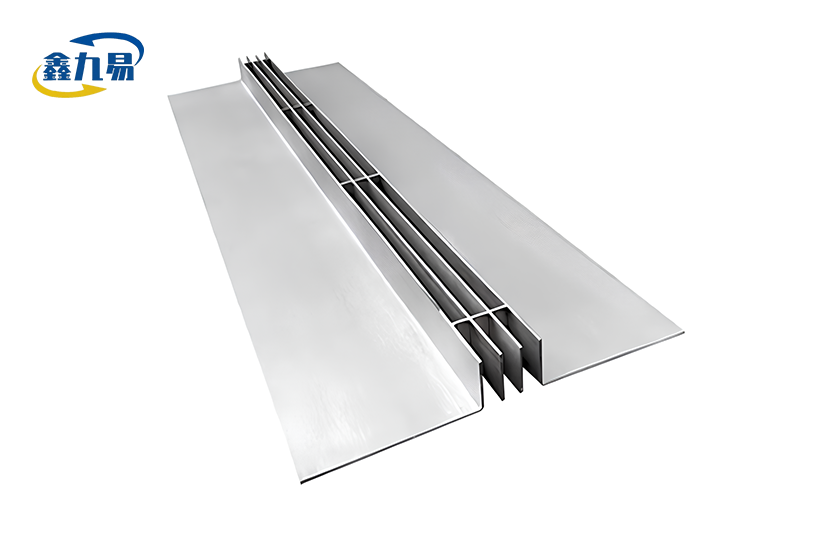
This should be done to check the channel body against the space between the grate bars, but not when the channel is being shipped. When Xinjiuyi ships a grate, it is already matched to its channel body. You can't mix up the end caps and entry points because they come in the same clearly marked package. This keeps things moving quickly on-site.
Maintenance Intervals by Grade
304 grates only need to be rinsed every so often and checked once a year in places where chlorine levels are low. 316 grates still need to be cleaned when they are near chemicals or water, but they don't need to be deep-cleaned as often. Both types of skin don't have pores, so germs can't stick to them. If you work in a hospital or food service, this is important for draining.
Real-World Longevity Data
More than 95% of the tensile strength of 316 stainless steel was still there after 10 years of being buried in fake seawater. Only 82% of the strength of 304 stainless steel was still there. In 2019, the study came out in the journal Corrosion Science. This space is important as long as the stainless steel trench drain grate drainage parts are made to last at least 20 years.
Comparing 304 and 316 Grates with Other Drainage Materials
It is possible to remove with plastic, cast iron, aluminium, or steel that has been coated. Stainless steel is the only one that doesn't rust or break.
Plastic channel grates are cheaper at first, but they break down when they are exposed to UV light or heavy loads. Cast iron can hold a lot of weight, but it rusts quickly when it gets wet or is near salt, so it needs coats that wear off over time. Alum can pit if you live near water. It's also lighter than steel, but 316 is better at resisting salt.
No matter if they are made of 304 or 316 stainless steel, grates are unique in the properties they offer. These qualities include being strong, not rusting, having a clean surface, and being able to be recycled completely when they're no longer needed. Business-to-business buyers who need drainage parts for projects that will last more than a year should always buy stainless steel, even though it costs more to buy.
Procurement Strategies and Trusted Suppliers for Stainless Steel Trench Drain Grates
To do good sourcing, you need to do more than just look through a catalogue to find a maker. For project owners and inspectors to be happy, the seller should be able to send complete drainage systems with grate bodies, channel sections, end caps, and access points that match.
What to Verify Before Placing an Order?
You should ask for load test reports for the EN 1433 class that you want along with material test certificates (MTCs) that are in line with EN 10204 3.1 or ASTM A240. Check to see if the supplier sends complete drainage system kits with well-marked parts. There are a lot of problems that can happen when you buy something across borders because packages often come broken or mixed up.
Customization Capabilities That Matter
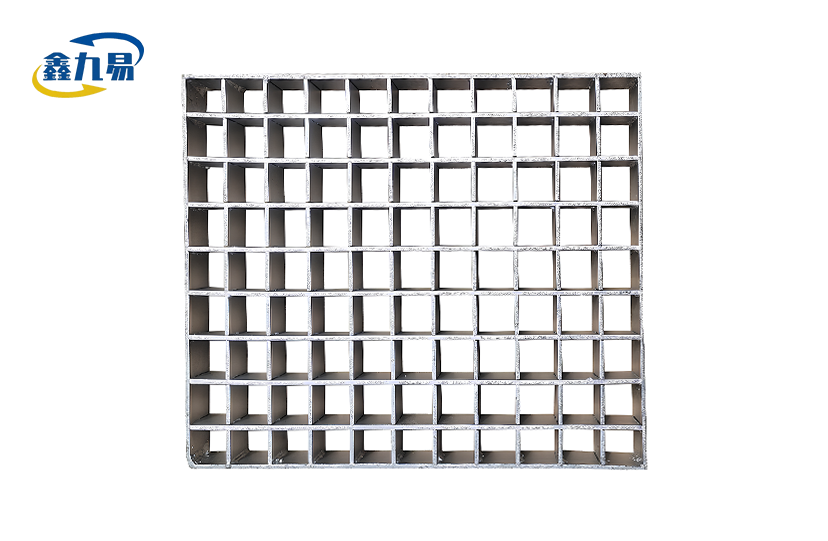
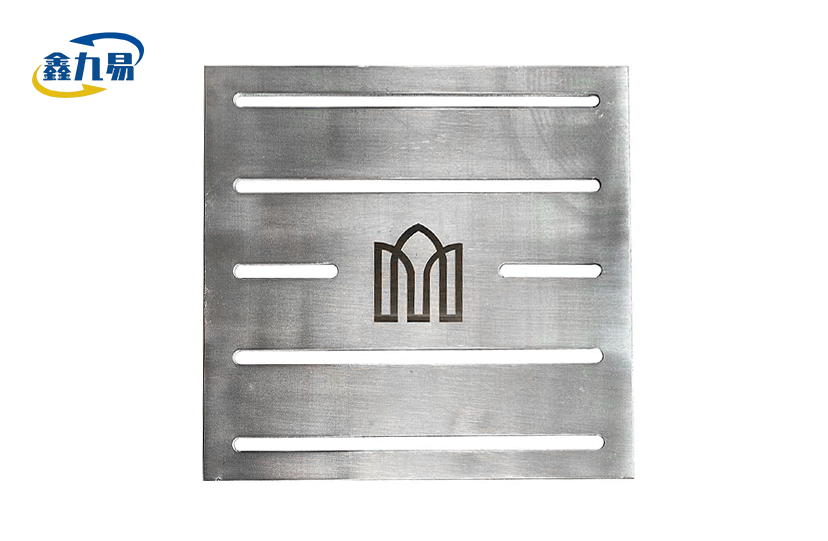
Long pieces of 100, 150, 200, or 300 mm can be used for most jobs. Landscape and hospitality projects, on the other hand, often need cross-sections that aren't straight, laser-etched surface designs, or channels that are curved. These shapes can be made by a manufacturer who knows how to use CNC laser cutting instead of traditional stamping. The sizes will still be accurate.
Evaluating Supplier Reliability for Bulk Orders
They should have standard sizes in stock and be able to tell you how long it will take to make a custom order. If you order 40HQ containers, you should write down how long it will really take from when the order is approved to when the containers leave FOB. You can get prices from Xinjiuyi either FOB or CIF, and all of its paperwork is easy to understand. For example, the packing lists match the project bill of materials.
Conclusion
For your stainless steel trench drain grate job, you can pick between 304 and 316 depending on what the grates will be used for and where they will be put. Most places of work, home, and public life should choose 304. When chloride, salt, or chemicals are present at work, the right specification to use is 316. Both types work best when bought as part of a drainage system that fits perfectly and has all the paperwork it needs. This choice made during the design phase will help save time, money, and trouble during the job.
FAQ
Is 304 stainless steel enough for projects that handle drainage along the coast?
In most cases, no. When 304 surfaces are close to salt water, the quantity of chloride makes pitting corrosion happen faster. Grade 316 is the standard for drainage systems near the coast, the ocean, or swimming pools where long-term resistance to corrosion is needed.
How often should you clean trench grates made of stainless steel?
In most industrial settings, 304 grates only need to be rinsed down once a month and inspected every three months. When working with chemicals or food, it's best to clean more often with approved products. Even in harsh conditions, 316 grates still need to be cleaned regularly, but they can handle longer gaps between cleanings.
Can forklifts go through these grates?
It is possible as long as the grate meets the requirements of EN 1433 Class C250 (25-tonne loading) or higher and has a strong support frame that matches the channel body. Before placing an order, you should always write down the load class.
What kind of paperwork should I ask a source for?
To name a few: material test certificates (MTC) according to ASTM A240 or EN 10204 3.1, a static load test report according to EN 1433, records of dimensional inspections, and a full packing list that matches the parts of the project.
Are custom slot widths possible for heel-safe needs?
Yes. The ADA and EN both say that slots with a width of less than 8 mm are heel-safe for areas where people walk. With CNC laser cutting, you can precisely control the open-area ratios to find the right balance between safety and hydraulic capacity.
Partner with Xinjiuyi for Your Next Drainage Project
Full sewage systems are sold by Xinjiuyi. These systems include grates, tube bodies, end caps, and entry points. These are sold in labeled sets that fit together properly and come with all the information you need to load them. When you need a dependable source for stainless steel trench drain grate for a 40HQ container order or a personalized drainage plan for your yard, our team gets back to you quickly and ships on time. You can get samples, load test results, or a price right away by emailing us at global@xjy8.com or visiting xjy8.com.
References
1. ASTM International. ASTM A240/A240M: Standard Specification for Chromium and Chromium-Nickel Stainless Steel Plate, Sheet, and Strip for Pressure Vessels and for General Applications. ASTM International, 2023.
2. European Committee for Standardization. EN 1433: Drainage Channels for Vehicular and Pedestrian Areas. CEN, 2002 (revised 2020).
3. Sedriks, A. J. Corrosion of Stainless Steels. 2nd ed. John Wiley & Sons, 1996.
4. Outokumpu Stainless. Corrosion Handbook: Stainless Steel Grades 304 and 316. Outokumpu, 2021.
5. Shreir, L. L., R. A. Jarman, and G. T. Burstein, eds. Corrosion: Metal/Environment Reactions. 3rd ed. Butterworth-Heinemann, 1994.
6. Baddoo, N. R. "Stainless Steel in Construction: A Review of Research, Applications and Challenges." Journal of Constructional Steel Research, vol. 64, no. 11, 2008, pp. 1199–1206.