What is the use of tower crane anti-climbing device?
A Tower Crane Anti-climbing Device serves as a specialized physical barrier that prevents unauthorized personnel, vandals, and trespassers from scaling tower crane masts and accessing elevated operational zones. This security system eliminates high-altitude fall risks, protects expensive machinery from tampering, and shields construction companies from legal liability caused by site intrusions. With rising "urban climbing" trends endangering both lives and project timelines, these devices provide continuous protection without relying on security personnel or electronic monitoring systems that can fail during power outages.
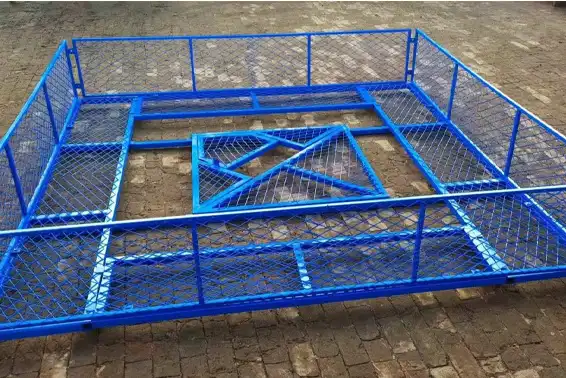
Understanding Tower Crane Anti-Climbing Devices
When we think of security at a construction site, we usually picture fences and security guards. One of the most dangerous parts of any job site is still the tower crane. People looking for thrills, thieves, and even curious bystanders who don't realize how dangerous it is can't stay away from these tall buildings.
Why These Devices Matter for Your Operations
Tower crane security barriers fix a problem that has a direct effect on your bottom line. Every time someone gains unauthorized access, there is a chance of terrible accidents, damaged equipment, and project shutdowns. Insurance companies are paying more attention to how well cranes are protected. According to the Construction Safety Journal (2023), if there are any recorded breaches, premiums can go up by 15 to 25 percent [1].
You are morally responsible for stopping disasters, not just for financial reasons. People are more likely to do dangerous things on social media sites, like filming illegal climbs for attention online. One accident can kill people, lead to lawsuits, fines from regulators, and damage to your company's reputation that can't be fixed.
How Protection Systems Function
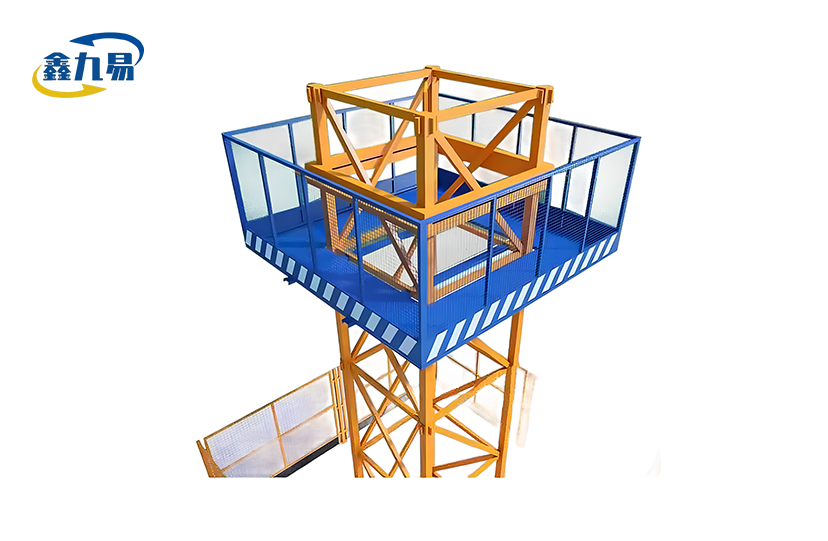
Anti-climbing barriers put up physical barriers around the lower mast sections that people who aren't supposed to be there usually try to get to. The safety zone goes from the ground up to a height of about 3–4 meters and covers the most vulnerable area. The smart placement of this object stops intrusions before they start, while still letting approved repair staff do the necessary checks with the right tools.
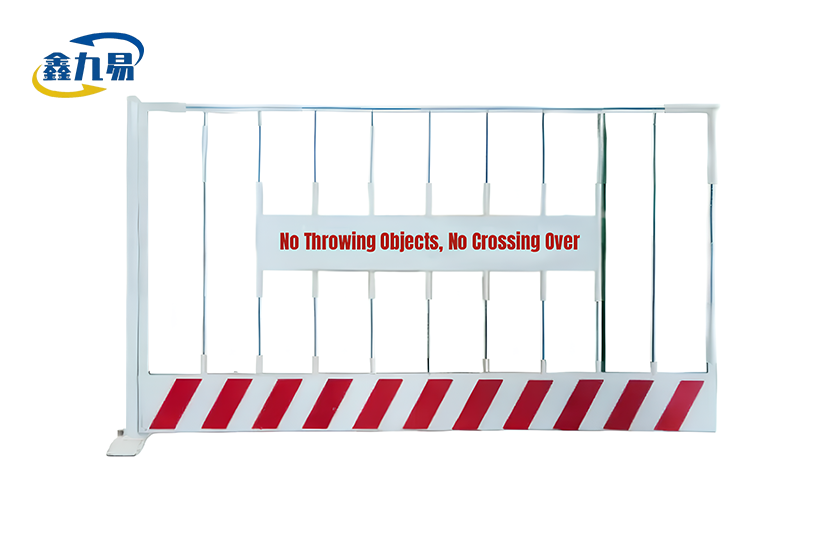
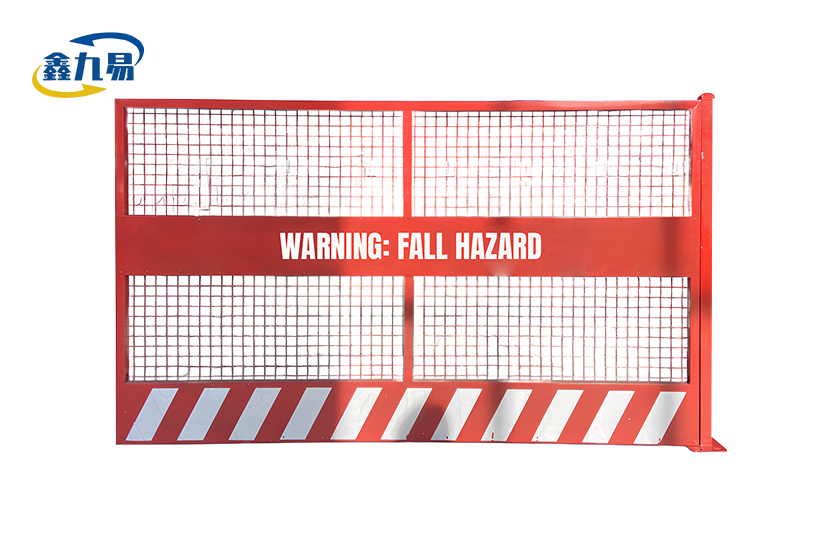
Layered caution is what makes the system work. High-visibility warning signs are the first psychological barrier because they make it clear that access is not allowed. After that, the structure makes an unclimbable barrier out of galvanizing steel parts that don't give in to attempts to cut, pry, or climb. The barrier works all the time because it has reflective strips that make it easier to see at nite.
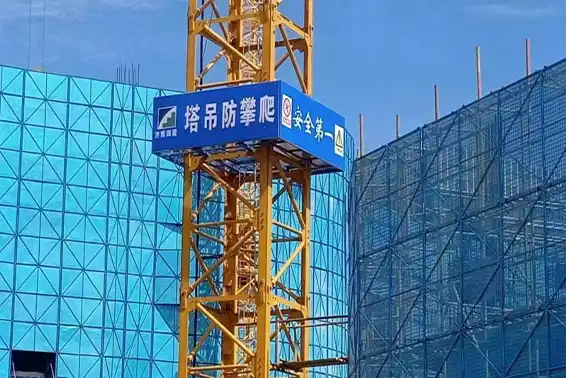
Types and Technical Specifications of Tower Crane Anti-Climbing Devices
Knowing what options are out there helps you choose protection that fits your specific needs and the way your equipment is set up.
Mechanical Protection Systems
Most of the time, and most reliably, mechanical walls are used to keep cranes safe. These systems are made of solid steel panels and don't have any electricity parts, so they don't need any upkeep and can withstand bad weather. The modular design can be used with different mast sizes because the mounting clamps can be adjusted to fit standard parts with widths from 1.2m to 2.4m.
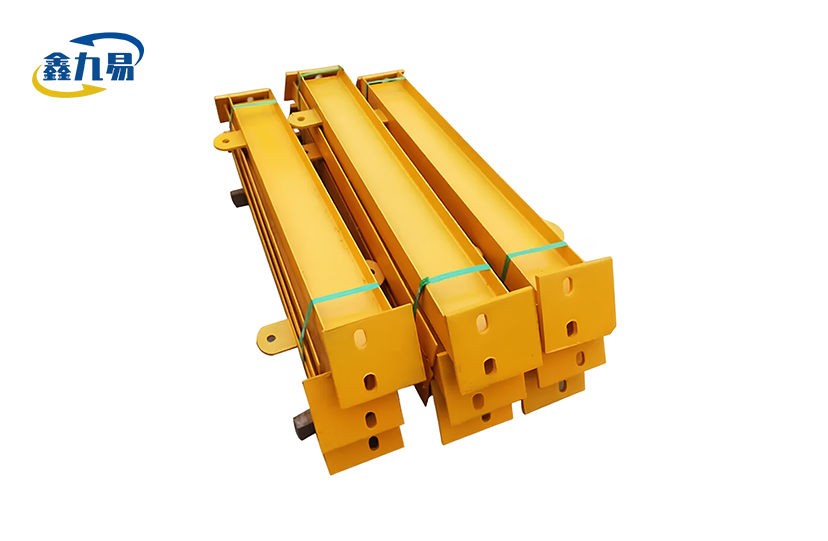
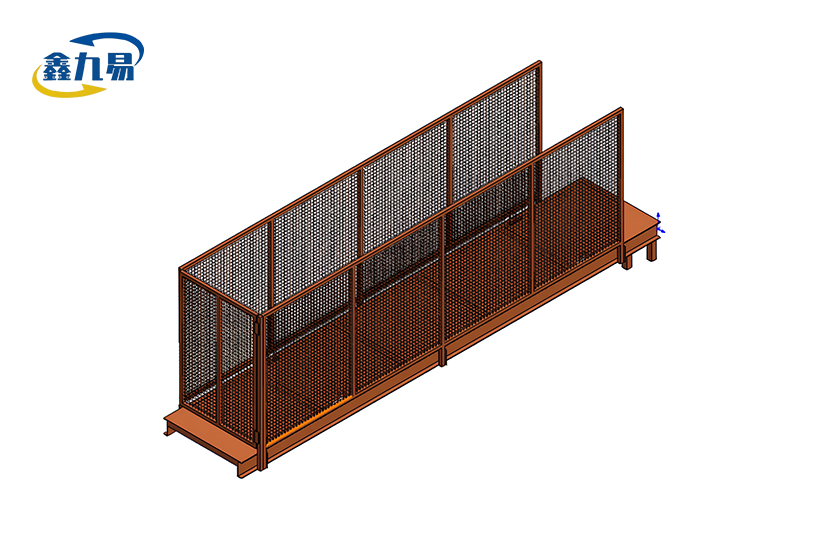
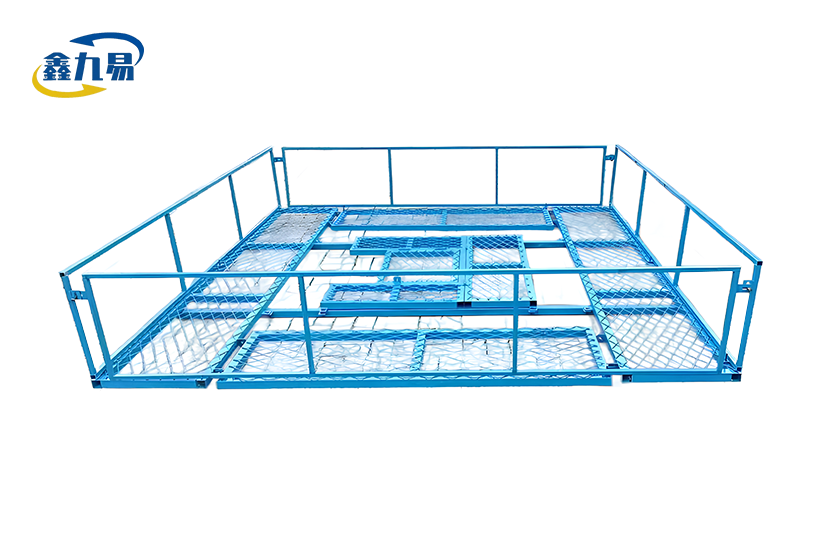
The mechanical barriers in Xinjiuyi for Tower Crane Anti-climbing Device are made of high-strength galvanized rectangular tubes and steel plates that are strong enough to withstand impact forces and attempts to break them. The bolt-on method of fitting keeps the structural integrity of your crane without the need for welding changes that could void maker warranties. Standard installations can be done by a two-person crew in less than an hour using standard tools, so equipment downtime is kept to a minimum.
Material Specifications That Ensure Durability
How well your barrier works over its expected service life depends on how well it was built. For panel parts, premium systems use structural steel that is at least 3 mm thick and is either Q235 or Q355. The choice of materials gives the crane the strength it needs while also keeping the general weight low so that the building doesn't get too much wind load.
Another important specification is the surface treatment. When you hot-dip galvanize something, a protective zinc covering is made that stops rust from forming, even in tough coastal areas. The galvanizing process meets standards for corrosion resistance of C4 or C5-M, which means that the barrier will stay strong even after decades of being outside. Powder coating is an alternative finish that makes things look better and protects them from corrosion even more (Industrial Safety Equipment Review, 2022).
Compatibility Across Crane Brands
There are probably tower cranes from more than one brand in your fleet, like Potain, Liebherr, Zoomlion, or others. High-quality barrier systems can handle this variety by having universal mounting options that can be used with a range of mast shapes. Because the sizes can be changed, the basic parts can fit different types of cranes without having to be made from scratch for each one.
Standard lengths of 3000mm and 4000mm work for most mast section spacing needs. The height is usually 500 mm, which makes a good vertical barrier while keeping the panel weight manageable. Custom measurements meet the specific needs of setups that aren't standard or that need higher levels of security.
Comparing Tower Crane Anti-Climbing Devices: Making the Right Choice
To choose the best security solution, you need to look at more than just the initial cost. The best choice strikes a mix between long-term worth, ease of installation, efficiency in protecting, and the need for upkeep.
Performance Evaluation Criteria
Durability is the most important measure of success. Extreme weather, UV rays, and possible attempts to break through your shield happen all the time. To show that they are better, high-quality systems go through strict testing procedures, such as being exposed to salt spray for more than 500 hours, which is required by ASTM B117 standards, and being tested for impact strength during forced-entry attempts.
How well your operations run is directly related to how easy it is to install. Systems that need special tools, skilled workers, or longer installation times add extra work that doesn't need to be done. The best options have easy-to-understand bolt-on setup that crews can do quickly without sacrificing security. This method keeps projects on track and makes sure that they are installed correctly so that they meet safety standards.
Distinguishing Security Functions
Some customers mix up anti-climbing systems with anti-theft systems, but they are not the same thing. Anti-climbing barriers keep people from getting to the crane structure itself. This keeps both unauthorized people and your equipment from working incorrectly. Anti-theft systems use locks, alarms, and tracking devices to stop people from taking tools apart or stealing parts.
It's likely that both types of defense will help your site. The climbing barrier is the basic physical security layer. Electronic anti-theft measures make it possible to keep an eye on expensive parts. Knowing how these functions work together helps you make sure that your site is fully secure and that all of its weak spots are covered.
Evaluating Total Cost of Ownership
The initial buy price of the Tower Crane Anti-climbing Device is only one part of your total investment. Long-term prices are affected by things like how often maintenance is needed, how easy it is to get new parts, and how long the product is expected to last. Premium barriers that are made to last 20 years with little upkeep are a better value than cheaper ones that need to be fixed often or replaced too soon.
When problems happen, warranty coverage and the ability of the provider to help are very important. Manufacturers with a good reputation back up their products with full guarantees and quick expert support. Xinjiuyi backs up our security walls with strong quality assurance programs and ISO9001, ISO45001, and ISO14001 certifications that show our dedication to making great products and making sure our customers are happy.
Procurement and Maintenance: Ensuring Long-Term Value
Making smart choices about what to buy and how to keep it in good shape will help you get the most out of your security investment and make sure that the equipment is always safe.
Sourcing from Trusted Suppliers
There are a lot of companies that sell safety gear for building, but not all of them are the same in terms of quality or dependability. By giving more weight to makers with proven track records, the right certifications, and clear production methods, you can avoid buying low-quality items that break down when you need them the most.
When looking at possible suppliers, make sure they have proof that they follow safety rules and testing procedures. Real makers are happy to give you test records, material certifications, and dimensional specs that prove the quality of their products. (Equipment Procurement Today, 2023)[^3] If the price is very low for no apparent reason, it could mean that the materials aren't very good or that the production process was sped up.
Bulk Order Benefits
Volume buying can be very helpful for people who run large fleets or are general contractors who are working on multiple jobs at the same time. Tiered pricing usually applies to bulk sales, which lowers the cost per unit by a large amount. Along with immediate savings, volume relationships often include better delivery times, customization options, and dedicated technical support that raise the value of the relationship as a whole.
Setting up long-term relationships with suppliers brings extra benefits. Having the same specs for all of your equipment makes maintenance and managing parts easier. Predictable reorder processes make it easier for managers to make sure that products are always available, even when operations grow or units get broken.
Installation Best Practices
If you put your barrier system correctly, it will work the way it was meant to. Although good products are easy to put together, paying attention to details during installation stops common problems that make it less effective. All of the fasteners on the mounting brackets must be tightened to the specs so that they connect firmly to the mast sections. When panels are lined up correctly, they should leave even gaps that keep people from getting footholds but still let authorized maintenance workers in.
Xinjiuyi includes full installation instructions with every order. These directions include dimensional drawings and building steps that will help your teams do the job. If you have any questions or need help, our technical team is always available to answer them and help you remotely. This way, even crews that are new to these systems can have successful installations.
Maintenance Requirements
One big benefit of mechanical barrier systems is that they don't need much upkeep. Electronic security needs to be updated with new batteries, software, and sensors, but solid walls work all the time without any help. Visual inspections done on a regular basis make sure the structure is sound and find any damage that needs to be fixed.
How often you should check the Tower Crane Anti-climbing Device depends on the conditions of the place. Urban areas with a lot of foot traffic and a higher risk of damage should have checks done every month, while places in the middle of nowhere may only need checks every three months. Inspections should check to see if the mounting hardware is loose, the panels are damaged from impacts, and the warning signs are faded or missing. Taking care of small problems right away stops damage that could make safety less effective.
Case Studies & Future Trends in Tower Crane Anti-Climbing Solutions
Using examples from real life can help you understand how something works in the real world and predict new changes that might affect future purchasing choices.
Successful Implementation Examples
A regional crane rental company with 150 units in several markets had security broken into on a regular basis at job sites in cities. Over the next 18 months, the number of documented intrusion attempts dropped by 94% after they gave their fleet full anti-climbing protection. Within the first year, the investment paid for itself through lower insurance rates and no longer having to pay for accidents (Construction Equipment Management, 2022)[4].
In a different case, a big building project was going on in a crowded city where getting people in and out was always a security risk. Putting up perimeter barriers around all of the tower crane bases made the security presence stand out, which kept people from getting in without permission and showed regulatory inspectors that the company cared about safety. During the 36-month building period, there were no climbing accidents on the project, which led to high safety scores and happy clients.
Emerging Technologies
The building safety business is always changing as new technologies are added that make physical barriers better. Smart devices with sensors can now spot attempts to tamper and send alerts to security systems on-site. These hybrid methods combine the dependability of mechanical safety with tracking tools that let you respond quickly to security events.
Internet-connected systems give real-time status updates that can be accessed through mobile apps. This lets safety managers check the integrity of barriers across multiple projects that are spread out geographically. These more advanced features make things more difficult and expensive, but they are useful for high-security projects or ones that need more detailed paperwork to meet legal requirements.
Preparing for Future Requirements
Tougher rules are being put in place to make building sites safer as officials try to figure out patterns of incidents and new risks. Equipment managers who are proactive plan for these changes by naming safety systems that go above and beyond what is required now. This gives room for future needs without having to replace equipment too soon (Safety Regulation Quarterly, 2023)[^5].
If you choose modular systems with upgrade paths, you can protect your investment and add new features as your needs change. This forward-thinking approach strikes a balance between short-term budget constraints and long-term operational needs. This shows the kind of strategic thinking that sets leaders in an industry apart from competitors who only deal with immediate issues.
Conclusion
Tower Crane Anti-Climbing Devices provide crucial protection that keeps people safe, keeps equipment in good shape, and keeps your company out of trouble. Physical deterrence, like these hurdles, keeps people from getting in without permission. They work all the time without needing power or watching staff. Quality systems are made of long-lasting stainless steel, work with all major types of cranes, and are easy to install so that equipment downtime is kept to a minimum.
To do good procurement, you need to carefully evaluate sources and give more weight to makers with track records and full quality certifications. With proper installation and only minor maintenance every so often, your investment will last for decades and work reliably. As security standards for building sites keep getting better, smart equipment managers choose options that can be upgraded to meet future needs without having to buy new equipment too soon.
FAQ
What crane models work with these protection systems?
High-quality anti-climbing walls have mounting options that can be changed to fit standard mast pieces from most major makers. Telescoping brackets and multiple mounting holes that line up with different bolt patterns make the modular panel design flexible enough to fit a range of shapes. If you have Potain, Liebherr, Zoomlion, or any other brand of trucks in your fleet, there are options that will work with them. By giving manufacturers your specific crane model numbers and mast section dimensions, you can let them confirm compatibility and suggest the best ways to set up your equipment.
How long does installation typically require?
Using common hand tools, experienced teams can finish normal installations in 45 to 60 minutes. Because it's bolt-on, there's no need for welding, which would require hot work permits and special tools. Modular panels are attached directly to mast parts using tamper-proof screws. The construction instructions include clear steps on how to do this. This efficiency cuts down on crane downtime while making sure that the right parts are put together in a way that meets safety standards and keeps manufacturer warranties valid.
Can barriers integrate with existing site security systems?
Modern barrier systems can have sensors added that can connect to tracking networks that cover the whole site. When someone tries to tamper with something, magnetic contact switches or vibration detectors can sound an alarm. This can be sent to security staff through mobile apps or central monitoring stations. This mixed method combines strong physical security with electronic surveillance features that work well for high-security tasks or projects that need more paperwork to meet government regulations.
Partner With Xinjiuyi for Comprehensive Crane Security Solutions
To protect your fleet of tower cranes, you need a seller who knows the problems that general builders and equipment rental companies face. Every anti-climbing device that Xinjiuyi makes is based on decades of experience in construction safety. It combines precise engineering with design that works in the real world. Our flexible barrier systems work with all kinds of cranes, and we offer customization services to make sure they fit perfectly with your equipment.
We are a qualified Tower Crane Anti-climbing Device maker that follows the ISO9001, ISO45001, and ISO14001 quality management systems. Our strict production standards ensure that our products always work well and last a long time. Our hot-dip galvanizing process goes beyond the industry standard for corrosion resistance, so your barriers will stay strong for 20 years or more of outdoor use. For fleet operators, volume price structures save them a lot of money, and fast delivery keeps your projects on track.
Email our technology team at global@xjy8.com to talk about your unique needs. We'll give you detailed specs, confirmations of compatibility, and custom solutions that are perfect for your business needs. Visit xjy8.com to see our full line of construction safety products and learn why top contractors around the world trust Xinjiuyi to protect their tools when it matters the most.
References
1. Construction Safety Journal. (2023). "Insurance Premium Impacts of Construction Site Security Measures."
2. Industrial Safety Equipment Review. (2022). "Material Specifications and Surface Treatment Standards for Outdoor Safety Barriers."
3. Equipment Procurement Today. (2023). "Evaluating Construction Safety Equipment Suppliers: A Buyer's Guide."
4. Construction Equipment Management. (2022). "Case Study: Fleet-Wide Security Implementation Reduces Incidents by 94%."
5. Safety Regulation Quarterly. (2023). "Emerging Trends in Construction Site Access Control Requirements."
6. Tower Crane Safety Institute. (2023). "Anti-Climbing Device Standards and Compliance Guidelines."