When Should an Excavation Guardrail System Be Used?
Every building project manager knows that making a quick choice about safety gear can mean the difference between a smooth operation and a tragedy that could have been avoided. When workers or tools get close to the edges of ditches, foundation pits, or other excavated areas where there is a risk of falling, an excavation guardrail system should be put in place. These barriers are required by safety groups like OSHA for holes deeper than six feet, but experienced safety officers know that protection is also needed at much shorter levels, especially in areas with a lot of traffic where workers who aren't paying attention or vehicles moving around pose a higher risk. Putting up movable perimeter protection isn't just about following the rules; it's also about creating a mindset where everyone on the team gets home safely. This complete guide answers the most important question that building workers all over the world have: when does a dig need dedicated guardrail protection?
Understanding Excavation Guardrail Systems
What Defines a Professional Perimeter Protection System
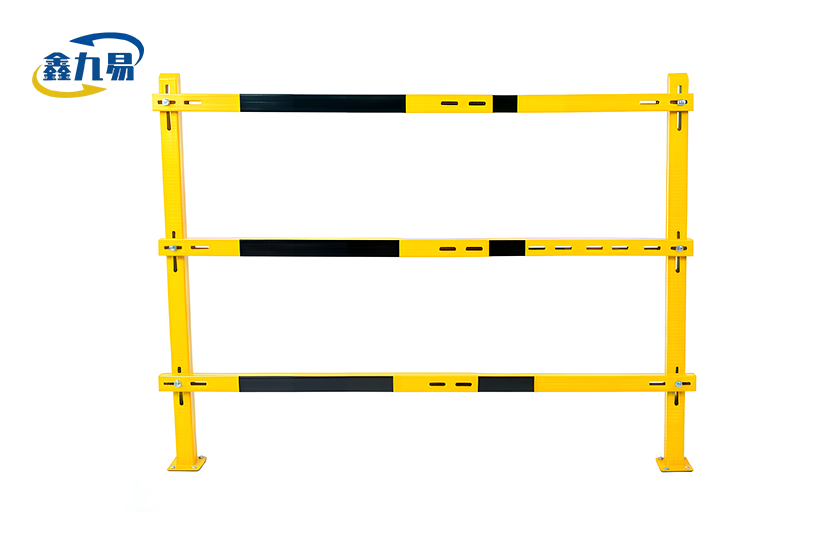
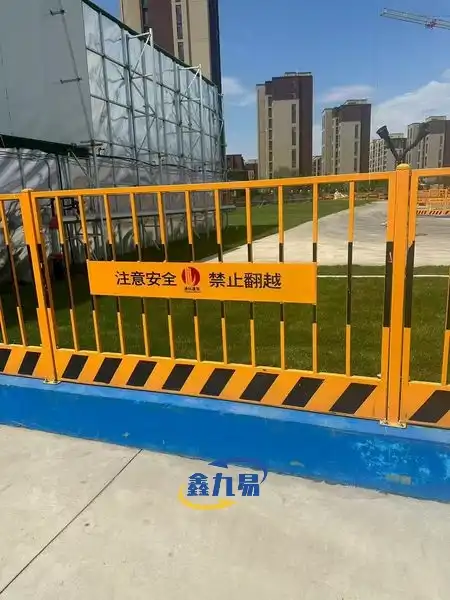
An excavation guardrail system made for professionals is more than just a fence. In these engineered barriers, the structure is strong and the design is smart. They are usually made from national standard square or rectangular tubes that are very resistant to impact. The systems we make in Xinjiuyi are made up of modular parts that are 2000 mm wide and 1200 mm high. These sizes were carefully chosen to meet international safety standards while also allowing for customization needs on-site.
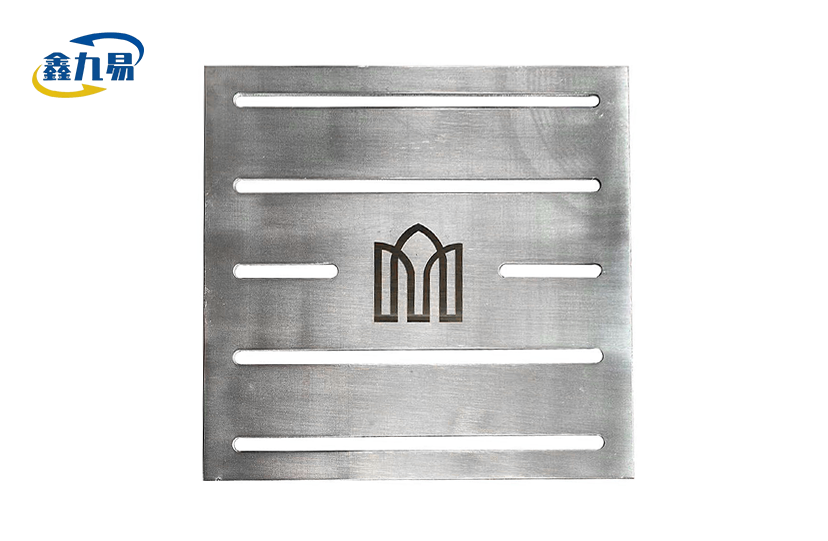
Welded frames are paired with mesh or plate assemblies, and the distance between the grilles has to meet strict safety standards. This balanced method keeps things clear for site supervisors to see while still offering strong fall protection. Modern systems are different because they pay attention to every detail: Laser-cut edges get rid of sharp burrs, fully automated high-temperature baking paint processes make sure the systems will last in bad weather, and ear-plate-free mounting designs get rid of structural weak spots that make the systems less stable.
How Protective Barriers Function in Complex Environments
Multiple safety systems work together to make perimeter defense work well. The main job is to keep people from falling by putting up a physical barrier at the sides of excavations, lift shaft holes, and pipe shaft penetrations. Besides keeping people from falling, these systems clearly separate dangerous areas from work areas and walkways for people.
Finishes that are highly visible in safety yellow or orange act as constant danger alerts. This is especially helpful when it's dark or when machine workers have to move around crowded sites. Another important function is traffic direction, which is done by carefully placing barriers to keep people and cars away from dangerous areas. The standard integrated toe-board design keeps loose materials in place and keeps tools from falling into holes, which are two secondary accident risks that many people don't think about. The Excavation Guardrail System reinforces all these measures by providing a rigid, portable perimeter barrier specifically designed for excavated zones, ensuring that the visual warnings, traffic controls, and toe-board protections are consistently maintained even as the excavation depth or layout changes during work.
Regulatory Frameworks Governing Site Safety
International standards make it clear what needs to be done to protect excavations. According to OSHA rules, protective gear must be used in excavations deeper than six feet. However, qualified people must also check out shallower excavations where dangers exist. Specifics are important: the top rails must be 42 inches (±3 inches) above the walking surfaces, the mid-rails must be in the right place, and the toe boards must continue at least 3.5 inches to catch trash.
European standards BS EN 13374 divide edge safety systems into two groups, called Classes A and B. These groups deal with different fall height risks and loading needs. These models aren't just arbitrary red tape; they're based on decades of engineering research and data from incidents. Companies that follow the rules can avoid fines from the government, but the real benefit is when safety practices are standardized across international projects. This is especially important for contractors who work in Southeast Asia, the Middle East, and emerging markets where local rules are becoming more like global standards.
When Is an Excavation Guardrail System Required
Depth and Soil Condition Triggers
The main regulatory cause is the depth of the excavation, but the conditions of the dirt must also be taken into account when deciding where to deploy. Soils that aren't stable or have been disturbed in the past make it more likely that something will fall, so even at moderate depths, perimeter barriers are necessary. Different types of soil, like clay, don't stick together the same way sand or gravel does. This affects both the need for support and fall protection.
These problems are made worse by water infiltration. Soils that are too wet lose their ability to support weight, and trenches with standing water make it harder to see, which increases the risk of falling. We've seen projects where builders put off installing barriers on shallow excavations, only to get safety violations when the ground quickly got worse than planned. The smart way to do things looks at both geological studies and depth measures. This is because a four-foot hole in unstable dirt might be more dangerous for falls than a deeper cut in solid rock.
Site Traffic and Proximity Considerations
No matter how deep the excavation is, building sites with a lot of foot traffic need proactive defense. This happens a lot with urban utility projects. For example, fiber optic or sewage line ditches that run through pedestrian areas need strong walls to keep people out. Modular excavation guardrail systems are great for places where space is limited and traditional fencing options aren't possible because they take up little room and are very stable.
The closeness of the vehicles adds another dimension. When delivery trucks, loaders, or mobile cranes work close to the edges of a dig, they create dynamic loading conditions and possible impact scenarios. Areas for dumping materials that are next to foundation pits benefit the most from guardrail systems that can withstand side forces and still let workers see. Systems that are well taken care of can last for 20 years, which makes them a good investment for workers who work on several projects a year because the parts are easy to move from one place to another.
Comparing Excavation Guardrail Systems With Alternative Safety Solutions
Guardrails Versus Trench Shoring Technologies
Knowing the difference between guardrails and shoring systems can help you avoid using the wrong ones, which can be very expensive. Trench shoring, which includes hydraulic sides, trench boxes, and sheet piling, keeps structures from collapsing and keeps workers inside digs safe from cave-ins. Perimeter excavation guardrail systems are used for something completely different: they keep people from falling into holes from the ground. For complete dig safety, both systems usually need to work together. For example, propping supports the trench walls while guardrails keep people safe around the edges.
The level of difficulty of installation varies a lot. Shoring needs special tools and trained workers to place heavy parts inside holes, but modular guardrail systems can be set up quickly with just a few hand tools. Because they are easy to get to, guardrails work great in project settings where dig sites move around a lot. Quality systems have lift-off protection pins and socket connections that make them easy to set up without special tools. This saves money on labor costs while keeping the structure strong under working loads.
Temporary Barricades and Warning Tape Limitations
Some builders use warning tape, plastic mesh fences, or light barricades to try to protect the boundaries. These methods don't work on more than one level. Normal barricades aren't strong enough to handle accidental contact. A worker stumbling backwards or a wheelbarrow rolling toward the edge will instantly break through lightweight systems. Warning tape makes it clear what the danger is, but it doesn't protect you physically. This creates a liability risk that looks like safety compliance.
The business comparison clearly shows that engineered methods are better. Temporary barriers need to be replaced often because their parts break easily, and projects that don't meet legal standards risk getting fined or even being shut down. Excavation guardrails made from high-quality steel (Q235 or Q345) with walls at least 2.0 mm thick offer the durability and impact resistance that make their price tag worthwhile. The powder coating or hot-dip galvanization processes used on high-end systems make them weatherproof for years of use outside, so you don't have to keep replacing them like you do with cheaper options.
Modular Systems Versus Custom-Built Solutions
Sometimes, project teams think about making site-specific barriers out of things that are already on hand. There are many problems with this approach. Load testing is hard because you need special testing tools to make sure that a barrier built in the field can withstand the 0.3kN horizontal force that is needed. Dimensional differences make it hard to reuse parts for different projects, and the quality of the welding depends on the staff that is present and the conditions in the field.
Standardized modular systems from well-known brands offer guaranteed performance, as shown by strict quality control procedures. We use ultrasonic weld inspection, cross-cut coating adhesion testing according to ISO 2409, and salt spray testing that meets ASTM B117 standards for at least 500 hours of rust protection in our production. This process of verification makes sure that all parts can be swapped out for any other part. This is very important for contractors who are managing equipment inventories for multiple projects at the same time. We offer customization options that let you change the size and color of the product while still keeping its structural approval. This gives you options without sacrificing performance.
Best Practices for Excavation Guardrail System Installation and Maintenance
Site Assessment and Preparation Protocols
A careful site review is the first step to a successful deployment. Find all the edges of the excavation that need to be protected and write down any ground conditions that might affect the choice of base plate. For maximum stability, drill-in anchors can be used on concrete surfaces. For soil applications, ground spikes are driven to the right depths based on the soil's ability to support weight. Weighted ballast bases are used for non-penetrative installations on sensitive surfaces like finished pavements. These bases spread the load out evenly without damaging the surface.
Look at the activities going on nearby to decide where to put the guardrails so that they keep people safe without getting in the way of needed access. The best place to put up barriers depends on where materials are delivered, where equipment goes, and where people are allowed to cross. The goal is to find a balance between full protection and operational ease of use. Layouts that are too restrictive make crews unhappy and allow barriers to be moved without permission, while coverage gaps make dangers obvious. Detailed site plans that show where barriers will be placed help with safety checks and are useful for keeping records for future projects with similar layouts.
Installation Techniques and Quality Verification
Modular excavation guardrail systems made for building sites focus on being easy to install without losing structural performance. Start by putting corner posts at the corners of the excavation and using standard levels to make sure they are straight. The system designer sets the distance between intermediate posts, which are usually the same width as the panels to make sure the load is spread out evenly. Use the built-in locking devices to connect panels to posts, making sure that the pins fully join and secure.
A check after installation makes sure that the plan specs were followed. To make sure the system is stable, put horizontal loads on the top rails. If the system is installed correctly, it should be able to resist deflection without the posts coming loose or the panels coming apart. Make sure that the mid-rails and toe-boards fit properly and that there are no holes that are bigger than what the rules allow. Documentation is important. Take pictures of installed barriers from different angles and write down the dates and names of the people who are responsible for them. These records are very helpful for safety checks and give schedules for repair work a starting point.
Ongoing Maintenance and Inspection Regimes
Even the most lasting security systems need to be checked on a regular basis to keep working well. Set up regular weekly checks to look for damage in all parts, paying special attention to connection points that are subject to repeated stress. If you see bent rails, loosened posts, or coatings that aren't doing their job, corrosion may have started. When bad weather happens, like high winds or heavy rain, more inspections are needed because the environment can move or damage barriers.
Problems should be fixed quickly during maintenance tasks. Tighten any links that are loose right away, because damage happens faster once parts start moving. Instead of trying to fix damaged parts on the job site, which could weaken the structure, replace the sections that are broken. Established manufacturers offer a wide range of customization options that make it possible to buy replacement parts that match what is already in stock, which keeps the system consistent. Clean the barriers every so often to get rid of concrete dust and other things that break down coatings more quickly. This will extend their usefulness and keep the professional look of the site, which is good for the contractor's image.
Procurement Considerations for Excavation Guardrail Systems
Material Selection and Performance Characteristics
Steel and aluminum are the two most common materials used to make excavation guardrails, and each has its own benefits. Steel systems are very strong and don't break easily when they get hit. This makes them perfect for high-risk areas where heavy machinery or cars are working near excavations. The strong construction can handle abuse that would damage smaller options, and the extra weight makes it more stable in windy places.
Alternatives made of aluminum are easier to move around on projects that need to move barriers often or that need to be handled by hand without mechanical help all the time. The lighter weight makes it easier to move and store things, which is especially helpful for workers who keep hire fleets that serve multiple tasks at once. In coastal or chemically exposed areas, aluminum's resistance to corrosion is another benefit. However, this problem can be solved with modern steel coating technologies like hot-dip galvanization. In the end, the choice of material is based on what's most important for the project: strength and durability versus portability and ease of handling.
Purchase Versus Rental Economic Models
The economy of ownership vs. renters depends a lot on how the property is used. When contractors are in charge of multiple projects that need continuous excavation, they prefer to buy instead of rent because the long service life—up to 20 years with proper maintenance—makes the per-project economics better than renting. Ownership also gives you more freedom with your schedule and stops you from relying on other people's availability during busy building seasons, when renting equipment is hard to come by.
Rental models are good for businesses that only need to do excavation jobs once in a while or that want to look into improving their safety systems before buying new ones. With the rental method, capital costs are turned into routine costs, which makes budgeting easier and gets rid of the need for storage during slow times. However, the number of rental options varies a lot by region. For example, in emerging markets, there aren't as many options as in established construction hubs. Our excavation guardrail systems are made to work with both rental and ownership models. The modular architecture makes it easier to handle rental fleets, and the increased durability and customization options make ownership a good option for businesses that want to build standard safety inventories.
Evaluating Supplier Capabilities and Support
Comparing specs and costs is only one part of choosing a supplier. Manufacturing capacity determines how reliable deliveries are, which is very important when project plans set strict dates for when equipment must be available. Established companies with dedicated production facilities and well-developed supply chain systems can consistently meet the needs of large orders. Certifications like ISO 9001, ISO 45001, and ISO 14001 show that a company has complete systems for managing quality, protecting workers' health, and protecting the environment, and these systems lead to reliable product performance.
The ability to provide technical help sets special sellers apart from commodity vendors. Having access to pre-sales engineering consultation helps choose the best system for each project's needs, which could save money by standardizing processes or show that specific site conditions need unique solutions. Installation instructions and personalized modeling services help with planning the project by giving stakeholders clear visual samples that make it easier for them to approve. Long-term system efficiency is ensured by after-sales help, such as upkeep tips and the availability of replacement parts. At Xinjiuyi, we've built our service model around these ideas because we know that buying excavation guardrail is more like starting a long-term partnership than just buying a product.
Conclusion
Excavation safety is more than just following the rules. It requires putting together well-thought-out protection systems that are matched to the risks of the project and the way it works. When deciding whether to put up perimeter guardrails, you should think about how deep they need to be, the conditions of the dirt, the traffic patterns on the site, and any nearby dangers that could cause someone to trip and fall. Quality modular Excavation Guardrail systems offer compliance, longevity, and rollout options that make the investment worthwhile by reducing incidents and improving operating efficiency. As building workers, it's our job to make sure that everyone on the team can work without worrying about accidents that could have been avoided. Standardized safety systems are useful tools for meeting that duty and supporting the project success metrics—sticking to the schedule, keeping costs down, and managing your reputation—that make building businesses competitive.
FAQ
1. At what excavation depth must guardrails be installed according to OSHA?
When digging deeper than six feet, OSHA requires that safety devices be used. Only qualified people should look at smaller excavations where the ground is unstable, water is building up, or there are other dangerous situations. Many safety professionals put down protection at shallower depths, especially in areas with a lot of foot traffic or where equipment is close to the edges. This is because they know that legal minimums are just starting places and not complete safety standards. A project-specific risk assessment should help with making decisions, and it should look at more than just depth.
2. Can modular guardrail systems be reused across multiple projects?
Quality modular systems work great when used on more than one project. Standardized sizes and long-lasting construction make it possible to install, take apart, and move many times without losing any performance. Systems that are well taken care of by inspecting and replacing parts on a regular basis last for decades and are used in many places. Because it can be used again and again, this makes ownership a good deal for groups that need to do a lot of digging. The key is to choose systems made from high-quality materials with coatings that have been shown to last and to keep accurate inventory records so that full sets can be moved from one project to another.
3. How do excavation guardrails differ from standard construction fencing?
Standard construction fencing protects the perimeter of the site and marks the edges of the work area, but it's not strong enough to protect people from falling. Excavation guardrail systems are tested for load to make sure they can handle certain horizontal forces. They have mid-rails and toe-boards that are spaced out according to regulations, and they have engineered links that make sure the structure stays strong when they are hit. Safety-critical edge protection is different from a general-purpose site fence because of its size requirements, material grades, and quality control procedures. This is because safety-critical edge protection is meant to protect workers and not just mark boundaries.
Partner With Xinjiuyi for Complete Excavation Safety Solutions
For your excavation projects, you need protection systems that are well-made and come with full support. Xinjiuyi offers ISO-certified production, products that last 20 years, and full customization services for foundation pit upkeep, municipal buildings, and infrastructure development situations all over the world. Our Excavation Guardrail Systems are made without ear plates, which means they are structurally sound. They also have laser-cut edges and automated coating processes that make them safe and long-lasting.
We know that making decisions about what to buy requires trust in both the quality of the product and the stability of the seller. As a well-known company that makes excavation guardrail systems, we have fully equipped factories and established supply chains that allow us to handle large orders and keep to our delivery dates. Get in touch with our technical team at global@xjy8.com to talk about the specifics of your project, ask for detailed renderings, or get personalized quotes. We'll work together to build the standardized safety infrastructure that keeps your employees safe and boosts your reputation for doing great work.
References
1. American Society of Safety Professionals (2021). Construction Safety Standards: Excavation and Trenching Protection Guidelines. Des Plaines: ASSP Press.
2. Morgan, R. T., & Williams, H. K. (2020). Structural Performance of Modular Safety Barriers in Construction Environments. Journal of Construction Engineering and Safety, 45(3), 127-142.
3. International Labour Organization (2019). Safety and Health in Construction: Code of Practice. Geneva: International Labour Office.
4. Construction Industry Institute (2022). Best Practices for Excavation Safety Management in Infrastructure Projects. Austin: CII Publications.
5. European Committee for Standardization (2018). EN 13374: Temporary Edge Protection Systems – Specification and Test Methods. Brussels: CEN Standards.
6. National Institute for Occupational Safety and Health (2020). Preventing Falls and Struck-By Injuries During Excavation Work: A Comprehensive Analysis. Cincinnati: NIOSH Publications.