Construction Site Wheel Wash System: The Essential Solution for Maintaining Clean and Safe Work Environments
Walking past any major Construction Site Wheel Wash System project, you've probably noticed muddy tire tracks stretching down public streets. These messy trails aren't just unsightly—they represent serious regulatory violations that can trigger substantial fines and project shutdowns. A properly deployed wheel wash platform addresses this challenge head-on by intercepting contamination before it leaves your worksite boundaries.
Construction projects today face unprecedented scrutiny from environmental agencies enforcing strict track-out ordinances. Your project manager needs equipment that meets compliance requirements without disrupting tight schedules. Vehicle washing systems serve as your frontline defense against dust pollution citations while protecting public roadways from hazardous mud deposits. This comprehensive guide walks you through everything procurement professionals need to know about selecting, installing, and maintaining automated washing equipment that keeps sites clean, compliant, and operating smoothly throughout every project phase.
Understanding Construction Site Wheel Wash Systems
What These Systems Actually Do?
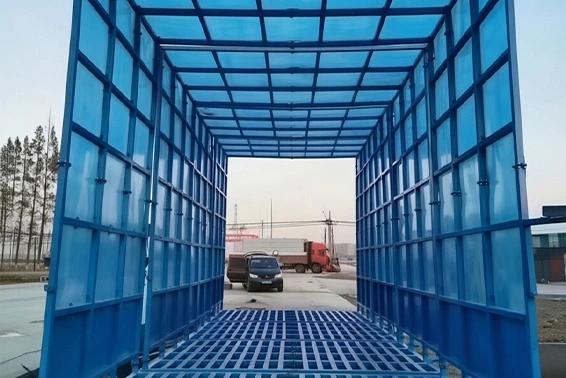
At the site's exits, a Construction Site Wheel Wash System acts as an automatic decontamination stop. When heavy construction vehicles drive onto the reinforced steel platform, photoelectric sensors immediately detect them and turn on strong water jets. Several spray nozzles placed along the frame aim at the tire treads, wheel wells, and undercarriage parts from specific angles. This removes mud, clay, and other debris that has built up in 30 to 60 seconds per vehicle.
Hosing used to be done by hand, which took hours of work every day, but now Construction Site Wheel Wash Systems do it for them. Runoff that is contaminated can't get into other areas because the washing zone is enclosed. Built-in sedimentation tanks separate solids from water, so clean water can go thru high-pressure pumps again and again for more wash cycles. When compared to standard spray-down ways, this closed-loop method uses a lot less fresh water.
Core Components That Drive Performance
Several linked parts must work together for Construction Site Wheel Wash Systems to be effective. The base of the building is made of thickened channel steel and rectangular tube frames that are welded together so that they can withstand repeated crushing forces from industrial trucks that weigh 15 to 40 tons. Professional anti-corrosion coatings keep steel surfaces from rusting when they are exposed to water and chemicals over and over again.
High-pressure pump systems that can handle 1,500 to 3,000 liters of water per minute make the strong water jets needed to break up tough clay layers and other materials. There are stainless steel nozzles all over the washing grid that spray water in multiple directions, covering every tire surface and chassis part. Electric motor options ranging from 5.5 kW single-motor sets to heavy-duty models with two motors give you the power you need for different levels of traffic and cleaning needs.
Critical Benefits for Site Operations
Putting in the right infrastructure for washing cars gives you measurable benefits in many areas of your business. Regulatory compliance is the main factor—harsh punishments are given by city environmental departments for track-out violations that let sand pollute public streets and stormwater systems. By following clean exit procedures, you can keep your project safe from tickets, fines, and possible stop-work orders that can really mess up your schedule.
In addition to meeting regulations, automated cleaning makes the site safer by getting rid of the mud that builds up near the exit gates, where accidents often happen. Having clean cars also improves the professional image of your business in the towns around it, which can help you get along better with your neighbors and build good relationships with other important people. Recycling systems greatly lower the amount of water that is used, which directly leads to lower utility costs over longer project timelines.

Choosing the Right Wheel Wash System for Your Construction Project
Evaluating Your Specific Site Requirements
Honest evaluation of your project's specific operating parameters is the first step to choosing the right tools. The level of dirt that your Construction Site Wheel Wash System has to deal with is directly related to how much dirt is moved. Large infrastructure projects that dig a lot of holes leave behind thick layers of clay that need to be cleaned up more thoroughly than lighter business building sites that don't upset the soil as much.
Patterns of vehicle travel are very important. A heavy-duty earthwork business that moves more than 50 trucks every day needs strong dual-motor setups that keep working well even when the business is running all the time. Compact single-motor platforms can work well for smaller renovation jobs where car exits are only needed sometimes. Finding out how much traffic you get every day can help you figure out how fast your Construction Site Wheel Wash System needs to clean and how much throughput it needs to avoid bottlenecks at the exit gates.
Comparing System Configurations and Capabilities
Length measurements are an important factor that has a direct effect on how well something cleans. Compact 2300mm platforms can fit in small urban areas where room is limited and still provide enough coverage for normal dump trucks and utility vehicles. The 4000mm types that are longer can fit bigger earthmoving equipment and give cars that are really dirty more time to be cleaned thoroughly.
The efficiency of recycling water changes a lot between makers and design styles. Premium systems with advanced sedimentation technology and flocculation agents can recycle up to 95% of the wastewater, and they only need small amounts of fresh water added to them to make up for evaporation and vehicle carry-out. In addition to supporting environmental sustainability goals that make your company look more green to customers and government agencies, this efficiency cuts operational costs by a huge amount.
Budget Considerations Beyond Initial Purchase
Smart people who buy things look past the price tag and consider the total cost over the whole life of the product. The cost of installation depends on how the site needs to be prepared. Level, compacted areas with good drainage allow for quick rollout, but difficult terrain may need more groundwork. Logistics for transporting modular parts affect delivery costs, especially for projects in rural areas that need special tools for hauling.
Ongoing operating costs include the cost of electricity to run the motor, water to fill up the system, and maintenance supplies like new nozzles and pump seals. When you multiply these ongoing costs by the length of time you expect the project to take, you get the real amount of money you need to spend. Mechanical failures that cause equipment to be offline can cost a lot in lost productivity and possible compliance gaps. Because of this, reliability and service support are important factors in evaluating suppliers.
Installation, Maintenance, and Operational Best Practices
Proper Site Preparation and Professional Setup
A well-prepared site is the first step to a successful implementation because it sets the stage for peak performance. The place where the installation will happen should have stable, level ground that can hold the weight of the platform structure and fully loaded cars. If there is good drainage, water won't build up around the washing area and turn into mud pits, which defeats the purpose of the Construction Site Wheel Wash System.
The electrical links must match the motor's requirements. For example, 5.5 kW units need the right amount of circuit capacity and grounds to work safely. The water lines that feed the sedimentation tank need to have enough flow rates to keep cleaning well during times of high traffic. Professional workers calibrate the whole system, changing the placement of the sensors, the spray patterns, and the timing of the cycles to fit the type of car and amount of contamination.
Many makers use a modular design technique that makes setup very quick. The Construction Site Wheel Wash System from Hebei Xinjiuyi Construction Technology can be used just two hours after it is delivered, so it doesn't get in the way of active project schedules too much. This ability to quickly install the Construction Site Wheel Wash System is very helpful when environmental compliance equipment needs to be put in place right away to meet the needs of a regulatory body or to address community issues about the conditions of a site.
Maintenance Protocols That Maximize Longevity
By setting up regular inspection times, you can keep small problems from turning into expensive breakdowns that stop your Construction Site Wheel Wash System during key project stages. During monthly maintenance checks, the nozzle should be checked for wear or clogging, the pump's operation and pressure output should be checked, frame welds should be looked at for stress cracks, and the sensor's functionality should be tested to make sure it can reliably detect vehicles.
Cleaning the sedimentation tank is the hardest upkeep job, but it's still necessary for long-term performance. Solids that build up in the tank slowly reduce its useful volume, which makes the water less clear and less efficient at refilling. Setting up vacuum truck or hand dig cleanouts every three months keeps dirt from building up and affecting how well the system works. The removed mud usually needs to be thrown away properly in line with local environmental laws.
Preparing for the season keeps your property safe from damage caused by the weather. In cold climates, winter operation requires insulated pipes, trace heating systems, and automated drain-down protocols that keep parts from freezing and cracking. The heat of summer speeds up drainage, so more water needs to be added more often to keep the circulation going. These yearly changes make sure that the system is reliable all year, no matter what the weather is like.
Leading Brands and Suppliers: Trusted Partners for Procurement
What Separates Quality Manufacturers from Commodity Vendors
There are a lot of companies on the market that sell Construction Site Wheel Wash Systems, but there are real differences when you look at things like manufacturing standards, certifications, and after-sale support. Reputable makers use ISO 9001 quality management systems to control the whole production process, from getting the raw materials to checking the finished product. Standardized procedures like these make sure that the quality of the product stays the same across multiple production runs and lower the number of mistakes that happen with cheap tools.
Certification compliance shows that a company is dedicated to meeting established performance standards. When equipment is meant to be sold in other countries, it should have the right certifications that meet the needs of those countries. The level of depth in technical paperwork shows how advanced the engineering is. For example, complete installation instructions, clear maintenance schedules, and detailed part diagrams show that the maker is serious, while assembly operations with few support resources show that the operation is not.
Evaluating Customization Capabilities and Service Networks
Standard store items don't always meet all of the specific needs of every job. The best suppliers let you change a lot of things about the Construction Site Wheel Wash System so that it fits your site's limitations and your business's needs. Frame sizes, motor arrangements, nozzle placement, and the programming of the control system can all be changed to get the best performance for a given task.
As a company that makes Construction Site Wheel Wash Systems, Hebei Xinjiuyi Construction Technology is a good example of this all-around method. In addition to making standard platforms, our engineering team offers detailed design advice, creates visual representations of how equipment will fit into the layout of your site, and creates fully customized solutions to meet unique needs that standard products can't meet. This adaptability is very helpful for difficult urban sites, places with limited access, and special uses that need non-standard configurations.
When choosing a seller, service support system should be carefully looked at. When problems happen, downtime is kept to a minimum by having quick technical support, new parts that are easy to find, and field service options. Established manufacturers keep parts in stock and have service networks that allow for quick responses. Newer companies that enter the market often don't have the logistics in place to help customers effectively after the sale.
Case Studies & Future Trends in Construction Site Wheel Washing
Real-World Performance in Demanding Applications
Environmental agencies and towns nearby that are worried about the effects of building pay close attention to urban high-rise projects. A new downtown mixed-use development in a major urban area put compact Construction Site Wheel Wash Systems at both the main and minor site exits. This kept the perimeter clean even tho concrete trucks were constantly moving thru during the foundation phase. The installation stopped sediment from going into the city's storm drains and met strict community control standards that could have caused the project to be late.
Building big pieces of infrastructure comes with its own problems that need tough solutions. A regional highway growth project that required a lot of digging and moving dirt put in long 4000mm dual-motor platforms at several haul road crossings. These strong systems handled thousands of car moves every week and kept cleaning well even when they were used for longer periods of time. The ability to recycle 95% of the water used was very important in a drought-stricken area where getting fresh water was limited.
Emerging Technologies Reshaping the Industry
Vehicle washing technology keeps getting smarter, more automated, and more efficient thanks to new ideas. IoT connectivity lets you use smartphone apps to check on the state of the system, the water level, the performance of the pump, and the need for repair from afar. Project managers can see how the Construction Site Wheel Wash System is working in real time without having to go to the installation site. They are automatically notified when service needs to be done.
Smart sensor technology goes beyond simple photoelectric detection by using adaptive programming to change the length of the wash cycle based on the amount of contamination that is found. Lightly dirty vehicles go thru shorter cleaning cycles that save water and keep mechanical parts from wearing out. Heavyly dirty equipment, on the other hand, automatically goes thru longer wash cycles that make sure it is completely clean. This smart operation makes the best use of resources while keeping the cleaning effectiveness high.
Environmental sustainability leads to the creation of more advanced water treatment systems that use chemical flocculation, UV cleaning, and multiple stages of filter to get even higher recycling rates. These innovations make cleaner recycled water that works better for cleaning while reducing the need for fresh water. As regulations put more weight on environmental management on construction sites, there will continue to be a need for washing technology that gets more advanced.
Conclusion
Construction Site Wheel Wash Systems used to be just a compliance tick, but now it's a smart investment that keeps projects safe from regulatory risk and boosts operations efficiency. If you choose the right system and install and take care of it correctly, it will work well for years and keep public roads clean and site operations going easily. When procurement professionals read this guide and understand the technical specifications, operational requirements, and supplier capabilities it covers, they can make smart decisions that match the equipment's capabilities exactly to the needs of the project. As rules about the environment get stricter and community standards rise, automated washing platforms become necessary equipment for any responsible building company that wants to keep their sites clean, in line with the rules, and looking professional.
FAQ
How often should wheel washing equipment receive professional maintenance?
Visually checking the state of the nozzles, pumps, sensors, and frame once a month is the bare minimum for continued operation. Full service every three months, which includes cleaning the sedimentation tank, inspecting the motor, and checking the control system, makes sure that the Construction Site Wheel Wash System works at its best and stops problems from happening out of the blue. In high-volume operations with more than 50 daily vehicle movements, parts may need to be serviced more often to keep up with the faster wear.
Can these systems operate effectively during winter freezing conditions?
In order to protect against cold weather, more advanced platforms have protected pipes, electric trace heating, and automatic drain-down processes that stop ice from forming and parts from breaking. Proper winterization makes it possible to reliably run in freezing climates, tho very cold weather may mean that the system has to be shut down for the nite. Talking to Construction Site Wheel Wash System makers about climate-specific setups is the best way to make sure that systems work all year in places with bad weather.
What water volume does typical operation require?
When compared to traditional ways of washing, closed-loop recycling systems use a lot less. A platform that works properly and recycles 95% of its waste water only needs small amounts of fresh water added to it every week to make up for evaporation and vehicle carry-out. This is usually 5–10% of the total circulation volume. Filling up the tank for the first time uses a lot of water, but the amount used for ongoing operations is surprisingly low. This saves money over longer project timelines and helps protect water.
Partner with Xinjiuyi for Reliable Construction Site Wheel Wash System Solutions
To keep work sites clean and in line with regulations, you need tools that were made for harsh construction environments. Hebei Xinjiuyi Construction Technology makes Construction Site Wheel Wash Systems that are trusted by general contractors, earthwork experts, and material yards all over the world. Our Construction Site Wheel Wash System supplier credentials include ISO 9001, ISO 45001, and ISO 14001 certifications, which show that we are dedicated to making high-quality products, keeping workers safe, and caring for the environment.
We know that project managers need quick release options that don't slow down the building process. Within two hours, our Construction Site Wheel Wash Systems are ready to use, meeting environmental compliance standards right away. The thicker steel frame is built to last for decades of heavy-duty use, and the photoelectric automation and 95% water recovery efficiency keep costs low over the long life of the machine.
Ready to protect your project from track-out violations while streamlining exit operations? Please email our technical team at global@xjy8.com so that they can make equipment suggestions that are perfect for your site. We'll help you make a purchase decision by giving you detailed specifications, visual renderings, and full quotes. Visit xjy8.com to explore our complete construction safety product portfolio—partnering with us means choosing engineering excellence backed by responsive service support. Let's build cleaner, safer construction environments together.
References
1. Environmental Protection Agency. (2023). Construction Site Stormwater Runoff Control Standards and Best Management Practices Manual.
2. American Society of Civil Engineers. (2022). Guidelines for Erosion and Sediment Control at Construction Sites: Engineering Approaches to Environmental Compliance.
3. National Association of Home Builders. (2023). Construction Site Environmental Management: Regulatory Requirements and Practical Implementation Strategies.
4. International Journal of Construction Engineering and Management. (2022). Performance Evaluation of Automated Vehicle Washing Systems in Reducing Construction Site Track-Out Contamination.
5. Construction Industry Research and Information Association. (2023). Best Practices for Construction Site Cleanliness and Public Road Protection: Technical Guidance for Contractors.
6. Journal of Environmental Engineering. (2022). Water Recycling Technologies in Construction Equipment: Efficiency Analysis and Sustainability Assessment of Closed-Loop Washing Systems.