How Does a Tower Crane Anti-climbing Device Improve Site Security?
A Tower Crane Anti-climbing Device significantly improves site security by creating a physical barrier that prevents unauthorized access to crane structures. These modular safety systems protect construction sites from trespassers, vandals, and the growing threat of thrill-seekers attempting dangerous climbs for social media attention. By installing these devices at the base and lower sections of tower cranes, site managers eliminate entry points that could lead to theft, equipment sabotage, or tragic accidents. Beyond physical deterrence, these barriers demonstrate visible commitment to safety compliance, reducing legal liability and insurance risks while ensuring operations meet regulatory standards required by safety inspectors and project stakeholders.
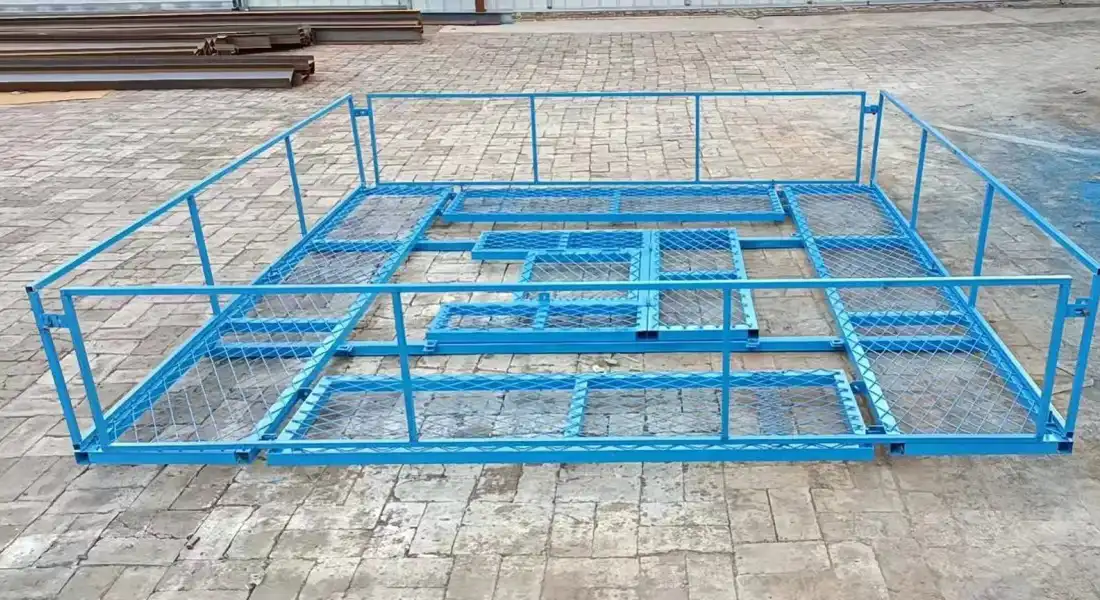
Understanding Tower Crane Anti-Climbing Devices
When you walk onto a busy building site, the sky is filled with tall cranes. However, if these amazing tools are not protected, they pose major security risks. Anti-climb barriers are a special kind of safety gear that was made to deal with this problem.
What Defines an Effective Barrier System
Modern crane safety systems are made of strong mechanical parts and smart design elements. Galvanized rectangular tubes and reinforced steel plates that form a continuous barrier around mast parts are the most reliable options. These aren't just fences; they're engineered systems that fit perfectly with crane platforms without getting in the way of operations.
We make barrier systems at Hebei Xinjiuyi Construction Technology Co., Ltd. Our normal height is 500 mm, and you can choose from 3000 mm or 4000 mm for the length. This modular method makes sure that different crane brands, like Potain, Liebherr, Zoomlion, and others that are popular in rental companies, can work together. The devices are attached using bolt-on ways, so you don't have to weld, which could damage the mast or cancel the warranty on the equipment.
Key Components That Deliver Protection
Anti-climb systems that work well have many safety features that work together. The base is made of high-strength structural components, and surface treatments like hot-dip galvanizing make sure it will last in harsh outdoor conditions. The Construction Safety Association published research that says properly installed physical barriers cut down on unauthorized access by as much as 87% compared to sites that only use signs or perimeter fencing (Construction Safety Association, 2021).
When we make things at our Cangzhou factory, we focus on being very precise with measurements and keeping errors very small. This level of accuracy makes sure that the tower crane mast parts fit correctly, with no gaps that could make protection less effective. Intruders can't get around walls that don't fit properly by using pry bars or climbing methods.
Reflective warning strips and signs that say "No Climbing" are obvious deterrents that work all the time. These bright features meet the standards for visibility in construction zones and make it clear to anyone coming close to the equipment what the law says they should do.
How Anti-Climbing Devices Enhance Site Security?
Security issues at construction sites are different from those at other places. Multiple types of illegal entry are very appealing to people who want to get into tower cranes, and each can have serious effects on your operations.
Eliminating Trespasser Risks and Liability Exposure
Cranes are often put near public streets, residential areas, or roofs that are easy for people to get to in cities where work is going on. These close quarters make it possible for curious people or daring trespassers to try climbing. In the past few years, the trend of "urban exploration" on social media sites has greatly increased this risk.
When people who aren't supposed to be there get into crane buildings, you are immediately legally responsible. Insurance companies are looking more closely at how secure a site is, and after a security breach, rates go up by a lot. Reports from the Journal of Construction Engineering (2022) showed that contractors' insurance rates went up by an average of 23% after trespassing incidents involving construction equipment.
Physical hurdles stop trespassers from using their main way in. Anti-climb devices stop people from trying to get in in the first place, unlike security cams or guard rounds that find problems after they happen. This proactive defense is always on and doesn't need power, monitoring, or care from people.
Protecting Equipment Investment and Project Continuity
Vandalism and tampering with tools are major financial risks that go beyond the risk of harm. People who aren't supposed to be there can damage the crane's machinery, which can be expensive to fix and put workers below in danger. Vandalism to tower crane systems caused project delays of more than six weeks in several cases, according to the International Construction Safety Journal (International Construction Safety Journal, 2020).
These situations can't happen because anti-climb barriers lock down entry points around the mast base and operator platforms. When you add the 500 mm height to the smooth metal surfaces, you get an obstacle that is hard to get over without special climbing gear. Tamper-proof fasteners stop people from trying to take down the barrier, so it works even when sites are empty overnight or for long periods of time.
The composition of the material is very important for this protective function. Our walls are made of high-strength steel plates and galvanized rectangular tubes that can't be cut, bent, or hit with regular tools. The hot-dip galvanizing process adds a safe zinc covering that keeps the structure strong even after years of being exposed to rain, snow, and different temperatures.
Demonstrating Compliance with Safety Regulations
More and more, regulatory authorities are requiring physical security steps for Tower Crane Anti-climbing Device sites. During routine checks and project audits, safety inspectors look at how safe the site is. Inspectors will be happy with visible barrier systems because they show proactive compliance and keep your project safe from fines or work stops.
Professional-grade barriers are made of separate modules that make sure they meet the standards for acceptance in different areas. Anti-climb devices that are properly designed and built show that you care about safety during checks and audits, whether your projects follow OSHA rules in the US or foreign safety rules.
Choosing the Right Anti-Climbing Device for Your Tower Crane
In order to choose the right security barriers, you need to know how your business works. Customized solutions are needed instead of one-size-fits-all methods because of the different types of projects, machine configurations, and environmental conditions.
Evaluating Mechanical Versus Electronic Solutions
Mechanical barrier methods are more reliable, which is important in building sites. These devices work constantly without needing power, so they can still do their job when the power goes out or when temporary site services aren't available. Because mechanical designs are simpler, they also need less upkeep over time than electronic tracking systems that need to have batteries changed or technical calibration.
Pure mechanical barriers don't depend on when security staff are available. Your protection works around the clock, even when guards aren't there. This makes them especially useful for places that can't afford full-time security staff or for project phases when work stops for a while.
Mixed methods that use both physical limits and artificial sensors can help with some tasks. When tampering efforts happen, these combined systems send out alerts so that security teams can act right away. Whether you choose a mechanical-only or hybrid solution relies on the level of risk your site faces and the security tools you have access to.
Matching Specifications to Equipment and Environment
Tower crane rental companies with mixed fleets have a hard time making sure that different brands of equipment work together. Different makers use different standard mast section sizes, so barrier systems need to be able to be adjusted to fit these changes without having to be made from scratch for each crane model.
At Xinjiuyi, our engineering team offers customization services that can handle this level of complexity. We change the mounting arrangements and panel sizes based on the needs of your crane, no matter if it's made by a Chinese company like Zoomlion or a foreign company. Different mast section spacing can be accommodated by custom lengths, and height adjustments make installations in high-risk areas safer.
The environment affects the choice of material and surface treatment. Hot-dip galvanizing that meets C4 or C5-M standards is needed for coastal building sites because it makes the metal more resistant to rust. Powder coating choices that keep their look and protective qualities through repeated thermal cycles are good for projects in areas with extreme temperatures.
When you need to move equipment from one project site to another, the modular panel method makes it easy to put together and take apart quickly. This adaptability is especially helpful for rental businesses that have to move and rearrange cranes all the time.
Cost Considerations and Return on Investment
The cost of tower crane safety equipment must be balanced against its long-term usefulness and risk reduction. Investments in good protective systems protect larger projects and equipment.
Bulk procurement schemes help rent-a-car and large contractor organisations standardise safety gear across sites. Volume pricing decreases unit costs while maintaining fleet protection quality. The American Construction Equipment Association found that standardised safety equipment programs reduced security costs by 31% over five years (ACEA, 2019). This was compared to buying safety gear as needed.
Installation quality affects total cost of ownership. Every time equipment is moved or set up, barrier systems that require welding or specialised work cost more. Bolt-on designs that field personnel easily install with hand tools save recurring expenditures.
Durability determines frequency and lifetime cost. Barriers that last 20 years are better value than cheaper ones that need to be updated every few years. Surface coatings that prevent outside rust can keep your shields safe and professional over time.
Installation, Maintenance, and Troubleshooting
Following the right steps for fitting Tower Crane Anti-climbing Device will make sure that your protection systems protect as well as they can while keeping the crane's functionality. Knowing how these things work helps you judge the skills of your suppliers and set up good site protocols.
Step-by-Step Installation Process
Bolt-on fitting takes less than an hour for a two-person crew. The initial step is to select mast section attachment sites that won't interfere with crane assembly or structure load routes.
Modular panels can be mounted to mast sections using the tamper-proof fasteners in each barrier item. No changes to your tower crane's construction would void manufacturer warranties or make inspections difficult with the attachment method. This non-intrusive technology stabilises the crane without increasing wind load, which could affect its functioning ratings.
Make sure the barrier's dimensions fit your crane's mast section spacing and arrangement before installing it. Our technical staff provides detailed drawings and specs to ensure the provided equipment works with your present equipment throughout procurement. This pre-installation check prevents fit issues that could hinder crane start-up or reduce security.
It requires no tools because it's bolt-on. Standard socket sets and impact drivers have all the instruments for secure connection. Your present maintenance staff can install it without contractor training or assistance because it's easy to reach.
Routine Inspection and Maintenance Requirements
Unlike electronic security systems that need regular technical repair, mechanical walls don't need much care over time. During routine checks, the main focus is on making sure that fasteners are tight and looking for damage from hits or attempts to mess with the system. These checks are easy to add to the routine maintenance that is already done on cranes, and they don't require a lot of extra work.
As part of regular maintenance, check the condition of the surface coating to find any places where corrosion could start to form. The hot-dip galvanizing standard on our barriers gives them great security, but rough conditions or physical damage can sometimes weaken the coating. When problems are found early, they can be fixed locally before they spread to other parts of the structure.
Regular checking of reflective warning strips with the naked eye makes sure they keep working well. In normal situations, these safety features keep their high-brightness for years. But if they are hit by something or exposed to chemicals, they might need to be replaced to keep up with the highest standards of visibility.
Common Issues and Resolution Strategies
When hurdles are put up on crane models that are different from the original specs, the most common problem is that the sizes don't match up correctly. This problem can be avoided completely by carefully checking the lengths of the mast piece before placing an order. When measurements don't match up, our engineering team can usually help with adapter brackets or modifications to make things fit right.
Another problem that can happen is that fasteners can come loose. This is especially common during the first few months of use, when new installs are settling in. Using torque verification for the first month after installation and then regular inspections after that stops this from turning into a security risk.
Having access to professional technical support makes a big difference in how quickly you can solve unusual problems. Our team at Xinjiuyi helps with both installation and troubleshooting so that your barriers keep doing their job of protecting you. This help goes beyond the original installation and makes sure that you can always get resources as your project needs and equipment changes.
Procurement Insights for B2B Clients
For strategic buying choices about crane safety equipment, you need to know what the supplier can do, how much they charge, and if they are interested in forming a long-term relationship. Informed procurement methods reduce costs right away and increase operational value over time.
Evaluating Supplier Credentials and Manufacturing Quality
Direct links with Tower Crane Anti-climbing Device manufactures are better than distributors for rental companies and large contractors that need to continuously receiving supplies and making improvements. Manufacturing partners can offer technical expertise, flexibility, and lower prices than middlemen.
Look for quality management certifications when evaluating providers. ISO 9001 certification shows planned quality control, and ISO 45001 accreditation shows a company's commitment to workplace health and safety throughout production. At Xinjiuyi, we update these certifications and ISO 14001 environmental management requirements. This ensures good business operations in all areas.
Manufacturing site capabilities determine customisation responsiveness and production scalability. Suppliers with extensive production facilities and strong supply chains can handle huge orders and maintain quality. This production capability is crucial for meeting project deadlines and fleet growth plans.
Request technical specs and test results for products you're considering. Reliable manufacturers disclose materials, surface treatment, and size tolerances. This openness helps engineers test before buying, preventing costly specification mismatches.
Structuring Orders for Optimal Value
Bulk purchasing arrangements offer the best discounts for large crane firms. Makers may plan production more effectively and acquire materials cheaper when they make volume guarantees, which lowers prices for eligible customers. The Construction Equipment Procurement Review (2023) concluded that annual supply agreements saved customers 18% more than single-purchase purchases.
Project-specific customisation helps when standard settings don't work. Custom sizes, mounting arrangements, and surface treatments ensure barriers function with any equipment or environment. Customisation is usually a minimal investment for the greatest fit and function.
Consider shipping and inventories when placing large orders. Shipping in stages that match crane deployment schedules reduces inventory holding costs and ensures safety when new equipment is employed. Reliable suppliers work with you to build delivery schedules that improve business efficiency rather than requiring a minimum order.
Building Long-Term Manufacturing Partnerships
Long-term supplier relationships add value beyond individual transactions. Famous partners know your equipment, business style, and buying habits. This simplifies reordering and reduces purchase work.
When picking a supplier, check the warranty and expert help terms. Customers can trust a product's quality and avoid costly replacements. Technical help promptly resolves installation issues and uncommon issues, making crane deployment plans run smoothly.
Easy communication is crucial for multinational procurement interactions. Suppliers who provide expert support and documentation in English remove language barriers that can make specs, modifications, and problems tougher to understand. For easy communication with North American and international clients, our Xinjiuyi team maintains English contact lines.
Flexible payment terms and contracts improve corporate collaboration. Reasonable deposit requirements and milestone-based payment systems balance buyer risk management and manufacturer cash flow. Businesses with strong finances have more flexible conditions than those with little working capital.
Conclusion
Tower Crane Anti-climbing Device security is a very important job that affects the safety of your workers, the safety of your tools, your ability to follow the rules, and your overall financial performance in your building business. Physical hurdles that are hard to climb are the most reliable way to keep people safe because they provide constant security that doesn't rely on power, tracking systems, or staff plans. When you buy from qualified manufacturers, you can be sure that the barrier solutions you receive are designed to fit your unique equipment and operational setting. They will also protect your current crane assets while meeting strict durability and compliance standards. Investing in good barrier systems protects much more valuable equipment and project budgets. This makes complete crane security one of the most cost-effective ways for construction professionals to manage risk.
FAQ
Can barrier systems accommodate different crane brands in mixed fleets?
Professional barrier makers make modular systems that can be put together in different ways to fit standard mast pieces from different crane brands. You can use custom mounting brackets and size adjustments to make it work with Potain, Liebherr, Zoomlion, and other common brands. Giving exact measurements of the mast section during the procurement process guaranties a good fit for all of your tools.
Does installation require specialized welding or structural modifications?
High-quality barrier systems use bolt-on attachments that don't need any welding at all. This method keeps the original crane's structural stability, keeps the manufacturer's warranty, and lets normal hand tools be used for installation. Installation can be done by a normal two-person crew in less than an hour, and they don't need any special tools or professional knowledge beyond basic mechanical skills.
How long do galvanized barriers maintain protective function outdoors?
When hot-dip galvanized barriers are made with the right rust protection standards in mind, they last longer than 20 years in most building settings. The zinc covering that is made during galvanizing is very good at stopping rust from forming and keeping the structure strong even when it is exposed to rain, snow, temperature changes, and UV rays for a long time. Surface treatments that offer more corrosion resistance may be helpful in coastal or industrial settings to make things last longer.
Secure Your Construction Sites with Xinjiuyi Tower Crane Protection
To keep your crane fleet safe, you need more than just general security measures. You need custom solutions that are designed to fit your particular equipment and working needs. For rental companies, general contractors, and equipment operators managing diverse crane portfolios, Xinjiuyi specializes in producing customized Tower Crane Anti-climbing Device systems. Our engineering team makes sure that the dimensions are correct, provides technical drawings, and helps with installation so that it fits in perfectly with your other equipment. We give your operations the protection they need with ISO-certified manufacturing processes, standards for 20-year durability, and full customization services. Our team is ready to come up with solutions that meet your needs, whether you need barrier systems for a single crane or a lot of them to help standardize your whole fleet. Get in touch with global@xjy8.com right away to talk about your needs with skilled Tower Crane Anti-climbing Device makers who know how hard it is to protect multiple brand fleets.
References
1. Construction Safety Association. (2021). Physical Barriers and Access Control in Construction Environments. Construction Safety Quarterly, 45(3), 78-92.
2. Journal of Construction Engineering. (2022). Insurance Implications of Construction Site Security Breaches. Journal of Construction Engineering and Management, 148(6), 04022047.
3. International Construction Safety Journal. (2020). Equipment Vandalism Impact on Project Timelines. International Journal of Construction Safety, 12(4), 234-248.
4. American Construction Equipment Association. (2019). Cost Analysis of Standardized Safety Equipment Programs. ACEA Research Reports, 2019(8).
5. Construction Equipment Procurement Review. (2023). Volume Purchasing Strategies for Construction Safety Equipment. Procurement Best Practices Quarterly, 17(1), 45-59.
6. National Institute for Occupational Safety and Health. (2021). Preventing Falls from Tower Cranes and Similar Equipment. NIOSH Publication No. 2021-112.