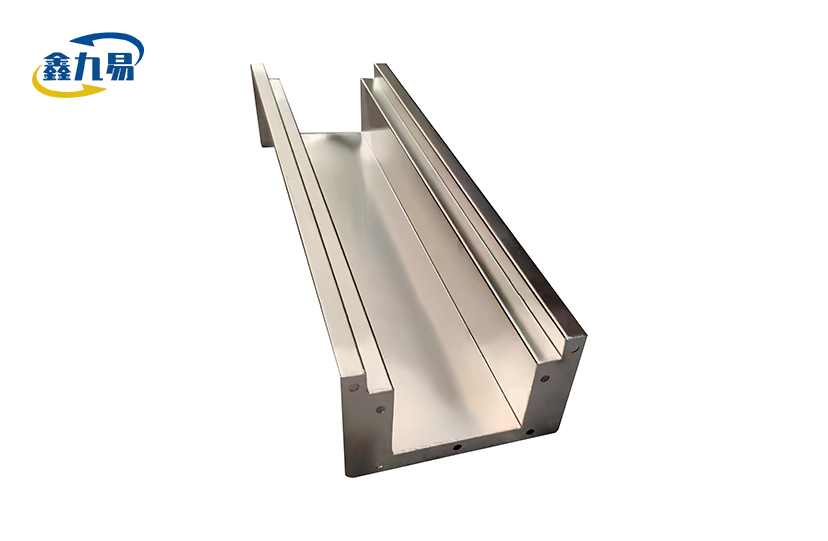
Stainless Steel Trench Drain Grate vs. Cast Iron Grate: Key Differences Explained
When selecting drainage grates for commercial, municipal, or industrial projects, the choice between a stainless steel trench drain grate and a cast iron grate significantly affects long-term performance, maintenance costs, and compliance outcomes. Stainless steel trench drain grates—typically manufactured from Grade 304 or 316 alloy—offer superior corrosion resistance, hygienic surfaces, and precise dimensional tolerances. Cast iron grates, by contrast, deliver proven mechanical strength at a lower entry price. Understanding where each material excels helps procurement professionals make confident, specification-driven decisions from day one.

Understanding Stainless Steel and Cast Iron Trench Drain Grates
Material Properties and Grades
Stainless steel linear drain covers last a long time because they have chromium in them (at least 10.5%), which makes a self-repairing passivation layer. Grade 304 is good for most commercial settings. Grade 316, on the other hand, has molybdenum added to it to make it resistant to chlorides. This makes it good for use near the coast, around pools, and on chemical processing floors. Compressive strength of different kinds of cast iron, like gray iron and ductile iron, comes from the amount of carbon in them. But they don't naturally stop rusting, so they need to be painted or coated with something protective every so often to keep them from oxidizing.
Manufacturing Processes
When making stainless steel grates, they are precision welded, cut with a CNC machine, and finished in several steps. It is possible to get measurements that are within ±0.5 mm with this method. This means that each cover fits snugly into its channel frame without moving or needing to be trimmed on the job site. To make cast iron grates, molten metal is poured into sand molds. It is then time to grind and treat the teeth. When you cast something, you can make complicated shapes, but the mold tolerances are bigger, and the surface finish changes more between runs of production.
Typical Application Environments
Stainless steel channel grates, including the stainless steel trench drain grate, are frequently used in locations where cleanliness and aesthetics are crucial, such as food and drink processing, pharmacies, high-end hotel projects, and public art along the coast. Cast iron grates are still the most popular choice for heavy city streets, freight yards, and industrial areas where the most important thing is getting the most load for the least amount of money. If you fit the material to the area from the start, you won't have to make costly changes in the middle of a job.

Key Performance Differences Between Stainless Steel and Cast Iron Grates
Corrosion Resistance and Service Life
Independent tests done by ASTM International have shown that Grade 316 stainless steel stays strong even after being exposed to salt spray for over 1,000 hours. If you leave unfinished cast iron out in water for a few weeks, the top will begin to rust. Iron that has been coated with epoxy needs to be re-coated every five to ten years in places that get wet. When marine markets in the Middle East or North America buy from wholesalers, they need to make sure that the drainage grate is made of stainless steel. This keeps guaranty claims and product returns from being caused by corrosion.
Load Capacity Under EN 1433 and AASHTO Standards
If they are made correctly, both materials can hold a lot of weight. As per EN 1433, grates made of stainless steel can hold up to Class C250 (25 kN wheel load) when the bar spacing and frame supports are strengthened. When used on normal city roads, cast iron grates can handle up to 40 kN of Class D400 traffic. It doesn't matter what kind of material it is as long as it meets the AASHTO H-20 standards for North American car loads. When buying something, teams should always ask for a static load report, more specifically a 1.5 kN/m² deflection certificate, before they confirm the specs.
Maintenance Cost Comparison
A lifecycle cost study published in the Journal of Infrastructure Systems (ASCE, 2019) found that over 20 years, maintenance costs were 30–45% lower for drainage parts that were not coated with iron. Stainless steel grates only need to be flushed once in a while, but cast iron grates need to be painted, treated for rust, and finally replaced when parts break off. Customers will complain less in the field, and distributors like landscape building materials resellers who have to keep track of large project inventories will get more repeat business.
Design and Customization Options
Surface Finish Choices
A stainless steel trench drain grate can be brushed, polished, satin, or laser cut, among other styles. People expect things to look clean and professional in places like industrial kitchens and car wash bays. Brushed finishes look good in these places. The halls of hotels and high-end shops look great with polished floors. Most cast iron grates are painted a standard gray color. It takes longer and costs more to powder-coat them twice so they look more expensive.
Slot Design and Drainage Efficiency
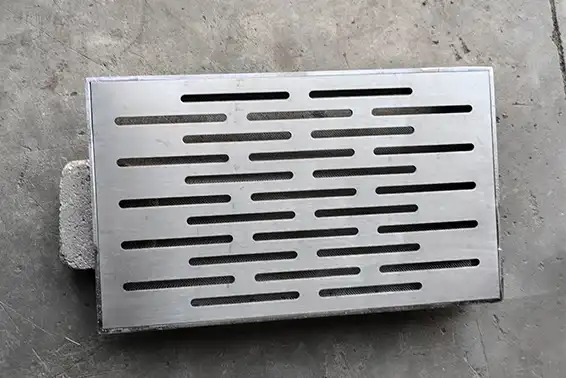
How much water can flow and how the debris is handled are directly affected by the shape of the slots. Stainless steel lets CNC-cut slot widths be as small as 8 mm, which meets ADA heel-safe requirements for pedestrian areas and keeps the open-area ratios high for water flow. There are 10 mm to 30 mm of space between each bar, which can be changed based on the project. When cast iron blocks are made, the shapes of the slots are set. This means that changes made after the planning stage are not as easy to make. The accuracy of laser-cut stainless covers is always liked by architects and yard engineers who are making plans for outdoor drains.
Compliance with Safety Regulations
The ADA says that slots can't be more than 13 mm wide when measured in a straight line from the main direction of movement. The manufacturing of stainless steel always meets this level across all production runs. The level of slip resistance you can get from the surface texture ranges from R10 to R13. Cast iron grates can also meet slip-resistance standards. However, to meet specific ADA slot specs, mold control has to be tightened, which makes the cost of each cast good go up.
Cost Analysis and Procurement Considerations
Initial Cost vs. Total Cost of Ownership
When compared to cast iron grates of the same size and shape, stainless steel grates cost more per unit. When you look at the total cost of ownership over 20 years, stainless steel usually comes out on top. This is because it doesn't need as much coating maintenance, needs to be replaced more often, and the project could be held responsible for failures caused by corrosion. When distributors buy whole trench drain systems that include the body, cover, end caps, and access points, it's easier to keep track of the materials and make sure the quality is good when they only have one material bill of materials.
Supply Chain and Compliance Documentation
The biggest risk for business-to-business buyers who buy from foreign suppliers is always said to be missing certification papers. You need EN 1433 load class certificates, ASTM material test results, SUS 304/316 mill certificates, and NSF/food-grade safety letters for kitchens or processing areas for most projects that are based on standards. This will save you time and trouble at the client site if you choose a stainless steel trench drain grate provider who gives you these papers before the shipment. Distributors have to make sure that the quality of their goods stays high during many handling steps. One way they do this is by using film that doesn't scratch and corner protection.
Installation and Maintenance Best Practices
Proper Installation Techniques
Before steel linear drainage covers are put on, the channel frames need to be clean, level, and free of mortar dust. Because grates are made to fit with a tolerance of ±0.5 mm, if the frame is skewed, the grates will not look right. Do not use a steel hammer to set the grate in place. Make use of a rubber mallet this time. At the frame contact points of cast iron covers, put anti-seize powder to keep them from bonding with concrete support over time.
Routine Maintenance Protocols
To keep both types of grates in good shape and make them last longer, do these things:
- Stainless steel covers: Rinse with clean water weekly in high-use environments; inspect welds annually for signs of crevice corrosion; apply passivation treatment every three to five years in chloride-heavy zones.
- Cast iron covers: Inspect coating integrity every 12 months; re-paint or re-coat any exposed bare metal immediately; check frame seating for uneven wear that may indicate subsidence.
Repair plans that are done on a regular basis lower the chance of structural failure and make things last longer than the 20 years that they are supposed to.
Troubleshooting and Replacement Guidelines
Oxalic acid is a good way to treat stainless steel grates that have a tea-staining color on the surface. This is not structural rust, just a color problem. The cross-section of cast iron grates that have rust pits going all the way through the wall needs to be replaced because it is no longer strong. Do not say that the issue is with the grate itself until you have checked to see if the channel body has settled. A stainless steel cover should clearly bend under the rated load.
Conclusion
You should pick either a cast iron or stainless steel drainage cover based on your needs, your budget, and the setting where you will be working. Because it doesn't rust, is simpler to clean, has a better finish, and requires less maintenance over time, a stainless steel trench drain grate is superior. Most of the time, cast iron has a higher raw load capability per unit cost for neighborhood roads. Companies that sell, build, or own projects in the hospitality, food processing, coastal infrastructure, or high-end business areas have found that stainless steel is the only material that regularly passes inspection and gets fewer complaints after installation.
FAQ
Which stainless steel grade should I specify for a coastal installation?
Grad 316 is the best choice for places with salt spray, seawater, or a lot of chloride. Due to the molybdenum in it, it is much safer than Grade 304.
Can stainless steel grates handle forklift or vehicle traffic?
Yes. When made to AASHTO H-20 loading standards or Class C250 under EN 1433 specs, stainless steel trench covers can support a lot of weight. You should always ask for a static load test report that says the item can handle 1.5 kN/m² deflection over a span of 1 m or more before you buy it.
Why is stainless steel more expensive upfront than cast iron?
It costs more to get raw materials and make fine things out of stainless steel. But because it doesn't need to be re-coated or changed as often and there is less chance of it being turned down at the site because of missing paperwork, the cost over its lifetime is the same as or less than cast iron in most business settings.
What certifications should a supplier provide?
At the very least, ask for EN 1433 load class certificates, SUS 304 or 316 mill certificates, and dimensional inspection reports. There should be NSF compliance paperwork with projects that are about food or medicine.
Are custom slot widths available for ADA compliance?
You can make slots that are 8 mm to 30 mm wide with CNC laser cutting. This meets ADA safety standards for pedestrians and keeps the hydraulic open area that your drainage design needs.
Get a Quote from Xinjiuyi — Trusted Stainless Steel Trench Drain Grate Manufacturer
The trench drain grates that Xinjiuyi makes are bought by distributors and project workers in North America, Europe, and the Middle East. We offer complete trench drainage system sets that come with the channel body, cover, end caps, and entry units. There is all the paperwork you need for EN 1433, ASTM, and material certification in these packages. As soon as possible, get in touch with our expert team to talk about your project or ask for a sample. Send your question to global@xjy8.com or visit xjy8.com to begin.
References
1. ASTM International. ASTM A240/A240M: Standard Specification for Chromium and Chromium-Nickel Stainless Steel Plate, Sheet, and Strip. ASTM International, 2023.
2. European Committee for Standardization. EN 1433: Drainage Channels for Vehicular and Pedestrian Areas. CEN, 2002 (revised 2023).
3. American Society of Civil Engineers. Journal of Infrastructure Systems — "Lifecycle Cost Analysis of Drainage Infrastructure Materials." ASCE, 2019.
4. American Association of State Highway and Transportation Officials. AASHTO LRFD Bridge Design Specifications. AASHTO, 2020.
5. U.S. Access Board. ADA Standards for Accessible Design: Surface and Grating Requirements. United States Access Board, 2010 (amended 2016).
6. ASM International. Stainless Steels for Design Engineers. ASM International, 2008.