ZLP500 Temporary Cradle: Load, Speed and Platform Size Guide
When selecting suspended access equipment for high-altitude construction work, understanding the balance between load capacity, operational speed, and platform dimensions becomes essential. The ZLP500 Temporary Cradle represents a specialized suspended work platform engineered with a 500 kg rated load capacity, powered by dual 1.1 kW motors, and featuring a standard 5-meter platform length. This suspended access equipment addresses the growing need for flexible, cost-efficient vertical access solutions in building facade work, eliminating the setup delays and ground footprint associated with traditional scaffolding while maintaining rigorous safety standards for contractors working on multi-story structures.
Understanding ZLP500 Specifications and Performance Parameters
Load Capacity and Its Impact on Project Planning
The operating range for your hanging platform projects is set by the effective load of 500 kg. This size can fit two workers with normal tools and supplies, making it perfect for painting the outside of buildings, installing windows, and light maintenance jobs. When you figure out how to distribute the weight, don't forget to take into account the weight of the people, tools, and supplies that are on the platform at the same time. When this limit is crossed, the overload safety system kicks in and stops all activities until the load returns to normal.
Buying teams can better match tools to projects when they know how this ability stacks up against other models. For heavier industrial tasks, bigger platforms like the ZLP630 can hold up to 630 kg. However, the ZLP500 Temporary Cradle is the best choice for household and business building projects where portability and ease of setup are more important than load capacity. Because the system is lighter, it doesn't need as many structural standards for roof fixing points. This makes installation easier on buildings that are already there.
Operating Speed and Efficiency Considerations
The range of lifting speeds from 9 to 11 meters per minute has a direct effect on the time it takes to finish a project and how much work gets done. This speed lets operators quickly switch between floors while staying stable and in control. During normal eight-hour shifts, this speed lets teams do multiple elevation changes without losing safety. This is especially helpful when working on buildings with many floors that need to be treated in order.
Controlling the speed in a variable way is very important when getting close to work areas or getting around building obstacles. The LTD50 hoist system speeds up and slows down smoothly, so there are no rapid moves that could make materials unstable or workers uneasy. This controlled motion comes in handy for precise tasks that need to be done correctly, like aligning curtain walls or painting details.
Platform Dimensions and Workspace Optimization
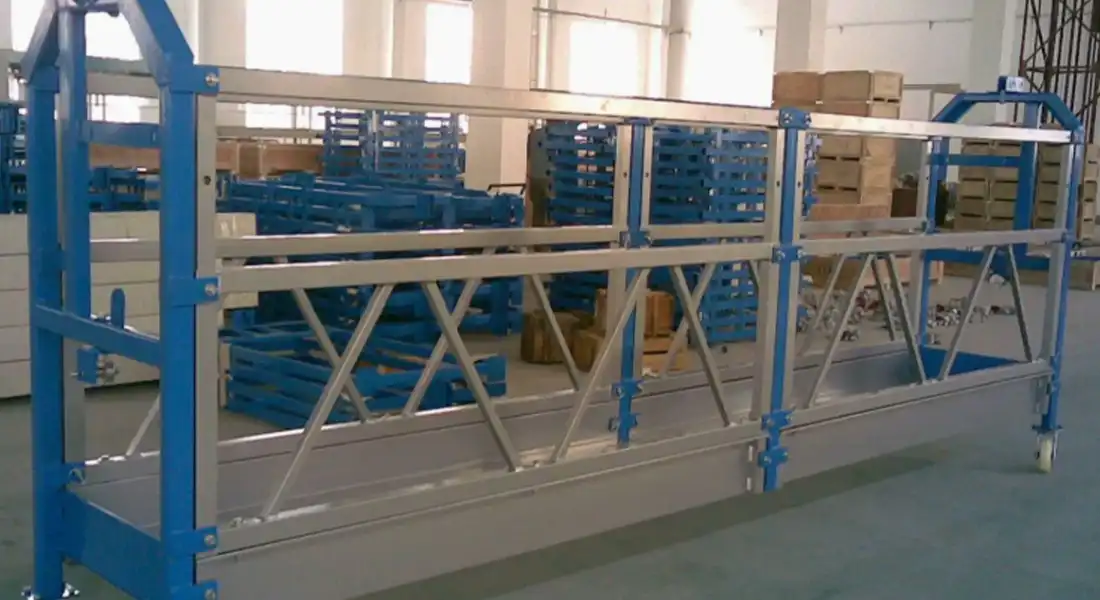
With its length of 5000 mm, width of 690 mm, and height of 1180 mm, the normal platform makes an area that is both large and easy to move around. The 5-meter length lets two workers work next to each other, and there is enough room to store materials and organize tools. The 690 mm width gives it enough depth for a stable base while keeping a slim shape that lets it fit around building features and protrusions.
The height of the ZLP500 Temporary Cradle platform affects both safety and comfort. The 1180 mm fence height is the minimum required by international safety standards. It also lets workers do their jobs without having to bend or reach too far. This design makes it easier to work for long amounts of time without getting tired, which increases output and lowers the risk of accidents.
Safety Features and Installation Best Practices
Integrated Safety Mechanisms
Safety lock models LSA30 and LSA20 are the main fall protection systems. They will automatically engage if the rate of descent goes too fast. These centrifugal locks grab the wire rope in milliseconds, stopping it from falling without control even if the power goes out. The two-lock setup provides redundancy, making sure that if one system has technical problems, the backup will work on its own.
When the power goes out, either because of an electrical fault or the emergency stop button being pressed, the electromagnetic braking system built into each hoist motor stops the movement of the platform. This fail-safe design stops the system from drifting or slowly falling when it's not being controlled. The emergency stop buttons on both ends of the platform let you stop the operation right away from either work location.
Overload sensors constantly check the weight of the platform and sound and light alarms go off when the weight gets too high. The method stops the hoist from working when it's too full, which protects both the safety of the user and the integrity of the equipment. This kind of tracking is especially helpful when materials are being loaded because weight builds up quickly.
Installation Protocol and Site Assessment
The right way to install something starts with checking the roof structure to make sure it can hold the weight of the suspension system and counterweights. The 250 kg suspension system and 750 kg counterweight cause large point loads that need to be analyzed structurally, especially on older buildings or buildings that have had changes made to the roof. Hiring a structural engineer during the planning stage stops installation problems and makes sure that building codes are followed.
Anchor point placement needs to take into account the shape of the building, the size of the work area, and how the weight is distributed. The suspension system needs to be securely attached to structural parts that can handle dynamic loads that go beyond what can be calculated statically. When you use dedicated anchor bolts instead of making do with other fastening methods, you get rid of a frequent place where temporary installations fail.
Wire rope needs to be inspected before every project and during long deployments to find wear, corrosion, or damage that needs to be replaced. The 8.3 mm steel rope used in these systems has specific rules about when it needs to be replaced based on the number of broken wires and the rope's diameter getting smaller. Keeping new ropes on-site keeps projects from being held up when inspections show that the ropes are getting worn down to the point where they need to be replaced.
Maintenance Protocols for Operational Reliability
When to do routine repair depends on how often it is used and the weather. Parts that are near the coast or in an industrial setting need to be checked more often because rust happens faster there. The hot-dip galvanized finish protects the base, but extra steps like regular cleaning and protective coats make it last longer in tough conditions.
Hoist motors need to be oiled as often as the manufacturer recommends, which is usually every three to six months under normal conditions. Checking the oil amount in the gearbox before starting a big job is important, and oil changes should be done at regular times to keep the lubricants from getting dirty or worn out. These preventative steps cut down on unexpected failures during key project phases by a large amount.
Testing of the safety lock's operation happens once a month or after something out of the ordinary happens, like sudden stops or hits. This testing makes sure that the methods for contact and release work properly and within the limits that have been set. By writing down the results of these tests, you can make a maintenance history that is useful for both operational assurance and following the rules.
Comparing ZLP500 with Alternative Access Solutions
ZLP500 versus ZLP630 Model Selection
The difference in size between these types determines the best uses for each one. The ZLP630's extra 130 kg capacity can hold heavier materials or more people, which makes it better for big repair jobs or industrial maintenance that needs big tools in ZLP500 Gondola. However, this higher capacity comes with a heavier system, which changes how it is transported and how much weight it needs to be loaded onto the roof.
The speeds of both types stay in the same range (9–11 m/min), which is a good compromise between efficiency and control. The ZLP630's platform dimensions grow equally, giving you more room but making it harder to move around tight architectural features. Project managers need to think about whether the extra capacity is worth the extra work and money.
Suspended Platforms versus Traditional Scaffolding
Traditional scaffolding covers a larger work area and protects workers from the weather in ways that suspended platforms can't. But putting together scaffolding takes a lot of time and work. For big buildings, it can take days or even weeks to finish. Using ground room for storage makes things more difficult in cities, where accessing sites and storing things are both limited.
With suspended platforms, there is no ground footprint at all, so supplies and other building work can be done without any problems. It only takes hours to set up instead of days, and moving it to face different building faces doesn't take as much work as moving scaffolding. When projects are on a tight plan or have limited site conditions, these benefits become even more appealing.
Cost comparison depends on how long the project takes and how tall the building is. For short-term exterior work, hanging platforms are usually better because they can be set up quickly. On the other hand, scaffolding may be worth the money for long-term projects that last months. The benefits of a suspended platform are amplified by the height of the building, since the costs and difficulty of scaffolding go up with height.
Procurement Insights: Sourcing and Support Considerations
Evaluating Supplier Credentials and Capabilities
Verification of manufacturing certifications, such as ISO9001 quality management, ISO45001 occupational safety, and ISO14001 environmental standards, is needed to find qualified suppliers. These licenses show that the company uses a planned approach to quality control and ongoing growth instead of making things on the spot. By asking for licensing paperwork and audit records, you can see how mature the supplier's operations are.
A manufacturing capacity review tells you if your sources can meet your volume needs and still finish the job on time. Site trips let you see production facilities, quality control systems, and systems for managing supplies up close. Most of the time, suppliers who use specialized suspended platform production lines get better consistency and faster lead times than suppliers who use these systems as secondary product lines.
The level of technical support has a big effect on how happy people are with the equipment they buy in the long run. Suppliers who offer pre-installation advice, operator training, and quick troubleshooting help lower operational risks and get the most out of the equipment. If you look at the support system before you buy it, you won't find out about problems when you need help right away.
After-Sales Service and Long-Term Partnership Value
Throughout the duration of an item, the availability of genuine substitute parts affects its ability to keep working and the cost of its upkeep. Suppliers who keep a large collection of parts can quickly replace worn-out parts, which cuts down on downtime during important project stages. The cost of parts and the ability to get them from different sources are both affected by whether they work with standard components or proprietary designs.
The warranty terms show that the company that made the product is confident in its longevity and performance. During the first few years of ownership, comprehensive guarantees protect against manufacturing flaws, material failures, and malfunctioning parts. Knowing how to file a warranty claim and how long it will take for an answer helps you set realistic goals for how the problem will be fixed.
Having suppliers who see transactions as the start of partnerships instead of the end of a relationship adds value beyond the initial purchase. Suppliers who care about their customers' success give you market information about changes in regulations, new technologies, and best practices for applications that make you more competitive and improve the efficiency of your operations.
Maximizing Value Through Strategic Equipment Selection
Matching Specifications to Project Requirements
Finding the exact height needed for a project is the first step in project-specific parameter analysis. The minimum platform trip distance is set by the building's height, the height of the roof, and the need for working space. Adding extra space for unexpected needs keeps equipment limitations from getting in the way of the project.
Access pattern review looks at whether projects need ZLP500 Temporary Cradle people to work in one place or move continuously across faces. When working on specific parts of a building, projects may benefit from placement that stays in one place and is moved every so often. On the other hand, full wall treatments need to be able to move horizontally easily. Knowing these trends affects both choosing the right tools and planning how to run the business.
Safety rules must be followed in different places and for different kinds of projects. For government projects, certain safety measures and certifications are often needed that aren't required for business buildings. By finding the relevant standards early on, you can avoid having to make expensive changes or replace equipment in the middle of a project because of a compliance gap.
Application-Specific Recommendations
The ZLP500 Temporary Cradle's ability to be quickly deployed and repositioned helps building repair activities. For regular jobs like window cleaning, small repairs, and inspections, there's no need to invest in fixed access infrastructure. The hanging platform lets people get to it whenever they want, without having to store it for a long time or keep up with the care of equipment that isn't being used.
Painting and coating on the outside of buildings benefit from the stable work area and uniform placement that platforms provide. When you work horizontally along facades while keeping an accurate elevation, you get consistent results that are hard to get with other access methods. When the platform is both a work surface and a staging area, moving things around is easier.
For projects like installing curtain walls and glazing, you need to be able to precisely position and carry large panels. The ZLP500 Temporary Cradle can hold two installers and their supporting equipment, so they can work together to lift and place things. The controlled movement in both the vertical and horizontal directions lets you make small changes while aligning the panels, which improves the quality of the installation and cuts down on rework.
Return on Investment and Total Cost of Ownership
Lifecycle economics is directly affected by how long an item lasts. Corrosion protection is provided by hot-dip galvanized steel or an aluminum alloy alternative. With proper upkeep, the service life can be extended to 20 years. Because it lasts for a long time, the initial investment is spread out over many projects, which lowers the cost of tools per project compared to rental options.
Rapid rollout and minimal setup requirements improve operational efficiency. This saves money on labor costs and speeds up the finishing of projects. With hanging platforms, projects that might take three weeks with regular scaffolding could be finished in two weeks, saving money on labor costs and letting the building be used or moved on to the next step earlier.
When properly defined and kept suspended platforms are used, they improve safety and lower the costs of accidents, such as medical bills, fines from the government, and project delays. The high cost of modern systems is justified by the fact that they have many safety features that lower risks and insurance rates.
Conclusion
To choose the right hanging access equipment, you have to weigh the project's needs and the limitations of the site while taking into account the equipment's load capacity, speed of operation, and platform size. The ZLP500 Temporary Cradle hanging work platform is strong and flexible enough for small to medium-sized exterior work. It has enough capacity, is easy to use, and has many safety features. Procurement professionals can make decisions that are best for both the project and the equipment's long-term value when they understand these specifications and how they apply to real life. Strategic connections with suppliers and following the right repair procedures will help you get the most out of your investment and make sure that it works reliably in all kinds of situations.
FAQ
What defines the maximum safe working load for the ZLP500?
The 500 kg rated capacity includes all people, tools, and materials that are on the platform at the same time. This limit keeps structure safety gaps and takes into account dynamic forces during operation. If this weight is exceeded, overload safety systems stop the platform from working until the load drops to a safe level.
How often should safety locks undergo professional inspection?
Every six to twelve months, depending on how often the lock is used and government rules, it is inspected. Facilities that use their equipment every day need to be tested more often than those that only use it sometimes. During each review, the timing of engagement, the usefulness of the release, and the mechanical state of all parts are checked.
Can operators lower the platform manually during power failures?
The LTD50 hoist has a manual descent feature that lets you lower it safely without using electricity. This safety function lets you safely return to the ground even if the power goes out, so workers don't get stuck up high.
What environmental conditions restrict platform operation?
When continuous winds are higher than 10.8 m/s, wind speed rules usually make it illegal to operate. Because rain, snow, and ice make it easy to slip and see, operations must be stopped. Extreme temperatures can affect how well a part works, so you need to follow the manufacturer's instructions when using it outside of normal temperature ranges.
Partner with Xinjiuyi for Reliable Suspended Access Solutions
Hebei Xinjiuyi Construction Technology Co., Ltd. delivers comprehensive suspended platform solutions backed by ISO9001, ISO45001, and ISO14001 certifications. Our manufacturing capabilities support both standard configurations and custom specifications tailored to unique project requirements. As an experienced ZLP500 Temporary Cradle manufacturer, we combine advanced production technology with rigorous quality control to ensure every system meets international safety standards. Our technical team provides pre-sales consultation, installation guidance, and ongoing support throughout your equipment lifecycle. Contact us at global@xjy8.com to discuss your specific access requirements and discover how our suspended platform systems can enhance your project safety and efficiency. Visit xjy8.com to explore our complete product portfolio.
References
1. American National Standards Institute. (2019). Safety Requirements for Suspended and Supported Equipment for Building Maintenance. ANSI/IWCA I-14.1 Standard.
2. Construction Safety Association. (2021). Guidelines for Suspended Access Equipment Operation and Maintenance. Industrial Safety Publication Series.
3. International Organization for Standardization. (2020). Suspended Access Equipment - Design Calculations, Stability Criteria and Safety Requirements. ISO 16368 Standard.
4. National Institute for Occupational Safety and Health. (2022). Fall Prevention in Construction: Evidence-Based Safety Interventions for Temporary Work Platforms. NIOSH Publication Series.
5. Occupational Safety and Health Administration. (2023). Powered Platforms for Building Maintenance Compliance Guidelines. OSHA Technical Manual Section V.
6. Society of Professional Engineers. (2021). Engineering Analysis of Suspended Platform Systems: Load Distribution and Structural Integration. Professional Engineering Journal, Volume 47.