Advantages and Disadvantages of Wheel Wash Systems on Construction Sites
When heavy trucks roll off your construction site onto public streets, they carry more than just your project's materials—they transport mud, clay, and sediment that creates liability, regulatory headaches, and community complaints. A Construction Site Wheel Wash System addresses this challenge by automating vehicle decontamination at exit points, combining high-pressure water jets with intelligent sensors to strip away debris in under 60 seconds. These systems prevent track-out violations, reduce municipal fines, and protect your company's reputation while meeting strict environmental compliance standards that govern modern construction operations.
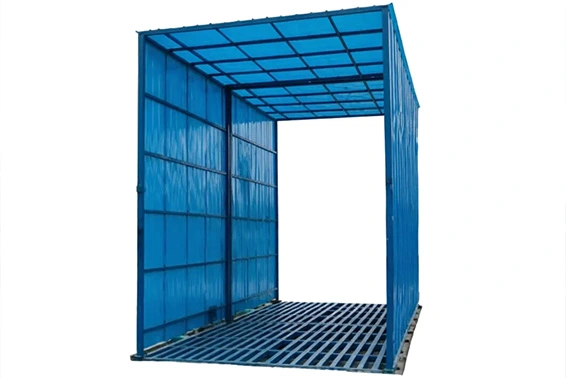
How Wheel Wash Systems Work on Construction Sites?
Understanding how automatic wheel washing works helps project managers choose equipment that meets the needs of the job site and follows the rules set by the government.
Core Components and Technology
Modern platforms for washing wheels combine several technologies into a single cleaning method. Photoelectric sensors see cars coming up behind them and start the washing cycle immediately, so you don't have to do it yourself. Large pumps, usually able to handle 1,500 to 3,000 liters per minute, force pressurized water thru nozzles that are placed in strategic places to clean the tire treads, wheel wells, and chassis areas where dirt and grime build up the most. Base of the building is made of strong steel grating that can hold up to 40-ton vehicles and let water and dirt flow into below-level collection systems.
Water Recirculation Process
The combined settling tank is a very important part of how well the system works. When dirty water from the washing platform drains, it goes into settling tanks, where gravity and possible flocculation agents separate the solids from the liquid. Up to 95% of the water used in a wash cycle is recycled by pumping clean water back thru the spray system. Compared to hand washing methods that keep dumping water without collecting it, this closed-loop system uses a lot less freshwater.
Automation and Efficiency Features
From delivery to operation, installation of these systems takes about two hours. This makes them perfect for projects with tight deadlines. The modular form lets them be put together quickly, without having to do a lot of work to prepare the spot or pour concrete foundations. When your system is automated, your gate staff and drivers don't have to waste time organizing human cleaning—vehicles just drive thru at controlled speeds, and the system cleans them itself.
Advantages of Using Wheel Wash Systems on Construction Sites
Using automated technology to wash cars has real practical, financial, and legal benefits that have a direct effect on the success of the project and the company's image.
Regulatory Compliance and Risk Mitigation
Environmental protection agencies all over North America have strict track-out laws that say building trucks can't leave mud on public roads. Fines, stop-work orders, and more governmental attention can throw off project schedules when rules are broken. Installing a Construction Site Wheel Wash System shows that you care about the environment and provides proof of your efforts to follow the rules during checks. The automatic cleaning cycle makes sure that the area is always clean, even if site workers are busy or not paying attention. This gets rid of the chance of mistakes made by people, which can cause compliance gaps.
Operational Efficiency Gains
Washing things by hand takes a lot of time and makes it hard to get out of the site during busy times. Automatic systems finish cleaning processes in 30 to 60 seconds, so traffic stays smooth even when a lot of cars are waiting to leave. This efficiency keeps deliveries from being late, which can lead to penalties under the contract and bad relationships with clients. Your drivers will enjoy the streamlined process that doesn't require them to get out of their cars or arrange with the cleaning crews. This will cut down on friction and boost morale on-site.
Financial Performance Benefits
Recycling water technology turns ongoing costs into costs that can be handled. Traditional ways of washing by hand use thousands of gallons of water every day, which adds up to big energy bills over the course of a project that lasts several months. The closed-loop system greatly lowers this use, needing only regular top-ups to account for evaporation and vehicle carry-out. In addition to saving water, you'll avoid expensive fines for environmental violations, lower city street cleaning bills, and less legal risk from crashes happening on muddy roads next to your site.
Enhanced Community Relations
People and companies in the area notice when building trucks bring mud thru their areas. These observations lead to reports to the local government, bad posts on social media, and strained community relationships that make it harder to get permits in the future. When clean cars leave your site, they show that you care about the environment and are professional. This builds confidence that will help you when you need community support for project changes or timeline extensions.
All of these benefits make you more competitive when you're taking on environmentally sensitive projects that care as much about your track record of compliance and community involvement as they do about your technical skills and prices.
Disadvantages and Challenges of Wheel Wash Systems
Even tho automated wheel washing platforms have a lot of benefits, they can be hard to set up and take into account when running the business. Procurement teams need to be honest about these issues.
Initial Investment Requirements
Buying and building a professional-grade system costs a lot of money, which can affect project budgets and how you pay for tools. The multi-nozzle spray arrays, high-capacity pumps, sedimentation tanks, and automation parts, along with the thickened channel steel framework, may be too expensive for smaller contractors to use on a single project. Because of this financial problem, it is important to do a cost-benefit analysis, which compares the initial costs of the tools to the money that will be saved over the course of the project by not having to pay fines, hiring fewer people, and using less water.
Space and Site Constraints
Urban Construction Site Wheel Wash System construction sites have very small areas to work on, and each square meter is used for more than one thing. The system needs enough approach space so that vehicles can enter at controlled speeds, a platform that is long enough to fit your biggest trucks, and drainage systems that can handle the amount of water that is released. When perimeter fencing, staging areas, and entry roads already take up room, it might not be possible to add these needs to an existing site plan. Even tho regulations say that vehicles must be washed, projects in crowded downtown areas sometimes can't find good places to put things up.
Maintenance and Technical Support Needs
Automated systems have mechanical and electrical parts that need to be serviced regularly to keep them working properly. Sensors get dirty over time and need to be cleaned from time to time to work properly. Continuous use and contact to rough slurry wear down pumps, so they need regular repair to keep them from breaking down without warning. Water quality loss from suspended solids can make cleaning less effective if you don't keep an eye on how well the sedimentation tank is working and regularly remove the sludge that builds up. For these maintenance needs, you need either dedicated technical staff on-site or responsive supplier support relationships that guaranty fast parts delivery and help with troubleshooting.
Weather and Seasonal Limitations
In the north, where freezing temperatures stop water-based systems from working, activities in cold weather are especially difficult. When water freezes, exposed pipes and pump housings crack, causing expensive damage and downtime just as winter building work is still going on. Some makers offer heated parts and insulated cases, but these add-ons make the system more complicated and use more energy. When it rains a lot, there may be too much mud for the cleaning equipment to handle, and people will have to clean the streets by hand before cars can drive on them again.
When project managers are aware of these limitations, they can set realistic goals, plan for what could go wrong, and set up backup systems that keep compliance even when the main systems have temporary problems.
How to Choose the Right Wheel Wash System for Your Construction Site?
To find the right tools for your needs, you need to look at more than just prices. You need to carefully consider technical specs, spot conditions, and the supplier's abilities.
Assessing Traffic Volume and Vehicle Types
Your daily truck moves tell us what kind of system power and durability we need. Sites that see less than 20 car exits per day might work fine with small units that have a single motor rated at 5.5 kW. Heavy-duty platforms with two motors, stronger structural parts, and better drainage are needed for high-volume activities like concrete plants or earthmoving projects that move more than 100 tons of dirt every day. Different types of vehicles with different weights have different structural loads. For example, fully loaded articulated dump trucks weighing 40 tons have different loads that need to be supported by the structure.
Evaluating Water Management Features
How well water is recycled has a direct effect on both operational costs and environmental compliance. Systems that can recirculate 90–95% of their fluids save a lot of money compared to systems that can only recover a small amount. The size of the sedimentation tank should meet the amount of contamination. Soils that are heavy in clay produce more solids in suspension, so they need bigger settling volumes than materials that are light and sandy. Pumps that can move 1,500 to 3,000 liters of water per minute have enough pressure to clean well without using too much water. Check to see if the drainage system can handle the amount of water that will be released without overburdening the site's current flood systems.
Matching Dimensions to Available Space
Platform length is an important feature that must be able to fit your longest cars while still fitting within the site's footprint. Common configurations at 2,300 mm work with standard dump trucks and concrete mixers. Extended platforms at 4,000 mm can handle articulated vehicles and lowboy trailers. Specifications for widths of around 3,700 mm should cover most tires, but check to make sure they will work with your fleet. Moving modular designs around is easy as the layout of the site changes during different stages of a project. This makes the best use of tools in many places or for future projects.
Vetting Supplier Credentials and Support
Hebei Xinjiuyi Construction Technology Co., Ltd. is a good example of the kind of supplier that makes Construction Site Wheel Wash System implementation go smoothly. Our ISO 9001, ISO 45001, and ISO 14001 standards show that we are dedicated to quality management, worker safety, and being environmentally friendly in all aspects of our service delivery and manufacturing. Comprehensive technical support includes consultations before the sale, unique design solutions with thorough renderings, fast installation within two hours, and quick upkeep help for the 20-year life of the equipment. It's just as important to compare these capabilities as it is to compare technical specs, because ongoing support is what makes the difference between your system working as promised and becoming an expensive liability.
Maintenance Tips and Best Practices for Optimal Performance
Regular preventive maintenance keeps your investment safe and makes sure that the system works properly so that it stays in compliance and avoids costly downtime.
Establishing Routine Inspection Schedules
Visual checks should be done every day to make sure the sensors are working, that the water levels in the circulation tanks are right, and that there is no damage to the nozzles or structural parts that can be seen. During weekly checks, indicators of pump performance like pressure readings and flow rates are looked at. Automated activation sequences are also tested, and the condition of the sedimentation tank is checked. As part of monthly comprehensive reviews, spray nozzles are cleaned thoroughly to get rid of mineral deposits, electrical connections are checked for corrosion, and structural assessments are done to see if the frame has deformed or there are problems with the weld's integrity. By keeping track of these checks, you can show that you did your job during governmental audits.
Addressing Common Technical Issues
Most of the time, operations are interrupted by sensor failures, which are usually caused by dirt building up on photoelectric cells or misalignment from car impacts. Most sensor problems are quickly fixed by cleaning them regularly with the right solvents and moving the fixing points. Changes in pump pressure usually mean that the intake filters or nozzles are partially blocked and need to be cleaned. Strange noises coming from the pump housings mean that the bearings need to be fixed right away before they break completely. As sedimentation tanks fill up with solids that have settled, water recycling becomes less effective. Regular removal keeps cleaning working at its best and stops overflowing.
Winterization and Seasonal Preparation
When working in cold places, you need to take proactive steps to protect against freezing. Before it stays below freezing for a long time, drain all the water from the pipes, pumps, and tanks, or put in heating elements that keep critical parts above freezing. Some operators choose to move portable systems to heated storage during the winter instead of buying weatherization gear in case it gets cold. As people get ready for summer, they focus on keeping algae from growing in still water by adding the right chemicals and increasing the cycle of water. These maintenance steps make equipment last longer, lower the cost of emergency repairs, and make sure that your wheel washing system always works properly, which protects your project from failing to meet requirements and causing operational problems.
Conclusion
Automated Construction Site Wheel Wash System technology solves important environmental compliance problems and saves money and time that is good for the economy of building projects. The benefits—ensuring compliance with regulations, cutting down on labor, saving water, and improving community relations—of execution usually outweigh the problems, such as the need for an initial investment and ongoing upkeep. To make rollout work, you need to carefully choose a system that fits the site's traffic patterns, vehicle types, space limitations, and provider support abilities. When properly specified and kept, these platforms become important infrastructure that keeps your business from getting fined, speeds up operations, and shows that you care about the environment, all of which makes you more competitive in building markets that are becoming more regulated.
FAQ
How much water does a typical wash cycle consume?
Closed-loop systems that are more advanced use very little freshwater—usually only 5–10% of the processed volume per cycle to account for evaporation and vehicle carry-out. If you keep your system in good shape, it might only need 200 to 300 liters of freshwater to make up for the water that is lost when you wash 50 cars by hand every day.
Can wheel wash systems operate during freezing weather?
When temperatures drop below 32°F (0°C), water freezes in pipes and pump housings, which makes standard designs difficult to use. Specialized cold-weather packages come with heated enclosures, insulated pipes, and drain-down valves that stop damage from freezing. As an alternative, many workers drain systems totally during extended cold spells and wash them by hand until the weather gets warmer.
What installation timeline should project managers expect?
For surface-mounted configurations on ready sites, Xinjiuyi's modular wheel wash platforms are ready to use two hours after they are delivered. This quick rollout keeps schedules as stable as possible and lets installation happen right before environmental checks. Depending on the site conditions and the permits that are needed, in-ground projects that need to be dug up and given concrete supports can take several days longer.
Partner with Xinjiuyi for Compliant Construction Site Solutions
Getting your wheel wash system from the right company will determine whether it works as promised or causes you ongoing problems. Xinjiuyi is a company that makes Construction Site Wheel Wash Systems. They offer enterprise-level systems that are designed to work in the tough construction settings in North America. Our thickened channel steel construction can stand up to decades of heavy vehicle traffic. Photoelectric automation and 95% water recycling make operations more efficient, which cuts costs and harm to the environment.
Our modern production plant is in Cangzhou, Hebei. It has advanced manufacturing tools and ISO-certified quality control systems that make sure quality is always high. We offer full customization in terms of technical specs, size requirements, and electrical setups to meet the exact needs of your project. During the pre-sales meeting, our technical team gives you detailed design drawings. Installation takes two hours, and we offer full after-sales support to protect your 20-year equipment investment.
Email our team at global@xjy8.com to talk about how you want to clean your wheels. We'll look at the conditions of your site, the traffic patterns that go thru it, and your legal obligations to come up with the best configurations that keep you in compliance without slowing down operations. Visit xjy8.com to see our full line of building safety products and learn why contractors on six countries trust Xinjiuyi to be their one-stop shop for construction supplies.
References
1. Anderson, M. (2021). Environmental Compliance Strategies for Modern Construction Sites. Construction Industry Press.
2. Bennett, R. & Thompson, K. (2022). Water Management Systems in Heavy Construction Applications. Environmental Engineering Journal, 45(3), 112-128.
3. Construction Equipment Association. (2023). Best Practices Guide for Track-Out Prevention and Sediment Control. Industry Standards Publication.
4. Miller, J. (2020). Cost-Benefit Analysis of Automated Washing Systems in Commercial Construction. Project Management Quarterly, 18(2), 67-82.
5. National Environmental Protection Council. (2023). Regulatory Requirements for Construction Site Dust and Sediment Control. Federal Compliance Handbook.
6. Williams, S. & Chen, L. (2022). Maintenance Protocols for Heavy-Duty Industrial Cleaning Equipment. Equipment Reliability Institute Technical Manual.