How Does a Carpenter Working Canopy Improve Outdoor Working Conditions?
A carpenter working canopy fundamentally transforms how outdoor woodworking operations perform on active construction sites. By creating a controlled micro-environment above timber cutting stations and formwork zones, it shields workers, tools, and raw materials from rain, UV exposure, airborne debris, and wind disruption. The result is a measurable reduction in weather-related downtime, better material preservation, and a safer daily work rhythm. For procurement managers evaluating site infrastructure, understanding exactly how these protective shelters deliver operational value is the starting point for making a confident sourcing decision.


Understanding Carpenter Working Canopies and Their Role Outdoors
When woodworking is done outside, nature puts constant pressure on the workers. Kiln-dried wood bends in just a few hours when it rains. Direct sunlight weakens glues and makes it hard for people to use power tools for eight hours straight. Sawdust gets into precise cuts and across adjacent areas when the wind blows, which can lead to quality problems and breathing problems.
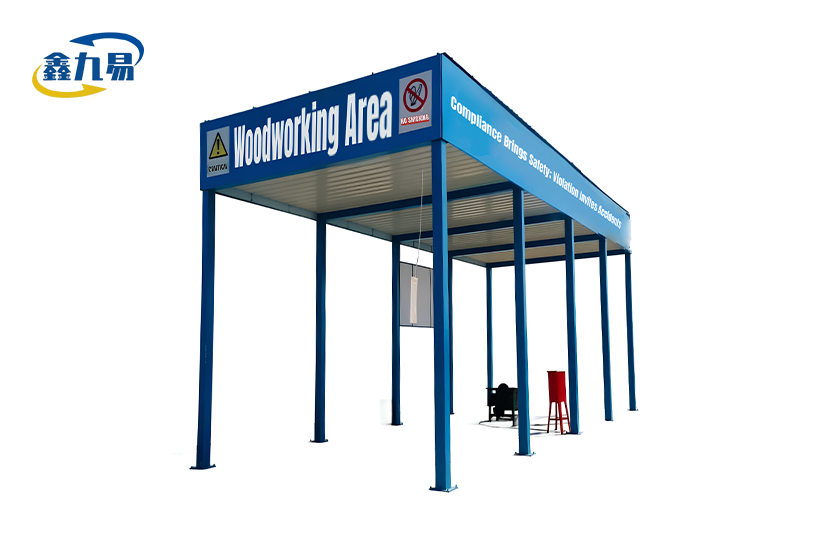
All three problems can be solved at the same time by building a house just for woodworking. A building site carpenter working canopy is different from a fun gazebo or a general-purpose tarp because it is made with load-bearing steel frames, fire-resistant covering, and safety-acceptance-aligned dimensions.
Fixed vs. Modular Shelter Designs
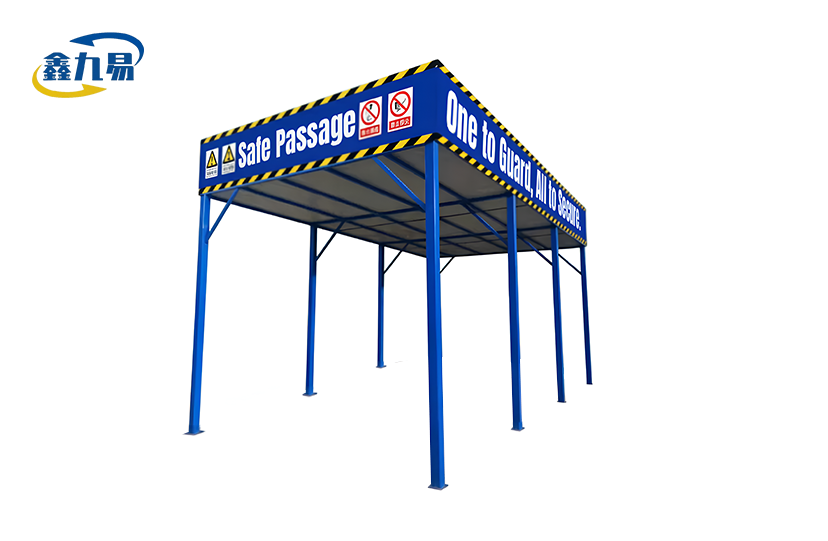
For long-term projects, fixed canopies work well for permanent wood processing stations. Modular bolt-connection systems, on the other hand, let you move them as the site's layout changes. For example, the Xinjiuyi carpenter working canopy has a standard design for welding and bolt-assembly that works with both types of setups. Standard coverage is 6,000 mm x 3,000 mm, but it can be made wider up to 6,000 mm, and there is a clearance height of 3,700 mm, which is enough for tall formwork panels and vertical stacking of lumber.

Key Benefits of Using a Carpenter Working Canopy
A designated craft shelter is useful for many reasons, not just keeping out the rain. When this kind of infrastructure is used regularly on a construction site, it improves safety, the quality of the materials, and the efficiency of the workers.
Here are the main benefits that buying managers always list:
- Weather-independent productivity: Covered cutting stations let circle saws, table saws, and panel saws work even when it rains, so the program doesn't have to be stopped. The Construction Industry Institute did research that showed unexpected weather stops can take up to 10% of all project labor hours on open sites. This is exactly the kind of problem that a carpenter working canopy is meant to solve.
- Material preservation: Kiln-dried wood that is kept under a fire-resistant, weatherproof roof keeps the amount of wetness that was specified. Long-term structural risk comes from lumber that soaks up rain before it is installed. Covered staging gets rid of that variable completely.
- Noise and dust containment: A well-built carpenter working canopy has two walls that face each other. This keeps sawdust and wood chip splashes inside the designated area. This keeps other parts of the site from getting contaminated and allows for more civilized construction inspections.
- Fire safety compliance: Canopies made with fire-resistant materials on top and around them meet the standards that local safety inspectors use for wood processing zones. This is a must for projects that want to get a provincial or city standardized site certification.
These benefits directly fix the three problems that safety managers complain about the most: failed fire inspections, damage to lumber from water, and schedules that get pushed back because of bad weather. A shaded woodworking area turns an open risk into an asset that is safe and can be checked.
How to Choose the Right Carpenter Working Canopy for Your Business?
Instead of going with the lowest price, choosing the right shelter building means matching the product specs to the conditions of the spot. Thin-walled steel columns rust quickly in damp outdoor settings, and frames that are too small bend when they're loaded with snow or other debris. These are both problems that experienced purchasing managers have seen with commodity-grade products. A high-quality carpenter working canopy avoids these structural failures.
Structural Material Standards Matter
The main columns should be made of high-strength steel that meets national standards. The canopy over Xinjiuyi is made up of 100 mm × 100 mm columns with 2.0 mm wall thickness and 50 mm × 50 mm main beams with the same gage. The side beams and purlins step down to the right width of 1.5 mm, which balances strength and weight. After getting a skilled powder coat or spray treatment, the metal itself, not just the surface, is sealed off from wetness.
Customization Alignment With Local Acceptance Standards
Different provinces and cities have different guidelines for checking standardized building sites. A canopy that passes review in one place might need to have its size or color changed in another. Safety directors who are in charge of projects in multiple cities often worry about the cost of making changes after the products have been delivered. Suppliers who offer width customization from 3,000 mm to 6,000 mm, height modifications, branded color schemes, and multilingual safety signage can help reduce this risk.
Practical Tips for Setting Up and Maintaining Carpenter Working Canopies
Any outdoor shelter structure will last longer if the site is properly prepared before it is put together. Level ground has a direct effect on column straight, which in turn has an effect on how the load is distributed across the whole frame. If the base footprint moves more than 10 mm, it puts extra stress on the parts that were soldered together. A well-installed carpenter working canopy ensures long-term stability.
Routine Maintenance Checklist
Three things should be checked every season: the state of the fire-resistant cladding, the stability of the coating on the steel surfaces, and the torque of the connection bolts. A short tour every three months finds micro-corrosion early, before it gets worse and causes structural damage. Moisture can't get trapped under the coating layer if the canopy is completely dry before a long period of shutdown.
Anchoring is necessary before strong winds happen. Anchor points on the ground should be tightened before gusts are expected, not after the fact. These simple rules keep the structure the same across release cycles for multiple projects. This spreads the cost of the capital over three to five site rotations.
Future Trends and Innovations in Carpenter Working Canopies
The type of housing made from wood is going toward modular intelligence. Transport weight is going down without lowering load ratings thanks to lightweight high-strength alloys. Fire-resistant cloth technologies are changing to include UV-stabilized treatments that keep working for five years or more when left outside instead of needing to be replaced every year.
The need for flexible and movable carpenter working canopy systems is also changing the way builders plan their sites. Instead of adding the carpenter shelter as an addition for convenience's sake, safety managers who are ahead of the curve now include it in the first plans of the site layout along with hoisting zones and platforms for offloading materials. When suppliers offer integrated product lines like canopies with guardrails, safety experience zones, and wheel wash systems, procurement teams can combine vendors and make it easier to manage compliance on the site. Sustainability-focused buying rules are making people even more interested in buildings that can last 15 to 20 years. This is because they leave less of an impact on the environment when they are manufactured over and over again.
Conclusion
A good cover for woodworking does more than just keep rain off of a cutting table. It creates a safe, productive, and observable area that meets safety certification requirements, keeps materials safe, and keeps work schedules intact during bad weather. Three things—the strength of the steel frame, how well the fire-resistant covering works, and how easy it is to change the size of the roof to meet local standards—determine whether a carpenter working canopy will last for a long time or need to be replaced over and over again. When those criteria are used to make procurement decisions, the projects always turn out better.
FAQ
Can a carpenter working canopy be used year-round in cold or wet climates?
Yes. Structures made with national standard high-strength steel frames and a professional anti-corrosion surface treatment will hold up through freeze-thaw cycles and heavy rain. When used on high-quality units, the fire-resistant cladding keeps its shape over a wide temperature range. Checking the torque on bolts regularly in the fall keeps them from coming loose during the winter, when temperatures rise and fall.
What is the realistic service life of a steel woodworking canopy?
If you keep up with it and use good base steel and full surface cleaning, a building should last 15 to 20 years and be used on many projects. Lifespan is directly related to the quality of the finish. Units that get annual surface checks and spot treatments last much longer than units that aren't checked.
How long does assembly typically take on a new site?
A trained crew can put together a normal 6,000 mm x 3,000 mm unit in one working day thanks to modular bolt-connection designs. Manufacturers' detailed paperwork on parts cuts down on setup time by getting rid of the need to guess during the first installation.
Does the canopy meet fire safety acceptance requirements?
The top and sides of units made with fire-resistant materials are made to meet the fire safety standards for areas where wood is processed on standard construction sites.
Partner With Xinjiuyi — Your Trusted Carpenter Working Canopy Manufacturer
Xinjiuyi delivers purpose-engineered woodworking shelter solutions built to exact compliance specifications, with full customization across dimensions, colors, and multilingual safety signage. Whether you are sourcing a single project unit or placing a volume order as a regional distributor, our team supports you from technical confirmation through on-site installation guidance. Reach us at global@xjy8.com or visit xjy8.com to request specifications and project-tailored quotations.
References
1. Construction Industry Institute. Weather Impacts on Construction Productivity. Construction Industry Institute, 2019.
2. Occupational Safety and Health Administration. OSHA Construction Industry Regulations: 29 CFR Part 1926. U.S. Department of Labor, 2022.
3. National Fire Protection Association. NFPA 241: Standard for Safeguarding Construction, Alteration, and Demolition Operations. NFPA, 2022.
4. American Institute of Steel Construction. Steel Construction Manual, 16th Edition. AISC, 2023.
5. Construction Safety Association of Ontario. Temporary Structures and Site Protection Best Practices. CSAO, 2021.
6. International Organization for Standardization. ISO 9001:2015 — Quality Management Systems: Requirements. ISO, 2015.