What maintenance is required for a Tower Crane Maintenance Platform?
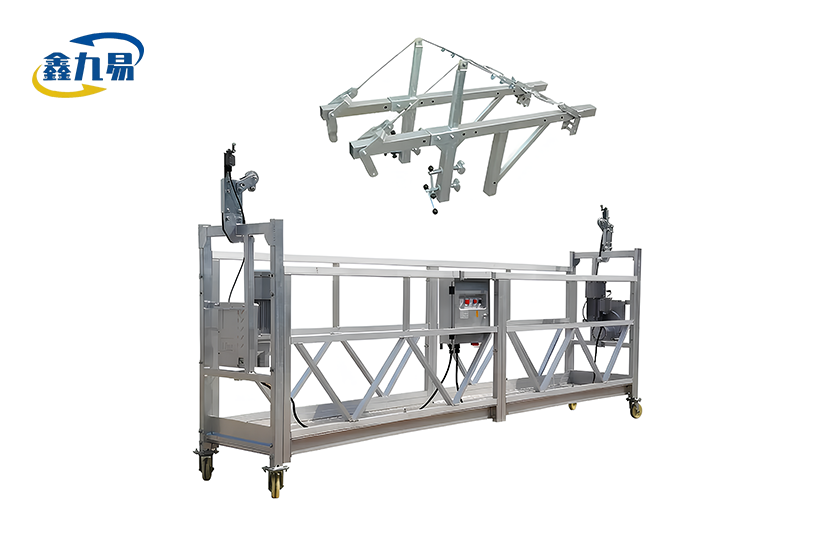
Proper maintenance of a Tower Crane Maintenance Platform involves systematic inspections, cleaning, corrosion prevention, and structural integrity checks to ensure safe high-altitude operations. Routine tasks include examining welds and connections for cracks, verifying load-bearing capacity, applying protective coatings to prevent rust, and replacing worn components like anti-slip gratings or guardrails. These measures extend equipment lifespan, maintain compliance with OSHA and ISO standards, and protect technicians working on tower crane jibs, slewing mechanisms, and climbing assemblies. Regular upkeep transforms potential safety risks into controlled, predictable maintenance cycles that reduce downtime and operational costs.
Understanding the Core Maintenance Requirements for Tower Crane Platforms
When it comes to high-altitude work sites, structure health and following the rules must be given full attention. At Xinjiuyi, we know that every part is important for keeping your workers safe while they are doing important Tower Crane Maintenance Platform maintenance work. Understanding what makes these Tower Crane Maintenance Platforms stable is the first step to doing good maintenance.
Structural Integrity as the Foundation
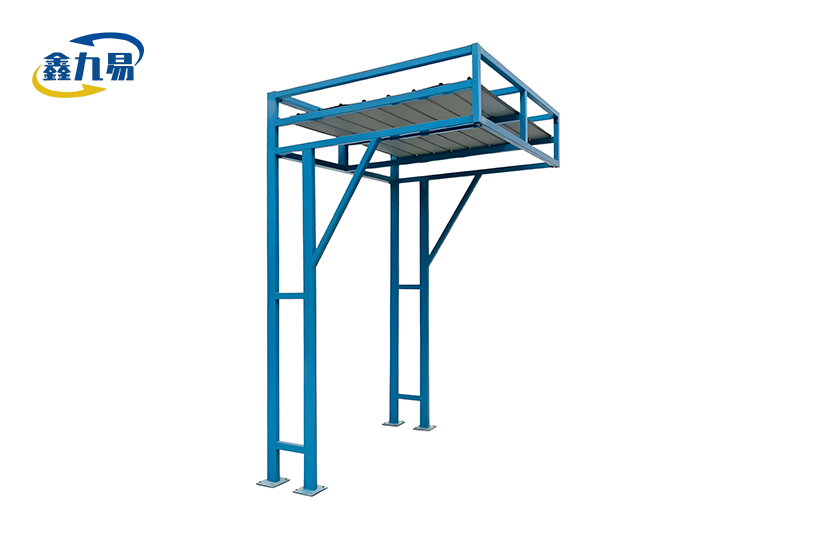
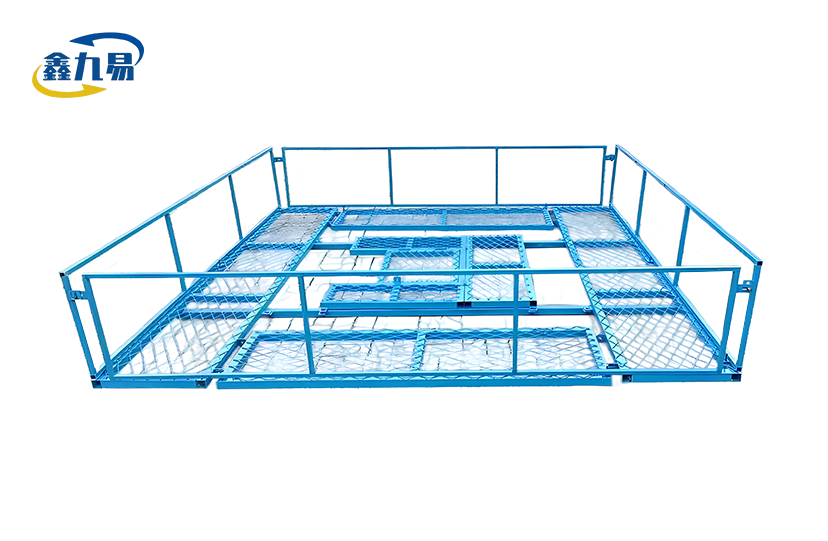
Galvanized steel load-bearing frames need to be checked every so often to see if they are wearing out or deforming. Our Tower Crane Maintenance Platforms are made of angle steel and high-strength rectangular tubes that can hold more than 200 kg of active loads. Over time, stress concentrations at weld points could lead to tiny cracks that you can't see. Professional checks that use magnetic particle tests can find these problems before they become dangerous. Our modular design lets us replace only the parts that need to be replaced instead of the whole system. This cuts down on repair costs and downtime for the equipment.
Regulatory Compliance Requirements
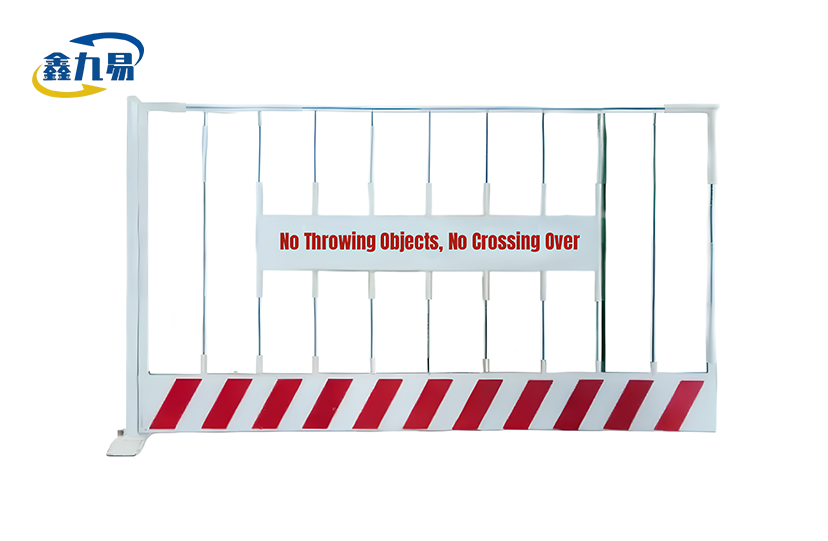
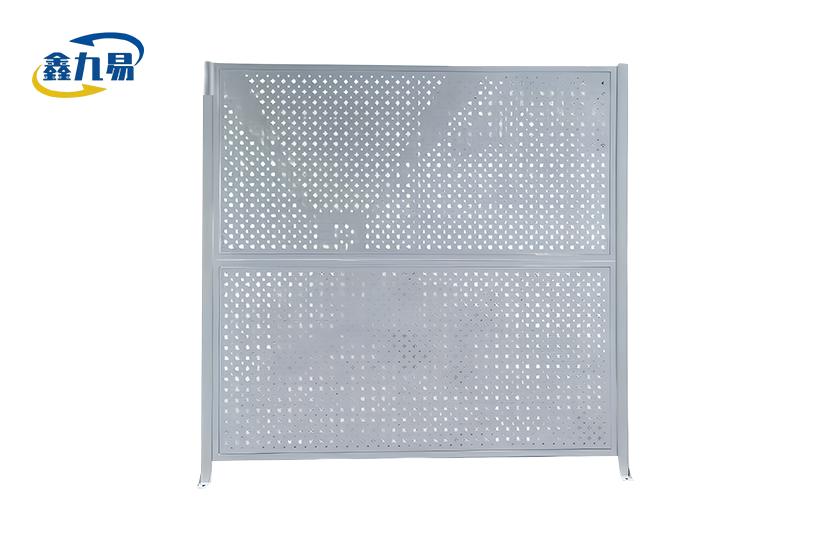
All parts of high-altitude safety gear must meet international standards. Specific fall safety methods are required by OSHA 1910.28, and EN 14122 lists the standards for a permanent access system. These standards are met by our Tower Crane Maintenance Platforms, which have guardrails with 50 mm mesh holes and toe boards that keep tools from falling off. Procurement managers like that keeping compliance requires keeping written records of inspections and fixing problems as soon as they are found. We give you certification paperwork that makes third-party audits and project safety reviews easier. This way, you can be sure that your operations meet the standards of the government procurement department without having to do a lot of work.
Operational Longevity Through Preventive Care
Maintenance habits are often what make the difference between a 10-year and a 20-year working life. Tower Crane Maintenance Platforms near the coast are more likely to rust because of salt spray, and Tower Crane Maintenance Platforms in dry climates have trouble with dust getting in. Our zinc coating process gives basic protection, but reapplying protective treatments on a regular basis in high-exposure places makes them last a lot longer. By being aware of these environmental factors, your team can make maintenance plans that make the best use of resources and protect tools.
Comprehensive Tower Crane Platform Maintenance Checklist
Systematic maintenance turns one-time fixes into regular habits. The following schedule covers important Tower Crane Maintenance Platform maintenance times without giving your site teams too much to do.
Daily and Weekly Inspection Protocols
Technicians using the Tower Crane Safety Ladder should do visual sweeps of the area before each use, focused on clear dangers. Look for these things:
- Loose bolts at connection points between platform sections and mounting brackets: There are loose bolts where Tower Crane Maintenance Platform pieces and mounting brackets join.
- Debris accumulation on anti-slip gratings that could create trip hazards: Buildup of debris on anti-slip gratings that could cause people to trip.
- Visible rust bloom indicating coating failure: A rust bloom that can be seen means the coating has failed.
- Damaged guardrail sections or missing wire mesh panels: Guardrail parts that are broken or missing wire mesh panels.
Inspections once a week add depth by testing functional parts. Use modest force on the guardrails to make sure the welding is secure. Check to make sure that the floor surfaces don't sag or bend. Even though these quick checks don't take long, they catch problems early on, when they're still easy to fix.
Monthly and Quarterly Deep Inspections
As part of the monthly reviews, measurements should be checked. Check that the tightness of the fasteners meets the manufacturer's requirements with torque wrenches. For main structural bolts, this is usually between 85 and 95 Nm. Use electrical gauges to check the coating thickness on galvanized surfaces; numbers below 70 microns mean the surface is vulnerable to rust.
When inspections happen every three months, they should be more thorough. Take off the access doors to look at the secret connection points. At fixed joints, where small moves cause wear, look for fretting rust. Get rid of any extra water that has built up in hollow parts that could freeze and grow in cold places. Photographs with dates on them that show the starting point for trend analysis should be used to record results.
Annual Certification and Load Testing
Tower Crane Maintenance Platforms should be checked out by qualified testers at least once a year. This process includes testing welds without damaging them, testing static loads at 1.5 times their rated capacity, and making sure they meet current safety standards. Our service teams plan these assessments so that they cause as little trouble as possible. They then give detailed reports that meet insurance requirements and show regulatory authorities that they did their jobs properly.
Ultrasonic thickness gauges, dye penetrant kits for finding cracks, and measured load cells are some of the specialized tools that are used for these tasks. Keeping this equipment in good shape costs money, which is why many procurement managers work with suppliers who offer full maintenance packages instead of starting from scratch to build their own maintenance departments.
Best Practices and Methods for Maintaining Tower Crane Platforms
Failures that cost a lot of money, mess up project schedules, and put people in danger can be avoided with proactive strategies. These methods have been improved by our engineers' work on marine, urban, and very tall buildings projects.
Corrosion Prevention Techniques
Galvanization is a great basic layer of protection, but if you hit the steel with a tool or something rough, it will come out clean. Take care of these weaknesses by:
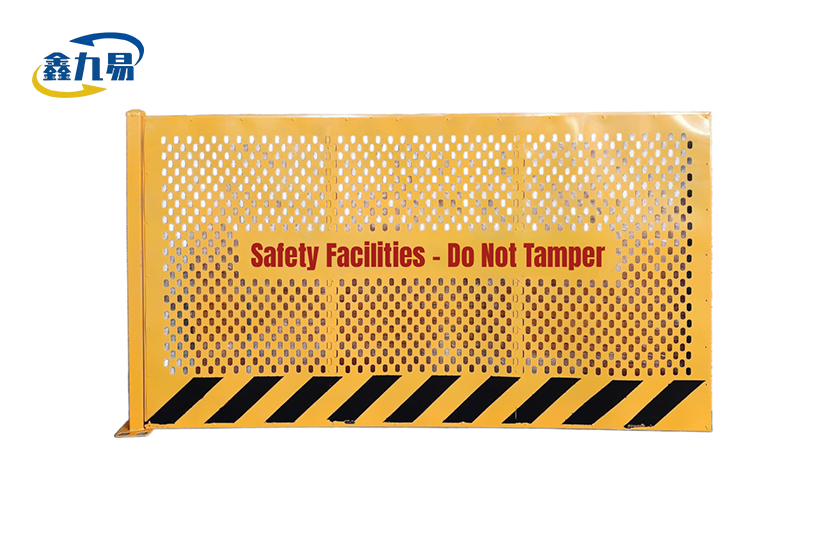
Touch-up coating application: When applying a touch-up coating, cold galvanizing compounds fix damaged protective layers. Clean the broken area until it's just metal, then use a zinc-rich primer and a topcoat that matches the Tower Crane Maintenance Platform's yellow-and-black warning scheme. This easy step stops rust from spreading below a layer that is still intact.
Drainage optimization: For better drainage, change Tower Crane Maintenance Platforms that work in places with a lot of humidity by drilling small weep holes at low spots where water gathers. This keeps water from standing still, which speeds up corrosion even on treated surfaces.
Cathodic protection in marine settings: For marine cathodic protection, think about using sacrificial zinc anodes on Tower Crane Maintenance Platform frames for bridge and offshore projects. These rust more quickly than the steel below, protecting it.
Mechanical Component Maintenance
Static structural pieces don't need as much care as moving parts and link points. During crane work, vibrations can cause bolted connections to come free. When putting things together, use thread-locking chemicals that can handle high temperatures outside. Instead of just looking at them, check these screws once a month with measured torque tools.
Anti-slip gratings get worn down by tools and people walking on them. Serrated open-grid patterns on Xinjiuyi Tower Crane Maintenance Platforms let dirt fall off naturally, but edges can bend over time. Every year, turn the grating panels so that the wear is spread out evenly. Change the parts that show lasting distortion or cracks spreading around support points.
Identifying When Professional Service Becomes Necessary
Regular site maintenance tasks like cleaning and checks are usually possible, but sometimes they need specialized knowledge. Cracks in the structure longer than 10 mm, fails in load tests that show lasting deformation, or coating wear that covers more than 15% of the surface area are all signs of problems that can't be fixed in the field. Our technical support team can do an online review using picture documentation to help you decide if fixing the problem on-site is enough or if you need to replace a part.
The cost-benefit analysis usually points in the direction of professional help at the right time. A weld fix that costs $3,000 and is done during planned downtime is much cheaper than an investigation that costs $50,000 or more and lost work time after a Tower Crane Maintenance Platform fails. We help procurement managers make sensible budgets for these scenarios.
Evaluating and Selecting Tower Crane Maintenance Platforms for Easy Maintenance
The choices made about what to buy during the original purchase have a direct effect on the maintenance needs over time. Knowing the properties of materials and the features of designs helps you choose systems that will cost less in the long run.
Material Comparison and Selection Criteria
Heavy building uses steel frames because they can hold more weight and are less likely to break when hit. Our solid steel parts made of Q355B have the right amount of strength to weight ratio for 200 kg or more of weight without being too bulky. Aluminum Tower Crane Maintenance Platforms are lighter, but they need to be inspected more often because they don't hold up as well against fatigue. Composite materials are still only used in a few specific weathering settings.
The way of galvanization is very important. Electroplating makes thinner layers that are more likely to have gaps around the edges, while hot-dip galvanizing creates uniform 85+ micron coatings that can go through complex geometries. The difference in thickness means 10 or more years of extra service life in moderate settings. This is a strong reason to mention coating standards when talking about buying something.
Supplier Evaluation Beyond Initial Price
When looking for trusted manufacturers, you need to look at their skills that go beyond what's listed in the catalog. Certified providers who keep up with ISO 9001 quality systems show that they can control the process, which lowers the number of defects. Look for proof that the Tower Crane Maintenance Platform has been tested by a third party. Tower Crane Maintenance Platforms should have proof of static load tests, material licenses, and coating thickness reports.
When problems arise in the middle of a project, after-sales support is very important. Xinjiuyi keeps new parts in stock and ships them within 48 hours of receiving an order, which keeps delays from lasting too long. Our engineering team gives you CAD drawings for custom changes and expert advice on how to add Tower Crane Maintenance Platforms to certain types of cranes. Because these services add value, it makes sense to work with well-known manufacturers instead of going with the cheapest option.
Customization and Scalability Considerations
Standard Tower Crane Maintenance Platform sizes work for most uses, but custom solutions may be needed for bridge projects, confined urban sites, or specialized industrial setups. These goals can be met by modular systems that use reconfigurable parts instead of making everything from scratch. Our 3000 mm and 4000 mm base units connect using standard brackets, which means that L-shaped or circular layouts can be put together in the field right away without having to wait for engineering to finish.
Contractors who are working on multiple jobs at the same time can save money by using bulk buying programs. Volume agreements allow production streamlining, which lowers costs per unit while keeping stock on hand all the time. Rental programs are convenient for short-term projects, but buying equipment that is used more than six months a year is more cost-effective.
Leveraging Technology and Innovations for Optimized Maintenance
New technologies are changing maintenance from fixing problems after they happen to managing things before they happen. These innovations give progressive builders an edge over their competitors.
Smart Monitoring Systems
Strain gauges built into Tower Crane Maintenance Platform frames send load data to site management systems in real time. These monitors can quickly tell when something is overloaded, which stops damage to the structure before it happens. Remote monitoring is possible from project offices thanks to wireless connectivity. This eliminates the need for daily physical checks while still allowing for full control.
Electrical resistance measurement corrosion monitors automatically keep track of covering wear. Once the protected layers become too thin, alerts start repair procedures so that rust doesn't damage the structure. This technology is especially useful in marine settings where the amount of salt present changes quickly.
Advanced Coating Technologies
Nanoceramics are added to current protective layers to make them self-healing. Small scratches cause chemical reactions that instantly cover up any open areas, greatly increasing the time between coatings. These formulas are more expensive at first, but they save 60–70% on touch-up work that requires a lot of work over the life of a Tower Crane Maintenance Platform.
In places that get a lot of sun, UV-resistant topcoats keep their bright warning colors for longer. Standard paints fade in three to five years, so they need to be repainted for safety reasons. Modern formulations keep color saturation for 10 years or more, which greatly reduces the number of times that maintenance is needed.
Digital Inspection Workflows
Tablet-based inspection apps make it easier to collect data consistently and get rid of paper records that are easy to lose. Technicians take pictures of problems, add notes to the pictures, and then the software creates reports with a time stamp that are uploaded to the cloud. This paperwork is very helpful for checks and shows how Tower Crane Maintenance Platforms age in certain situations by showing trends.
Augmented reality tools put inspection checklists on top of live video feeds to help employees who aren't as skilled with the process. This technology cuts down on training time while making inspections more consistent across many places.
Workforce Development and Certification
Technology doesn't replace human knowledge; it adds to it. Technicians can keep equipment well if they are trained in the right ways to do inspections, apply coatings, and evaluate structural integrity. Organizations like the American Society of Safety Professionals offer certification programs that prove a worker's level of skill. This gives HSE officers confidence in the quality of maintenance.
Xinjiuyi helps with training during Tower Crane Maintenance Platform commissioning to make sure that your teams know the best ways to do things and the manufacturer's unique requirements. This sharing of information stops common mistakes that cancel guarantees or make safety holes.
Conclusion
To keep high-altitude work platforms in good shape, you need to balance regular maintenance with expert repairs. Every day checks find problems that are easy to see, and every three months and once a year, licenses make sure that problems that are harder to see are also looked at. By keeping the coatings in good shape and checking the tension of the fasteners and replacing parts on a regular basis, you can protect workers and make the equipment last longer. Lifetime costs are cut by a large amount when you choose Tower Crane Maintenance Platforms that are easy to maintain and have modular construction, tried-and-true materials, and manufacturer support. New technologies, such as smart sensors and digital processes, don't replace basic checking methods; instead, they improve them. In the end, your maintenance plan will determine whether platforms stay safe and reliable tools or turn into liabilities that put projects and people at risk.
FAQ
How often should skilled inspections of platforms happen?
Most regulations are met by third-party assessments once a year, but the amount of use and the surroundings may require evaluations to be done more often. Professional reviews every six months are helpful for Tower Crane Maintenance Platforms that work in harsh sea settings or get a lot of use every day. Our Tower Crane Maintenance Platform upkeep standards give suggestions based on how things are used and how they are used in different situations.
What danger signs show that repairs need to be done right away?
Cracks that can be seen in welds or structural members, permanent deformation after loading, a lot of rust, connections that come loose and then tighten again, and guardrail parts that are missing or damaged all need to be fixed right away. Stop using the Tower Crane Maintenance Platform until qualified people look at these conditions. When problems are dealt with quickly, they don't become safety risks.
Should companies take care of their own platforms or hire someone else to do it?
This choice rests on the size of the fleet and the experts who are present. Companies that run five or more Tower Crane Maintenance Platforms at different locations often develop their own skills in a way that saves them money. Smaller fleets can benefit from outsourcing to experts like Xinjiuyi who can provide approved checks, replacement parts, and technical support without the need to buy testing tools or teach technicians.
Partner with Xinjiuyi for Reliable Tower Crane Maintenance Platform Solutions
If you pick the right provider, safety tools can go from being a compliance checkbox to a valuable asset. Every project that Xinjiuyi works on gets top-notch manufacturing and service that is focused on the customer. Our Tower Crane Maintenance Platforms meet national standards and have useful features, such as fully separate designs that make transporting and putting them together easier. Our systems can handle environments as harsh as coastal bridges and urban high-rises thanks to their corrosion-resistant galvanized construction and load capacities of more than 200 kg.
We know that procurement managers need more than just goods. They also need relationships. During the pre-sales consultation, our engineering team makes custom CAD renderings to make sure that the Tower Crane Maintenance Platform configurations match your specific crane models and the limitations of the site. Our fast shipping from Cangzhou keeps projects on schedule, and our 20-year design life means that they don't need to be replaced as often. We offer consistent quality, backed by ISO 9001, ISO 45001, and ISO 14001 certifications, whether you need a single unit or a group of units for various places. Email our team at global@xjy8.com to talk about your needs with skilled Tower Crane Maintenance Platform makers who care about your success.
References
1. American Society of Safety Professionals (2021). Guidelines for High-Altitude Work Platform Maintenance and Inspection. ASSP Technical Report Series, Volume 14.
2. Construction Safety Association of Ontario (2020). Tower Crane Safety Systems: Maintenance and Compliance Standards. CSAO Industry Publication No. 287.
3. European Committee for Standardization (2019). EN 14122: Safety of Machinery – Permanent Means of Access to Machinery. CEN Official Standards Documentation.
4. International Organization for Standardization (2022). ISO 1461: Hot Dip Galvanized Coatings on Fabricated Iron and Steel Articles. ISO Technical Committee 107.
5. Occupational Safety and Health Administration (2023). Fall Protection in Construction: Compliance Guide for Elevated Work Platforms. OSHA Publication 3755.
6. Steel Construction Institute (2020). Corrosion Protection of Structural Steelwork in Construction Environments. SCI Technical Digest Series, Publication P420.