What Is a Working Canopy Used for on a Construction Site?
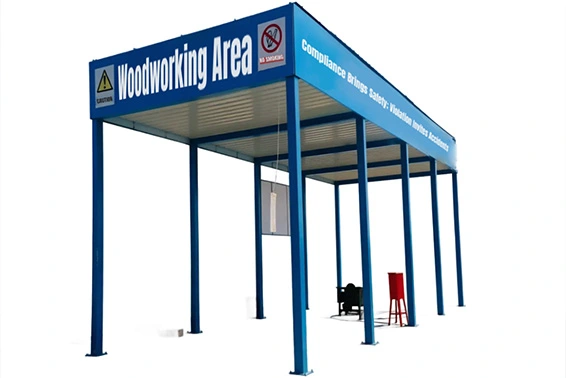
A working canopy on a construction site serves as a dedicated protective shelter that shields workers, tools, and raw materials from weather and operational hazards. Specifically, a carpenter working canopy is engineered for woodworking zones — timber cutting stations, formwork fabrication areas, and lumber staging bays. It isolates noise, contains sawdust, and prevents wood chip splatter, all while satisfying fire safety and civilized construction acceptance requirements. For site managers and procurement professionals, it is one of the most practical investments that directly reduces downtime, protects material quality, and keeps inspections on track.
Understanding Carpenter Working Canopies on Construction Sites
Carpenter working canopies are custom-built, semi-permanent covers made just for woodworking work. They are not general storage tents or makeshift blankets. This difference is very important when getting a site ready for a safety observation visit or a regulatory inspection.
What Sets a Carpentry Canopy Apart from Standard Site Shelters?
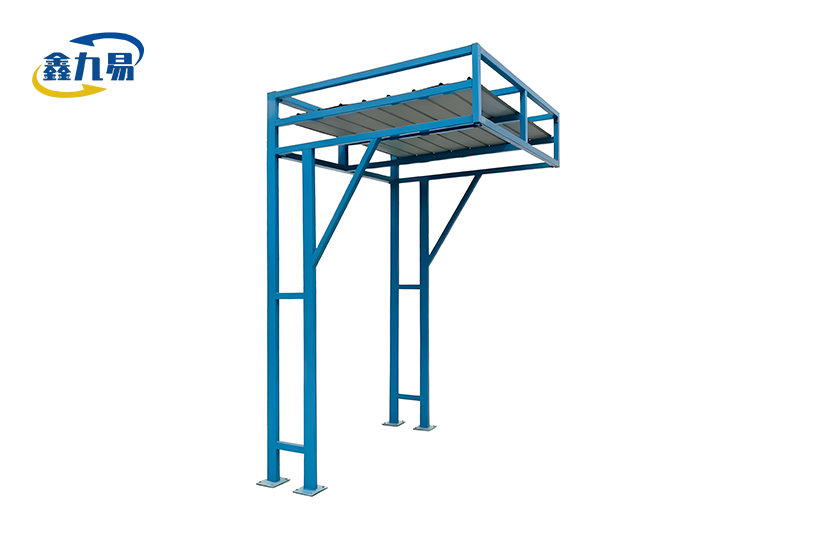
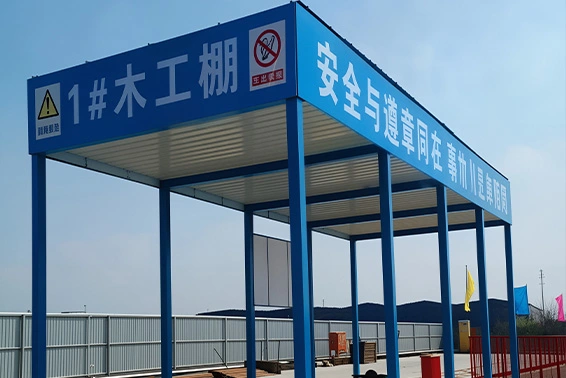
The cloth and poles of a normal site tent are both light. A carpenter working canopy, on the other hand, is made up of a rigid steel frame (usually 100 mm × 100 mm poles with 2.0 mm wall thickness) and fire-resistant panels on the roof and sides. This structure can handle heavy use, vibration from power tools, and being outside in a way that cloth options just can't over the course of a project's lifetime.
Prefabricated vs. Custom Woodworking Canopies
Prefabricated models come in standard sizes (usually 6000 mm x 3000 mm footprint, 3700 mm height), are delivered quickly, and are easy to set up. Custom designs are used when there are non-standard equipment sizes, limited site paths, or specific inspection needs in a certain region. A lot of procurement managers choose a modular system that ships as-is but can be adjusted for size during the order approval process. This is a good compromise that keeps lead times short without losing fit.
Benefits of Using Carpenter Working Canopies on Construction Sites
The National Institute of Building Sciences says that weather delays cost the U.S. building business about $4 billion every year. A permanent carpenter working canopy keeps workers from having to stop work because of bad weather by creating a controlled space for tasks like cutting, putting things together, and storing things.
- Material preservation: When exposed to rain or high humidity, kiln-dried wood quickly absorbs water. Covered storage keeps precision-fit frame and formwork elements from warping, growing, and losing their shape, which leads to extra work.
- Worker safety compliance: Enclosed work areas keep wood chips and sawdust from spreading to other parts of the site, which meets OSHA 29 CFR 1926 Subpart Z dust exposure requirements for construction carpentry work.
- Equipment protection: Table saws, circular saws, and miter saws can all be damaged by rain and humidity. Covering overhead increases the life of equipment and lowers the number of times that expensive power tools need to be serviced.
- Inspection readiness: Most local and provincial safety inspection checklists can be met with standard canopy structures that have fire-retardant approval and structural drawings. These structures don't need to be changed at the last minute.
When projects are done in more than one phase, these benefits add up. A covering that stops one big piece of wood from bending or one piece of weather-related equipment from breaking down usually pays for itself in the first season of use.
How to Choose the Right Carpenter Working Canopy for Your Site?
It takes more than comparing prices per square meter to choose a carpenter working canopy. The structural specification, material certifications, and supplier support capacity all have real effects on how the business runs.
Structural Material and Surface Treatment
When used outside in hot and wet conditions, high-strength steel frames with a professionally sprayed coating work better than ones that aren't covered or are only lightly galvanized. Check each column's wall thickness separately. For example, a nominal 100 mm column with a 1.2 mm actual wall thickness will behave structurally differently than one that is specified as having a 2.0 mm wall thickness, especially when roof snow loads or wind lateral pressure are applied.
Fire-Retardant Compliance Documentation
For places that want to get a civilized construction certification or a fire safety acceptance, the materials that make up the canopy's enclosure must have proof that they don't catch fire. Ask for a specific material test report instead of just a general product certificate, and make sure that the tested material matches the specifications that were sent.
Supplier Customization and Technical Depth
A skilled carpenter working canopy maker does more than just build to a blueprint. Technical help before the sale, like reviewing the site plan, making sure the dimensions match the processing equipment envelope, and giving installation instructions, lowers the cost of mistakes that need to be fixed in the field. Make sure that the suppliers you've chosen can work with widths ranging from 3000 mm to 6000 mm and offer bilingual safety signs if your site has employees who speak more than one language.
Installation, Maintenance, and Safety Tips for Carpenter Working Canopies
A well-made cover won't work as well if it's installed in a way that weakens the structure. Bolt-connection modular systems are easier to put together and can be moved without having to cut or weld. However, all of the anchor points must reach certain torque values during the first assembly.
Maintenance methods depend on the material. Once a year, the sprayed coating layer on steel frame parts should be checked for cracks or delaminations in the paint film. Any damaged areas should be fixed before the rust spreads to the base metal. After a big impact, fire-retardant panel parts should be checked again; panels that are cracked lose their tested fire resistance, no matter what their original approval status was.
Before each work shift, safety checks should include a visual check to make sure that all column base plates are still firmly in place, that the ceiling purlins are not deflecting, and that the enclosure panels have not been partly removed by trades next to them that need to get to them. If the enclosures aren't complete, they can't keep dust out and keep fires from spreading like they were supposed to.
Comparative Insights: Carpenter Working Canopy vs Alternative Site Shelters
You can set up tents and shade sails quickly and cheaply, but the fabric panels on them don't meet the fire-retardant standards for areas where people work with wood. Workshop sheds offer similar structural protection, but they are fixed structures that can't be taken apart and moved to different project sites. This is a major problem for builders who are running multiple sites at the same time.
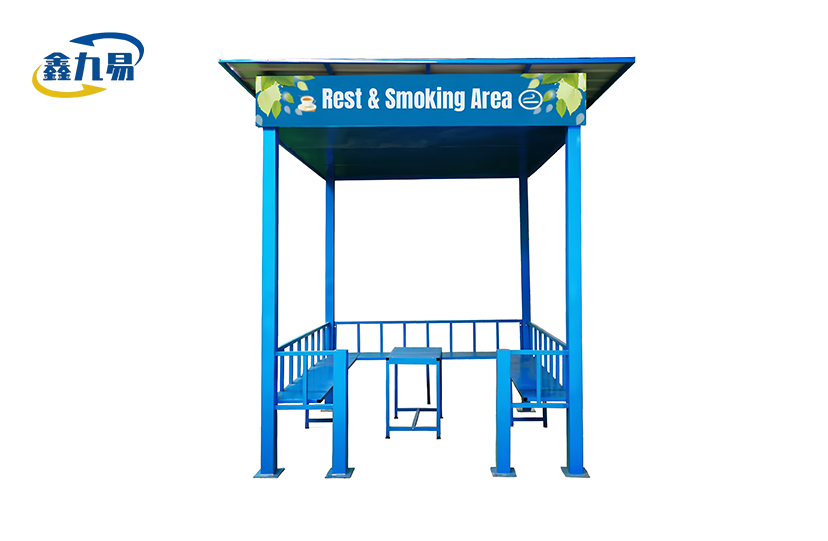
The movable steel carpenter working canopy has a clear role: it has the structural strength of a house and the portability of a tent. If you keep one unit in good shape, it can be used on four to six projects. This spreads the cost of the asset over a number of years instead of treating it as something that you only use on one project. This ability to be used more than once completely changes the cost calculation for buying teams that are in charge of fleet-scale site safety equipment.
Conclusion
Not a nice-to-have on the side of the job site, a carpenter working canopy is an important part of any well-run construction project. It keeps workers safe, keeps materials safe, passes regulatory inspections, and lowers the total cost of delays and extra work caused by bad weather. Picking a fire-resistant, structurally sound, and dimensionally checked canopy from a company with clear quality control procedures and helpful technical support is what separates a smooth project handover from an expensive fix-up cycle. Get the right security from the start.
FAQ
Can the canopy dimensions be customized for non-standard equipment layouts?
Yes. Standard widths of 3000 mm, 4000 mm, and 6000 mm can fit most popular designs. If you need a different size, just let us know. Adjustable length and height make it possible to work with special equipment, meet ventilation needs, or fit through narrow site corridors.
What fire-retardant certifications do the enclosure materials carry?
The side and top pieces are made of fire-resistant materials that meet the standards for building sites that process wood. During the evaluation stage of the buying process, material test results can be looked over.
How long does a steel carpenter canopy typically last?
For up to twenty years, a high-strength steel canopy structure can be used normally and with the right surface treatment maintenance. Moving and putting things back together doesn't really shorten the life of a structure as long as the bolt-connection method is used properly.
Is the structure compliant with international safety codes?
Xinjiuyi uses management systems that are certified by ISO 9001, ISO 45001, and ISO 14001 to make its products. If you ask, you can get compliance documentation that backs up regional regulatory acceptance requirements.
What after-sales support is included?
Technical support includes instructions on how to put the parts together, help with planning the job site, and integration into your site safety management system after delivery. To lengthen the duration of an asset, replacement parts are available for the modular frame system.
Partner with Xinjiuyi for Your Next Carpenter Working Canopy Project
Every order for a carpenter working canopy from Xinjiuyi comes with full technical support, 20 years of product durability, and ISO-certified manufacturing. This includes helping with the initial site measurement, installation, and service after delivery. Our reliable carpenter working canopy factory is based in Cangzhou, Hebei, and we can handle big orders, OEM customization, and fleet operations across multiple sites with consistent lead times. Reach our global procurement team directly at global@xjy8.com or visit xjy8.com to request a technical quote or browse our complete standardized site safety product range.
References
1. National Institute of Building Sciences — Weather-Related Impacts on Construction Productivity, 2021.
2. Occupational Safety and Health Administration (OSHA) — Construction Industry Standards: 29 CFR Part 1926, 2022.
3. American Institute of Architects — Construction Site Safety and Organization Best Practices, 2020.
4. International Organization for Standardization — ISO 9001: Quality Management Systems — Requirements, 2015.
5. National Fire Protection Association — NFPA 241: Standard for Safeguarding Construction, Alteration, and Demolition Operations, 2022.
6. Construction Industry Institute — Best Practices for Temporary Site Facilities and Worker Protection, 2019.