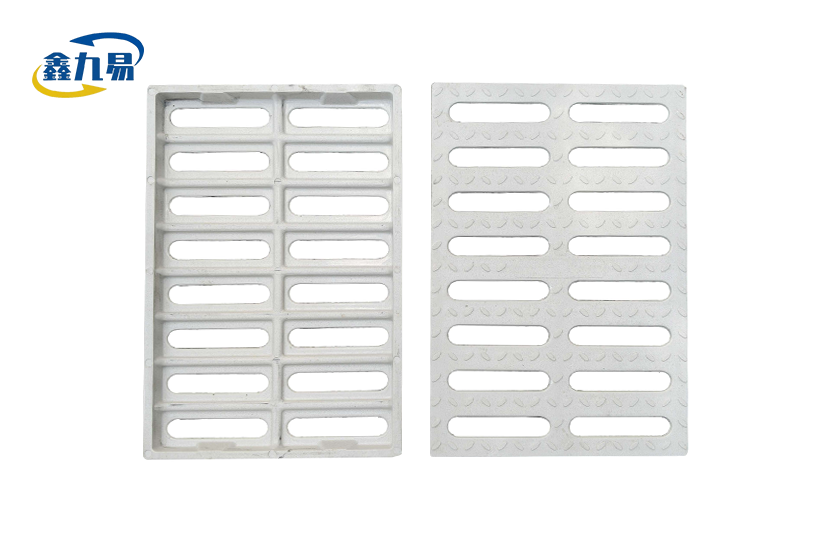
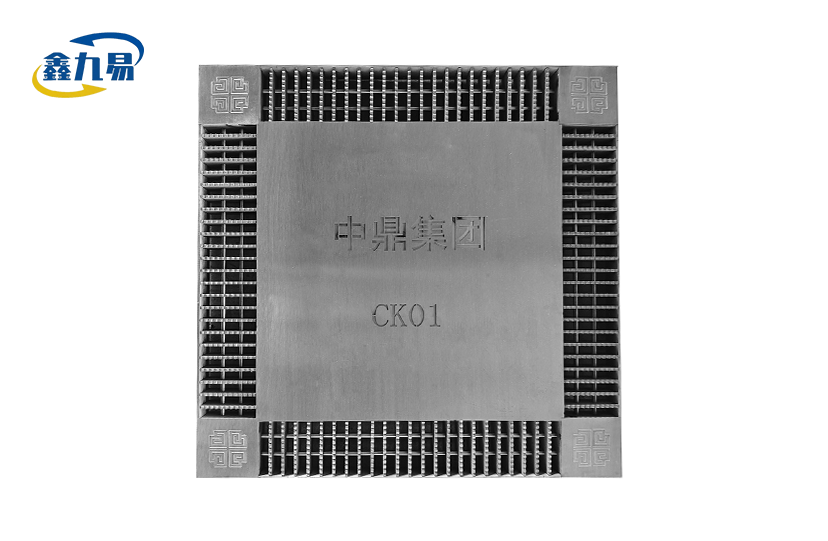
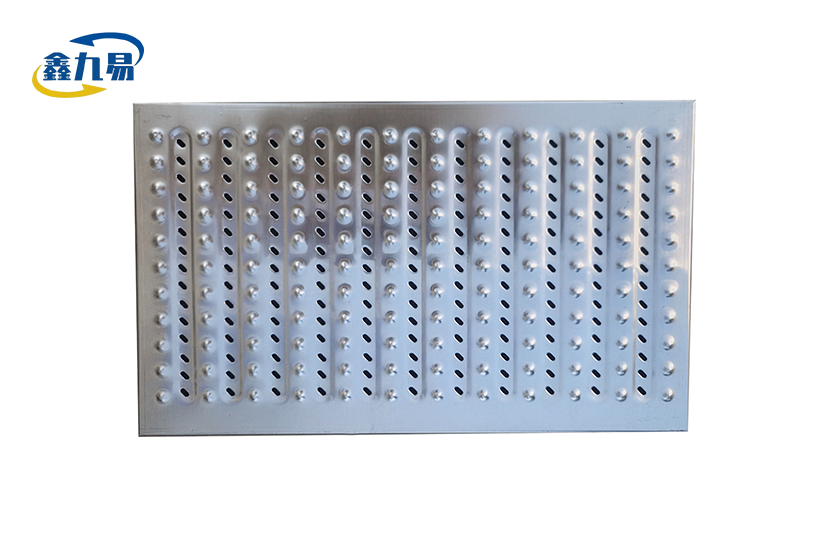
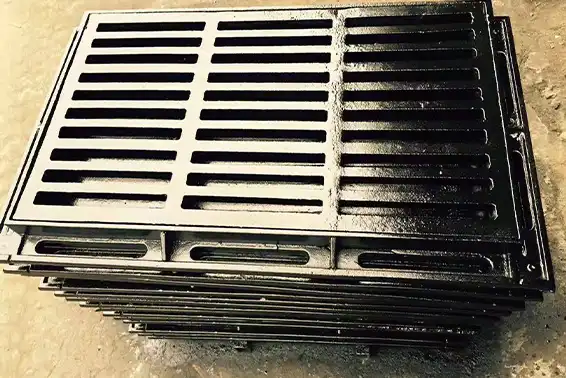
Is Ductile Iron Gully Grating prone to rusting and corrosion?
When you're investing in municipal infrastructure that must last decades, corrosion concerns naturally rise to the top of your decision-making list. So, is Ductile Iron Gully Grating genuinely vulnerable to rust and deterioration? The straightforward answer is that while ductile iron can experience surface oxidation when exposed to moisture and corrosive elements, it demonstrates significantly superior corrosion resistance compared to traditional grey iron or standard steel alternatives. With proper surface treatments such as bitumen or epoxy coatings—combined with its inherent metallurgical advantages—modern drainage gratings deliver 25-plus years of reliable service even in harsh urban and industrial environments. This durability stems from the material's unique microstructure and advanced manufacturing protocols that we'll explore throughout this guide.

Understanding Rust and Corrosion in Ductile Iron Gully Grating
What Actually Causes Corrosion in Iron-Based Drainage Components?
Sometimes, iron-based infrastructure parts rust when the metal surface reacts electrochemically with things around it. Odors in the air, water, and electrolytes like road salts or pollution from factories start to oxidize iron. The issue is worse in cities that use de-icing salts in the winter, get a lot of acidic rainwater with sulfur compounds, or are close to the coast. In nature, iron turns into iron oxide, which most people call rust, over time. These things speed up this process.
How Ductile Iron's Microstructure Affects Corrosion Behavior
Graphite in Ductile Iron Gully Grating is shaped like spheres, while graphite in gray cast iron is shaped like sheet metal. The clusters are arranged in this way to make the matrix more even. This keeps cracks from spreading and reduces the surface area that rust can attack. Traditional cast iron is made up of flake structures that are linked to each other. The continuous iron matrix that surrounds each graphite nodule works as a barrier that makes it take longer to penetrate. Surface rusting is less likely to happen because of this metallic benefit. This means that protective coatings work better for longer periods of time.
Common Misconceptions About Ductile Iron and Corrosion
Many people who work in procurement believe that iron-based items rust at the same rate, but this is not the case. As it turns out, the truth is a lot messier. When the weather is average, Ductile Iron rusts at a rate of 0.02-0.05 millimeters per year. There is a lot less of this than with exposed carbon steel, which can rust at over 0.1 mm per year. People also often think that once rust starts, the structure will always fall apart. When good Ductile Iron Gully Gratings are made with the right wall thickness and protective coats, they stay structurally sound even after decades of surface weathering because the depth of the rust stays within engineering standards.
Corrosion Resistance Performance of Ductile Iron Gully Grating
Comparative Durability Against Other Materials
When we compare how well different materials work in everyday building tasks, Ductile Iron Gully Grating always comes out on top when it comes to strength and resistance to rust. Gray cast iron is cheap at first, but its flake graphite structure makes it more likely to break and lets rust spread faster. It is possible for standard carbon steel to hold its shape very well, but it needs strong protection to keep it from rusting fast. Plastic composite gratings can stand up to chemicals, but UV light breaks them down, they're not good with changing temperatures, and they can't hold enough weight for heavy traffic. Because it has a minimum tensile strength of 500 MPa and a corrosion rate that can be controlled by protective coats, Ductile Iron fills in these gaps.
Surface Treatment Technologies That Enhance Protection
For current industrial ways to keep the outside world out, they use many layers of protection. Bitumen layers that are 50 to 100 microns thick can be used as a cheap barrier in everyday city settings. They make a surface that doesn't attract water, which stops metal from coming into direct touch with things that can damage it. Epoxy powder coats are better at keeping chemicals away, which is helpful in business settings or places near the coast where chloride is more likely to be present. There are some companies that use hot-dip galvanizing, but not many. This is because the spheroidal graphite core makes it hard for the coating to stick. At Hebei Xinjiuyi Construction Technology Co., Ltd., we carefully treat our Ductile Iron Gully Gratings to make sure they meet EN 124 standards for durability. This makes sure that they will always work for the time they are supposed to.
International Standards and Quality Assurance
You can be sure that the rust resistance will work as planned if you follow well-known rules. Things have to pass strict tests set by EN 124:2015 before they can be verified. Some of these tests are being hit with salt spray, going thru cycles of freeze and thaw, and simulating long-term weathering. ASTM A536 sets the metallurgical standards for Ductile Iron. These standards make sure that the material always has the same properties that keep it from rusting. When a company gets ISO 9001 approval, it means they are committed to process control that ensures the finish stays the same across all output batches. Checking these certificates takes the guesswork out of evaluating buyers and gives written proof of the ability to protect against rust that meets the needs of the project and the tender.
Practical Maintenance Tips to Minimize Corrosion of Ductile Iron Gully Grating
Routine Cleaning and Inspection Protocols
If you keep up with drainage infrastructure maintenance, it will last a lot longer. If you look at the metal every three months, you can find early danger signs like coating wear, small areas of rust, or a pile of debris that keeps water against the surface. Cleaning with high-pressure water gets rid of sediment, organic matter, and corrosive residues that have built up before they can get thru the coatings that protect the Ductile Iron Gully Grating. To find aggressive corrosion before it weakens buildings in places with a lot of industry or near the coast, checks should be done once a month. By writing down the results of inspections, you can make a maintenance log that helps you plan replacements and find systems that aren't working right and need extra care.
Effective Repair and Recoating Strategies
Checks that show covering damage or early rust should be fixed right away so that the problem doesn't get worse and cost a lot to fix. If you wire brush or lightly abrasively blast the surface, you can get rid of free rust and prepare it for new coats. There is no need to take off the grating to fix safety barriers. Two-part epoxy repair solutions or bitumen mastics can be used instead. If coats keep coming off in some places, it could mean that the draining system isn't working right or that chemicals are being exposed to too much of them. Instead of fixing these spots, you should look into what's causing them. Road maintenance and repair work that are planned ahead of time help cities keep traffic low and make the best use of their resources.
When to Consider Replacement Versus Refurbishment
To make smart decisions about how to manage an asset's lifecycle, you need to look at both how it looks and how much strength it still has. The Ductile Iron Gully Grating is almost safe to use when rust gets thru more than 20% of the wall thickness. This is especially true when there is a lot of work to do. Structures have been pushed past their safe limits when they bend, crack, or lose their ability to stop movement. Instead, gratings that still have their core structure but have some corrosion on the outside can be professionally fixed up. This is much cheaper than replacing the gratings and makes them last at least ten more years. Economics studies should look at the costs of managing traffic, since replacing individual units during off-peak hours is often a cheaper choice than putting off repair until the whole road needs to be fixed up.
Selecting the Right Ductile Iron Gully Grating to Avoid Corrosion Issues
Matching Specifications to Environmental Conditions
To pick the right materials, you must first carefully look over the spot. Coasts need better protection coats and maybe even bigger wall sections to make up for the fact that salt makes rusting happen faster. Industrial parks that are close to chemicals need coats made of epoxy or polyurethane that don't mix with certain chemicals in waste. Some load grades, like Class E600 or F900, let the structure bend without putting people in danger. This makes them good for busy main roads. Bitumen coats on Class D400 Ductile Iron Gully Gratings work well in normal urban areas with low exposure. They are a good mix of initial investment and long-term value.
It's important to know what the load class standards are before you buy something. Many people walk and drive light vehicles in places where Class C250 is good because it doesn't need to be very strong but does need to be resistant to rust. Most of the time, Class D400 is used for roads and parking spots. It can stand up to heavy trucks and still keep from rusting. Busways and business areas with a lot of foot traffic are in Class E600. The environment is rough, and the loads change quickly. Airports, ports, and industrial heavy-haul lines that have to deal with rough terrain and big loads are what Class F900 is made for.
Material Alternatives and Long-Term Value Analysis
When you compare how much different materials cost over time, you can see that Ductile Iron is a better choice for tough jobs. Even tho plastic composite gratings are cheap to buy, they need to be changed every ten to fifteen years because UV light and normal wear and tear damage them. This means they cost more over time because they need to be changed more often. It is very hard for stainless steel to rust, but it is very expensive and doesn't always perform better than properly coated Ductile Iron. You can get traditional gray cast iron for less money at first, but it breaks and rusts more easily, so it costs more to keep up and is less safe. With the right installation and description, Ductile Iron has the best balance. It can last for 25 years with little care.
Evaluating Suppliers and Manufacturing Quality
Whether the theoretical properties of a material work in real life depends on how well you choose a manufacturing partner you can trust. When a company has ISO 9001, ISO 14001, or ISO 45001 certifications, it means they have a good quality management system in place that makes sure the metal features and finishing treatment are always the same. Third-party testing records for tensile strength, spheroidalization rate, and covering retention show that the product works as it should. Customization is important because skilled manufacturers can change designs without affecting the structural integrity. This is useful for projects that need non-standard sizes or load ratings. How sure the company is that the rust resistance will last is shown by how long the guarantee is. Suppliers you can trust offer 20-year warranties that are backed up by proof of performance in the field.
Conclusion
You need to know about material science, outside factors, and safety technologies in order to fix rust issues in Ductile Iron Gully Grating systems. All ferrous metals rust in some way when they come in contact with water and other things that break down metals. But new Ductile Iron gratings that are made well and have the right surface treatments will last for decades and work well in many situations. Protective coats last longer if you follow a few easy maintenance steps and make sure the product specs are right for the job spot. Only buy from approved manufacturers with high quality standards. The most lasting and cost-effective investments that can be made in infrastructure are drainage gratings that are properly defined. This is because they are bought based on their total lifecycle value instead of just their initial cost.
FAQ
Does coating type significantly impact corrosion resistance?
What kind of treatment you use makes a big difference in how well it stops rust over time. Bitumen coats are strong enough to protect everyday uses in cities that are constantly hit by water and salt from the roads. Chemicals don't stick to epoxy coats as well, so they work well in factories and along the coast, where high amounts of chloride make corrosion faster. How thick the covering is is just as important as what kind of material it is made of. When things are rough, coats with 100 microns work much better than ones with 50 microns.
Can corroded gratings be restored to service?
A professional can fix surface corrosion on Ductile Iron Gully Gratings that takes up less than 20% of the wall thickness. This kind of corrosion usually doesn't hurt the structure. During the process, any loose rust is taken off, any corrosion that is still there is minimized, and the right coats for protection are applied. As a safety measure, gratings that have bigger holes, structural deformation, or cracks need to be replaced. Engineers who have been trained to do so check the fix to make sure it meets standards for safety and durability.
How does ductile iron perform in freeze-thaw cycles?
The chemical makeup of spheroidal graphite iron makes it very resistant to changes in temperature. Gray cast iron can break when water in graphite flakes expands when it freezes, but cracks don't spread because of the way the metal is structured. Water can't get in because of protective layers. If it did, it could cause rusting below the surface during freeze-thaw cycles. After 50 rounds of freeze-thaw testing, gratings usually don't break if they were made properly and according to EN 124 standards.
Partner with Xinjiuyi for Superior Corrosion-Resistant Drainage Solutions
If you don't pick the right Ductile Iron Gully Grating company, your infrastructure investment will either not last for decades or you will have to keep fixing it. Drainage gratings made by Hebei Xinjiuyi Construction Technology Co., Ltd. are made to last a long time and not rust in factory and city settings that are rough. Our products are made of high-strength spheroidal graphite iron that has a minimum tensile strength of 500 MPa. They also have protective coats that are carefully applied and are built with anti-subsidence features that get rid of common ways that things fail. ISO 9001, ISO 14001, and ISO 45001 certifications back up the way we make our products, so they meet EN 124 and ASTM quality standards. Our expert team can help you with everything before you buy, from detailed drawings and specs to standard configurations and custom sizes made just for your project. Get in touch with our team at global@xjy8.com to talk about your drainage grating needs with a company that has a history of making infrastructure solutions that don't rust and will protect your investment for at least 25 years.
References
1. Davis, J.R. (2018). Corrosion of Iron and Steel: Mechanisms, Protection, and Control in Infrastructure Applications. ASM International Materials Park, Ohio.
2. European Committee for Standardization (2015). EN 124-2:2015 Gully Tops and Manhole Tops for Vehicular and Pedestrian Areas - Part 2: Gully Tops. Brussels: CEN.
3. Rajani, B., & Kleiner, Y. (2012). Comprehensive Review of Structural Deterioration of Water Mains: Physically Based Models. Journal of Infrastructure Systems, Vol. 18, No. 3, pp. 151-164.
4. American Society for Testing and Materials (2019). ASTM A536-19: Standard Specification for Ductile Iron Castings. West Conshohocken, PA: ASTM International.
5. Koch, G.H., Brongers, M.P., Thompson, N.G., Virmani, Y.P., & Payer, J.H. (2016). Corrosion Cost and Prevention Strategies in Municipal Infrastructure. Federal Highway Administration Report FHWA-RD-01-156.
6. Roberge, P.R. (2020). Handbook of Corrosion Engineering: Third Edition - Chapter 7: Corrosion of Iron and Steel in Civil Engineering Structures. New York: McGraw-Hill Education.