Safety Guardrail Height and Net Width Standards for Pier Column Work Platforms
When managing bridge pier construction with Pier Column Work Platform, you face a fundamental question: do your safety systems truly protect your workforce while meeting regulatory standards? Safety guardrail height and net width standards for pier work platforms represent more than compliance checkboxes—they define the boundary between operational success and preventable accidents. A properly specified platform integrates guardrails at correct heights, adequate net widths, and structural integrity that adapts to circular pier diameters from φ1200 mm to φ2000 mm, delivering protection systems engineered for real-world bridge construction environments.

Overview of Safety Guardrail Height and Net Width Standards for Pier Column Work Platforms
Regulatory Frameworks Governing Guardrail Specifications
OSHA 1926.502 mandates top rails at 42 inches plus or minus 3 inches, with midrails installed midway between the top edge and walking surface (OSHA, 2023). European EN 13374 standards divide temporary edge protection into classes A, B, and C based on the height of the fall. Class C systems need guardrails that are at least 1000 mm high for areas that are higher than 3.5 meters (European Committee for Standardization, 2013). ISO 14122-3 sets the height of fixed guardrails at 1100 mm, with middle rails no more than 500 mm apart.
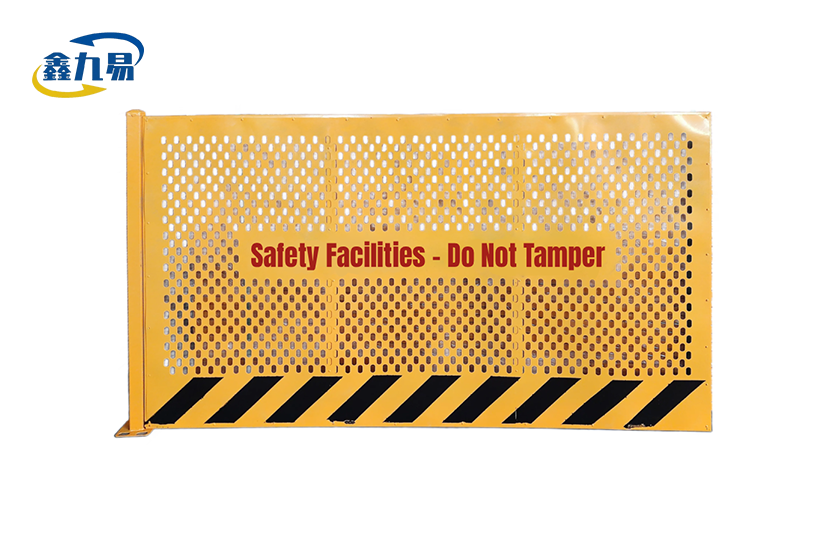
For pier building platforms, these frameworks are directly used by workers who tie rebar, set up forms, and pour concrete at high levels. Compliance makes sure that your equipment passes safety checks during project audits and keeps your company from being held responsible for mistakes. Our engineering team creates double-layer guardrail systems using 40 mm × 40 mm square tubes that are 1.2 mm thick. These systems meet international load requirements and keep the structure stable in areas where bridges are being built with a lot of wind.
Dimensional Ranges for Platform Safety Components
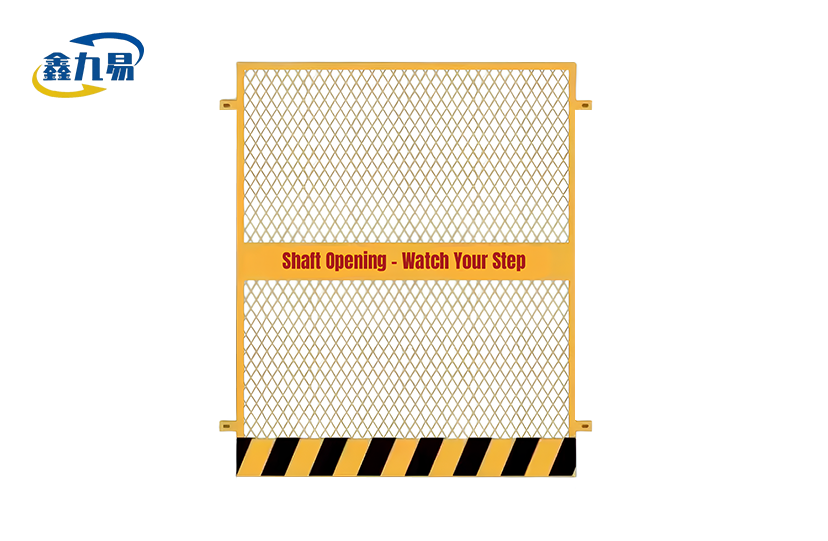
Net width requirements make sure that workers can move around easily and won't trip and fall. OSHA says that the toeboard height must be at least 3.5 inches to keep tools and materials from rolling off. Bridge pier platforms usually have effective net widths between 800 mm and 1200 mm, which give enough work space while keeping the structure's efficiency around circular pier profiles. Expanded metal mesh with 60 mm × 100 mm holes lets people watch while catching dropped things that weigh up to 5 kg.
The height of the platform affects how the guardrails are set up. Standard guardrails can be used on single-level platforms less than 2 meters high, but for high-pier building, multi-tier systems need stronger connections and safety that goes all the way across the vertical entry points. The modular steel platform can fit different pier diameters thanks to adjustable hoop brackets. This makes sure that the guardrails are always in the same place, no matter what the pier size is. This adaptability gets rid of gaps that put workers at risk during changes in width within the same project.
Critical Factors Influencing Guardrail Height and Net Width Specifications
Structural Load Considerations in Guardrail Design
Guardrail systems have to be able to handle both static loads, like when workers lean against the rails, and dynamic effects, like when people bump into them or when equipment moves. OSHA says that top rails must be able to hold 200 pounds of weight placed within 2 inches of the edge of the top rail in any direction. Our I-beam and channel steel main frame design spreads these loads across the structure of the platform, stopping weak spots from forming in one place. High-strength bolt connections keep joints strong even when they are stressed over and over again, which is common in bridge construction.
The choice of material for Pier Column Work Platform has a direct effect on how well the load works. When compared to regular scaffolding parts, thickened zinc rectangular tubes measuring 50 mm × 50 mm and having a 1.5 mm frame thickness are stronger and lighter. The 8.0 mm thickness of the hoop clamp makes sure that it stays attached to the pier even when winds are blowing at speeds over 80 km/h. This engineered method gets rid of the weak spots in traditional fabricated platforms that are caused by welding, so they work the same way for 20 years.
Environmental Conditions Affecting Safety Parameters
Platforms used for building bridges are exposed to extreme weather that speeds up rust and structural damage. Coastal projects have to deal with salt spray that gets through protective coatings, and mountain sites have to deal with freeze-thaw cycles that put stress on metal connections. Our derusting and galvanizing process makes zinc coatings that can stand up to these conditions and keep the guardrails in good shape when workers need them the most.
Changes in temperature affect the properties of a material. When it's cold, steel shrinks, which could break connected connections. When it's hot, steel expands, which puts more stress on fixed parts. The design of the modular structure allows for heat movement within carefully measured limits, which stops any binding or gapping that could weaken safety barriers. Anti-slip checkered plates that are 2 mm thick keep their grip in all kinds of weather, so you can be sure you have a solid footing whether it's raining, snowing, or very hot, which is common for building sites that are open all year.
Accident Prevention Through Proper Specification
A study done in 2021 on building safety found that 60% of bridge construction falls were caused by poor edge protection or missing guardrail parts (National Institute for Occupational Safety and Health, 2021). By providing two layers of safety, properly designed platforms with double-layer guardrails lower the number of falls that happen. When workers accidentally touch the primary rail, the secondary barrier protects them, making it much less likely that they will fall through.
Net width adequacy keeps workers from having to reach over guardrails to get to tools or materials stored beyond the edges of the platform. When platforms don't have enough work surface, they force crews into dangerous positions that don't have any guardrail protection at all. Our standard layouts balance open work areas with secure edges, so there are no operating pressures that force people to find unsafe ways to get around problems. Integrated toe boards keep small items from rolling off the edges of the platform, protecting people on the ground and preventing expensive damage to equipment from dropped items.
Comparative Analysis of Pier Column Work Platform Guardrails vs. Alternative Safety Solutions
Scaffolding Systems Versus Integrated Work Platforms
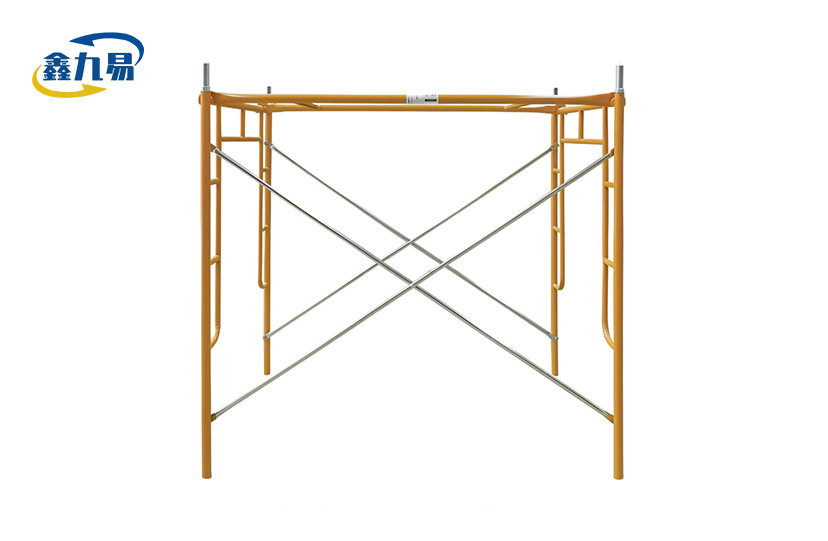
To make working areas around pier posts with traditional scaffolding, each tube, coupler, and plank has to be put together in the field. This process takes a lot of time and effort, and it creates connection points that could be damaged if they are not installed correctly. Guardrail heights change depending on how skilled the assembler is, which means that different job places don't have the same amount of safety. Our portable work platform comes with guardrails that are already installed at the right heights. This means that there are no installation mistakes that could put people in danger.
When circular pier profiles are used, scaffolding doesn't fit well, leaving gaps between the structure and the working surface where people can fall. The adjustable hoop bracket system can bend to fit the shape of the pier, protecting the edges of the work area all the way around. Installation takes 40% less time than putting up scaffolding, which speeds up project plans and makes things safer. After three project cycles, the costs of renting scaffolding are higher than the costs of buying a platform, which means that contractors who do a lot of bridge work will get the best value for their money.
Suspended Platform Comparisons
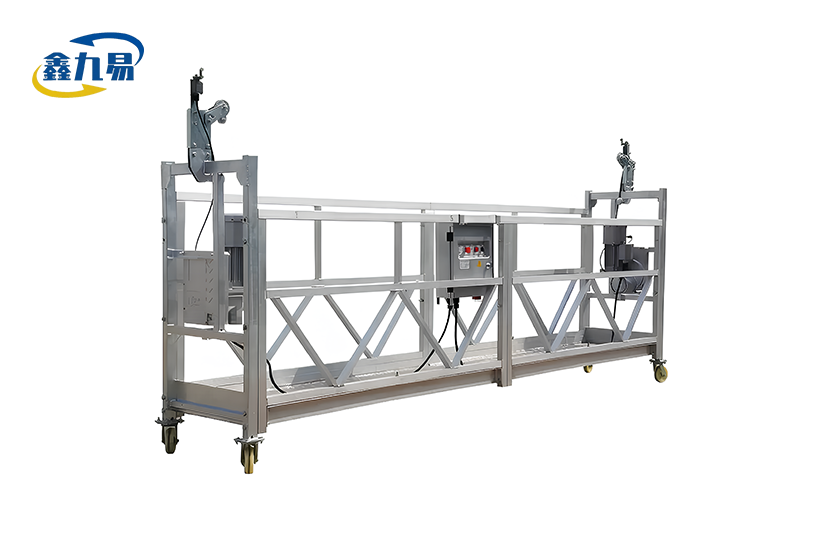
Suspended platforms can be moved around for upkeep and inspections, but they don't have a stable work area for setting up forms and working with concrete. Weight limits make it hard to stage materials and have large crews, which means more lifts that take longer to finish. Safety systems depend on properly working cables and motorized hoists that need to be inspected and fixed all the time.
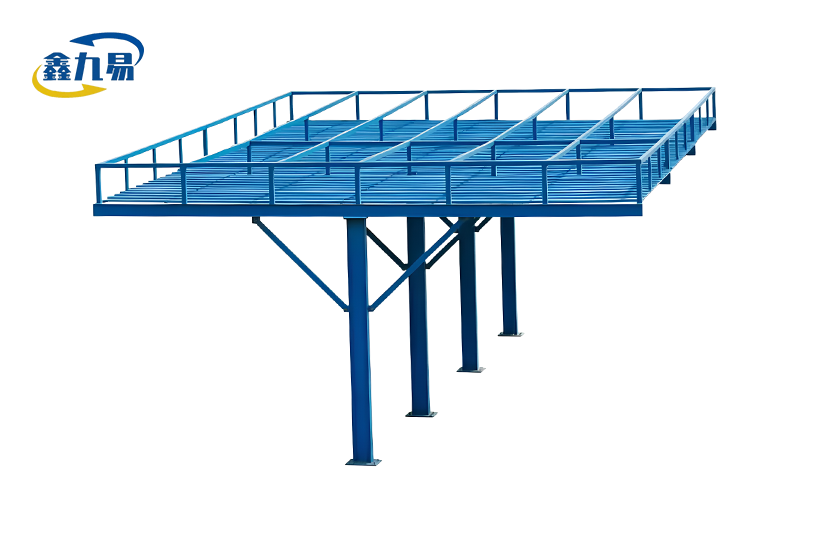
Our Pier Column Work Platform that is supported by the ground can hold any amount of weight across the whole work area, so it can hold crews, tools, and supplies all at the same time. Workers do their jobs from stable bases instead of units that are suspended and can move with the wind. The platform is used in more than one stage of construction, from laying the foundations to finishing the job. Suspended systems, on the other hand, are usually only used for certain tasks. This flexibility lowers the cost of moving equipment and makes it easier for project managers to handle the details of a building site where many activities are happening at once.
Installation and Maintenance Best Practices for Safety Guardrails and Nets
Step-by-Step Installation Protocol
The pier width is measured precisely before building the platform. Hoop brackets can be adjusted to meet measurements for a sturdy, gap-free connection. For 50 mm frame sections, assemblers employ 120 Nm high-strength bolts torqued to the manufacturer's specs. Before moving on to the next construction stage, each connection point is examined.
The guardrail goes up after the frame. Support tubes 50 mm x 50 mm and 2 mm thick can be attached to frame attachment points to construct vertical guardrail posts. Top and middle rails move into position and are locked by pins to prevent accidental removal. Toe boards along platform edges complete the fall safety system. Zip ties or carabiners set 300 mm apart secure safety nets to guardrail lower rails. A continuous cover under work surfaces is created.
Before workers enter, load testing is done. A spread load equivalent to 150% of the maximum capacity rests on the platform for 15 minutes while inspectors check the connections for movement or deformation. To ensure strength, OSHA requires guardrails to be lateral load tested at 200 pounds. Recording these tests passes safety checks and standardises maintenance comparisons.
Maintenance Schedules Preserving Safety Performance
Weekly visual inspections reveal broken parts, loose connections, and rust. Inspectors verify bolt torque with calibrated wrenches and tighten loose fasteners. The guardrail safety pieces must have no gaps larger than 500 mm. Scratched plate surfaces are cleaned to prevent slippage. Mud, concrete residue, and ice that cause trips and falls are removed.
A monthly inspection checks structural parts for stress cracks, excessive wear, and paint degradation. Galvanised surfaces that are losing zinc are touched up to prevent rust. Test bolt threads for peeling or bending and replace damaged bolts. Safety nets should be replaced if they have cuts, fraying, or UV damage.
Experienced engineers perform complete examinations and non-destructive testing of load-bearing sections annually. Ultrasonic thickness measurements keep steel parts in form after weathering. To ensure the structure is still working without taking the platform offline, load testing is done again at a lesser capacity. Inspection records track regulatory audit and insurance compliance. This protects your firm from broken equipment liability claims.

Choosing the Right Pier Column Work Platform Based on Guardrail and Net Specifications
Adjustable Versus Fixed Guardrail Configurations
Fixed Pier Column Work Platform guardrail systems give structures the most rigidity and make inspection procedures easier. When rails are properly bolted or welded together, they don't need any adjustment tools that could cause them to break. These layouts work well for projects with piers that have the same diameter and where platforms are used more than once on similar structures. Installation goes faster when workers don't have to make adjustments, which cuts down on the time it takes to set up between pier sites.
Adjustable guardrail systems give contractors working on a variety of bridge projects more operational freedom. Telescoping rails can be used to adjust the height to meet the needs of different stages of a job or different regulatory authorities with different standards. Our modular design includes features for adjusting the structure without affecting its strength. This is made possible by locking systems that keep the full load capacity throughout the range of adjustments. This flexibility means that you don't have to keep as much equipment on hand, and a single platform set can meet the needs of more than one project.
Material Selection Impact on Long-Term Performance
Steel structure is stronger and lasts longer, making it ideal for harsh bridge settings. Galvanized finishes keep structures from rusting and keep their structural integrity over a wide range of temperatures. Steel is strong enough to last 20 years, even after being exposed to UV light, being hit, and being put together many times. When there is access to a crane, weight is less important, so steel is the best material for long-term project equipment investments.
Aluminum alloys are lighter, which is good for projects that need to be handled by hand or that need to be accessed from afar without heavy machinery. Corrosion resistance is better than steel in marine environments, but because it is weaker, parts have to be bigger to carry the same amount of weight. Aluminum is 30–40% more expensive than steel, so it can only be used in certain situations where weight or rust issues make it worth the expense. Composite materials have a lot of potential for certain uses, but they don't have the track record of performance and standard specs that purchasing managers need for equipment that is safety-critical.
Partnering with Certified Manufacturers
Manufacturer certification checks the safety equipment's production methods, quality control systems, and technical abilities. Getting ISO 9001 approval shows that you follow regular manufacturing standards that keep bad parts from getting to job sites. The ISO 45001 occupational health certification shows that manufacturers put worker safety first throughout the entire production process. This is similar to the safety culture you use on your projects. If a company has ISO 14001 environmental management approval, it means that they use sustainable building principles and responsible manufacturing methods.
When you deal directly with the manufacturer, you don't have to pay markups to a distributor, and you can get technical help during the design and installation stages. Technical teams offer load calculations, CAD drawings, and customizations that are unique to each project that generic suppliers can't match. Direct warranty terms from manufacturers make it easier to get help for broken parts or performance problems, which protects your investment in equipment. Respondent after-sales support quickly answers operating questions, reducing downtime when platforms need to be adjusted or parts need to be replaced while building is still going on.
Our factory in Cangzhou, Hebei, uses cutting-edge production methods to make sure that all of the platform parts are made to exact specifications. Full merging of the supply chain makes it possible to track materials from raw steel to finished goods, meeting the strictest quality audit standards. Large-scale production lets you make the numbers needed for big bridge projects while still allowing for customization for different pier designs.
Conclusion
Safety guardrail height and net width standards are the basis for good fall protection when building bridge piers with pier column work platform. Following the rules set by OSHA, EN, and ISO keeps workers safe and meets the needs of government inspections. When you specify things correctly, you can balance things like working needs, environmental conditions, and structural loads. This is done by engineering solutions that work better than standard options. Installation that follows the manufacturer's instructions and regular upkeep keep safety performance high for decades of use. When you choose platforms based on the safety needs of the project, the qualities of the material, and the manufacturer's capabilities, you can be sure that you will get equipment that protects your workers and makes operations run more smoothly. Knowing these standards gives you the power to make procurement decisions that improve both safety and the economics of the project.
FAQ
What minimum guardrail height meets current bridge construction safety requirements?
For construction projects, OSHA requires guardrail top rails to be 42 inches (1067 mm) long, with a 3-inch range. According to European standards EN 13374, Class C systems that protect workers at heights above 3.5 meters must have a minimum width of 1000 mm. Our double-layer guardrail design goes above and beyond these minimums, giving you better safety in bridge pier building areas. When you install mid-rails at a height of about 530 mm, you make two barriers that stop people from falling through.
How does net width variation affect worker safety on pier platforms?
Insufficient net width forces workers to the platform edges to get to tools and materials, which raises the risk of falling even though there are guardrails in place. The best net widths are between 800 mm and 1200 mm, which give you enough space to work on normal pier building jobs while keeping the structure efficient. Wider platforms are safer, but they cost more to build and are more likely to be damaged by wind. Based on decades of experience building bridges, our standard designs balance these factors to provide work surfaces that can fit teams and equipment without encouraging dangerous positioning.
Can guardrail specifications be adjusted on-site to meet changing project requirements?
Our modular design lets you change the height and shape of the guardrails using common tools and written instructions. Locking mechanisms keep the structure solid throughout the range of adjustments, so the full load capacity stays the same no matter what height is chosen. Before workers can get to the spot where the changes were made, they must follow the manufacturer's orders and be checked for load. This adaptability lets different areas have different rules and meets the safety needs of each project without having to use multiple platform systems.
Partner with a Trusted Pier Column Work Platform Manufacturer for Your Next Project
When building a bridge, you need safety gear that works reliably even when things go wrong. Pier Column Work Platforms made by Hebei Xinjiuyi Construction Technology Co., Ltd. are designed to meet or beat international safety standards while giving your projects the operating efficiency they need. Our modular systems can be used with circular piers with diameters from ±1200 mm to 2000 mm, and they can be changed to fit specific needs.
Every platform meets strict quality standards thanks to manufacturing excellence backed by ISO 9001, ISO 45001, and ISO 14001 certifications. The double-layer guardrail system, non-slip work areas, and built-in safety nets protect against falls in a way that meets the strictest safety standards. The 20-year service life of galvanized steel construction makes it resistant to corrosion at the coast and extreme mountain weather, giving you a great return on your equipment investment.
As a Pier Column Work Platform supplier with a wide range of technical skills, we can help with all stages of your projects, from planning the specifications to installing the equipment and keeping it in good shape. Our engineering team does load calculations, creates custom configurations, and offers quick technical support that makes buying things easier and cuts down on project timelines. Email us at global@xjy8.com to talk about your safety needs for building a bridge and get full technical specs that are made just for your project. Visit xjy8.com to see our full line of building safety products, which are backed by decades of experience making them.
References
1. European Committee for Standardization. (2013). EN 13374:2013 - Temporary edge protection systems - Product specification, test methods. Brussels: CEN.
2. National Institute for Occupational Safety and Health. (2021). Falls in Construction: Causes and Prevention Strategies. NIOSH Publication No. 2021-117. Atlanta: Centers for Disease Control and Prevention.
3. Occupational Safety and Health Administration. (2023). Safety and Health Regulations for Construction - Fall Protection (1926.502). Washington, DC: U.S. Department of Labor.
4. International Organization for Standardization. (2016). ISO 14122-3:2016 - Safety of machinery - Permanent means of access to machinery - Part 3: Stairs, stepladders and guard-rails. Geneva: ISO.
5. American Society of Civil Engineers. (2020). Bridge Construction Safety Guidelines: Best Practices for Temporary Work Structures. Reston: ASCE Press.
6. Construction Industry Institute. (2022). Work Platform Safety Performance in Bridge Construction Projects. Research Report 2022-08. Austin: University of Texas.