How to Maintain Your Tower Crane for Optimal Performance
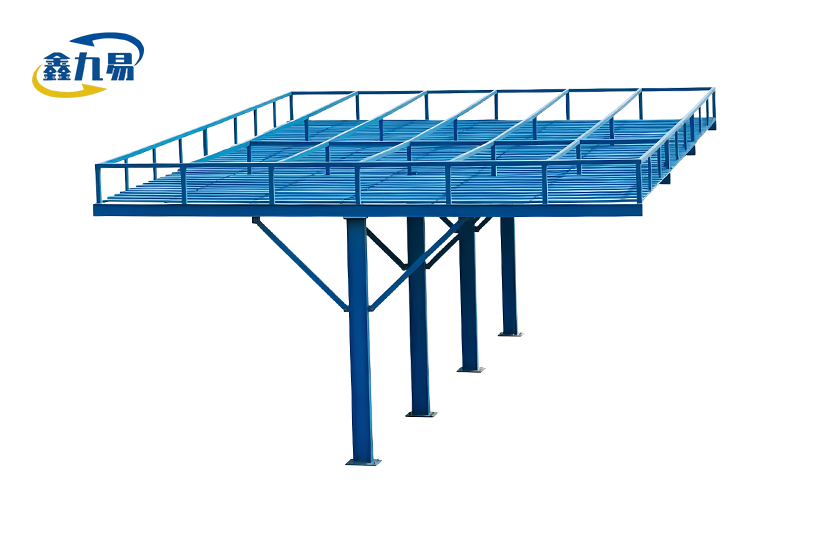
Maintaining your tower crane at peak performance requires more than routine inspections—it demands a systematic approach that addresses structural integrity, mechanical reliability, and worker safety. Central to this process is the proper use of specialized equipment like a Tower Crane Maintenance Platform, which provides secure access to critical crane components during servicing. These platforms transform high-risk climbing activities into controlled procedures, allowing your teams to conduct thorough inspections of the jib, slewing mechanisms, and standard sections without compromising safety. By integrating dedicated maintenance platforms into your workflow, you reduce downtime, extend equipment lifespan, and ensure compliance with international safety standards including OSHA and ISO certifications.
Understanding Tower Crane Maintenance Platforms and Their Role
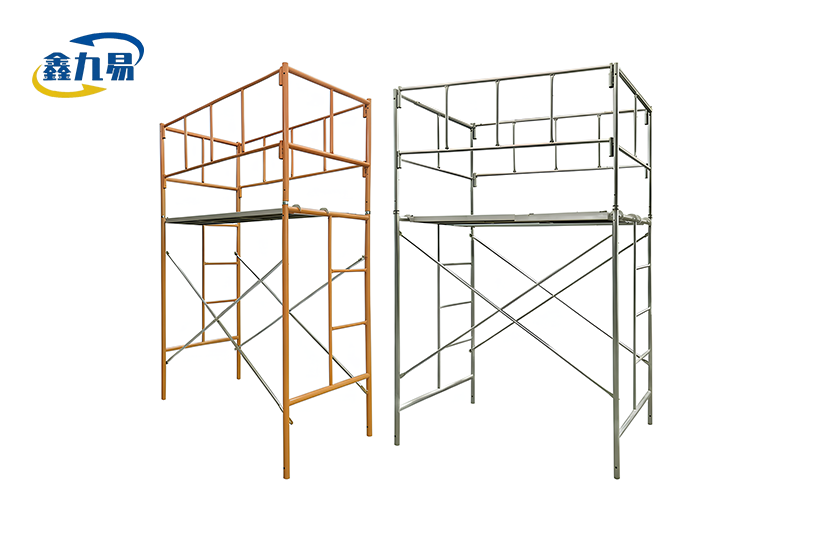
Proper crane maintenance begins with understanding the special tools that are meant to make service safely. Temporary scaffolding can be unstable at very high levels, but Tower Crane Maintenance Platforms designed for tower cranes offer fixed or modular access solutions that are perfect for tough building sites.
What Makes Maintenance Platforms Essential for Crane Operations?
Three important practical problems that every project manager has to deal with are solved by these tools. When wind speeds on tall buildings go over 50 km/h, technicians need stable footing to set the limits on hoists and make fine adjustments. The structure of the platform stops vibrations and movement, so your team can work with confidence even when the weather is bad. Managing tools from above is much safer now that there are built-in guardrails and non-slip surfaces to keep things from falling and hurting people on the ground or delaying the project.
Key Structural Components That Ensure Safety
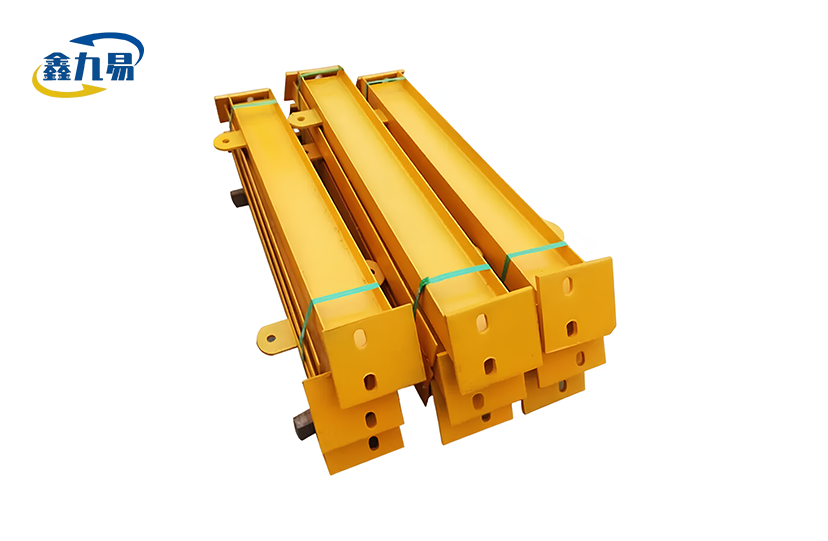
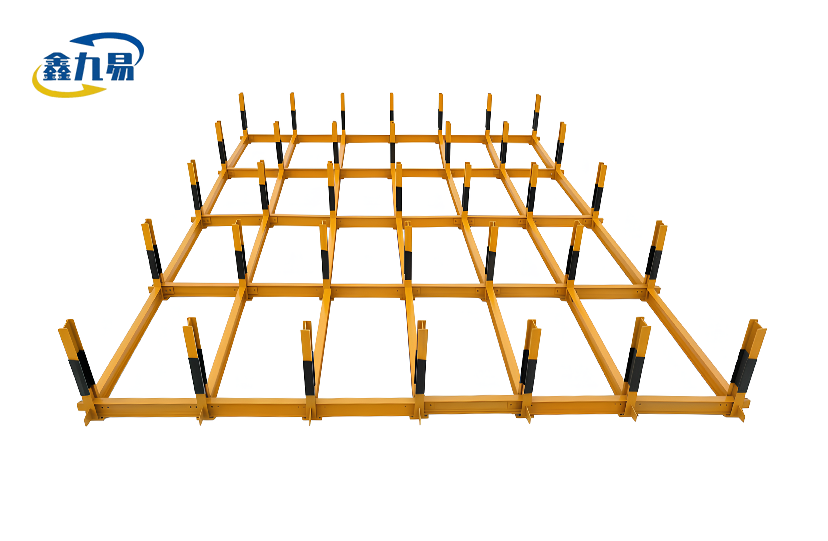
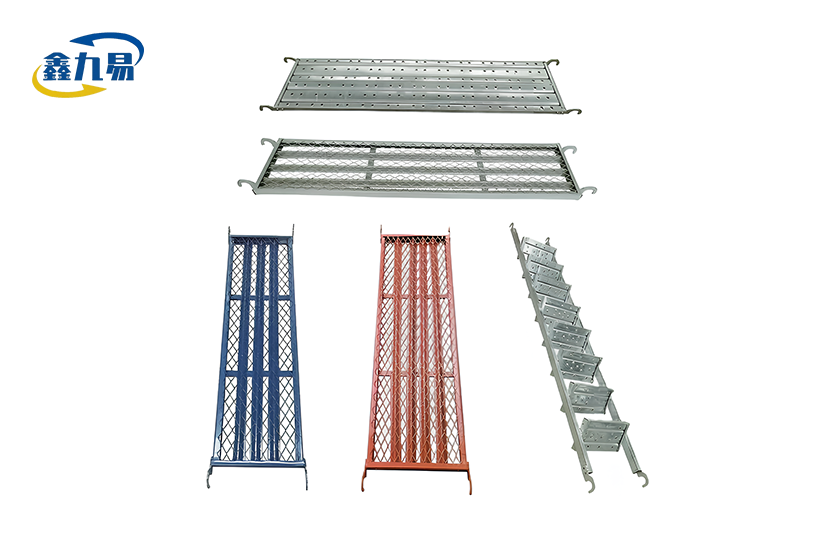
High-performance platforms are made of Q355B structural steel that has been hot-dip galvanized according to ISO 1461 standards. This gives the platforms corrosion protection that is good for both marine and industrial settings. The main frame is made of high-strength galvanized rectangular tubes and angle steel, which gives it a great load-bearing capacity of 250 kg/m² with a safety factor of 4:1. Steel grates or patterned plates that don't slip keep your footing in the rain or snow, and welding wire mesh with a 50 mm opening lets you get to your tools without sacrificing fall protection. Yellow and black warning paint makes things easier to see, giving workers quick visual safety cues as they approach repair zones.
Compliance Standards That Protect Your Investment
Following EN 14122 and OSHA 1910.28 rules isn't just the right thing to do; it's essential for keeping your employes safe and out of trouble with the law. All load-bearing welds on platforms that meet these standards are put thru strict Non-Destructive Testing (NDT), which includes Ultrasonic Testing (UT) and Magnetic Particle Inspection (MPI). This check makes sure there are no fatigue cracks and that the platform can hold 1.5 times its maximum load without permanently deforming. This gives procurement managers faith in the platform's long-term durability and safety during use.
Key Steps to Maintain Your Tower Crane for Optimal Performance
Systematic repair plans have a direct effect on how safe your site is and how reliable your crane is. Structured inspection processes and proper Tower Crane Maintenance Platform usage make tools last longer in a way that can be measured.
Conducting Comprehensive Platform and Crane Inspections
Checking the stability of the platform should be the first thing on your review list. Check the force levels of all fasteners every three months to see if they are loosening up because of vibrations from the process. Check the zinc surface for signs of covering breakdown, especially in places where salt spray or industrial pollutants speed up the process. If you see any deformation in the frame sections or soldered joints, that means the car may have been overloaded or hit something.
When you get to the parts that belong to the crane, check the structural connections at the mast sections. Make sure the bolts are tight and look for cracks around the connection plates. Check wire ropes for broken strands, rust, or thickness loss that is too big for the manufacturer's standards. Check the slewing ring for any strange noises or resistances, and make sure the hydraulic systems keep the right pressure and don't leak.
Safe Platform Installation and Operational Practices
A thorough site assessment is the first step in a proper installation. Check to see if the jib cords or fixing spots on the crane can fit the platform's clamping system without having to be structurally changed. Universal clamping designs connect tightly without voiding the crane manufacturer's guarantee, but you should make sure they are compatible before buying them.
Follow the step-by-step instructions for installation: put the platform parts close to the base of the crane, put together the modular frame according to the manufacturer's instructions, and use measured torque wrenches to tighten all the bolted connections. Before letting anyone on the platform, put up the guardrails and mesh walls. Do a final safety check to make sure that all the parts are in the right place and that the load capacity markings can be seen.
Training for operators is also very important. Technicians must have up-to-date high-altitude work permits and know how much weight a platform can hold. Never go over the 200 kg maximum weight limit, which includes people, tools, and things. Set up clear ways for ground crews and workers on platforms to talk to each other, especially during crane slewing operations, when the position of the platforms changes in relation to ground reference points.
Essential Crane Maintenance Routines
Schedules for lubrication have a direct effect on how long mechanical parts last. Apply the right grease to the teeth of the slewing ring gear once a month, making sure there is full coverage and no buildup that would allow dirt to get in. Service the hoist drum bearings at the times recommended by the maker, which is usually every 500 hours of use. Check and grease the trolley wheels and track systems to keep them from wearing out unevenly.
Evaluations of electrical systems should happen every three months. Make sure that all of the limit switches work properly by making sure that they all turn on at the right times and without any delay. Check the route of the cables for damage from rough surfaces or rubbing against them, and make sure that ground fault safety systems trip as expected. Write down everything you find in your repair logs. This will help you create trend data that shows new problems before they become problems.
Choosing the Right Tower Crane Maintenance Platform for Your Business
When choosing the right access tools, you have to think about the material's qualities, the needs of the job, and your budget. The wrong choice raises the cost of maintenance and adds risk that isn't needed by selecting an inferior Tower Crane Maintenance Platform.
Material Selection: Steel Versus Aluminum Platforms
Steel platforms are used in most heavy industrial settings because they can hold more weight and are less likely to break when hit. The galvanized steel construction can handle the rough treatment that is common on busy building sites, where tools are often dropped or materials are hit by mistake. Because steel is naturally strong, it can be used to make platforms that are wider and have fewer support points. This gives your repair teams bigger, clearer work areas.
Aluminum options are lighter, which makes installation easier on smaller cranes that can only hold a limited amount of dead weight. But aluminum isn't as good at withstanding impacts, so it's not as good for use on multiple projects, where rough handling can weaken the structure over time. Even tho they cost more up front, steel platforms offer better long-term value for companies that are handling multiple high-rise projects at the same time.
Purchase Versus Rental: Making the ROI Decision
Purchasing managers often have to make this decision: does buying equipment make more financial sense than renting it? The answer varies on how many projects you have planned and how often your tools is used. If your company uses tower cranes constantly on three or more projects at the same time, the cost of ownership usually pays for itself in 18 months, and the cranes are always available.
Renting is a good option for short-term needs or pilot projects that let you test out different platform designs before buying a lot of them. Find the point at which you break even by dividing the purchase price by the monthly rental rates. This will tell you how many months of continuous use you need to own the property. Don't forget to think about who is responsible for upkeep. If you own the platform, your team needs to check it every three months, but if you rent it, servicing is usually included.
Evaluating Supplier Credibility and Product Quality
Manufacturers with a good reputation give a lot of paperwork, like third-party NDT reports, material certifications, and details on how to weld. Ask for proof of ISO 9001, ISO 45001, and ISO 14001 certifications, which show that the company has well-established methods for quality control, health and safety at work, and protecting the environment. Make sure that the seller has production facilities that can handle big orders. Site visits are a better way to find out about manufacturing capacity than promotional materials.
Carefully read the guarantee terms. Manufacturers of high-quality platforms who are sure of their engineering usually back them up with warranties that last for several years and cover both material defects and problems with the work. Ask for client references from companies that are about the same size and level of difficulty as yours. Then, call these references to find out how well the product was delivered, how long it lasts, and how quickly the company responded to requests for help after the sale.
Installation and Compliance: Ensuring Safe Operation of Your Maintenance Platform
Safe Tower Crane Maintenance Platform repair operations start with using the right construction methods and following the rules. Cutting corners during setup puts your workers at risk and opens you up to liability.
Step-by-Step Installation Process
Assembling platform parts at ground level is the best way to avoid having to do too much work at high levels during the initial setup. Arrange all the parts and make sure you have full hardware packages with bolts, washcloths, and locking pins. Before moving something heavy, look at the manufacturer's assembly plans to see how the parts are arranged.
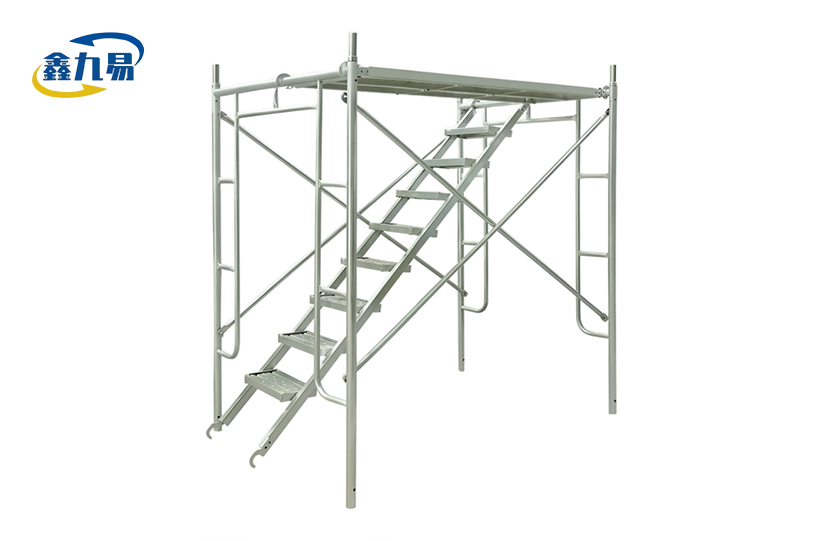
Make sure that the rigging equipment has enough safety margins and enough capacity before using the crane to move the built Tower Crane Safety Ladder platform parts to the installation spot. Place the platform against the crane structure where it's supposed to go, which is usually where the jibs meet or along the mast where you need to get to mechanical parts. Tighten the bolts in a star design to secure the universal locking system and spread the load evenly. This will keep the frame from warping.
Before letting any worker step onto the platform, you should put up guardrails and safety mesh. Use calibrated weights or water-filled buckets to apply 1.25 times the estimated capacity during load tests. Make sure that no deflection goes beyond the design limits. Take pictures and write down the measurements from this test for your safety records.
Regulatory Compliance and Documentation Requirements
International and regional laws require your organization to keep certain kinds of records in order to protect itself during safety audits or investigations into accidents. Keep a platform diary where you can write down the times of installation, inspection results, and any repairs or changes that were made. This logbook stays with the platform for as long as it's used, making a record of upkeep and compliance that can be checked.
Plan for qualified third-party engineers to check the platform once a year. They can provide certification letters confirming that the condition meets safety standards. When clients or regulatory authorities look over the safety of a project, these independent assessments are given a lot of weight. In the project files, keep copies of the material certifications, weld quality reports, and load test paperwork so that they can be found during checks.
Troubleshooting Common Issues and Future-Proofing Your Crane Maintenance
Even well-maintained Tower Crane Maintenance Platforms will eventually show signs of wear that mean someone needs to fix them. Early detection of these signs reduces the risk of accidents and increases the life of tools.
Identifying and Addressing Material Fatigue
Over time, repeated use leads to cyclic loading, which builds up stress at welded joints and connection points. Check these areas once a year with dye penetrant testing or magnetic particle inspection to find tiny cracks that show wear and tear. If you see surface rust under galvanized coatings, it means that water is getting in and needs to be fixed right away. Wire brush the affected area, apply a zinc-rich primer, and paint it again using the manufacturer's recommended coating system.
When bolt tension is uneven across connection points, load irregularities often happen. If the platform feels unsteady or moves in strange ways while being used, use a torque wrench to check all of the bolts. Tighten all the links again to the specifications, and replace any screws that have thread damage or corrosion.
Adopting Advanced Maintenance Technologies
IoT-enabled smart systems are the next step forward in managing crane safety. These systems have weather sensors, load sensors, and tilt monitors built in. They send real-time data to managers on the ground. When wind speeds get close to unsafe levels or platform loads go over safe limits, automated alerts tell workers to leave right away. This technology makes it less important for crew members to make decisions based on their own judgment, which can vary in quality.
For specific uses, advanced materials like fiber-reinforced polymers protect against corrosion and reduce weight. Unfortunately, these materials are very expensive right now, but they don't need to be galvanized and can last more than 30 years in acidic conditions. Companies that work near the coast or in chemical processing plants should look at these choices because, even tho they cost more to buy, advanced materials often have lower lifetime costs.
Conclusion
For tower cranes to work at their best, they need to be maintained regularly and have the right entry tools and inspection processes in place. Specialized Tower Crane Maintenance Platforms designed for serving high-altitude cranes turn risky climbing tasks into controlled processes that keep your workers safe and improve the quality of upkeep. The choice of materials, the way they are installed, and the compliance documentation all affect the safety of operations and the life of the equipment. By putting money into good maintenance infrastructure and using new monitoring technologies, your company cuts down on unplanned downtime, increases the life of assets, and shows a dedication to worker safety, all of which make you more competitive in tough construction markets.
FAQ
How often should we check the maintenance platform for our crane?
Visually check the Tower Crane Maintenance Platform before each use to see if there is any obvious damage or loose parts. All screws should have their torque checked and the quality of the coating checked every three months. Third-party checks with NDT testing done once a year provide full structural verification and record the state of the platform for compliance records and insurance needs.
Can platforms fit cranes from different companies?
These days, platforms use universal clamping systems that can connect to common jib setups without any changes. This works with tower cranes from big brands like Potain and Liebherr, as well as other related models. Make sure the dimensions are compatible with your specific crane type before you buy it to make sure it will fit right.
What training do operators need for platform use?
The people who work there must have up-to-date high-altitude work permits that meet regional safety standards. More training should include platform-specific processes like recognizing load limits, the right way to secure tools, and how to get out of the building in an emergency. For auditing reasons, keep track of all the training that has been completed in worker qualification files.
Do platforms change how much a crane can lift?
Good platforms are made of light materials that don't change the crane's rated lifting capacity when figuring out its deadweight. The aerodynamic mesh design reduces wind loading, and manufacturers list weights so that crane operators can correctly calculate load charts that take into account platform mass.
How do we keep surfaces that don't slip in the winter?
Open-grid gratings with serrated edges let snow and ice slide thru instead of building up on the ground. This design keeps its slip resistance ratings even when it's cold outside. Clear out the openings of the gratings of any buildup of garbage every so often to keep the drains working well and stop ice from forming.
Partner with Xinjiuyi for Reliable Tower Crane Maintenance Solutions
Xinjiuyi provides professional-grade access options designed especially for demanding tower crane environments. Our Tower Crane Maintenance Platforms are made of high-strength galvanized steel and are designed in a way that makes them easy to install on a wide range of crane models. We help procurement managers find reliable equipment with ISO certifications and project experience by offering load sizes that meet international standards and full customization services. Get in touch with our team at global@xjy8.com to talk to our technology experts about your unique needs. As a reliable maintenance platform supplier, we offer detailed engineering support, quick delivery times, and equipment that is made to last 20 years. This helps you make maintenance programs that are safer and more effective.
References
1. American Society of Civil Engineers. (2021). Structural Design Standards for Tower Crane Support Systems and Maintenance Access. ASCE Publications, Reston, Virginia.
2. International Organization for Standardization. (2020). ISO 14122: Safety of Machinery - Permanent Means of Access to Machinery. ISO Central Secretariat, Geneva, Switzerland.
3. Occupational Safety and Health Administration. (2022). OSHA 1910.28: Duty to Have Fall Protection and Falling Object Protection. U.S. Department of Labor, Washington, D.C.
4. Construction Industry Research and Information Association. (2019). Best Practices for Tower Crane Maintenance and Inspection Programs. CIRIA, London, United Kingdom.
5. European Committee for Standardization. (2021). EN 14439: Cranes - Safety - Tower Cranes. CEN-CENELEC Management Centre, Brussels, Belgium.
6. National Institute for Occupational Safety and Health. (2020). Preventing Falls from Heights in Construction: A Practical Guide for Contractors. NIOSH Publications, Cincinnati, Ohio.