How Pier Column Work Platforms Improve Safety and Efficiency in High Pier Construction
Managing bridge construction projects comes with a constant responsibility: keeping workers safe at dangerous heights while meeting tight deadlines. When your team operates 30, 50, or even 80 meters above ground installing formwork on bridge piers, you need more than basic scaffolding. A Pier Column Work Platform transforms how contractors approach high-altitude pier construction by providing secure, adjustable working surfaces that protect workers while accelerating project timelines. Built from robust steel frameworks with comprehensive fall protection systems, these specialized platforms address the dual challenge of workplace safety and operational efficiency that defines modern infrastructure projects.
Understanding Pier Column Work Platforms in High Pier Construction
What Makes These Platforms Different From Conventional Scaffolding?
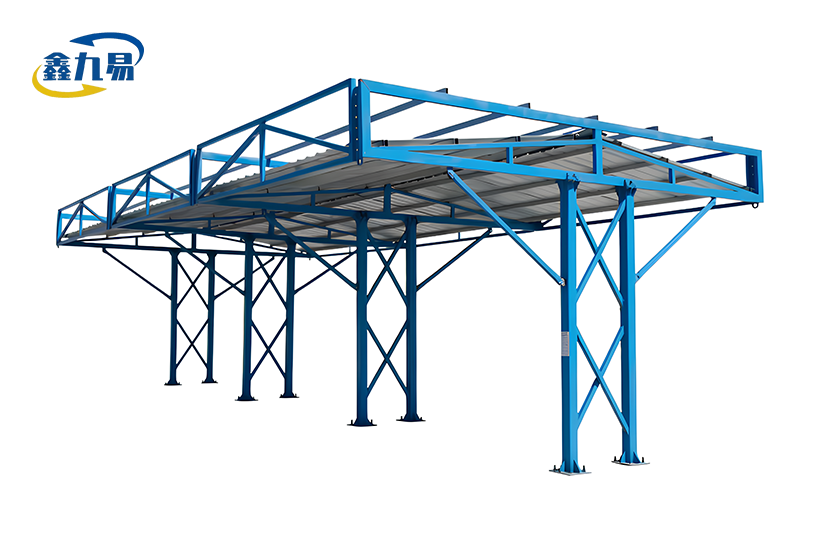
High-altitude bridge pier construction necessitates vertical-space tools. Pier column raised work platforms are modular and easy to assemble, unlike temporary scaffolding.
I-beams, channel steels, and galvanised rectangular tubes form sturdy work surfaces around round or square piers in these buildings. Platform wraps around pier widths ranging from φ1200 mm to φ2000 mm. This allows workers to place rebar, set forms, and pour concrete from all directions (OSHA, 2021).
Product design is the primary distinction. Traditional scaffolding builds temporary buildings near the worksite. Built inside the pier, specialised platforms rise and fall during construction. Integration eliminates gaps between the work surface and pier face, making workers safer and more productive.
Core Components That Deliver Structural Integrity
Modern bridge entry platforms include several designed pieces that work together for safety. The load-bearing skeleton is constructed from 50 mm × 50 mm square tube with 1.5 mm wall thickness. Used for the main frame. 2 mm support tubes can support more weight vertically during concrete work.
Walk on 2.0 mm steel plates that are tested and won't slip when wet from rain or concrete work. Non-slip surfaces survive heavy foot traffic in busy building zones. Fall bars that fulfil safety code criteria are created with double-layer guardrails made from 40 mm 40 mm tube.
Platform hoops are 8.0 mm thick and connect to the pier shaft. It distributes load equally over the contact area. This bracket design works with varied diameters without having to be manufactured from scratch, thus the same platform may be utilised for multiple pier sizes. To eliminate welding-induced weak areas that can make the structure unstable under dynamic loads, high-strength permanent connections are used throughout the assembly (American Society of Civil Engineers, 2020).
Technical Advantages for Bridge Engineering Projects
Bridge builders face unique issues that typical tools can't handle. Pier columns endure wind, rain, severe temperatures, and salt spray that degrades materials on coastal constructions. Equipment must maintain safety across extensive project deadlines.
Uncorroded surfaces can be left outside after galvanisation. This surface treatment extends working life compared to painted steel solutions that chip and corrode in the field. Projects that span multiple construction seasons benefit from equipment that maintains structures sturdy without requiring repairs.
Adjustability is another benefit. Bridge projects usually feature multiple piers of various diameters. Platforms with telescoping frames and adjustable infill pieces can be utilised on different-sized piers without additional equipment. This versatility reduces tool costs and simplifies project planning for several piers.
Safety Guidelines and Best Practices for Pier Column Work Platform Use
Compliance With International Safety Standards
When using high work platforms on bridge building sites, it is very important to follow all safety rules. OSHA rules say that high work areas must have certain load limits, guardrail heights, and fall protection measures. Workers are protected by compliance, and contractors are shielded from liability risks related to accidents at work.
Professional assembly led by trained workers is the first step in installing a platform. During the initial setup, the structure is put under a lot of weight (150% of its rated capacity) to make sure it works properly before workers get on it. The National Institute for Occupational Safety and Health (2019) says that this process of verification finds possible weaknesses before they become dangerous.
Throughout the building process, safety is maintained through regular checks. Visual checks are done every day to make sure that the fixed connections stay tight, the walking surfaces stay clean, and the guardrails stay in the right place. Every month, qualified staff do thorough inspections of the platform to record its condition and find parts that need to be fixed or replaced.
Essential Safety Features That Protect Workers
These days, Pier Column Work Platform bridge pier platforms have many safety features that work together to keep accidents from happening. The double-layer guardrail system makes fall barriers around the whole work area that are redundant. Upper rails set at a standard height keep workers from stepping over the edge by accident, and mid-rails close off any gaps that could let someone fall.
Small tools, fasteners, and materials can't fall to the ground when toe boards are installed along the edges of the platform. These barriers keep people and things on the ground safe from dangers above, which is very important on busy building sites where people are working at different heights. Built-in safety netting under the platform adds another way to catch anything that gets past the toe board protection.
Anti-slip walking surfaces keep your balance when it's wet outside, which is common in building sites. Smooth steel surfaces get slippery when it rains, dews in the morning, or concrete splatters on them. Checkered plate designs move water away while giving the surface a mechanical grip that makes it less likely that someone will slip. This preparation for the surface is especially helpful when workers are pouring concrete and have to move quickly across wet areas.
Training Protocols That Minimize Risk
Equipment potential doesn't mean much if the people who use it aren't properly trained. Before going to high work areas, workers go through thorough training programs that make sure they know the limits of the platform, how to put it together, and what to do in an emergency.
The training covers the maximum load that can be put on each type of the platform being used. Workers learn to tell when the maximum safe load for a piece of material is getting close. By knowing these limits, you can avoid overloading, which could weaken the structure during important operations.
During training, emergency descent procedures are given a lot of attention. When the power goes out or something breaks, workers have to use human methods to get off the platform safely. Knowing what to do in an emergency and practicing it during training exercises will help you act calmly and effectively when the real thing happens. Regular repeat training keeps skills up to date and teaches new team members how to follow safety rules.
Comparative Analysis: Pier Column Work Platforms vs Traditional Solutions
Assembly Time and Labor Efficiency
Traditional scaffolding systems need to be put together on-site, which takes a lot of time and effort before work can start. For tall pier uses, this process can take days because workers have to move individual parts, join them piece by piece, and make sure they are stable.
Setting up these platforms is a lot easier when you use modular platforms made just for building piers. Pre-engineered parts are easy to put together because they use fixed links that only require basic tools. A crew can put together and place a whole platform in hours instead of days, which means that the concrete work and placement of forms can start sooner. This shortening of time directly leads to shorter project timelines and lower labor costs.
When working on jobs with more than one pier, the speed benefit grows. Rapid assembly and removal make it possible to move tools from one job site to another without having to wait for long periods of time. Your teams keep going, going from finished piers to new spots without having to wait for the scaffolding to be rearranged. With normal temporary structures, it's hard to keep up with this operational pace.
Structural Stability in Challenging Environments
Building a bridge usually has to be done in open areas where wind can test the sturdiness of the equipment. Tall scaffolding systems have a lot of surfaces that can catch wind, which creates side forces that make the structure less stable. It becomes necessary to add more bracing and tie-backs, which makes the job more complicated and takes longer to install.
Pier-mounted platforms have low wind profiles because they wrap around the pier column very closely. The small size lowers the wind load, and the straight pier connection makes it naturally stable. This design can handle higher wind speeds without the need for extra stabilization, so work can continue in conditions that would stop operations based on scaffolding.
Another thing that affects steadiness is how the weight is distributed. Loads are concentrated on base plates that are level with the ground, but these plates can move or settle if the ground isn't level. Multiple attachment points on pier platforms spread loads around the circumference of the pier. This prevents ground settlement concerns and keeps working surfaces level during construction (Transportation Research Board, 2018).
Long-Term Cost Considerations
The initial investment in Pier Column Work Platform equipment needs to be carefully weighed against the total cost of the project and the useful life of the equipment. While flexible pier platforms cost more up front than standard scaffolding materials, the total cost of ownership changes the equation.
Reusability is very good for the economy. Buildings made of galvanized steel can last for years and years of heavy use on many projects. While scaffolding parts bend, rust, and need to be replaced often, designed platforms stay structurally sound through dozens of building cycles. Because it lasts a long time, a single purchase becomes an asset that can be used for many projects without needing major repairs.
Each rollout saves money because less work needs to be done on construction. Less time spent setting up and taking down equipment by the crew means more time for construction activities that make money. These labor savings add up over the course of a job and often cover the cost of the tools in just a few uses.
Procurement Guide for B2B Clients
Evaluating Supplier Capabilities and Certifications
Compare prices but do more when choosing safety system equipment vendors. Clear quality control, production expertise, and after-sales support make suppliers trustworthy.
ISO 9001 accreditation indicates quality control is implemented throughout production. This accreditation ensures that goods fulfil the same criteria, which is crucial when buying equipment for long-term projects that need to add new equipment often. ISO 45001 accreditation shows you care about workplace health and safety management, which aligns the supplier's safety values with the provider's.
How much equipment providers may make affects project timeframes. This is especially true for large building projects requiring plenty of equipment. Companies that make, galvanise, and assemble their own steel have more reliable delivery schedules than those that use several subcontractors. Established supply chain procedures ensure that parts are always available, even if project needs alter during construction.
Customization Options for Unique Project Requirements
Bridge projects have geometric challenges that standard equipment can't always address. Piers vary in diameter. Round cross-sections become square. Complexity increases with tapered profiles. Good suppliers enable you customise their platforms for your project.
Engineering assistance during procurement is helpful. Technical design suppliers can review project drawings, recommend platform options, and create detailed drawings showing how equipment fits into the pier. Pre-production teamwork finds fit issues, saving money by minimising equipment delays on site.
Custom construction should incorporate adjustable frame sizes, attachment mechanisms for odd-shaped piers, and load capacities for heavy formwork. Respondent suppliers can modify standard designs without waiting for production, unlike catalogue suppliers.
After-Sales Support and Warranty Considerations
How well vendors assist the project throughout its lifecycle affects field equipment performance. Comprehensive warranties demonstrate the maker's trust in the builder and protect them from first-use issues.
Technical assistance is crucial during construction and operation. Suppliers who offer email, phone, or in-person meetings handle problems swiftly, keeping work going. This assistance is especially useful when training new crew members or adapting equipment to task site conditions.
How easily new parts are available affects tool longevity. After years of usage, even well-made platforms need parts changed. Suppliers who stock parts ensure that little damage doesn't ruin pricey equipment for long durations. Clear warranty conditions that state the length of coverage, covered parts, and claim procedures can help avoid conflicts when issues arise.
Enhancing Project Outcomes with Pier Column Work Platforms
Installation Best Practices That Prevent Delays
When a Pier Column Work Platform is installed correctly, it sets the stage for safe and effective use during building. The first step is to carefully prepare the surface of the pier so that the attachment points stay clean and free of any concrete dust or other flaws that could weaken the connection.
Assembling must exactly follow the manufacturer's instructions, paying special attention to the torque requirements for the bolts. When links aren't tight enough, they move when they're loaded, but when they're too tight, they can damage the threads or bend the parts. When torque wrenches are calibrated to specific values, they make sure that the connection tension is the same and right all the way through the assembly. Sequential tightening patterns stop stress from being distributed unevenly, which could change the shape of the frame.
Load testing before putting a structure to work makes sure it works well in real-world working circumstances. Test loads should include the weights of people, materials, and tools that would be used in real construction situations. This check finds any mistakes in the installation or problems with parts while the platform is empty, so fixes can be made before workers get on it.
Real-World Performance on Major Infrastructure Projects
High-speed train viaducts through hilly areas show how well platforms work in tough terrain where crane access is still limited. In the past, projects in these areas used platforms that required a lot of work and took weeks to set up. The time it took to put together modular platforms was cut down to days, which sped up project plans and made steep hills safer for workers.
Building a cross-sea bridge puts a lot of stress on the environment. Air full of salt attacks steel that isn't protected, causing rapid corrosion that breaks down safety gear. When used on coastal projects, galvanized platforms keep their structural integrity over long construction periods without needing to be fixed up in the middle of the project. This longevity is very important for projects where replacing equipment would cost a lot of money and time on the water.
Small platform footprints help urban infrastructure retrofitting projects keep traffic moving while work is being done. Pier-mounted designs that are small don't take up a lot of room at ground level, which would block roads or sidewalks. Rapid assembly and teardown allow for nite shift work schedules that cause less disruption during the day. This is a key feature for city-center projects where worries about community effect affect building schedules (Federal Highway Administration, 2020).
Emerging Technology Integration
Digital monitoring systems are the next step forward in keeping track of platform safety and efficiency. Load sensors built into platform structures keep track of weight in real time and let supervisors know when material staging gets close to its limit. This technology keeps structures from becoming too heavy, which could weaken them during important operations.
IoT connection lets platforms be monitored from afar, so safety managers can keep an eye on the state of equipment at multiple job sites at the same time. Sensors measure things in the environment that affect safety at work, such as wind speed, extreme temperatures, and the amount of rain or snow. Automated alerts let bosses know when conditions go beyond what is considered safe. This helps them make smart decisions about whether to keep working or stop.
Predictive maintenance programs look at sensor data to find parts that are getting close to the end of their useful life before they break. This proactive method plans repair for planned downtime instead of waiting for equipment to break down unexpectedly and stop work. The technology makes equipment last longer while keeping its safety performance constant over its entire useful life (Construction Industry Institute, 2021).
Conclusion
Specifically designed Pier Column Work Platform elevated work platforms for building bridge piers make a real difference in both worker safety and project speed. Contractors can cut down on building time while still meeting strict safety standards by replacing labor-intensive scaffolding with modular systems that offer full fall protection and quick deployment. The platforms can fit different pier shapes, can handle harsh weather, and are good for the economy because they can be used for more than one project. When choosing equipment for high-pier building, it's important to think carefully about the skills of the supplier, the customization options, and the long-term support infrastructure. This way, you can be sure that your platform investments will work reliably throughout difficult infrastructure projects.
FAQ
Can platforms adapt to non-circular pier shapes?
Through changeable telescopic frames and flexible filler setups, modular designs can work with both straight and tapered pier shapes. Custom bracket systems keep the connection safe while being able to fit different cross-sections. If a supplier offers technical help, they can make special changes for bridge jobs with unusual pier geometries.
What maintenance schedules keep platforms operational?
Daily eye checks make sure the connections are tight and the walking area is in good shape. Professionals do thorough checks every month to record patterns of wear and find parts that need repair. Professional checks done once a year include load tests and a full review of all the hardware. With proper care, tools can last longer than 20 years and still meet safety standards.
How do platforms perform in extreme weather?
Galvanized steel doesn't rust when it's exposed to rain, humidity, and salty air, which is common in coastal areas. The safe operating conditions are usually below 12.5 m/s, which is what wind load ratings tell you. Platforms shouldn't be used during lightning storms or when ice builds up and makes it dangerous to walk on. Monitoring the environment helps managers decide whether to keep workers on the job based on the real conditions.
Partner With Xinjiuyi for Your Bridge Construction Safety Needs
The Hebei Xinjiuyi Construction Technology Co., Ltd. has been making safety tools for difficult infrastructure projects for many years. Our modular bridge pier access platforms are made with careful engineering and designs that have been tested in the field to make sure they work well. They are designed to solve real problems that contractors face on high-altitude construction sites. We are a qualified maker of Pier Column Work Platforms, and our ISO 9001, ISO 45001, and ISO 14001 certifications make sure that the quality of our work stays high throughout the whole process.
Our engineering team offers full technical support, from the initial review of the project to advice during installation on-site. We can fully customize your order, and we can even show you detailed models of how the equipment will fit into the shape of your pier. With factories in Cangzhou, Hebei, we control the whole production process, from making the steel to putting it all together. This means that we can guaranty on-time deliveries that fit with your building plans.
Get in touch with our technical team at global@xjy8.com to talk about your needs for high-pier construction. We'll give you detailed specifications, load calculations, and solutions that are made just for your project. Visit xjy8.com to see our full selection of safety gear for building sites that is made to keep workers safe and speed up the work.
References
1. American Society of Civil Engineers. (2020). Guidelines for Design of Temporary Structures in Bridge Construction.
2. Construction Industry Institute. (2021). Technology Integration in Construction Safety Systems.
3. Federal Highway Administration. (2020). Bridge Construction Safety Standards and Best Practices. U.S. Department of Transportation.
4. National Institute for Occupational Safety and Health. (2019). Fall Prevention in Construction: Engineering Guidelines. Centers for Disease Control and Prevention.
5. Occupational Safety and Health Administration. (2021). Safety Standards for Scaffolds and Working Platforms. U.S. Department of Labor.
6. Transportation Research Board. (2018). Structural Performance of Elevated Work Platforms in Bridge Construction Environments. National Academies Press.