Hoist Cage vs. Material Lift Platform: Key Differences Explained
It depends on what you are moving, how high you are going, and the safety standards your project needs to meet. This is what I always tell procurement managers who ask me if they need a hoist cage or a material lift platform. A hoist cage is a heavy-duty vertical transport enclosure that is fully enclosed and built into a rack-and-pinion or wire rope construction elevator system. It is rated to carry both people and heavy loads according to strict safety standards like EN 12158 and ANSI A10.4. A material lift platform, on the other hand, is usually open or partially guarded and is used to move lighter items around on the floor in warehouses or low-rise buildings. Making the wrong choice will cost you time, money, and, most importantly, the safety of your workers.
Understanding Hoist Cages and Material Lift Platforms
To properly compare the two, it is helpful to know exactly what each piece of gear is and where it fits in.
What Is a Hoist Cage?
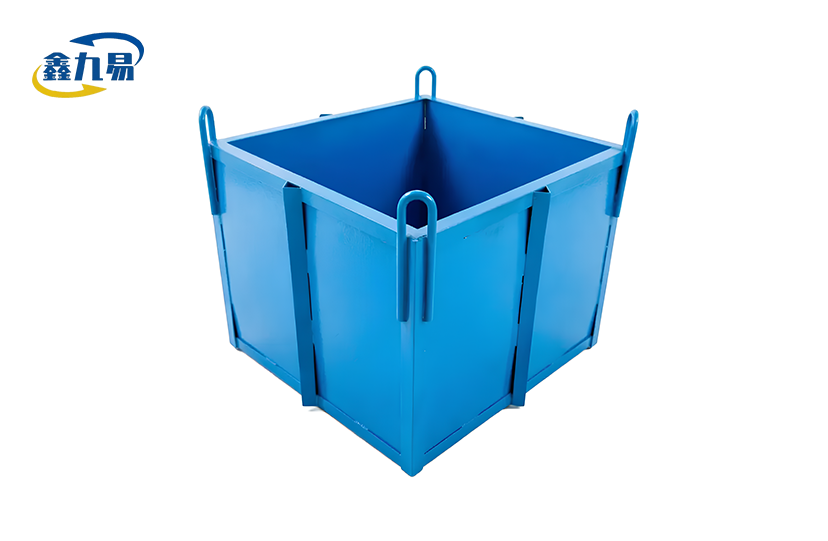
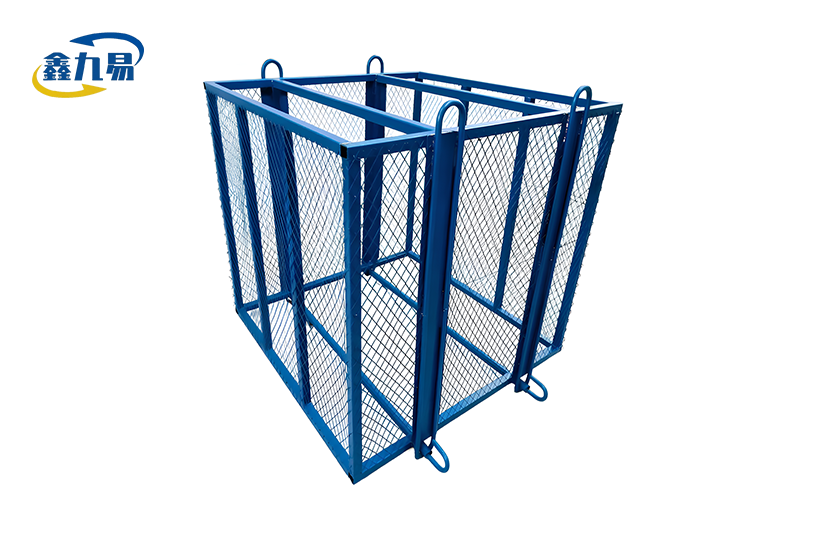
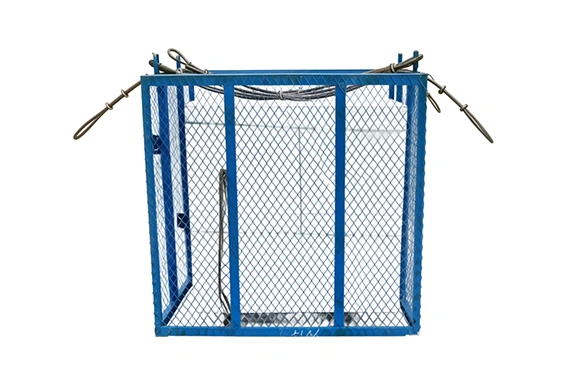
A building hoist cage is a rigid, enclosed car that moves up and down on a mast or set of guide rails. It moves people and things on high-rise construction sites, bridge pylons, and big venue maintenance projects. It's made of structural steel, usually Q235 or Q345B. Most cages can hold between 1,000 kg and 3,200 kg of weight, and lifting speeds with variable-frequency drive (VFD) systems range from 36 m/min to 96 m/min. The SAJ series of overspeed governors, automatic door interlocks, and overload alarms are all safety devices.
What Is a Material Lift Platform?
A material lift platform is a mechanical device that moves goods between fixed heights. It can be open or partially enclosed, and it is usually found in a warehouse, loading dock or light industrial building. It has scissor, hydraulic, or traction mechanisms and isn't usually rated or licensed for moving people. The equipment isn't built to handle the structural demands of a busy construction site, so it can't hold as much weight.
How Their Operating Principles Differ?
Integration is the main difference in how they work. A hoist cage is always connected to a mast-climbing system and needs to fit perfectly with the rack and pinion of the drive unit. It is possible for a material lift platform to work on its own. This difference affects all the choices that come after it: the structure needs, the scope of the safety certification, the difficulty of the installation, and the long-term upkeep needs.
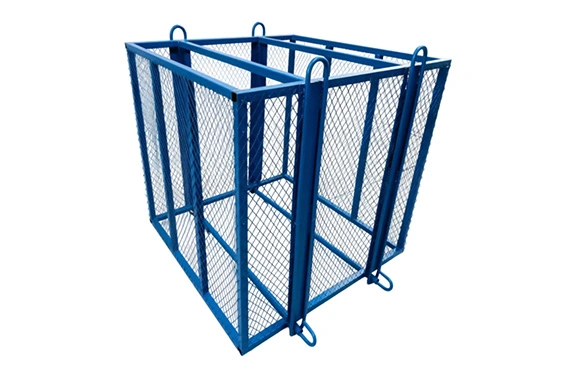
Key Differences Between Hoist Cages and Material Lift Platforms
If the buying teams know how these two systems are different technologically, they won't make mistakes that cost a lot of money.
Structural Design and Enclosure
A hoist cage's frame is made up of an I-beam frame, a channel steel frame, and narrow galvanised tubes that are glued together. NDT checks the full-penetration welds at all the important stress points before the item is sent out. Sonar or magnetic particle screening can be used for NDT. This is done to look inside for any problems. Strong pulling forces can't break the weld because of special supports in places where it's lifted. This kind of platform is made of steel or lighter aluminium, and it doesn't always need NDT. This is possible because the dynamic loads are low and the journey heights are short.
Safety Standards and Compliance
If you are in a certain market, your building hoists and their cages need to meet EN 12158, GB/T 10054, or ANSI A10.4. The rules say that doors must have automatic interlocks, overload alarms, safety brakes to stop falls, and side-net systems with mesh holes that don't let people fall. The 29 CFR 1926 comes from OSHA.In the US, building hoists must follow 552 and have proof that they've been inspected for type. When a material lift platform is only used to move things and not people, OSHA 1910 general industry rules are not as strict.
Load Capacity and Performance Range
You can go up or down more than 150 meters in a SC200/200 building lift with two cages. Each cage can hold up to 2,000 kg. A lot of tall buildings around the world are set up in this way. They can move up to 20 meters and hold up to 1,500 kg most of the time. It is against the law and very dangerous to use a material lift platform where a building lift cage is required. They don't work at all the same way.
How to Choose Between a Hoist Cage and a Material Lift Platform?
To pick the right equipment, you need to compare the technical requirements of each system with the needs of your site.
Define Your Operational Requirements First
First, ask yourself three things: Will workers get to ride on the tools? What height does it go? How much weight can a single lift carry? If you said "yes" to the first question, almost every place requires you to have a certified building lift cage. If the travel height is more than 30 meters, the only practical solution is a system mounted on a mast with a properly certified cage. Material lift platforms are good for places where goods need to move between low-level, fixed floors and where workers don't need to ride on the machine. The site also needs to be stable.
Compare Total Cost of Ownership
The upfront cost by itself is not a good indicator. A hoist cage built into a SC200/200 system needs to have the mast set up, the electricity connected, and the type inspected, which costs more at the start. But it does pay off: studies from the construction transportation industry show that efficient vertical transport has a direct effect on the productivity of workers in every trade on a 50-story building. When it comes to high-rise projects, a material lift platform doesn't add any value because it can't reach.
Evaluate Supplier Qualifications Carefully
When buying a hoist cage, make sure the supplier gives you NDT weld inspection reports, dimensional compliance documentation for the target lift model (SC200/200 or an equivalent), records of the automatic door interlock and overload alarm acceptance, and surface treatment certification. Without these papers, site managers and independent inspectors often refuse deliveries, which slows down the project schedule. A good hoist cage manufacturer includes all the paperwork with each unit.
Case Studies & Industry Examples
It's important to pick the right system, as shown by real-life examples.
High-Rise Construction: Twin-Cage Efficiency
Construction productivity research published by the Chartered Institute of Building shows that twin-cage construction elevator configurations have cut the time it takes to move materials up and down 100-meter skyscrapers by 30–40% compared to using only tower cranes. Finishing materials and workers (drywall panels, glass curtain wall sections, and MEP components) move at the same time through two separate cages on a single mast. This way, all crews on each floor don't have to wait for crane windows to open.
Bridge Pylon Projects: Confined-Space Adaptability
On construction sites for bridges, hoist cage systems often need to work inside narrow concrete pillar shafts that are slightly tilted. The equipment can work in places where a regular material lift platform would not be able to because it has customized cage entry configurations and reinforced guide-shoe assemblies. In these situations, it is important that the structure of a properly welded cage frame is strong, which can be checked with NDT.
Warehouse Operations: Where Material Lift Platforms Excel
A regional logistics center, on the other hand, that moves pallets from an upper floor to the ground floor does not need a building elevator cage. A hydraulic or scissor material lift platform works well for the job, doesn't need much setup, and meets OSHA 1910 general industry standards. The main lesson is that getting too specific about tools loses money just as much as getting too specific about it makes it less safe.
Conclusion
It is not a matter of personal choice between a hoist cage and a material lift platform; it is a matter of matching engineering requirements to real-world operations. Construction elevator bars move people and big loads at high levels while following strict safety rules. Material lift platforms move things at lower levels and with less risk. It's not just price that procurement managers look at when they're looking for tools for big projects like bridges, high-rise buildings, or arenas. The structural stability, NDT documentation, automatic safety interlocks, and model-specific compatibility of the cage are what matter the most.
FAQ
What safety certifications should a hoist cage carry?
If the project is for a building lift, the cage should meet EN 12158, GB/T 10054, or ANSI A10.4. Suppliers should give proof of type inspection, NDT weld reports, and overload alarm acceptance. US building sites must follow OSHA 29 CFR 1926.552.
Can a hoist cage be customized to fit specific elevator models?
Yes. Reliable manufacturers make cage frames that are the right size to fit certain elevator drive units, like the SC200/200. This cage can be changed in length, width, and height. You can also change how far apart the guide shoes are from the landing door. So, there is no chance of a mistake or rejection on-site.
How often does the safety brake require testing?
A drop test should be done on the overspeed governor at least once every three months. Once a month, oil the rollers and check them for wear every week to keep the mast in place.
What is the lead time for a custom hoist cage order?
When there are sample tests and type check alignment, it generally takes 8–14 weeks for the first sale. It usually takes between 6 and 10 weeks to finish repeat orders for the same model of elevator, depending on production schedules and order volume.
Is a material lift platform ever acceptable on a construction site?
Only for moving goods at low risk, on the ground or a mezzanine where no one rides on the equipment and the journey height is low. For any vertical transport that involves people, you need a certified building lift cage system.
Request a Custom Hoist Cage Quote from Xinjiuyi
Xinjiuyi manufactures certified construction elevator cages built to your exact elevator model specifications. Each unit ships with full NDT weld reports, automatic door interlock documentation, and overload alarm acceptance records—everything your site inspector needs on day one. As a trusted hoist cage supplier operating under ISO 9001, ISO 45001, and ISO 14001 certification, we support procurement teams from initial design through delivery and commissioning. Contact our team today to discuss your project requirements and request a detailed specification sheet.
Website: xjy8.com | Email: global@xjy8.com
References
1. Chartered Institute of Building (CIOB). Guide to Good Practice in the Management of Time in Major Projects. CIOB, 2011.
2. European Committee for Standardization. EN 12158-1: Builder's Hoists for Persons and Materials. CEN, 2000 (revised 2010).
3. Occupational Safety and Health Administration (OSHA). 29 CFR 1926.552: Material Hoists, Personnel Hoists, and Elevators. US Department of Labor, 2022.
4. Standards Press of China. GB/T 10054: Construction Hoists. National Standardization Administration, 2005.
5. American National Standards Institute. ANSI A10.4: Safety Requirements for Personnel Hoists and Employee Elevators. ANSI, 2016.
6. Health and Safety Executive (HSE). Construction Information Sheet No. 58: Construction Hoists. HSE Books, 2014.