Elevator Shaft Work Platform vs. Traditional Scaffolding: Safety, Load Capacity, and Efficiency Comparison
When planning high-rise construction or elevator installation projects, procurement managers and safety officers face a critical decision: should they rely on traditional scaffolding or invest in specialized elevator shaft work platforms? The answer directly influences project timelines, worker safety, and overall operational costs. An Elevator Shaft Work Platform is a modular, engineered access system specifically designed for the confined vertical environment of hoistways, offering integrated fall protection, superior load distribution, and rapid deployment capabilities that traditional tube-and-coupler scaffolding simply cannot match in these demanding spaces.

Understanding Elevator Shaft Work Platforms and Traditional Scaffolding
The main difference between these two systems is how they were designed and where they are meant to be used.
What Defines an Elevator Shaft Work Platform?
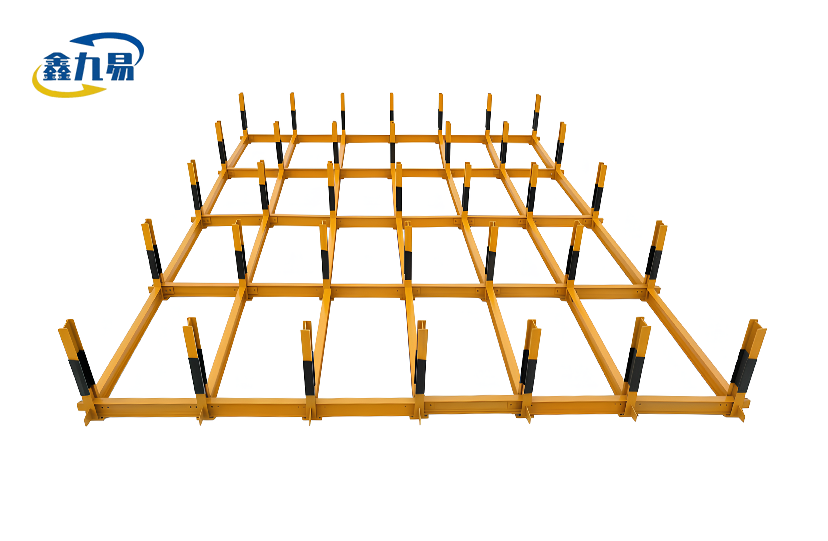
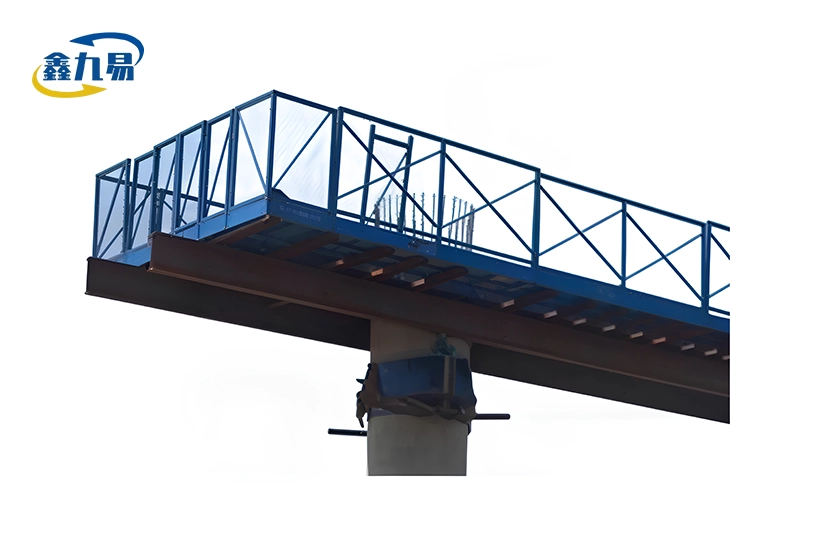
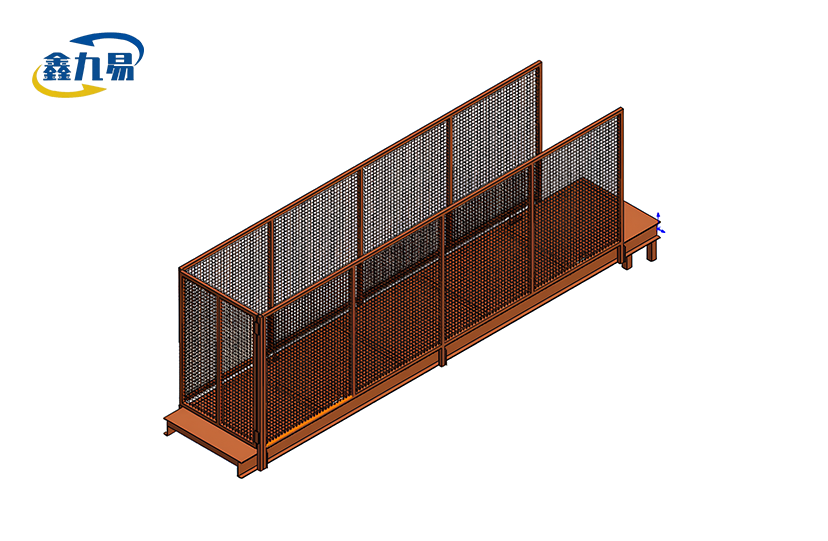
An Elevator Shaft Work Platform made for vertical shaft settings gives workers a stable place to work, a safe place to stand, and full fall safety in small spaces. These platforms use modular standardization so that they can be recycled over and over at different job places. We at Hebei Xinjiuyi Construction Technology Co., Ltd. make these platforms with load-bearing frames made from I-beams, thicker rectangular tubes, and channel steels. This makes sure that the structure is stable and doesn't bend when up to 1,500 kg is put on it. The flexible support design makes it easy to quickly change the width of the shaft to any size, usually between 1.5 meters and over 4 meters. Because they can be used in different ways, they are perfect for the edges of high-rise buildings, the layers where construction elevators unload, and the spots where podiums and main buildings meet.
Traditional Scaffolding Components and Limitations
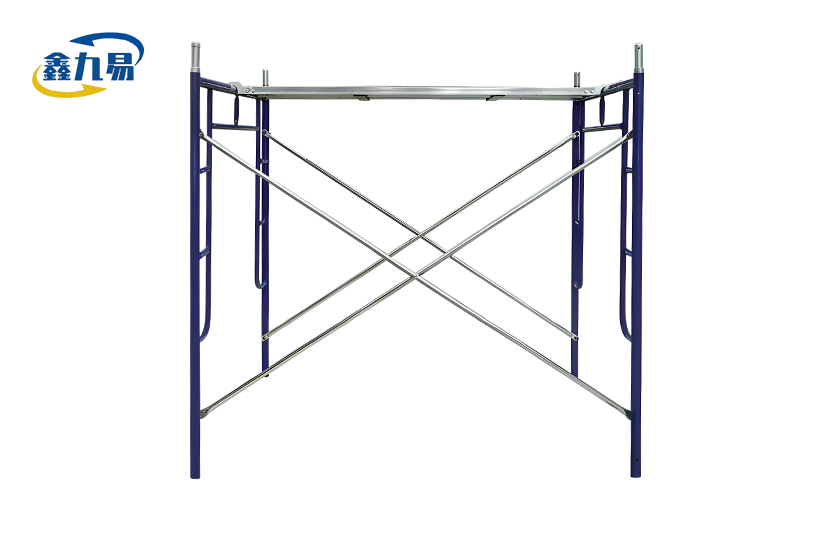
Traditional scaffolding systems use tubes, couplers, and logs that are linked to each other and put together on-site to make temporary buildings for working. While these devices work well on the outside of buildings and in open areas, they have a lot of problems when used in elevator shafts. The narrow, vertical shape needs to be put together by hand, which puts people at risk of falling for a long time during installation. Pipe-and-clamp configurations don't always have the precise size control needed for tight spaces. This makes connections less stable and less predictable when it comes to load. Assembling things takes a lot of time and skilled workers, which has an effect on project plans and labor costs.

Material and Construction Method Differences
Precision manufacturing is used to make Elevator shaft operation platforms, and joints are welded in the factory and tested without damaging them. Key nodes get full welding that is stronger, and all weld joints are ground smooth and burr-free to get rid of the risk of bumps and scratches. Our high-temperature baking paint finish is better at stopping rust and corrosion, which means it will last up to 20 years longer. Normal scaffolding, on the other hand, relies on field links that aren't always good because it depends on how skilled the builder is. Repeatedly putting things together and taking them apart weakens the connections over time, so they need to be inspected and replaced often.
Safety Comparison: Elevator Shaft Work Platforms vs. Traditional Scaffolding
In high-altitude work environments, safety performance is what separates good equipment from truly protective solutions.
Compliance Standards and Inspection Protocols
Elevator Shaft Work Platforms of today have to meet strict international standards, such as OSHA 1926 Subpart L and EN 1808 for hanging access tools. At Xinjiuyi, our platforms are made using the ISO9001, ISO45001, and ISO14001 certification systems. This makes sure that we have strict quality control, protect workers' health, and care for the environment. As a result of these standards, the equipment must be carefully checked by qualified individuals every six months and also be functionally checked every day before it is used. There are different rules for traditional platforms that don't always take into account the difficulties of working at heights, especially when it comes to staying stable when moving side to side in small areas.
Integrated Fall Protection Features
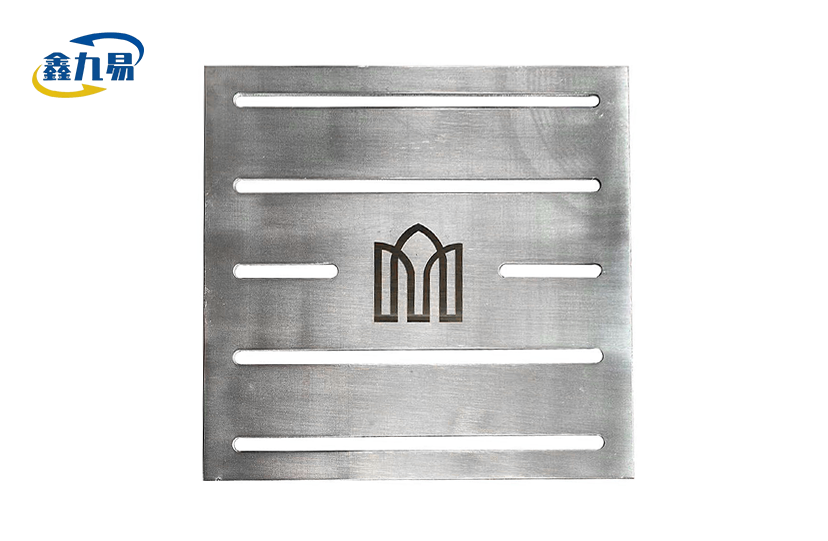
Every Elevator Shaft Work Platform we make comes with guardrails, toe boards, and other safety features that are built in at the workshop. All of these parts work together to make a safe place to work in high areas where one mistake could be very bad. The anti-slip steel checkered plate surface (1.5 mm thick) keeps its grip even when the shaft is wet. The perimeter security stays the same no matter how skilled the worker is. This is different from scaffolding, where installing guardrails is a separate step that is often rushed or done wrong because of time constraints.
Instability Risks in Scaffolding Systems
There are several reasons why scaffolding inside pits isn't stable. Because shaft walls don't have many side support points, vertical standards are put under cantilever stress. If the base plates aren't perfectly level, uneven loading during material handling can cause the whole structure to move. Connection slippage at couplers is still a problem, especially when vibrations from nearby building work make connections loose. Accident data from the industry consistently shows that falls from scaffolding are the main cause of construction deaths. Working in confined vertical spaces is more dangerous than working outside.
Real-World Safety Performance
When dedicated Elevator Shaft Work Platforms are used, construction safety officers in charge of high-rise projects report a measurable decrease in the number of near-miss incidents. The modular design gets rid of the chance of mistakes that come with putting things together in the field. When workers are standing on a platform that was designed to fit the shaft's dimensions, they feel more confident doing precise jobs like aligning guide rails. Don't forget that strong, obvious safety walls have a positive effect on people's mental health, which directly affects the quality and speed of work.
Load Capacity and Structural Efficiency Analysis
Productivity in shaft work depends on how well workers, tools, and supplies can be supported at the same time.
Engineered Load Ratings for Shaft Platforms
Our Elevator Shaft Work Platforms have been tested and proven to hold up to 1,500 kg of weight, with static and dynamic loads of 125% and 110% of their rated capacity, respectively. The structure's weight is spread out evenly by the load-bearing frame, which is made from 100mm channel steel and 50mm × 50mm square tubes with 2.0mm wall thickness. This way of building takes into account both the static load of stored materials and the dynamic forces that come from workers moving around and using tools. Because we offer customization, we can change the sizes and capacities to fit specific needs, like when you're putting in heavy guide rails in a freight elevator shaft or doing delicate wiring in a residential building.
Scaffolding Load Limitations
Manufacturers of scaffolding give maximum load ratings, but those values can only be met if the scaffolding is put together and set up correctly. In shaft applications, there aren't as many ways to brace as there are with external scaffolding, which makes the structure less stable when heavy loads are applied. Uneven load distribution, which happens when a lot of materials are in one place, makes stress points that regular support wasn't made to handle. The vertical load line thru the couplers adds weak spots that weren't there in welded platform supports.
Space Optimization in Confined Environments
Elevator Shaft Work Platforms make the most of limited space to make it easier to work. Because the dimensions are so accurate, the platform only takes up the space it needs to, leaving room for moving things and getting out in case of an emergency. For standards and ledgers, traditional scaffolding needs extra width, which limits the already small work area. This efficient use of space means that workers can get to their jobs faster and there are fewer obstacles during the installation of equipment.
Operational Efficiency and Cost Considerations
When you look at installation speed, maintenance needs, and lifecycle value, you can figure out the total cost of ownership.
Installation Time and Labor Requirements
With our flexible Elevator Shaft Work Platforms, your team can put them together completely without having to weld or cut anything on-site. Standardized parts can fit thru standard doorways, which makes moving them to the work level easier. A normal platform setup takes two workers about 30 minutes, while covering the same area with scaffolding would take several hours. This time savings adds up over multiple projects, especially for contractors who are in charge of several high-rise sites at the same time. The quick deployment also means that follow-on deals can be made earlier, which shortens the total project schedule.
Maintenance and Lifecycle Cost Analysis
Our Elevator Shaft Work Platforms last 20 years because we choose the best materials and treat the surfaces well. When used on scaffolding parts, high-temperature baking paint or powder coating with baking gives them much better rust protection than basic galvanization. The inspection intervals stay simple: visual checks for damage to the surface and functional tests of the mechanisms that make adjustments. For scaffolding to work, worn tubes, broken couplers, and deteriorating planks need to be replaced all the time. The cost savings of purpose-built platforms become clear when you look at how often they need to be replaced, how much it costs to store them, and how much it costs to check them over a number of years.
These operational factors are very important when procurement managers look at supplier relationships. The lower cost of upkeep and longer replacement processes free up money for other projects while keeping the safety performance of all of your equipment the same.
Flexibility and Adaptability Advantages
When project needs change, equipment has to be able to adapt to those changes. Our Elevator Shaft Work Platforms' telescopic design lets you change their height from the standard 2,850 mm to whatever the project needs. Different shaft sizes can be accommodated by width changes that don't need any extra parts. This modularity makes it possible to use the same parts over and over again in a wide range of situations, from new construction to updating elevators in buildings that are already occupied where damage is limited. Adding more parts to traditional scaffolding makes it more flexible, but each change in design takes skilled work and adds new connection points that need to be inspected.
Procurement Insights for Elevator Shaft Work Platforms and Scaffolding
To make smart decisions about equipment, you need to know what sets reliable suppliers apart from those who only offer adequate solutions.
Evaluating Supplier Capabilities and Support
When looking for Elevator Shaft Work Platform equipment, the main ways to tell if a provider is reliable are by looking at their manufacturing capacity and quality processes. Look for ISO approval that covers guidelines for quality management, health and safety at work, and the environment. The Cangzhou plant of Xinjiuyi blends cutting-edge manufacturing technology with well-established supply chain systems. This gives the company the large-scale production capacity it needs for projects that span multiple sites. It's also important to know if the provider can provide thorough renderings and on-demand design solutions before production starts. Our professional technical service before the sale makes sure that the equipment you get is exactly what you need for your project, whether it's a standard configuration or a fully customized solution.
Critical Product Selection Factors
Look at more than just the basic load capacity specs. Look at the details that show real engineering rigor. Zero-defect bonding is guarantyd by ultrasonic or magnetic particle screening of key weld joints that doesn't damage the weld itself. Testing with salt spray according to ASTM B117 proves that the surface finish will last in acidic conditions. Test papers should come with the tuning of safety devices, especially overspeed controls and safety gear gripping forces. Checking the flexible mechanism's dimensional tolerances makes sure it works smoothly when it's under load. These technical factors have a direct effect on how well the field works and how safe the workers are.
Purchasing Options and Logistics
Depending on how long a project takes and how often equipment is used, procurement teams have to balance acquisition models. For general builders working on multiple high-rise projects at once, buying things gives them the best return, especially since they can be used on different sites and last for 20 years. Owned machinery can be used for a variety of projects because its sizes and capacities can be changed. For international and large orders, you need suppliers who have a track record of reliable logistics and delivery times. Our one-stop supply approach includes design advice, precision manufacturing, and on-site guidance, so deployment goes smoothly no matter where the project is located.
Warranty terms and support after the sale are important parts of a supplier's value. When questions come up, equipment that works in harsh shaft settings needs quick expert help. The combination of strong building and easy access to help makes your equipment last longer and keep the project going.
Conclusion
Elevator Shaft Work Platforms and regular platforms are very different in how safe they are, how much weight they can hold, and how efficiently they can be used. When working in tight areas, standard scaffolding isn't as good as purpose-built platforms because they don't offer fall protection, load sharing, or quick deployment. The total cost of ownership is lower for platforms because they last longer, need less maintenance, and don't need to be put together. More and more, procurement professionals who care about worker safety, shortening project timelines, and long-term value are realizing that specialized tools made for specific tasks works better than general-purpose solutions that have been modified to work in those situations. Investing in the right shaft access tools pays off in the form of lower accident rates, faster project completion, and a better image for the contractor.
FAQ
How does a shaft platform adapt to irregular hoistway dimensions?
The Elevator Shaft Work Platform can stay level and safe even in shafts with a lot of vertical deviation or uneven geometry thanks to its independent telescopic outriggers and changeable wall-tie brackets. The method for adjusting takes into account changes in dimensions without affecting the structure's strength or load capacity.
What happens during a power failure on motorized platforms?
All powered Elevator Shaft Work Platforms come with a manual descent button and extra mechanical locking pins that keep the machine from moving without being controlled. These two sets of safety systems work together to make sure that technicians can safely leave at the nearest landing, even if the power goes out.
Can one platform serve multiple shafts on the same construction site?
The flexible design lets the Elevator Shaft Work Platform be quickly taken apart and put back together, which makes it very easy to move from one hoistway to another. This gives workers in charge of multiple-building projects the freedom to get the most out of their tools and their money.
What certifications ensure regulatory compliance?
If you are working in EU markets, make sure that the Elevator Shaft Work Platform you use has CE marking under the Machinery Directive 2006/42/EC and EN 1808 approval. Projects in the United States must follow OSHA 1926 Subpart L. These licenses show that the company follows safety standards that are known to be good.
Partner with Xinjiuyi for Superior Shaft Access Solutions
With engineering-grade Elevator Shaft Work Platform options, Hebei Xinjiuyi Construction Technology Co., Ltd. is ready to help you with your high-rise building and elevator installation projects. As an expert Elevator Shaft Work Platform maker, we use ISO-certified quality systems to make sure that our products last for 20 years and can be fully customized to fit your needs. Our factory in Cangzhou has the production capacity to meet your project deadlines, and our expert team helps with the design to make sure it fits perfectly with your shaft measurements and load needs. Get in touch with us at global@xjy8.com to talk about how our modular platforms can make your project safer, move it along faster, and save you money compared to traditional access methods. You can look at all of our building safety options at xjy8.com.
References
1. American Society of Safety Professionals (2021). "Fall Protection Systems in Vertical Construction Environments: Engineering Controls and Performance Standards."
2. Construction Industry Research and Information Association (2020). "Temporary Works Equipment for Confined Vertical Spaces: Safety and Structural Performance Guidelines."
3. International Labour Organization (2019). "Safety and Health in Construction: Comparative Analysis of Access Equipment in High-Rise Building Projects."
4. National Institute for Occupational Safety and Health (2022). "Evaluation of Engineering Controls for Fall Prevention in Elevator Shaft Construction."
5. European Committee for Standardization (2018). "EN 1808:2015+A1:2018 Safety Requirements for Suspended Access Equipment: Design, Testing and Examination."
6. Occupational Safety and Health Administration (2020). "Construction Industry Compliance Assistance: Scaffolding and Working Platforms in Confined Vertical Spaces."