Why Use a Tower Crane Base Enclosure? Safety, Protection and Installation Benefits
When you manage construction projects involving tower cranes, the area surrounding the crane foundation demands specialized attention. A Tower Crane Base Enclosure is a modular perimeter safety system engineered to secure the foundation and lower mast components of tower cranes. These specialized barriers prevent unauthorized access, protect critical electrical equipment from theft, and eliminate ground-level entanglement risks with moving components. By establishing a clearly defined restricted zone around crane bases, these enclosures ensure compliance with occupational safety standards while significantly improving site organization and reducing accident exposure for contractors managing multiple simultaneous projects.


Understanding Tower Crane Base Enclosures: Purpose and Safety Benefits
The Core Function of Foundation Protection Systems
When you lift something vertically, your crane's base is where the structure is attached to the ground. Without good perimeter control, this area becomes a place where many dangers come together. Workers who cross thru areas with swing radius are at risk of being crushed to death. Vandals can get to control panels that hold expensive programmable logic units. Copper thieves are drawn to electrical cables that lead to power distribution units at nite.
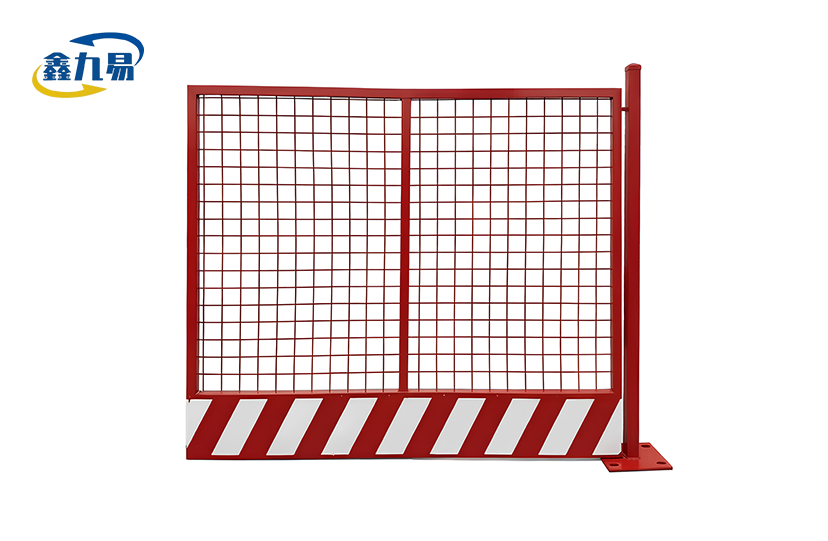
We make Tower Crane Base Enclosures that are designed to protect against these overlapping weaknesses. The enclosure sets up a clear physical line between high-risk areas and general circulation areas. Even when it's dark, the yellow-and-black warning patterns make things clear right away. Anti-climbing baffles keep workers from climbing over barriers to get around them faster during busy construction periods.
Meeting OSHA and International Safety Standards
Buying decisions in the world's construction markets are based on following the rules. Controlled entry zones must be set up around crane operations according to OSHA guidelines from 1926. European EN 13374 rules say that temporary edge safety systems must be a certain minimum height and be built in a certain way. The ISO 4306 standards cover safety equipment and how the crane should be used.
Thru careful engineering, our products meet these different sets of rules that combine. The normal height of 1800 mm is higher than what is needed for minimum staff barriers. Perforated plate mesh keeps people from getting thru while still letting supervisors see what's going on. Some tools and materials can get into restricted areas if they roll off of toe boards. All of the parts fit on the review lists that safety inspectors in different areas use.
Key Benefits of Using Tower Crane Base Enclosures
Protection Against Environmental and Operational Hazards
Every day, equipment on construction sites is exposed to harsh weather. Electrical wires rust faster when it rains. Wind-blown debris hurts hydraulic lines that are out in the open. Plastic parts on control devices break down when exposed to UV light. When dust gets into mechanical assemblies, they wear out faster than they should.
Our Tower Crane Base Enclosure structure makes it naturally resistant to the weather. When you hot-dip galvanize steel, the zinc coating forms a strong bond with the steel itself. This makes the zinc covering more durable than painting surfaces. The open plate design lets air flow while protecting sensitive equipment from direct rain. This combination makes crane foundation parts last longer by reducing the number of maintenance tasks that need to be done.
The modular form also gives you options as the spot changes. You can rearrange barrier sections to fit changes to the foundation or to meet new requirements for the swing radius. Your crew can move panels without special pulling gear by using common hand tools. This flexibility cuts down on downtime when project phases change or when multiple cranes work in areas that overlap.
Enhanced Security and Theft Prevention
Construction companies have to pay a lot of money to fix broken equipment. Copper wire from power lines is worth a lot as scrap metal. Control panels have electronic parts that can be sold again. When places aren't locked down, even safety gear and warning signs disappear. The direct cash loss is made worse by insurance claims and delays in replacements.
Physical hurdles make it much harder for thieves to do their work. The anti-climbing baffle design makes it hard for thieves to get in quickly. With restricted entry places, security staff can better keep an eye on who is getting in and out. Visible warning signs make people less likely to do something by showing that active security measures are being taken. All of these things make your crane base a less appealing target than other equipment on the site that is not locked down.
Cost-Effectiveness Through Reusable Construction
Every time you buy something, you have to think about your budget. Safety gear that can only be used once adds up to repeated costs over many projects. Getting rid of disposable barriers costs money. During projects, temporary solutions often break down in the middle, forcing last-minute changes that mess up plans.
We design our systems so that they can be put together over and over again on different job sites. The bolted link method can be used more than once without affecting the structure's strength. Powder-coated surfaces don't get scratched when they're being moved or stored. Broken panels can be changed one at a time instead of having to throw away whole pieces. Because they last so long, barrier systems go from being expensive items that you only use once to being valuable tools that you can use on all of your projects.
Standardizing barrier inventory is especially helpful for contractors who are in charge of operations in multiple regions. When you buy a lot of suitable units at once, you can easily distribute them among multiple jobs at the same time. When storage and upkeep are centralized, they make logistics easier. When you buy in bulk from a manufacturer, you get better unit economics and faster access during busy construction seasons.
Installation and Design Considerations for Tower Crane Base Enclosures
Pre-Installation Planning and Site Assessment
A careful site study is the first step to a successful barrier deployment. The size of the foundation depends on the type of crane and how much weight the soil can hold. The surrounding land changes the needs for drainage and support. The swing radius and clearance requirements are affected by structures that are close by.
During your first walk to the site, you should write down the perimeters of the base. Taking pictures of how things are now can help you figure out what might get in the way of installation. Planning the route of the electrical pipe makes sure that the placement of the barrier doesn't get in the way of power hookups. Scheduling problems can be avoided during the foundation preparation stages by working together with the crane rigging crews.
Because our Tower Crane Base Enclosures are flexible, they can be put together to fit foundations with different shapes. Standard panel lengths of 2000 mm and 1500 mm can be put together to make unique perimeters. Corner sections can be used in shapes other than rectangles. Authorized maintenance staff can only get in thru gate panels that control entry. This adaptability guaranties full protection, even if the site has certain restrictions.
Material Selection for Durability and Performance
Materials that keep working well under stress are needed in construction sites. When thin-gauge steel panels are hit, they bend. When painted surfaces are handled a lot, they chip and flake. It takes time for welded mesh pieces to lose their tightness and sag. These failure modes hurt both the effectiveness of safety and the value of the economy.
Our thicker galvanized steel pipe frames are much more resistant to pressure. The perforated plate infill keeps the structure rigid while letting people see what's going on inside. Putting a yellow-black powder coating on top of galvanized objects protects them from rusting twice. This multi-layered method makes sure that your walls look good and work well for years to come.
The mesh design also takes wind load into account. When there is a lot of wind, solid panels put too much force on the sides, so they need heavier foundations or guy-wire supports. Our perforated design makes it easier for the wind to pass thru while still working as a shield. This balance makes installation easier and makes the system more stable during bad weather.
Comparing Tower Crane Base Enclosure Options: Making an Informed Choice
Temporary Versus Permanent Installation Solutions
The length of the project has a big effect on the barrier selection factors. Lightweight systems that focus on quick setup are good for short-term projects. For long-term sites, heavier construction is necessary to make it last longer. Permanent industrial buildings need to be resistant to corrosion and need very little upkeep over many years.
For short-term uses, modular bolt-together Tower Crane Base Enclosure solutions work great. During site mobilization, labor costs are cut by putting things together quickly. As the building stages go on, moving is made easier by easy dismantling. Reusability across multiple tasks spreads out the cost of the initial investment. These traits are similar to how general builders work when they are in charge of a wide range of projects.
For added support, permanent systems may use welded joints and concrete bases. Surface treatments focus on long-term resistance to weathering over many assembly cycles. These standards are good for industrial buildings with fixed cranes that need to last for many years. Knowing your specific use case will help you make the right specification choices that balance cost and performance.
Evaluating Supplier Capabilities and Support Services
Sourcing choices include more than just the product specs; they also include how reliable the seller is. Manufacturers vary a lot in how strict their quality control is, how easy it is to make changes, and how helpful they are after the sale. These things have a direct effect on the success of your project and your long-term happiness with the decisions you make about buying.
Certifications are direct proof of the quality of the product. Getting ISO 9001 certification shows that you follow structured methods for managing quality. Having ISO 45001 approval shows that you care about health and safety at work during all stages of production. Compliance with ISO 14001 shows that environmental management systems are built into the way things are made. With these international standards, you can be sure that the products you buy will always meet the requirements, no matter how many you order or when you need them.
The ability to provide technical help is just as important. Can the provider make custom engineering plans for uses that aren't standard? Do they offer instructions on how to put the parts and torque recommendations? Is there a stock of replacement parts for repairs at the component level? These service factors set transactional sellers apart from strategic partners who care about the success of your business.
Procurement Guide: How to Source Your Tower Crane Base Enclosure?
Identifying Qualified Manufacturers and Suppliers
There are many companies with a wide range of skills in the global market for building safety tools. Regional manufacturers may have low unit costs, but they may not offer many ways to customize. International suppliers offer a wider range of products, but they make logistics more difficult. Manufacturers of specialized safety tools may charge more because they have a lot of technical knowledge.
We suggest judging suppliers on a number of different factors. The ability of vendors to make things determines whether they can meet large orders on time for your project. The closeness of two places affects the cost of shipping and the dependability of arrival. Customization options for non-standard applications depend on the technical capabilities. All of these things together decide whether or not a Tower Crane Base Enclosure supplier can meet your unique needs.
Customization Options for Site-Specific Requirements
When it comes to regular uses, standard products work well. Non-standard projects need to be able to be changed to fit their specific needs. There are big differences between suppliers in how willing and able they are to meet specific needs.
Customization of dimensions is the most common request for change. The size of the foundation depends on how big the crane is and how the ground is. Our manufacturing methods can handle custom panel widths and heights, and we don't charge extra for tools for reasonable changes from standard sizes. This adaptability makes sure that the whole circle is covered, no matter what the base shape is.
Finish choices let you meet the standards for your company's name or the safety color requirements in your area. The worldwide standard for danger marking is still yellow-black, but some places have their own rules about what colors can be used. Custom powder finishing services make it possible to follow these area rules. Multilingual warning signs also take into account the different kinds of people who work on international projects.
Conclusion
Tower Crane Base Enclosure foundation protection is an important part of following safety rules, keeping assets safe, and running the business efficiently. When enclosures are properly defined, they remove risks of unauthorized entry, stop property theft, and show that they are in line with regulations during safety inspections. The flexible design theory lets safety barriers be used in more than one project, turning them from short-term costs into long-term assets. Choosing materials like galvanized steel and powder-coated finishes makes sure that the product will work in a variety of environments. When looking at providers, give more weight to companies that can show they have ISO certifications, the ability to customize products, and full expert support. These criteria for buying things put your company in a good position to put in place foundation security systems that offer long-term value across multiple projects while keeping a strong commitment to worker safety.
FAQ
What safety standards do foundation enclosures need to meet?
Compliance rules are different in each country, but for North American projects, they are based on OSHA 1926, and for European projects, they are based on EN 13374. Some of the most important specifications are the minimum height, the maximum load that the structure can hold, the toe board provisions, and the warning signs. These overlapped standards are met by our Tower Crane Base Enclosures, which are 1800 mm tall, have anti-climbing baffles, built-in toe boards, and a high-visibility yellow-black finish.
How long do galvanized steel enclosures typically last?
When powder coating is added to hot-dip galvanized steel, the service life is greater than 10 years in normal construction site conditions. How long something actually lasts depends on how it is maintained, how often it is moved, and how exposed it is to the environment. Coastal areas that are exposed to salt air may need extra safety steps to get the same service life.
Can barrier systems accommodate irregular foundation shapes?
There is a lot of configuration freedom with modular panel systems. Standard widths of 2000 mm and 1500 mm can be put together to make custom edges around foundations that aren't square or rectangular. Angle changes can be accommodated by corner sections that are adjustable. When it comes to specific size needs, custom panel widths can be met without long lead times or high tooling costs.
What installation tools and skills are required?
For construction, standard hand tools like wrenches and socket sets are enough. You don't need to weld or use any special tools. If instructions are followed, two people can usually put together a whole foundation enclosure in a few hours. The torque specs make sure that the connection strain is right so that the structure is stable.
Partner with Xinjiuyi for Comprehensive Foundation Protection Solutions
Hebei Xinjiuyi Construction Technology Co., Ltd. is your dedicated Tower Crane Base Enclosure manufacturer committed to getting rid of foundation zone dangers on all of your projects. Our ISO 9001, ISO 45001, and ISO 14001 certifications make sure that the quality of our products is always the same and that we are good to the environment. We offer full customization services, such as non-standard sizes, multilingual signs, and tech help that is tailored to each project. With the production capacity to handle large-scale purchases and technical knowledge covering twenty years, we turn foundation security from a legal requirement into a strategic operational benefit. Email our team at global@xjy8.com to talk about your unique needs and get full technical specifications that are made just for your future projects. You can look thru all of our building safety products at xjy8.com.
References
1. Occupational Safety and Health Administration. (2021). Safety Standards for Cranes and Derricks in Construction. U.S. Department of Labor Publication Series.
2. European Committee for Standardization. (2019). EN 13374: Temporary Edge Protection Systems - Product Specification, Test Methods. Brussels: CEN Publications.
3. International Organization for Standardization. (2020). ISO 4306-1: Cranes - Vocabulary - Part 1: General. Geneva: ISO Standards Catalogue.
4. American Society of Civil Engineers. (2018). Construction Site Safety Management and Best Practices. ASCE Technical Reports, Volume 142.
5. Construction Industry Institute. (2022). Modular Construction Equipment: Lifecycle Cost Analysis and Procurement Strategies. CII Research Report Series.
6. National Institute for Occupational Safety and Health. (2020). Preventing Injuries and Deaths from Mobile Crane Tip-Over, Boom Collapse, and Uncontrolled Hoisted Loads. NIOSH Publication No. 2020-156.