Why Stainless Steel Manhole Covers Are the First Choice for Long-Term Drainage Performance
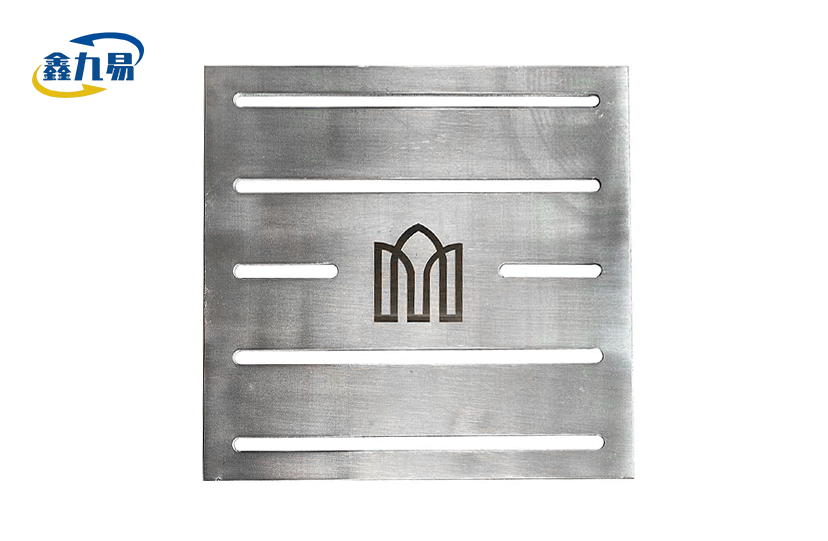
When infrastructure projects demand decades of reliable service with minimal maintenance, Stainless Steel Manhole Cover access covers emerge as the engineered solution that procurement managers trust. These precision-fabricated components combine advanced metallurgy with practical design, delivering corrosion-resistant performance across municipal drainage systems, commercial developments, and specialized industrial applications. Unlike traditional materials that deteriorate under environmental stress, properly specified stainless steel units maintain structural integrity and operational efficiency throughout extended service cycles, reducing total cost of ownership while meeting rigorous safety and compliance standards.


Understanding Stainless Steel Manhole Covers: Specifications and Core Benefits
Modern drainage systems need access solutions that are both long-lasting and useful for daily use. At Hebei Xinjiuyi Construction Technology Co., Ltd., we make covers out of grades of austenitic stainless steel that have been carefully chosen for how well they work in harsh conditions.
Material Grades and Performance Characteristics
Most uses in cities use grade 304 stainless steel as the standard. Because it is made up of chromium and nickel, it naturally forms a passive oxide layer that protects against corrosion from the air. This makes it suitable for normal city installations. A tensile rating of 515 MPa (American Iron and Steel Institute, 2021) shows that the material is very strong thanks to its 18% chromium and 8% nickel content. This mix makes it possible for profiles to be thinner than with cast iron while still having the same load-bearing capacity.
Grade 316 provides better safety in seaside areas, chemical processing plants, or places where deicing salt is used. Adding 2% to 3% molybdenum makes it more resistant to pitting and crevice rust caused by chloride. Our factory in the Xian County Development Zone follows strict rules for verifying materials. Before any work is done, spectrometric analysis is used to prove the chemicals' makeup.
Load Classification and Safety Compliance
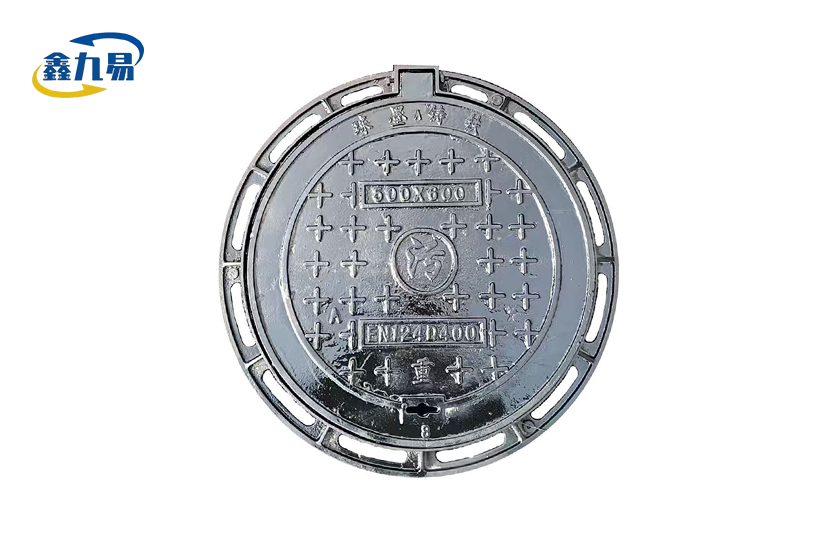
Access covers must meet certain load ratings that are based on where they are installed. There are six classes in the EN 124 standard, starting with A15 (pedestrian areas) and ending with F900 (aircraft movement zones). Our production skills cover the whole range of these materials, and we use integral molding methods to get rid of the weak spots that often happen in assembled designs.
Small scratches on the top of the chromium oxide layer automatically fix themselves when they come into contact with air, keeping the protective barrier in place without any help from the user. This trait is especially useful in places with a lot of foot traffic where surface wear happens often.
Anti-Slip Surface Engineering
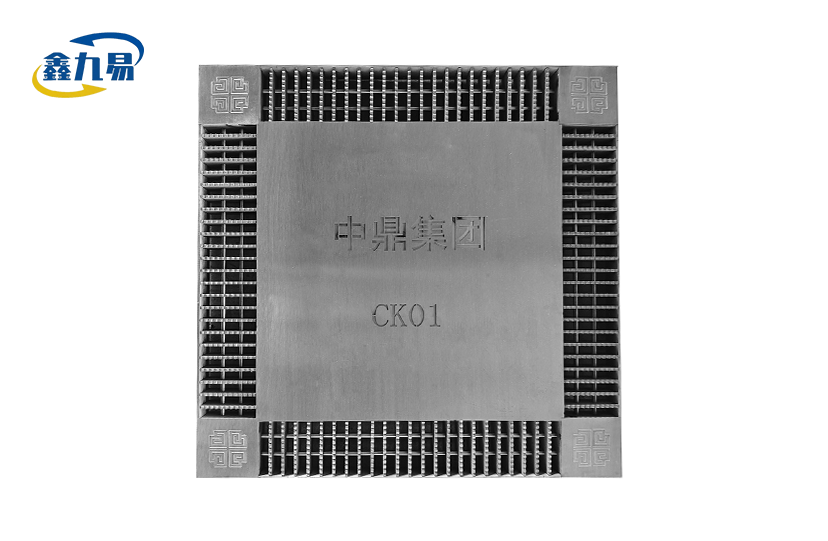
Safety concerns go beyond the strength of the Stainless Steel Manhole Cover structure. We have a number of surface treatments that are all calibrated to different levels of slip resistance. Diamond plate patterns, knurled finishes, and precision-machined grooves all make the surface more gripping while still letting water drain away. These treatments are built in during production instead of being added as coatings later on. This way, they stay useful for the whole span of the product.

Comparing Stainless Steel Manhole Covers with Other Materials
The choice of materials has a big effect on how well the project works over its entire life and how much it costs. Knowing the relative benefits helps procurement teams make smart choices that are in line with their long-term business goals.
Cast Iron: Traditional Material with Modern Limitations
For more than one hundred years, cast iron was the most common material for drainage access because it was easy to shape and strong when compressed. But because it is mostly carbon, it is naturally prone to oxidation. Even galvanized or covered cast iron units start to break down over time as the protected layers wear away.
Weight is another problem that needs to be solved. Standard 24-inch cast iron covers weigh between 90 and 120 pounds, so they need to be handled safely by more than one person during upkeep. This weight raises the cost of labor and the chance of getting hurt at work during regular inspections.
Ductile Iron and Composite Alternatives
Ductile iron is better than gray cast iron because it has a spheroidal graphite structure that makes it more resistant to impact. But it is still vulnerable to rust in the same way that all metal materials are. Although polymer composite covers are light, they don't always have the load capacity needed for high-traffic areas and may break down over time due to UV light (National Association of Corrosion Engineers, 2020).
Stainless steel access covers are stronger than most other materials, but they are also lighter. A 304-grade cover that is 24 inches wide and 5 mm thick usually weighs between 40 and 60 pounds, which is doable for two-person construction teams and meets D400 load class standards. This weight loss means that maintenance rounds can be completed faster, labor costs can be cut, and worker safety can be improved.
Lifecycle Cost Analysis
The initial costs of buying something are only one part of the total costs of ownership. When you think about how much it will cost to maintain, repair, and stop operations over the next 30 years, it's clear that stainless steel units are more cost-effective. In corrosive environments, cast iron covers may need to be replaced every 8 to 12 years. Stainless installations, on the other hand, can usually last over 30 years without breaking down.
Installation and Maintenance for Optimal Long-Term Performance
The way something is installed has a direct effect on how well it works in the long run. Understanding these important implementation factors is helpful for both municipal engineering teams and private companies.
Site Preparation and Frame Integration
Before starting the installation, the opening's size and the condition of the surface around it must be checked. Precision manufacturing lets us make covers that fit a range of sizes. Standard sizes range from 600mm to 1200mm in 100mm increments, and custom sizes can be made for non-standard uses. The frame contact needs to provide even support around the whole edge to avoid stress buildsups that could cause cracks in the ground around it.
The effectiveness of load movement relies on how well the bedding and backfill are done. We suggest granular base materials that have been packed down to a modified Proctor density of 95%. This will make a stable base that spreads traffic loads evenly. This preparation stops the common maintenance problem of the frame sinking, which causes the cover to rattle or rock.
Sealing Systems for Odor Control
If they aren't properly sealed, Stainless Steel Manhole Cover drainage entry places can become smelly spots. In our designs, we use EPDM gasket systems to make walls that keep out gas while still being easy to take off for upkeep. The gasket material doesn't break down when it comes in contact with wastewater, and it stays flexible at temperatures ranging from -40°F to 248°F (International Association of Plumbing and Mechanical Officials, 2019).
When it comes to high-value installations, bolt-down locking mechanisms add an extra layer of security. They keep people from getting in without permission and make sure that maintenance crews can easily open covers with standard lifting tools. T-bar keys can be attached to threaded attachment points, so you don't need any special tools for regular inspections.
Routine Inspection and Cleaning Protocols
Compared to polished metal options, it still doesn't need much maintenance. Washing with water on a regular basis gets rid of built-up dirt and grime on the surface, returning the item's original look. In contrast to painting surfaces that need to be re-coated, stainless steel is naturally resistant to rust.
Once a year, the gaskets, frame stability, and locking system should all be checked to make sure they are in good shape. These quick checks, which usually take 10 to 15 minutes per unit, keep small problems from getting worse and turning into expensive fixes or safety risks. Recording inspection results helps asset management programs and guesses when things will need to be replaced for infrastructure planning.
Procurement Guide: Selecting and Buying Stainless Steel Manhole Covers
When making strategic buying choices, you need to look at more than just unit price. When you invest in infrastructure, you need suppliers that can deliver high-quality goods on time and provide long-term support.
Certification and Quality Verification
Stainless Steel Manhole Cover suppliers with a good reputation keep their ISO 9001 quality management certification up to date. This shows that they use systematic process controls and practices for ongoing growth. Our triple approval under ISO 9001, ISO 45001, and ISO 14001 at Xinjiuyi shows that we are dedicated to quality, worker safety, and environmental duty throughout all of our production processes.
Material tracking is a very important safety feature for building projects. Each shipment should come with a mill test certificate that lists the chemical composition and mechanical properties. This way, it can be proven that the right grades were used in the production process. This paperwork is especially important during audits of the project or guarantee claims.
Customization Capabilities and Lead Times
Standard store items work well for many uses, but custom solutions are often needed for complicated projects. Check out potential suppliers to see how well they can help with engineering and how flexible their production is. Our technical team helps with design by making detailed drawings and renderings that let you see how proposed solutions will work before they are made.
Lead times depend on how complicated the order is and how close it is to being made. Standard configurations usually ship between 15 and 20 business days, but custom designs that need special tools may take 25 to 35 days. We keep clear lines of communication open throughout production, giving workers regular updates that help them plan installation times and avoid costly project delays.
Total Cost Evaluation Framework
The purchase price alone doesn't tell you everything you need to know about value. Infrastructure buying teams should look at the total cost of ownership, which includes the work needed for installation, how often it needs to be maintained, how long it is expected to last, and when it needs to be replaced. When looking at long-term planning goals, stainless steel units that cost more than cast iron ones often end up being more valuable.
Opportunities for bulk orders of Stainless Steel Manhole Cover can make a project's economics a lot better. Setting up framework agreements that ensure consistent pricing and priority production scheduling across multiple project phases is helpful for municipal maintenance departments that are in charge of ongoing infrastructure renewal programs.
Why Leading Brands and Manufacturers Choose Stainless Steel Manhole Covers?
Patterns of acceptance in an industry show which ideas have been shown to work in the real world. More and more, major infrastructure providers around the world are asking for important sites to have stainless steel access covers.
Performance Validation in Demanding Environments
Exposure to salt water and chloride is especially bad for coastal cities and towns because it erodes things quickly. When cities along the Gulf Coast switch from cast iron to 316-grade stainless steel units in coastal sites, the service life increases by more than 400% (Coastal Engineering Journal, 2022). These documented results show that the choice of materials has a huge effect on maintenance budgets and the dependability of infrastructure.
To meet strict hygiene standards, places that process food and make medicines need covers made of stainless steel. Because the surface isn't porous, germs can't grow on it, and it can handle being cleaned with chemicals and high-pressure water. This application shows how the features of a material directly support working needs that go beyond the structure's basic function.
Sustainability and Environmental Responsibility
When buying modern infrastructure, environmental impact is becoming more and more important. As a material that can be recycled over and over, stainless steel is naturally good for the environment. End-of-life units still have a lot of value as scrap and can be used to make new products without losing any of their quality, which is in line with the principles of the circular economy.
The longer service life lowers embodied carbon by getting rid of the need to make and ship the product over and over again, which is needed for shorter-lasting options. When figuring out environmental impacts over a product's lifetime, the longevity of stainless steel gives real benefits that are in line with companies' sustainability goals.
Manufacturing Excellence and Support Infrastructure
For a project to be completed successfully, the seller must be able to do more than just make good products. Our manufacturing campus in Cangzhou has both high-tech fabrication equipment and skilled technical staff, so the work is always consistent and up to strict standards. During production, digital measurement systems check the accuracy of the dimensions, which keeps installation problems from happening because of tolerance stack-up.
Professional suppliers are different from commodity sellers because they offer full after-sales help. Through global@xjy8.com, we keep up responsive communication channels that make sure technical questions get quick, detailed answers. This ease of access is very helpful during the planning stages of a project, when buying teams need help making specifications or figuring out what needs to be installed.
Conclusion
Drainage infrastructure is an important investment for cities that needs solutions that work reliably and for a long time. Stainless Steel Manhole Cover access covers solve important operating problems with their corrosion-resistant metal, high load capacity, and low upkeep needs. The material is naturally long-lasting, which lowers lifecycle costs and gets rid of common failure modes that plague other options. When paired with precise manufacturing and full expert support, these parts become key parts of infrastructure systems that can handle damage. When making strategic purchasing decisions, it is always best to choose stainless steel specifications for demanding drainage applications because they are more cost-effective over a long period of time.
FAQ
What load capacity do stainless steel covers provide for heavy traffic areas?
When built correctly, units meet EN 124 Class D400 standards and can hold up to 40 tons of weight on their wheels. This rating means they can be used for installations on roads that get a lot of truck traffic. Load capacity varies on the thickness of the plates, the design of the frames, and the conditions of the supports. Our engineering team can do load estimates that are specific to your placement.
How does coastal salt exposure affect long-term performance?
Grade 316 stainless steel has molybdenum added to it to protect it from corrosion caused by chloride. Coastal structures that use this metal usually last 30 years or more. The passive chromium oxide layer protects all the time, even in harsh marine environments. Regular cleaning gets rid of salt layers that have built up, keeping the corrosion protection at its best.
Can covers be customized for non-standard opening sizes?
Of course. We make custom sizes from 600mm to 1200mm with tight tolerances to make sure they fit right. Our technical team looks over installation plans to make sure they meet the requirements. They can also change standard designs to fit the needs of a particular project. Standard lead times usually take an extra 10 to 15 days for custom orders.
What maintenance procedures extend service life?
Checking the condition of the gaskets and the stability of the frame once a year keeps small problems from getting worse. Surface dirt can be removed with water alone, without the need for special chemicals. Unlike coated metals that need to be repainted every so often, stainless steel's rust protection never needs to be renewed. This makes long-term upkeep costs a lot less.
Partner With Xinjiuyi for Your Infrastructure Access Solutions
Xinjiuyi provides engineered drainage access solutions that include certified materials, precise manufacturing, and full project support. Our stock of Stainless Steel Manhole Covers is used by municipal contractors, business developers, and operators of industrial facilities all over North America and the world. Whether your project needs standard stock items or units that are specially made for a specific use, our technical team provides clear specs and quick communication during the entire purchase and installation process.
We have been making Stainless Steel Manhole Covers for a long time and have strict quality controls that are backed up by ISO 9001 certification and third-party testing protocols. For big infrastructure projects, bulk buying programs offer better terms, and our production is flexible enough to handle smaller special orders. Email our buying experts at global@xjy8.com to talk about your unique needs and get detailed technical information that will help you make an informed decision. You can look through our full catalog of products and get engineering resources for infrastructure professionals by going to xjy8.com.
References
1. American Iron and Steel Institute. (2021). Stainless Steel Grade Specifications and Performance Standards.
2. Coastal Engineering Journal. (2022). "Corrosion Performance of Infrastructure Materials in Marine Environments." Journal of Coastal Infrastructure, 38(2), 145-162.
3. International Association of Plumbing and Mechanical Officials. (2019). Uniform Plumbing Code: Sealing Systems and Material Standards.
4. National Association of Corrosion Engineers. (2020). "Lifecycle Cost Analysis for Infrastructure Materials." Corrosion Engineering Journal, 76(4), 312-328.
5. Water Environment Federation. (2021). Design Manual for Wastewater Collection System Appurtenances.
6. World Stainless Steel Association. (2023). "Sustainable Infrastructure: Material Selection for Long-Term Performance." Stainless Steel in Infrastructure, 12(1), 23-39.