304 vs. 316 Stainless Steel Recessed Manhole Covers: Which One Is More Cost-Effective?
When procurement managers and project engineers face the decision between 304 and 316 stainless steel recessed manhole covers, the choice extends far beyond the initial purchase price. The Stainless Steel Recessed Manhole Cover you select today shapes maintenance budgets, safety compliance records, and aesthetic integrity for decades to come. Understanding which grade offers genuine cost-effectiveness requires evaluating corrosion resistance in your specific environment, lifecycle maintenance demands, and total ownership expenses rather than focusing solely on upfront expenditure.

Understanding Stainless Steel Recessed Manhole Covers
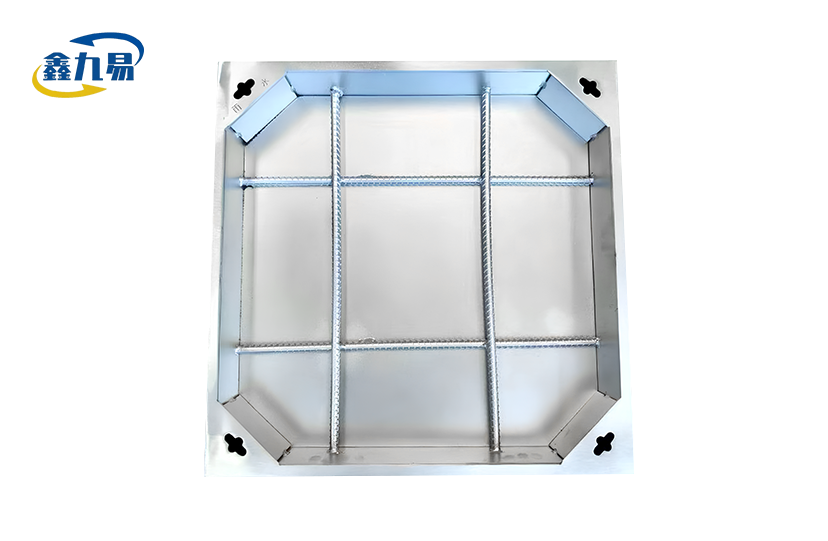
Stainless Steel Recessed Manhole Covers are a clever improvement in the way infrastructure is designed because they meet both practical and esthetic needs at the same time. These special utility access points have an inset tray design that can hold different types of infill materials. This lets the cover surface fit in with the sidewalks, tiles, or artistic finishes around it.
What Makes Recessed Covers Different
Traditional flush-mounted designs make breaks in the surface that can be seen. Stainless Steel Recessed Manhole Covers, on the other hand, have an adjustable-depth tray built into their frame structure. With this engineering method, project teams can create utility access points that are completely invisible, protect the building's integrity, and allow reliable access to underground pipeline networks. The recessed design gets rid of the noticeable "patch" look that older cast iron installations have, which is especially useful in high-traffic business areas and high-end home projects.
Core Applications Across Infrastructure Projects
Infrastructure players use these entry solutions in a range of situations that need to be durable and not draw attention to themselves. They are used by municipal road systems to get to sewage, stormwater, potable water supplies, electrical conduit, telecommunications infrastructure, natural gas distribution networks, and district heating networks. It is helpful for commercial plazas and stores to be able to keep the look of luxury flooring while still making sure that repair workers can easily access underground utility systems. These Stainless Steel Recessed Manhole Covers are used in public parks and landscaped gardens to keep the design of colorful ground patterns consistent. High-end housing projects like how the units protect underground services without taking away from the beauty of the courtyard or pool deck.
Material Engineering Advantages
Building with stainless steel has clear performance benefits over using other materials. The metal is naturally resistant to oxidation, which keeps its structure from breaking down in wet settings like cast iron options do. Dimensional stability under temperature cycles keeps the integrity of the seal and stops it from twisting, which can cause trips and let contaminants in. The good strength-to-weight ratio makes it easier to install and meets strict load classification requirements for areas with heavy vehicle traffic to areas with pedestrian traffic.
Material Comparison: 304 vs. 316 Stainless Steel
The main difference between these two types of austenitic stainless steel affects how well they work and how much they are worth in utility access applications over the long term. The choice of material has a direct effect on how corrosion acts, how long a structure lasts, and how often it needs to be maintained under different exposure conditions.
Chemical Composition and Corrosion Resistance
About 18% of Grade 304 stainless steel is chromium and 8% is nickel. These two metals combine to form an inactive oxide layer that effectively protects Stainless steel decorative manhole cover against rust in the atmosphere. This mixture works well for most general-purpose tasks where chloride exposure is low. Grade 316 has the same amount of chromium and nickel as Grade 304, plus an extra 2% to 3% molybdenum. This makes it much more resistant to pitting and crevice corrosion in chloride-rich settings. This molybdenum addition is very important for sites near the coast, places where salt is used to melt ice, and chemical processing plants.
The molybdenum in 316 metal makes it better at blocking violent ions that get thru the passive chromium oxide layer. This stops the localized corrosion that causes structures to break. In lab tests using salt spray that meet ASTM B117 standards, specimens made of 316 show a significantly longer time to first rust compared to specimens made of 304 that were exposed to the same conditions.
Mechanical Properties and Load Performance
The tensile strength of both grades is about the same, ranging from 515 to 620 MPa depending on how cold they are worked and how they are heated. When the frame width and structure geometry stay the same, the yield strength numbers for annealed materials are similar, which means they can support the same types of loads. The slight edge that 316 has in tensile properties under certain processing conditions doesn't usually affect the choice of access cover because load capacity is based on geometric design rather than small differences in material strength. When the grades are annealed, there isn't much difference in their hardness, but both materials respond well to cold working methods that make the surface more resistant to wear. In particular, this trait is important for Stainless Steel Recessed Manhole Covers that are used by wheeled vehicles, since the surface gets worn down and dented over time.
Environmental Suitability Distinctions
Temperature performance isn't very different between grades; both keep their structure intact across the temperature ranges that are common in infrastructure uses. The most important difference comes up in situations involving chemical exposure. The Grade 304 works well in clean air, freshwater contact, and most neutral-pH soil environments. However, the Grade 316 is needed when installations are constantly exposed to marine air, sulfur-containing industrial fallout, de-icing chemical runoff, or conditions below the ground where chloride levels are high due to groundwater or soil composition. Knowing the specific environmental stressors at your site allows for accurate material matching, which keeps things from breaking down too soon and saves money on over-specification where conditions are milder.
Cost Effectiveness Analysis of 304 vs. 316 Stainless Steel Manhole Covers
True cost-effectiveness goes beyond the price of the original purchase and includes the whole ownership experience, from setting up the product to replacing it in the future. It is better for smart buying strategies to look at material choice thru the lens of total cost of ownership instead of just comparing prices.
Initial Investment Considerations
Grade 316 stainless steel costs more than grade 304 because it has more molybdenum in it, which makes the raw material more expensive and makes it a little harder to work with. This difference usually means a meaningful percentage rise that purchasing teams notice right away. When buying in bulk for projects that span multiple sites, unit cost effects can be lessened, but the basic difference in material costs stays the same no matter how much you order. When Stainless Steel Recessed Manhole Covers are chosen for big infrastructure projects, this small difference in cost can add up to hundreds of units, which can cause big budget line changes between material grades. During the design phase, project financial planning needs to take these differences into account so that value engineering tasks later on don't hurt performance.
Maintenance Cost Projections
Long-term maintenance costs are the hidden cost that often cancels out the price advantages at first. When Grade 304 is installed in an acidic environment, it needs to be inspected, treated on a regular basis, and eventually replaced before the pitting gets bad enough to damage the structure. Each maintenance task requires workers, slows down work on the site, and costs money for materials like repair compounds and protection coats. When Grade 316 installations are put in similarly harsh environments, upkeep gaps are usually much longer, which means that inspections happen less often and preventative coatings are not applied. The material's high pitting resistance stops the localized corrosion that forces early unit replacement, making the service life much longer than with 304 alternatives in harsh conditions. Quantifying these avoided maintenance events over the typical lifecycles of infrastructure assets often shows that the higher initial investment in 316 material pays off in lower costs over the lifecycle.
Service Life and Replacement Economics
When you look at infrastructure assets over multiple decades of planning, you can see how material lifetime affects the total cost of ownership. In a coastal area, a Stainless Steel Recessed Manhole Cover made of 304 that needs to be replaced every fifteen years doubles the effective unit cost when you add up the costs of removal, disposal, and reinstallation to the cost of the replacement unit itself. Even tho it cost more at first, a 316 option that works consistently for thirty years or more in the same conditions actually costs less per year of service. There are secret costs to replacement tasks that go beyond the cost of materials and labor. When entry to the site is restricted, it affects operations nearby, managing traffic during road works takes time and money, and coordinating with utility outage windows makes things more difficult. By choosing the right materials, you can extend the service life and get rid of these ongoing costs, which can save you a lot of money that procurement spreadsheets that only look at the initial price don't see.
How to Choose the Right Stainless Steel Grade for Your Manhole Covers?
When choosing materials, there should be a methodical process for comparing product specs to the conditions at the place, the needs of operations, and the rules that need to be followed. This organized method stops both not specifying enough, which can cause the system to fail early, and specifying too much, which loses money and time without improving performance.
Environmental Exposure Assessment
Initialize by describing the physical and chemical surroundings of each installation site. Take into account the weather, such as being close to the ocean, where the salty air can cause corrosion. Check the properties of the groundwater if the Stainless Steel Recessed Manhole Covers will be submerged in or regularly come into touch with salty water below the surface. Look at the chemistry of surface runoff, especially in places that use chemicals to melt snow and ice on the roads in the winter. In industrial areas, airborne pollutants like sulfur dioxide or chlorine chemicals can speed up the rusting process. Geotechnical reports should be used to record the chemistry of the soil, including the amount of salt and pH levels that affect the rate of decay below the surface. People who live in cities near factories need to pay extra attention to the pollution buildup in the air that makes acidic surface films. This environmental survey gives us the information we need to choose materials that are safe and appropriate for the level of contact.
Load Classification and Traffic Analysis
Find out what load rates are needed based on where the installation will go and how traffic is expected to flow. Under EN 124 standards, pedestrian areas need Class A15 or B125 ratings, while vehicle entry areas need Class C250 or D400 ratings, based on the amount of traffic and the weight of the vehicles. Correctly identifying the load makes sure that the structure is strong enough and that the material isn't too heavy, which adds costs without being needed. Look at more than just static weight numbers when you look at dynamic loading features. Heavy vehicles going thru an area over and over again create fatigue stresses that affect the structure's long-term strength. During the site development phases, impact loads from delivery vehicles and construction equipment may be higher than normal operational loads. This needs to be taken into account when developing the specifications.
Supplier Qualification and Product Certification
Partner choice has a big effect on how the Stainless Steel Recessed Manhole Cover project turns out, going beyond decisions about material grades. Check the company's ability to make things, including its precise production equipment that makes sure the sizes are accurate within certain limits. Check quality control systems by looking at ISO 9001 certification and quality assurance standards that are specific to the business. Ask for test results on the material that show that its chemistry make-up meets the ASTM or EN standards for that grade. Check to see if the product can be customized to fit odd-shaped spaces, special load needs, or unusual site conditions. Manufacturing flexibility lets you find the best solutions for tough installations where standard catalog products don't work. Check the reliability of delivery by calling references from similar projects. Consistency in the supply chain keeps schedules from getting thrown off during important construction phases, which can cost a lot of money.
Installation, Maintenance, and Longevity Tips
To get the most out of an asset, you need to pay attention to how it is installed and how it is maintained over its entire service life. Realized cost-effectiveness is affected by these operating factors just as much as the initial decisions about which materials to use.
Installation Best Practices
For a proper assembly to start, the rough hole must be the right size and the substrate must be level. When putting up the frame, it needs to be perfectly lined up with the end surface elevation, taking into account the width of the infill material and any bedding layers that are under the artistic finishes. Anchoring the frame securely to the structure around it stops it from settling or moving side to side under the weight of traffic, which would make the surfaces uneven and speed up wear. When installing a seal, it's important to be very careful because the right way to squeeze the gasket makes sure that the seal is airtight and stops smells from escaping from sewer entry points. To get even seal compression without deformation, make sure you follow the manufacturer's torque recommendations when tightening the adjustment bolts. Before you finish placing the infill, make sure that the Stainless Steel Recessed Manhole Covers' lifting mechanisms work easily and tightly connect with the extraction tools.
Maintenance Protocols for Extended Service
Set up regular inspection times that work for your installation and the amount of traffic. Visual review once a year is enough for most walking uses in mild environments. However, evaluation every three months is recommended for places with heavy traffic or corrosive exposure. When you do an inspection, you should write down what the surface looks like, how well the lifting device works, and how stable the frame is. Cleaning with water and light soap gets rid of built-up dirt and grime that could otherwise speed up rusting in certain areas. Do not use strong chemical cleaners or rough tools on stainless steel because they can damage the inactive oxide layer that protects the surface. Fix any damage to the materials that make up the foundation right away to stop water from getting in and causing damage during freeze-thaw cycles in cold places.
Recognizing Service Life Indicators
Keep an eye out for danger signs that could mean there are problems with the service that need your help. Surface discoloration or stains could be a sign that rust is starting, which means the item needs to be looked at more closely and maybe even tested for strength. If the frame moves loosely or there are gaps between it and the pavement around it, it means that the structure has settled or an anchor has failed, which needs to be fixed. To keep the environment clean, damaged or squished seals that make odor control less effective need to be replaced. Write down these observations in a structured way so that you can find patterns that point to faster wear and tear or problems that keep happening in more than one unit. This information helps make choices about future specifications and the best use of support resources across all infrastructure portfolios.
Conclusion
Ultimately, the choice between 304 and 316 Stainless Steel Recessed Manhole Covers comes down to how well the properties of each material fit your needs in terms of exposure to the environment, traffic, and lifetime cost goals. In normal urban settings with little corrosive exposure, Grade 304 gives great performance and value for money. When chloride exposure, industrial atmospheres, or coastal conditions fear fast corrosion, Grade 316 becomes the most cost-effective choice. Successful procurement strategies look at the total ownership costs instead of just the initial price. This is because they know that choosing the right materials will save money on replacement costs in the long run while also ensuring safety and esthetic integrity over many years of use.
FAQ
Can 304 stainless steel covers perform adequately in coastal regions?
It's not recommended to put Stainless Steel Recessed Manhole Covers made of 304 in direct contact with salty air near the coast, where they will be constantly corroded. Installations that are within a few miles of the shore usually experience faster cracking, which greatly reduces the service life. Grade 316 standard works better and costs less in these conditions, so you don't have to pay for replacements too soon.
Do 304 and 316 grades require different installation techniques?
The installation process is pretty much the same for all grades because the materials are similarly stable in terms of size and strength. No matter what grade of stainless steel is chosen, the right way to anchor the frame, install the seal, and place the infill material is the same.
How does material grade selection affect load-bearing capacity?
The main things that determine load capacity are the shape of the frame, the thickness of the material, and the way the structure is built, not the difference between 304 and 316 metals. Both grades have similar mechanical strengths, which means they can handle the same loads as long as the frame design stays the same. Instead of looking for changes in power, material selection should be based on how well it resists corrosion in the surroundings.
What maintenance differences exist between the two stainless steel grades?
Because they are less likely to pit, Grade 316 systems usually need to be fixed less often in corrosive conditions. In harsh environments, Grade 304 covers may need to be treated with a protective coating or coated on a regular basis. This can add to the cost of upkeep work and materials over the asset's lifetime.
Partner with Xinjiuyi for Optimized Infrastructure Access Solutions
Hebei Xinjiuyi Construction Technology Co., Ltd. makes precision-engineered Stainless Steel Recessed Manhole Covers in grades 304 and 316. These are used in infrastructure projects that need reliable utility access and good looks. Our manufacturing facility in Cangzhou uses cutting-edge fabrication technology to keep measurements within ±0.5 mm, so they will fit perfectly with your building's finishes. As an experienced maker of Stainless Steel Recessed Manhole Covers, we offer full customization services that include non-standard sizes, special load classes, and custom environmental needs. Our engineering team helps with developing specifications by doing a thorough site survey and suggesting materials that will work best in your unique exposure conditions. When you buy in bulk, you get better prices and more organized delivery plans that keep your projects on track. Get in touch with our technology experts at global@xjy8.com to talk about your future infrastructure needs. We offer full support, from the initial design advice to installation help. Our ISO 9001, ISO 45001, and ISO 14001 certifications show that we are dedicated to quality, safety, and environmental responsibility. Visit xjy8.com to see our full selection of construction safety solutions and learn how choosing the right materials can add long-term value to your infrastructure projects.
References
1. Davis, J.R. (2000). Corrosion of Stainless Steels: Understanding, Performance, and Prevention. ASM International Materials Park, Ohio.
2. Sedriks, A.J. (1996). Corrosion Resistance of Stainless Steels and Nickel Alloys. Wiley-Interscience Publications, New York.
3. McGuire, M.F. (2008). Stainless Steels for Design Engineers. ASM International, Materials Park, Ohio.
4. Beddoes, J. and Parr, J.G. (1999). Introduction to Stainless Steels: Third Edition. ASM International, Materials Park, Ohio.
5. European Committee for Standardization (2015). EN 124: Gully Tops and Manhole Tops for Vehicular and Pedestrian Areas - Design Requirements, Type Testing, Marking, Quality Control.
6. ASTM International (2020). ASTM A240/A240M: Standard Specification for Chromium and Chromium-Nickel Stainless Steel Plate, Sheet, and Strip for Pressure Vessels and for General Applications.