What equipment should a safety experience zone include?
A well-configured safety experience zone brings together physical simulation modules, emergency response tools, and hazard recognition stations to create an immersive training environment. For construction workers undergoing induction education, these zones replace passive safety briefings with hands-on encounters that engage the senses and build genuine muscle memory. From fall arrest simulators to electrical hazard demo units, every piece of equipment serves a deliberate instructional purpose. When procurement teams select the right combination of modules, the result is measurable: lower incident rates, higher worker confidence, and stronger regulatory compliance across the job site.
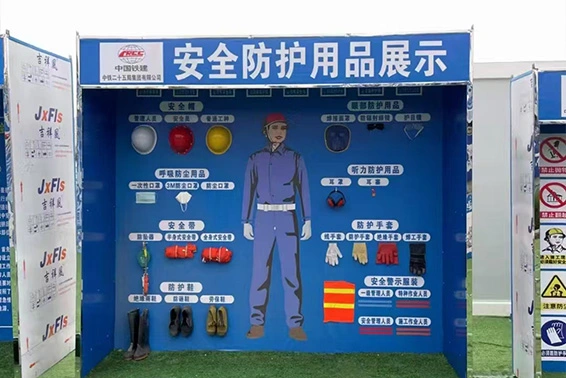
Understanding the Core Components of a Safety Experience Zone
Construction safety training has clearly moved away from lectures and toward hands-on learning. The National Institute for Occupational Safety and Health (NIOSH) published research that shows workers remember up to 75% of what they learn through hands-on practice, but only about 5% of what they learn from lectures. This gap explains why the layout and choice of equipment in a construction hazard training facility have a direct effect on how well workers learn and use safety information.
What Makes a Training Zone Truly Effective?
An effective zone accurately recreates the conditions of a real place in a way that causes a real psychological and physical reaction. It needs to include the main types of dangers that workers will face, like falling from a high place, being hit by something, coming into touch with electricity, and getting stuck in or between something. When each module uses sight, sound, and touch all at the same time, the experience changes behavior in a way that lasts instead of just being a forgettable checklist exercise.
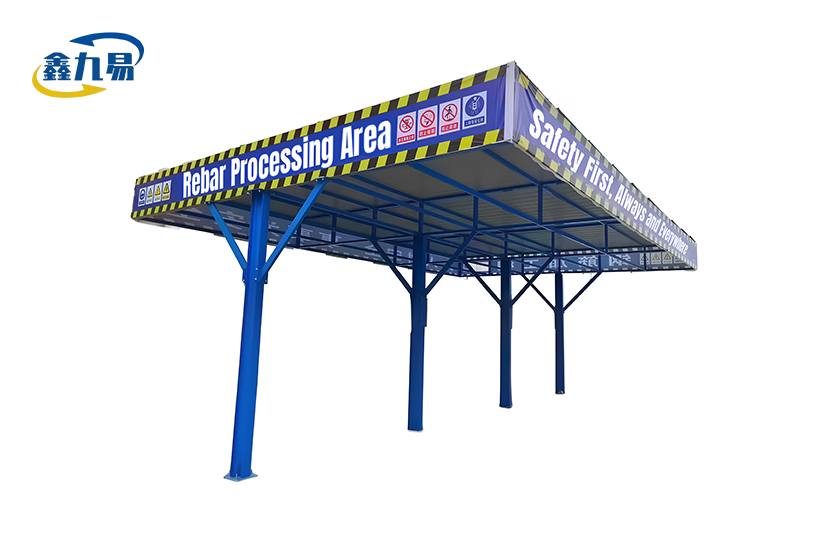
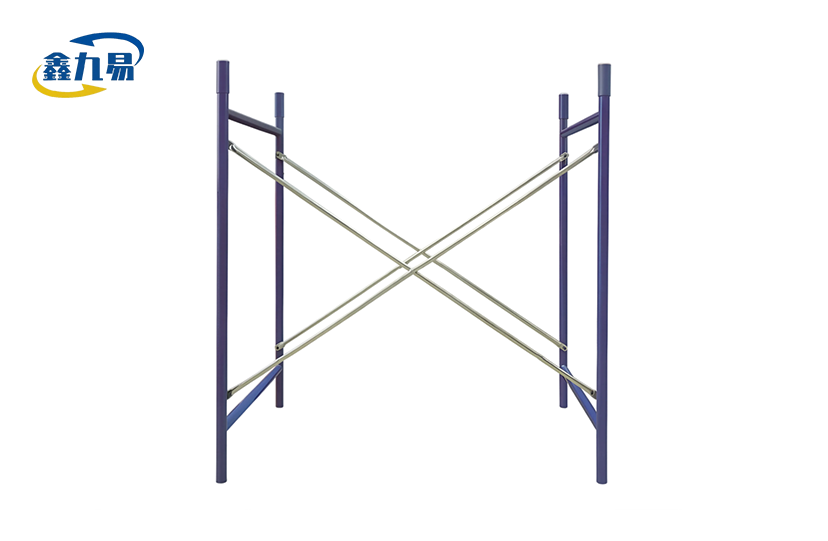
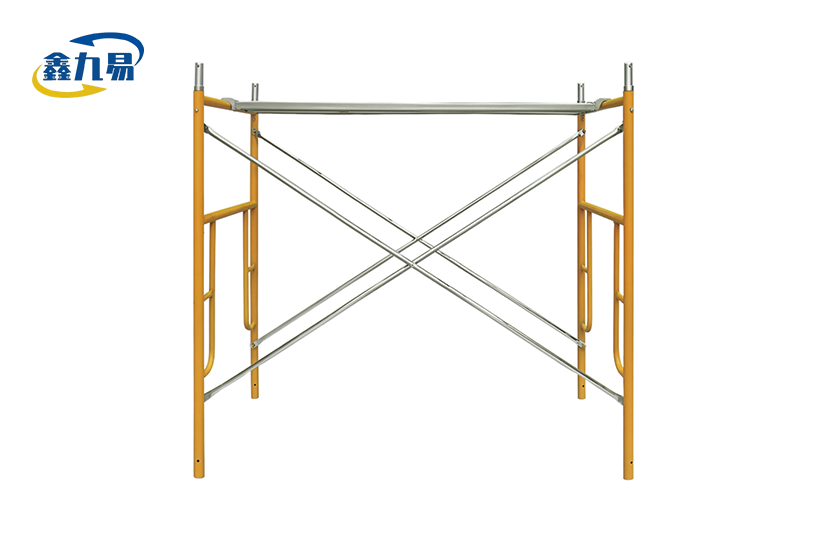
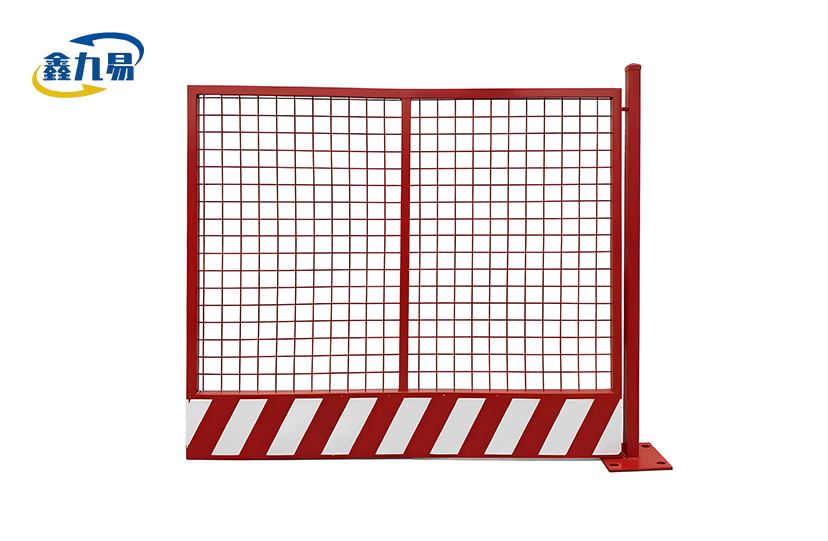
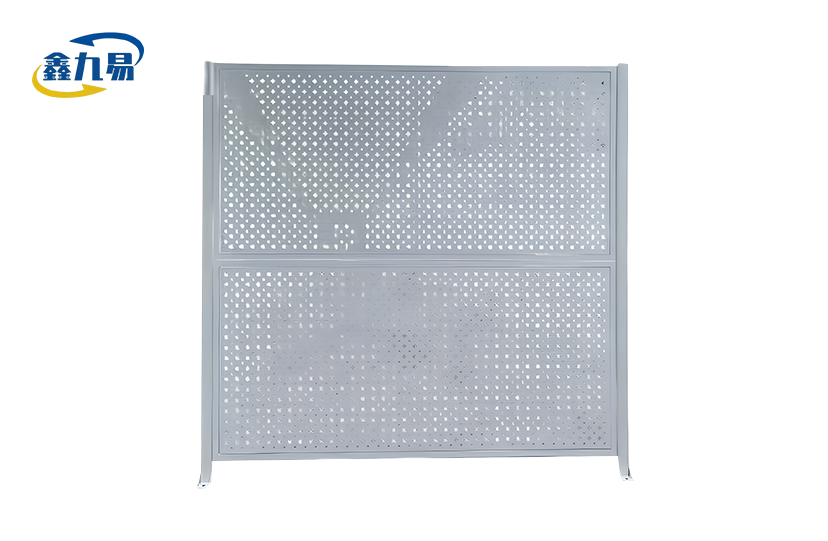
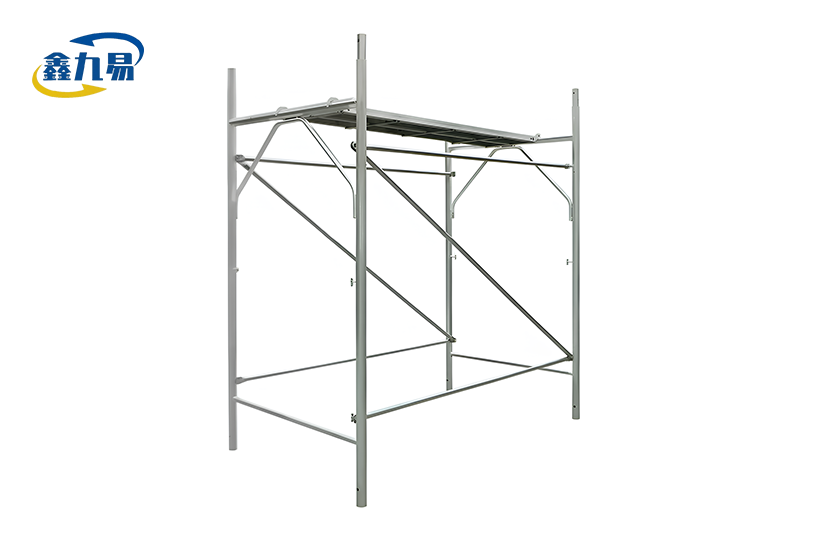
The building itself is the most important part of any legitimate zone. In Xinjiuyi, our safety experience zone is made of thickened galvanized rectangular tubes and angle steel welded together to make a load-bearing frame that doesn't bend even when it's used a lot of times in a row. Standardized guardrails, anti-slip steel plate platforms, and protective mesh keep the training area safe, even while it simulates danger.
Essential Equipment Categories for a Comprehensive Safety Experience Zone
To meet the needs for induction education in infrastructure, building, and industry projects, a zone must have a number of different types of tools. When purchasing managers look at these areas as a whole, instead of just individual purchases, they always get better results from training and more thorough checks by regulators.
Here are the core equipment categories every serious safety experience zone occupational safety training zone should include:
- Fall arrest and height simulation modules: There are fall stop and height simulation units that let workers feel what it's like to work at a height, including putting on full-body harnesses and using anchor points correctly. Workers can get a good feel for fall risks on elevated steel platforms with standard guardrails and controlled lowering systems before they have to deal with them on a real job site.
- Struck-by and falling object simulators: These are devices that are weighted or spring-loaded and copy the path and impact knowledge of things falling from cranes or scaffolds. It is hard to get workers to scan regularly just by showing them diagrams because they learn to find drop zones and form habits around it.
- Electrical hazard awareness stations: Specialized modules show how dangerous it is to touch a live circuit, not ground properly, and have an arc flash. Visual cues and audio feedback are often used together in these stations to make learning more meaningful.
- PPE fit and inspection stations: Workers practice putting on, changing, and checking their helmets, belts, gloves, and respiratory protection at PPE fit and inspection stations. Engaging people physically with tools they will use every day creates recall that can't be matched by an ad campaign.
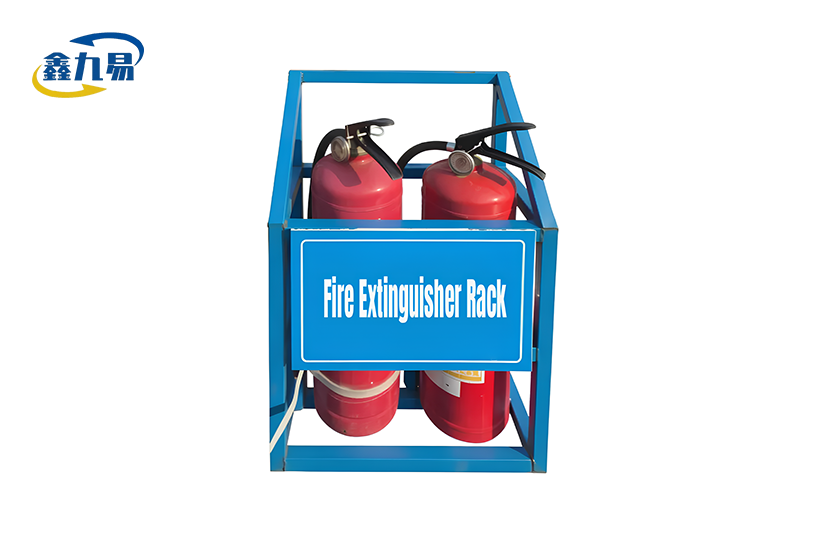
- Emergency response and first aid drill areas: Fire extinguisher practice units, emergency egress route simulations, and basic first aid stations round out a comprehensive zone by teaching more than just identifying hazards.
- Confined space and excavation awareness modules: These units help workers spot structural and atmospheric risks before entering a confined space or excavation. They are useful for civil, municipal, and underground work.
These groups work together to make a whole curriculum. When a worker finishes their introduction training and goes through each lesson in order, they have a deeper understanding of site risk that can't be achieved with traditional methods in the same amount of time. Forward-thinking companies can add more scenario options without rebuilding the physical structure by combining physical modules with new augmented reality overlays.
Best Practices for Selecting and Setting Up Safety Experience Zone Equipment
Picking out tools without making sure it fits the risk profile of your place wastes money and leaves workers less ready. A contractor working on a road bridge faces different main risks than an interior fit-out team, and the way their tools are set up should reflect that.
Align Equipment Selection to Regulatory Requirements
Any business that buys things must make sure they meet ISO 45001, OSHA 29 CFR 1926 (construction), and any other related state standards. During project safety checks and observation evaluations, third-party load-test approval for elevated platforms and structural parts is being asked for more and more. The factories in Xinjiuyi are certified by ISO 9001, ISO 45001, and ISO 14001, and all structural parts go through strict quality control before they leave the factory in Xian County.
Prioritize Modularity and Reusability
With a modular setup, the safety experience zone can be taken apart, moved, and put back together at a different project site without losing a lot of material. This is especially helpful for workers who are in charge of several jobs at once in different places. Xinjiuyi's system can be used more than 80% of the time, which cuts the cost of each project by a large amount when spread out over a number of years.
Case Studies: How Proper Equipment Transforms Workplace Safety?
Structured danger modeling facilities are always a good investment, as shown by evidence from the field. A 2019 study in the journal Safety Science found that within 12 months of starting their programs, building companies that used hands-on safety training cut down on falls by 34%. Workers who got hands-on fall protection training were able to put on their harnesses faster and choose anchor points more consistently on real projects.
In manufacturing settings, interactive hazard identification modules have been shown to boost the number of near-miss reports, which is a key sign of a better safety culture. This is because they help workers notice warning signs they might not have seen before. If getting out of the building quickly in an emergency is very important for logistics operations, timed evacuation drills using physical training stations sped up the average response time and made sure that assembly point routines were followed more often.
All of these results are caused by the same thing: tools that make workers do something instead of just watching. The nervous system stores the experience in a different way when the body moves through a simulation than when it is passively taught.
Comparing Safety Experience Zone Equipment Solutions: Choosing the Best Fit
There are physical-only VR platforms, digital-only VR platforms, and mixed devices that use both on the market. Industry study shows that a mixed model is best for building induction training. This is because VR provides a wide range of scenarios that can be used again and again, while physical rigs provide the kinesthetic reality that changes people's behavior in a way that lasts. Neither one by itself can do what the two do together.
When choosing a safety experience zone supplier, procurement teams should look at four things: structural certification and load documentation, the ability to customize layouts for each site, after-sales support that includes installation guidance and instructor training, and proof that the safety experience zone can be used again and again across project relocations.
From small single-hazard stations to large multi-zone training grounds, Xinjiuyi lets you fully customize the module setups and site sizes. Our team helps every client from the first layout consultation to on-site installation guidance. We also offer ongoing support after the sale to make sure the facility stays operational for the full service life.
Conclusion
Setting up a safety experience zone properly isn't just a matter of following the rules; it's an investment in the lives of workers and the continuation of the project. When electrical hazard stations, PPE fitting areas, emergency response modules, fall stop platforms, and struck-by simulations all work together in a structurally approved, reused framework, workers are better prepared for the dangers they will face when they leave their initial training. Xinjiuyi makes training facilities that work throughout the whole project lifecycle by combining precise manufacturing with full customization.
FAQ
What is the minimum space needed to set up a functional safety training zone?
Standard multi-module configurations need 150 to 300 square meters of space, but smaller footprints can be made for compact configurations. Xinjiuyi does unique layout planning based on the size of the page.
How often should physical simulation equipment be inspected?
Every 6 to 12 months, based on the amount of training that needs to be done, structural parts should go through a skilled load-bearing audit and surface inspection. More eye checks need to be done on anti-slip coatings and guardrail links.
Can the zone be relocated after a project ends?
Yes. The modular building method in Xinjiuyi is designed to be easily taken apart and moved. With an 80% or higher rate of reusability, the building keeps its structural integrity and training value even after being used for many projects.
What languages and standards can the training content support?
Xinjiuyi supports signage and documentation in multiple languages, such as technical materials and HSE compliance files written in English that can be used for international EPC projects and construction operations in other countries.
How does this differ from a standard safety signage display?
Through hands-on experience with fake dangers, a construction safety induction facility encourages active, embodied learning. Signs tell people what they need to know, and a properly prepared zone changes workers' behavior by making them act in situations of controlled risk.
Partner With Xinjiuyi for Your Safety Experience Zone
Construction teams all over the world trust Xinjiuyi to make enterprise-level safety experience zones. We can make safety experience zones for projects of all sizes, from single-site induction areas to standard multi-project deployments. Our galvanized steel structures, flexible layouts, and reusability rate of 80% or more make us a reliable maker. Visit xjy8.com or email our international team at global@xjy8.com to get a layout plan and quote that are made just for your site.
References
1. National Institute for Occupational Safety and Health (NIOSH). Worker Training: A Review of the Research Literature. DHHS (NIOSH) Publication, 2020.
2. Lingard, H., & Rowlinson, S. Occupational Health and Safety in Construction Project Management. Spon Press, 2005.
3. Seo, H. C., Lee, Y. S., Kim, J. J., & Jee, N. Y. "Analyzing Safety Behaviors of Temporary Construction Workers Using Structural Equation Modeling." Safety Science, 2015.
4. Hallowell, M. R. "Safety-Knowledge Management in American Construction Organizations." Journal of Management in Engineering, 2012.
5. Perlman, A., Sacks, R., & Barak, R. "Hazard Recognition and Risk Perception in Construction." Safety Science, 2014.
6. International Labour Organization (ILO). Safety and Health at Work: A Vision for Sustainable Prevention. ILO Report, 2019.