How do you choose square column formwork?
Choosing the right square column formwork starts with understanding your project's structural demands. For high-rise residential towers, commercial complexes, or infrastructure work, square column steel formwork delivers the dimensional accuracy and reuse capacity that timber simply cannot match. You need to evaluate panel flatness, material grade, joint tightness, reuse cycles, and supplier reliability before committing to a bulk purchase. This guide walks procurement managers, rental fleet operators, and international distributors through every critical decision point so your next formwork investment pays off across dozens of projects.
Understanding Square Column Steel Formwork
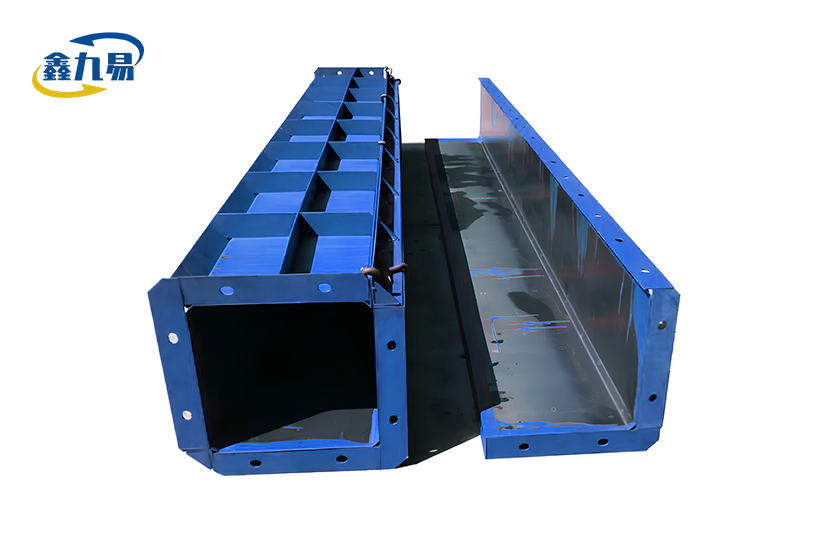
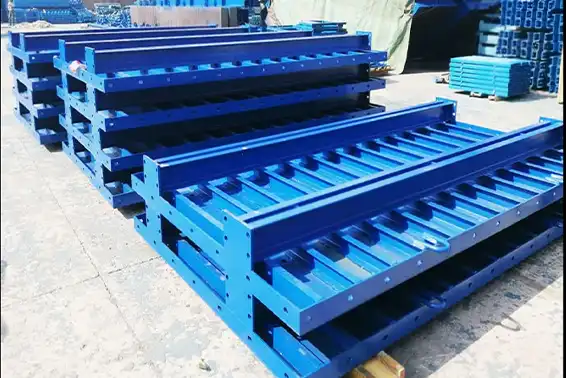
Square column steel formwork is made up of pre-made steel pieces that are designed to hold poured concrete and keep the exact shape of the column while it cures. Cold-rolled steel face plates, channel steel stiffeners, and angle steel reinforcement ribs are used in each panel assembly to keep them from moving when concrete presses down on them from the side.
What Sets Steel Apart from Other Materials?
Formwork made of wood and plywood is still commonly used on smaller sites, but it warps after being exposed to water and alkaline concrete over and over again. Even though aluminum panels are lighter, they cost more per unit and are not as rigid when there is a lot of water pressure on them. Plastic systems work well for light tasks but can't handle the steady loads of column grids with multiple stories.
Cold-rolled steel plate of the Q235 grade is used to make steel forms that are accurate to within ±1 mm in widths from 300 mm to 1600 mm and heights up to 3000 mm. A report from the China Formwork and Scaffolding Association says that steel column forms can be used 300 to 500 times if they are properly maintained. This spreads the cost of buying them over a large number of projects.
Modular vs. Custom-Fabricated Panels
Standardized widths for modular panels include 300, 400, 500, 600, 700, 900, 1200, 1400, and 1600 mm, which are the same sizes as column sections in most home and business building plans. When a project calls for a cross-section that isn't standard, panels made from engineering plans are custom-fabricated to make sure they fit perfectly. This eliminates the need for field modifications that could cause grout to leak.
Core Criteria for Choosing Square Column Steel Formwork
There needs to be a structured evaluation framework in place before you sign a purchase order. Failures and changes in the field that cost a lot of money are less likely when procurement decisions are based on clear criteria.
Here are the main things that every buyer should check when making a choice:
- Steel grade and plate thickness: Q235 cold-rolled plates welded with full-penetration cracks give the strength needed to stand up to the hydrostatic pressure of concrete. Make sure the thickness of the face plate fits the height of the pour and the mix specifications for the concrete.
- Dimensional tolerance certification: The panels must stay within ±1 mm of each other in terms of their length and width. Any deviation adds up over multiple stories and causes column grids to be out of alignment.
- Surface treatment durability: In alkaline concrete settings, panels are protected by a painted anti-corrosion finish. For sites near the coast or chemical plants, upgrading to galvanized or powder-coated steel makes it last longer.
- Reuse cycle documentation: Request test data from a third party or the plant that confirms 300+ cycles of use. This number tells you both how much it costs per pour and how much you save over the life of the product compared to wood options.
- Supplier certifications: ISO 9001 quality management certification means that production controls are strict. For people who want to export, make sure that the paperwork meets the customs and engineering requirements of your country.
These criteria are the basis of a procurement decision that can be defended. The comparison between different sellers is easy and fair once they have been checked.
Comparing Square Column Steel Formwork with Other Formwork Options
You can better match the square column steel formwork system to the conditions on the site if you know when it works better than other options and when there are trade-offs.
Steel vs. Timber and Plywood
Timber formwork soaks up water and swells unevenly. It can usually be used 5 to 10 times before the surface quality gets too bad to be acceptable. When a building has 30 stories or more, the cost of repair quickly adds up. Steel systems get rid of that ongoing cost and make fair-faced concrete, which means less work for the second layer of plastering.
Steel vs. Aluminum and Plastic
Each piece of an aluminum column form is lighter, which is good for jobs that need to be handled by hand. But aluminum bends more easily when pour pressures are high, and it costs more per unit area. Plastic formwork works well for making concrete parts, but it's not good for high-rise building where in-situ column grids are needed. Steel is still the best material for structures that need to be precise and have a high long-term value.
Modular Systems vs. Custom Fabrication
A modular system cuts down on lead time and makes it easier for rental fleet owners to keep track of their goods when panels are used on more than one project. When column sizes don't fit into standard widths or when a project needs a certain panel configuration for architectural concrete finishes, custom fabrication is needed. The choice will depend on the types of projects you have and how many columns with non-standard sizes you have in your pipeline.
Installation and Maintenance of Square Column Steel Formwork
How well you use your formwork on the job site decides whether it lasts as long as it's supposed to or breaks down too soon.
Pre-Installation Checks and Assembly
Every panel should be checked for surface dents, loose rib attachments, and worn pin holes before each pour. Spread a release agent out evenly to keep the concrete from sticking and make cleaning easier. Using standard fittings, put together panels and use a measured spirit level to make sure they are straight and plumb before pouring concrete. Standard carpentry crews can set up modular steel systems correctly without special training. This cuts down on assembly mistakes that lead to honeycombing and surface flaws.
Maintenance Practices That Protect Your Investment
After stripping, clean the square column steel formwork panels right away to get rid of any leftover concrete before it sets. Place stacked panels on flat, level ground that isn't near any water. Every ten cycles, check the welds and connection hardware for damage. Fix any joint problems before they get bigger and let grout leak out. Fix painting areas right away to keep rust from starting to form in damaged areas. Consistent maintenance keeps panels working as they should for hundreds of reuses and keeps up the asset value that makes the initial purchase price worthwhile.
Procuring Square Column Steel Formwork: Tips for B2B Buyers
There is a lot more to strategic buying than just comparing prices per ton. These things to think about will help you keep your project going and build source relationships that can grow with your business.
Compare a supplier's production capacity to the time frame you need for delivery. A manufacturer that can turn structural drawings into custom panels in 14 to 21 days can stick to project milestone schedules, but a supplier that can't do much with CNC and welding puts the schedule at risk. Ask for references from similar-sized projects that have already been finished, and look at photos of the finished concrete to see how good it was.
International buyers looking for container loads should check with the seller about their export packing rules. When panels are shipped with corner guards, rust-proof wrapping, and load-securing straps, they arrive at their destination ports ready to be used. This saves money because damaged parts don't have to be replaced. Make sure that the business bills, packing lists, and certificates of origin that are used for exporting are filled out correctly to avoid delays at customs.
Talk about the terms for extra parts and substitute panels along with the original order. Having access to replacement parts that are a perfect fit and meet uniform quality standards saves your rental fleet or ongoing project supply without needing a new supplier qualification cycle.
Conclusion
Choosing the right square column steel formwork is a purchase choice that has a real effect on the cost, schedule, and quality of the concrete that is poured. When it comes to high-rise residential, commercial, and infrastructure uses, steel column forms that are manufactured with tight dimensional tolerances, backed by documented reuse cycle data and ISO-certified manufacturing always perform better than wood and plastic alternatives. Before committing to a seller, buyers should look at the material grade, surface treatment, provider capacity, and export logistics. This will protect both their project flow and their procurement image. When you use the criteria in this guide, you will always make a good choice.
FAQ
How many times can steel column formwork be reused?
If you clean the square column steel formwork after each use, fix any damage to the surface right away, and store them correctly, you can be sure that they will last for 300 to 500 uses. This cycle count is the main reason why it costs less over time than alternatives like wood and plywood.
What tolerance should I require for column formwork panels?
Set a maximum surface smoothness variation of 2 mm across the panel face and ±1 mm on the length and width of the panel. These limits make sure that in buildings with more than one floor, the column grids stay in the right place and that the concrete finishes meet the standards for artistic finishes.
Can panels be customized for non-standard column cross-sections?
Yes. Reliable manufacturers can make custom-width panels from structural drawings that you send them. Standard cycles for making and checking the quality of non-standard configurations usually take 14 to 21 days from the confirmation of the drawing.
How do I verify supplier quality before placing a bulk order?
Ask for proof of ISO 9001 certification, records of workplace inspections, and pictures of finished projects. Before you buy a lot of panels, have a sample panel shipped to you or visit the factory to check the quality of the welds, the accuracy of the measurements, and the consistency of the surface treatment.
What packaging is appropriate for container shipments?
Corner guards, moisture-resistant wrapping, and fastening straps should all be included with the panels. A well-thought-out plan for filling containers makes the best use of their space while also protecting them from damage that can happen during ocean travel.
Connect with Xinjiuyi for Reliable Square Column Steel Formwork Supply
Xinjiuyi manufactures enterprise-grade column formwork that is made to ISO 9001 standards. Each set can be used more than 300 times, and the lengths range from 300 mm to 1600 mm. Our team is ready to help you with your schedule, whether you need a standard square column steel formwork supplier for a large project or custom panels for non-standard column grids. To get a price right away, email us at global@xjy8.com or visit xjy8.com to request a quote today.
References
1. China Formwork and Scaffolding Association — Annual Report on Formwork Industry Development, 2023.
2. American Concrete Institute — ACI 347R: Guide to Formwork for Concrete, 2014.
3. British Standards Institution — BS EN 13670: Execution of Concrete Structures, 2009.
4. Construction Industry Research and Information Association (CIRIA) — Formwork: A Guide to Good Practice, 3rd edition, 2012.
5. International Organization for Standardization — ISO 9001: Quality Management Systems — Requirements, 2015.
6. Portland Cement Association — Design and Control of Concrete Mixtures, 16th edition, 2016.