Pier Column Work Platform Guide: Features, Safety Standards, and Applications
When managing high-pier bridge construction projects—whether it's a cross-sea span, a high-speed rail viaduct, or a complex urban interchange—you need reliable, safe access solutions that protect your crews while meeting aggressive schedules. The Pier Column Work Platform is a specialized high-altitude access system engineered precisely for bridge pier construction, offering a comprehensive alternative to time-consuming traditional scaffolding. This modular system provides an enclosed, multi-layered work environment that supports rebar tying, formwork installation, and concrete pouring operations, all while addressing the core pain points of assembly speed, structural stability in wind, and adaptability to varying pier geometries. Understanding the features, safety standards, and practical applications of these platforms empowers project managers and procurement professionals to make confident, compliant decisions that safeguard workers and accelerate project timelines.

Understanding Pier Column Work Platforms: Features and Types
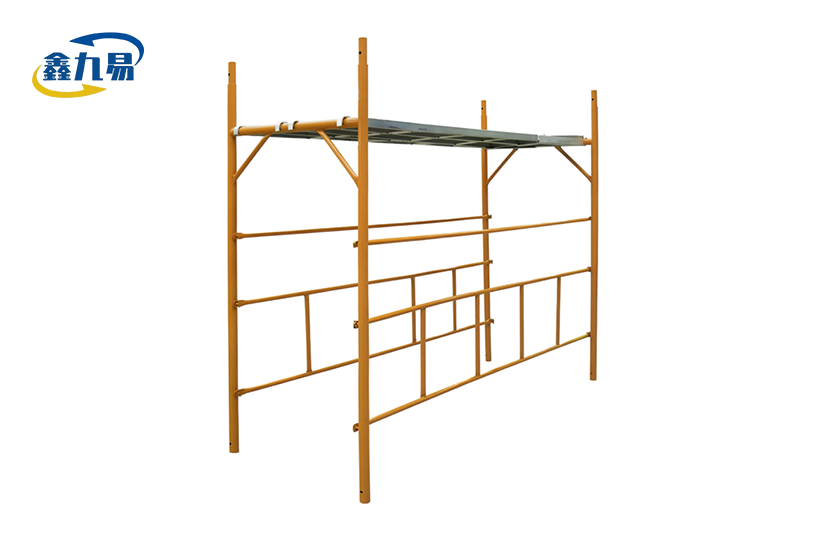
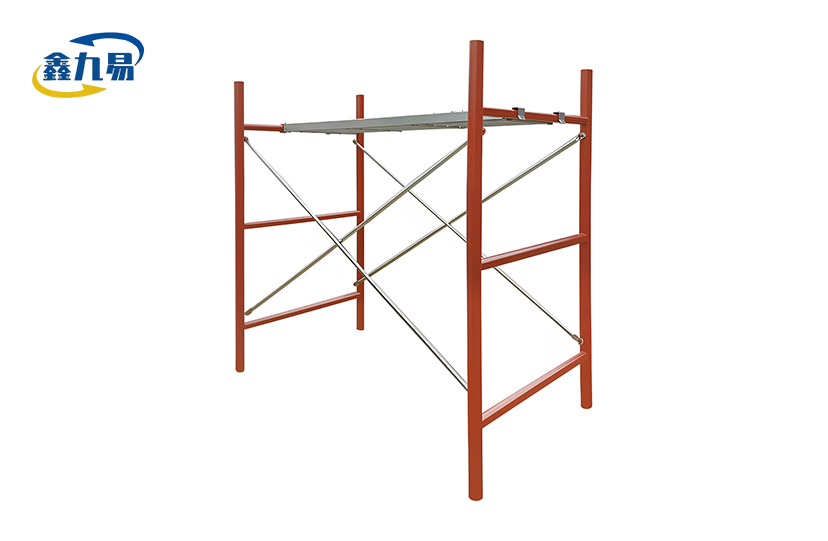
For building bridges, pier column work platforms are stable raised surfaces made just for that purpose. These systems are made of strong materials like I-beams, channel steels, and thickened galvanized rectangular tubes. They meet strict load-bearing requirements for high-altitude pier operations. Unlike regular scaffolding, these platforms are designed to fit cylindrical or rectangular pier profiles. They can easily adjust to pier diameters between 1200 mm and 2000 mm.

Modular vs. Fixed Design Platforms
When modular platforms are taken apart, they can be easily moved from one job site to another and put together quickly. Your crew can put these systems together using high-strength bolt links instead of welding, which gets rid of weak spots and lets you check each part separately. Fixed designs are less mobile, but they are the most stable for long-term installations on fixed piers. The choice relies on whether your project needs a single big pier that will be used for a long time or a number of smaller piers that will need to be moved around often.
Adjustable Diameter and Height Configurations
Bridge projects rarely have the same sizes. Different pier widths can be accommodated by adjustable hoop brackets and telescopic frames, which saves money on equipment stocking costs. This versatility also goes up and down—layered work surfaces can be raised or lowered to match the progress of the project, making sure that workers can get to every step, from the foundation to the cap beam.
Safety Features: Guardrails, Anti-Slip Surfaces, and Enclosures
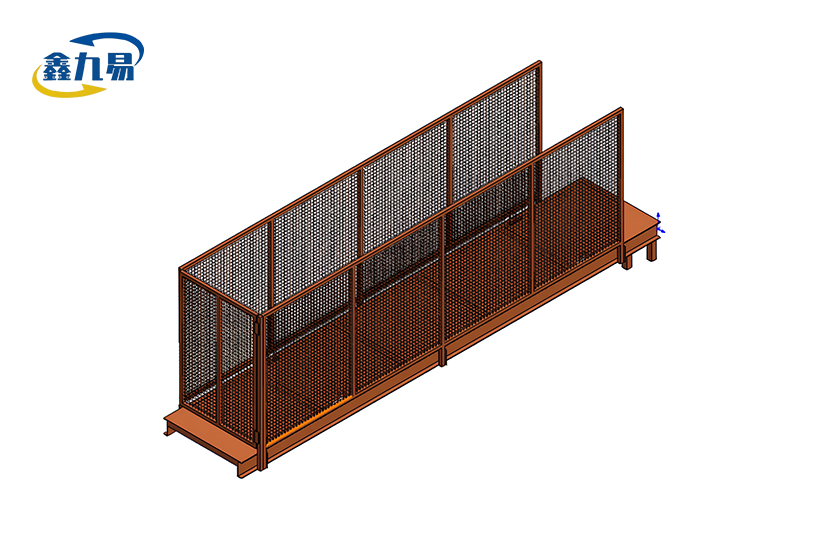
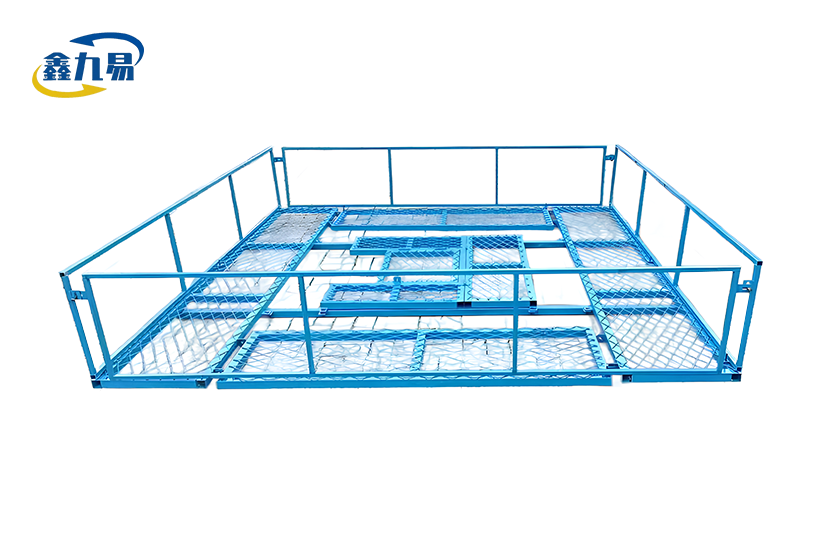
Security isn't an extra; it's built into every part. Around the edge of the work area, double-layer guardrails make it safe in case someone falls. Checkered anti-slip plates that are 2 mm thick give you a stable base even when it rains or after pouring concrete. Toe boards keep small tools and materials from falling, and safety nets built right in make the whole system stop objects from falling. All of these parts work together to make sure that current bridge projects meet the standard safety acceptance requirements.
The platform has many uses during the building process. It supports the forms during the initial installation, provides a stable work surface for tying and positioning the rebar, and ensures safe access for workers during the concrete pour. This flexibility speeds up processes and cuts down on the need for a lot of different pieces of specialized tools.
Safety Standards and Guidelines for Pier Column Work Platforms
When building a bridge, it is important to follow all international safety standards. In the United States, OSHA 1926.451 sets the basic safety standards for scaffolds and platforms. It includes rules for load limits, guardrails, and fall protection. Suspended access equipment is regulated by European EN 1808 standards, which stress the importance of structural integrity and regular inspection protocols. These rules keep workers and other people involved in the project safe from lawsuits and delays that cost a lot of money.
Load Capacity and Structural Integrity Requirements
Depending on the size of the platform and what it will be used for, the load capacity is usually between 500 kg and 3000 kg. Platforms made of high-strength Q355B steel have a safety factor of 4:1, which means they can hold four times the rated working load before they break. To find problems inside, all load-bearing parts are put through non-destructive testing and ultrasound examination. Before being put into service, platforms should be put through 150% static load tests and 125% dynamic load tests to make sure the hoist and brakes work well when they are under a lot of stress.
Fall Protection and Emergency Protocols
Effective fall protection includes more than just structure guardrails. It also includes emergency descent systems and places where personal protective equipment can be attached. When the power goes out, electromagnetic brakes lock the platform in place automatically. If the main systems fail, manual fall valves allow for controlled lowering. Before starting work, you should give your teams full training on these emergency procedures. This will cut down on the time it takes to respond to serious events.
Inspection and Maintenance Schedules
Pier column work platforms stay safe and last longer when they are inspected regularly. Visual checks should be done once a week to find damage, corrosion, or loose connections. As part of detailed checks that happen once a month, bolt torque must be checked, welded joints must be checked for cracks, and safety lock systems must be tested. Every six to twelve months, based on the weather, safety locks need to be professionally calibrated after a drop test. For long-term oxidation protection, the galvanization width should be at least 85 microns. This is especially important for projects near the coast that are subject to salt spray.
Most platform failures are caused by lack of maintenance. Setting clear inspection schedules and holding people accountable makes sure that safety rules are always followed, which protects both workers and project schedules.
Comparing Pier Column Work Platforms: Selecting the Best Option for Your Project
To find the best bridge pier access solution, you need to compare the needs of your project with the capabilities of the platforms that are available. In different building situations, the tools that are used need to have different qualities.
Material Selection: Steel vs. Aluminum Alloy
Steel platforms are more durable and can hold more weight. The structure of buildings made of Q355B steel can stand up to years of heavy use on many projects, even in bad weather. When used on cross-sea bridges, where equipment is constantly exposed to salt air, galvanized finishes don't rust. The heavy nature of steel frames makes them stable in windy conditions that are common at high building sites.
Platforms made of aluminum alloys, like those made from T6061, are easier to move around and handle by hand. Lighter parts are easier to move and install on projects that don't have enough room for a crane. But metal can't hold as much weight, so it can't be used for big concrete work. When choosing a material, you should think about how long it needs to last, how easy it is to get, and how much weight it needs to hold.
Customization for Irregular Pier Shapes
Standard circular pier platforms might not work for all projects. When designing piers with rectangular shapes, tapered profiles, and different cross-sections, you need to be able to be flexible. Telescopic frames that can be adjusted and flexible filler floor plates keep safe working gaps on shapes that aren't circles. Custom setups make sure that everything fits right and that you have the most workspace possible, with no gaps or shaky footings. If a supplier offers engineering help, they can make detailed design renderings that show you how the platforms will fit with your unique pier measurements before they are built.
Cost Analysis: Purchase vs. Rental
The procurement strategy has a big effect on the project's costs. For builders who regularly get work on bridges, buying platforms makes sense. When compared to rental fees, the cost of safety equipment used more than once cuts the cost per job. When used on multiple projects, platforms that are built to last 20 years give a great return on investment.
Renting a bridge is a good option for occasional bridge builders or projects that only need it once. Maintenance and certification are often included in rental agreements, which makes your job easier. On long-term projects, however, rental costs add up quickly and often go over buy prices in just one building season. Figure out the total cost of ownership by estimating how many platforms you will need for all of your future projects and taking into account the cost of upkeep, the cost of storage, and the platform's possible resale value.
These things help procurement pros find solutions that balance short-term budget constraints with long-term working efficiency. Cost comparisons that are clear help project stakeholders and financial decision-makers understand why equipment investments are necessary.
Installation, Maintenance, and Long-Term Use
The basis for safe platform function is a well-done installation. Hasty or incorrect building causes risks that can't be fully eliminated by inspections later on.
Site Assessment and Installation Planning
Before the platform arrives, you should do a full site inspection. Check the measurements of the pier against the platform specs to make sure they are compatible. Find places for the crane to go and make sure there are clear areas for staging materials. The best time to install something is based on the weather forecast. For example, don't put together platforms during storms or high winds that could make the setup less safe for workers.
For pier column work platform installation, you need specific tools, like torque wrenches that are tuned for bolt connections, leveling tools to make sure the work areas are flat, and lifting tools that are rated for the weight of platform components. At least one qualified technician who knows how to install that platform type should be on your installation team. Before crews start working at height, this expert oversees the assembly and does full load tests.
Routine Maintenance Checklist
Systematic care keeps platforms safe and makes them last longer. This should be on your list:
Once a week, obvious parts are checked for damage, the stability of the fence is confirmed, the non-slip surface is checked, and the safety gate is put through its paces. These quick checks find clear problems before they get worse.
As part of the detailed maintenance that is done once a month, all bolted connections are tightened to the manufacturer's specifications. Moving parts like adjustment mechanisms are oiled, galvanized coatings are checked for wear, and emergency descent systems are tested. Write down everything that needs to be done for repair so that there are records for safety compliance checks.
Coastal bridge projects need to pay extra attention to the environment. Even on steel surfaces, salt spray speeds up rusting. To keep the corrosion protection that protects your property, do more inspections and add extra protective coats in places with a lot of salt.
Troubleshooting Common Issues
Loose connections or clear deformation are common signs of structural wear. Fix any loose bolts right away by retorquing them to the correct torque; never keep working with connections that aren't secure. Damaged structural elements can't be safely fixed in the field; deformed parts need to be looked at by a professional and may need to be replaced.
Problems with operations, like adjustment mechanisms getting stuck, are often caused by not enough lubrication or buildup of debris. Most motor problems can be avoided by cleaning and lubricating things regularly. If a safety lock fails, the platform must be taken out of service right away and recertified by a professional before it can be used again.
Paying attention to these basic maintenance tasks will protect your investment and keep you in line with the rules. Well-kept platforms last for decades and provide reliable service, which more than covers the cost of purchase by performing consistently across many projects.
Procurement and Supplier Considerations for Pier Column Work Platforms
Picking the right provider is just as important as picking the right tools. The manufacturer's skills, licenses, and support systems directly affect the quality of the platform.
Evaluating Manufacturer Qualifications
Suppliers with a good reputation for Pier Column Work Platform keep their ISO 9001 quality management certification, which shows that they have strict controls over production and are always looking for ways to improve. The ISO 45001 certification for health and safety at work shows that a company is committed to using safe manufacturing methods that make products safer. The ISO 14001 environmental management certification shows that a company is making products in a way that is responsible and meets the needs of stricter regulations.
Check out the manufacturer's project collection in addition to their qualifications. Experienced suppliers who have worked on high-speed rail viaducts, cross-sea bridges, and complex urban infrastructure know what your projects need. Case studies that show how platforms were successfully deployed in tough conditions, like hilly areas where cranes can't get to them or rough seas with lots of wind, give people faith in the performance of the equipment.
Technical Support and Customization Capabilities
Building a bridge can be hard in ways that regular products might not be able to fully solve. Suppliers who offer engineering design services can change platforms to fit your needs, whether that means adding special safety features or making the piers have strange shapes. Professional technical services before the sale should include on-demand design solutions and thorough models that show how platforms will work in your specific situation.
Support after the purchase has a big effect on long-term satisfaction. Check to see if the suppliers offer installation instructions, either in the form of detailed instructions or technical supervision during the first assembly on-site. Having access to replacement parts and helpful customer service keeps small problems from becoming ones that stop a project in its tracks.
Logistics and Delivery Considerations
The time of buying the platform must match the plan for building it. Suppliers should show that they can reliably meet shipping dates and produce goods as promised. For big projects that need a lot of platforms, phased transport plans make sure that the equipment gets to the site when it's needed without taking up too much space.
Logistics for transportation are especially important for project areas that are far away. Shipping costs are cut down, and handling is made easier with modular designs that can be broken down into manageable parts. Suppliers who know how to deal with customs processes and foreign shipping rules make it easier to get things for projects outside of the United States.
We at Hebei Xinjiuyi Construction Technology Co., Ltd. know how hard it can be to buy things in this way. Our pier column work platforms can fit circle pier widths ranging from φ1200 mm to φ2000 mm, and they can be fully customized to fit the needs of any project. Our platforms are made from I-beams, channel steels, and thickened, galvanized rectangular tubes. They can reliably hold loads for tasks like rebar tying, formwork installation, and concrete pouring. With two layers of guardrails, non-slip walking boards, toe boards, and built-in safety nets, you get a multi-layered safety system that meets standard safety acceptance requirements. Our modular assembly design makes it easy to put together and take apart quickly. High-strength bolt connections keep the structure stable even in rough outdoor conditions. We have ISO 9001, ISO 45001, and ISO 14001 certifications, and we combine high-quality manufacturing with careful, personalized services. We can help you with your projects from the beginning design stages all the way through on-site guidance.
Conclusion
Choosing the right bridge pier access tools affects both the safety of the job and how well it runs. Pier Column Work Platforms that are designed to be used for building high-altitude piers work better than regular scaffolds because they are easier to set up, more stable, and provide better fall protection. Understanding the features of a platform, such as its changeable diameter setups and multi-layer safety systems, helps you make smart choices about what to buy. Following foreign safety rules, such as OSHA and EN guidelines, keeps workers safe and meets government requirements. By carefully evaluating suppliers, you can be sure that the manufacturers you work with have the right certifications, technical skills, and support systems to carry out the project successfully. Following the right steps for installation and regular maintenance will keep the platform safe for longer, which will increase the return on investment. These specialized work platforms give your workers the reliable, safe access they need to build complex bridge piers quickly and without any problems, whether you're building high-speed rail viaducts, cross-sea bridges, or urban interchanges.
FAQ
What are the typical load capacities for bridge pier work platforms?
Load capacities range from 500 kg to 3000 kg, depending on the size of the platform and how it is built. Platforms designed for working with heavy concrete can usually hold 2000 kg or more, while maintenance platforms that are lighter may be able to hold 500 to 1000 kg. All trustworthy platforms have a safety factor of at least 4:1, which means they can handle four times the maximum load before the structure breaks.
Can these platforms accommodate non-circular or tapered pier shapes?
Modern modular platforms have movable frames that can be adjusted and flexible filler floor plates that are made to fit odd shapes. These methods can work with square piers, tapered curves, and different cross-sections while still keeping safe working gaps. Custom configurations make sure a good fit no matter what shape the pier is, but you should be specific about the pier's dimensions during the procurement process to get the best fit.
What maintenance intervals do safety regulations require?
Visual checks once a week find damage or loose connections that are easy to see. As part of the thorough care that is done once a month, the bolt tightness is checked, moving parts are oiled, and the coating is looked at. Every six to twelve months, based on how often they are used and the weather, safety locks need to be professionally calibrated after a drop test. More regular checks are better for coastal projects that get hit by salt spray because they catch corrosion early.
How do these platforms perform in high-wind conditions?
Platforms made for building bridges can usually handle wind speeds of up to Level 6 (12.5 m/s) while they are in use. Building with heavy steel gives support that lighter platforms can't match. But safety rules say that work has to stop during storms with winds that are higher than the rating conditions. The way the wind blows at your project site should be taken into account when designing the platform.
Partner with Xinjiuyi for Superior Bridge Construction Safety Solutions
Getting the right tools partner is the first step in making bridges safer. Xinjiuyi is an expert in making pier column work platforms that are specifically designed to meet the tough needs of current bridge building. Our modular systems are easy to change to fit pier diameters ranging from φ1200 mm to φ2000 mm. This gives your projects the flexibility they need without affecting the structural integrity. We are a reliable provider of pier column work platforms, and we make sure that every platform meets international safety standards by using cutting-edge production technology and strict ISO-certified quality processes. Our dedicated team helps with everything, from the initial design and quick transport to providing expert support on-site, so your crews can safely and effectively set up and use the equipment. Our platforms offer multiple layers of fall protection and long-lasting sturdiness that keep your workers and your schedule safe, whether you're in charge of high-speed rail viaducts, cross-sea bridges, or urban infrastructure projects. Visit xjy8.com or email our team at global@xjy8.com to talk about your specific project needs and get a detailed technical proposal that fits your bridge-building needs.
References
1. Occupational Safety and Health Administration. (2020). Safety Standards for Scaffolds and Work Platforms in Construction. U.S. Department of Labor.
2. American National Standards Institute. (2019). ANSI/ASSE A10.8-2019: Scaffolding Safety Requirements. American Society of Safety Professionals.
3. European Committee for Standardization. (2018). EN 1808:2015 - Safety Requirements for Suspended Access Equipment. CEN Standards.
4. International Organization for Standardization. (2021). ISO 9001:2015 Quality Management Systems. ISO Catalogue.