Temporary Covered Safety Walkway Guide: Materials, Design, and Safety Requirements
When protecting workers and visitors from overhead hazards at active construction sites, temporary covered safety walkways serve as essential protective infrastructure. A Construction Covered Safety Walkway is an engineered temporary structure that shields pedestrians from falling debris, tools, and weather elements while maintaining unobstructed access through high-risk zones. These modular systems combine robust galvanized steel frameworks with impact-resistant overhead protection, ensuring compliance with rigorous safety standards including OSHA 1926 Subpart L and local building codes. Properly designed walkways integrate anti-slip surfaces, adequate lighting, and clear visibility features to create safe passage corridors connecting construction zones with office areas and public spaces.
Understanding Temporary Covered Safety Walkways
There are many risks on construction sites that put people who walk through active work areas in danger. Workers and tourists who walk under high-level operations are always at risk of being hurt by falling tools, materials that come loose, and building activities that are going on above them. These risks can be reduced with temporary covered safety paths that create safe passageways that keep pedestrians from being hit from above.
Why Standard Barriers Fall Short?
Traditional barriers like barricades and caution tape only warn people of dangers without actually protecting them. When pathways aren't covered, people walking on them could be hit by objects that fall from scaffolding, cranes, or work being done on the facade above. The Bureau of Labor Statistics says that nearly 10% of all construction deaths each year are caused by being hit by falling objects. Covered paths keep people from being exposed by making a hard cover above them while still letting people move around on the ground.
Regulatory Compliance Requirements
Safety rules require precautions to be taken wherever people have to walk under busy building zones. OSHA rules say that workers and the public must be protected from falling objects when they are in the air. The Occupational Safety and Health Administration says that canopies must be able to hold a minimum amount of weight, which is determined by the height of items that could fall and risk estimates done for each site. In cities, extra rules are often put on sidewalk sheds and pedestrian safety tunnels. This is especially true when restoring facades or tearing down buildings in places with a lot of people.
Core Components of Effective Systems
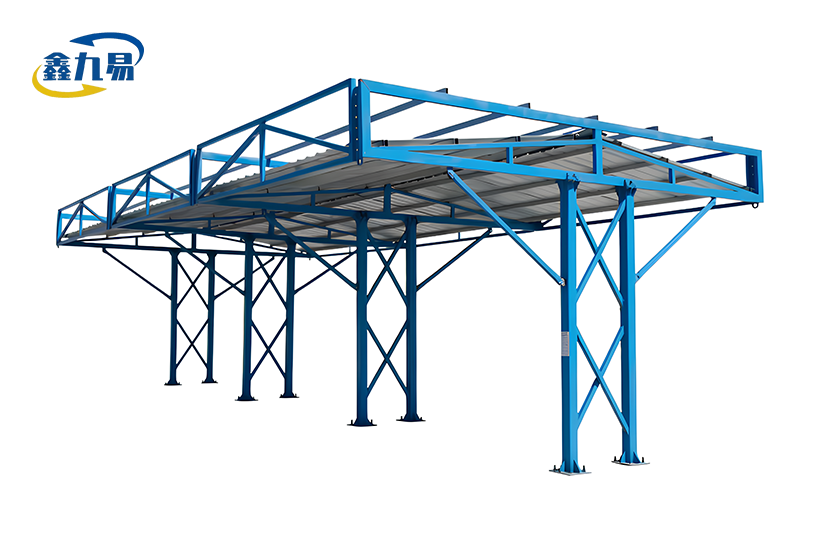
A full covered path system includes the frame, the decking above, the side dividers, and safety features all in one secure unit. The framework sets the load-bearing capacity, and the overhead safety takes the force of falling objects. Side panels keep debris from getting in from the sides and direct foot traffic. Lighting and signs make the covered path easy to see and find your way through. During the installation period, all of the parts must work together to make a continuous safety envelope that meets engineering standards.
Materials Used in Temporary Covered Safety Walkways
The choice of material directly affects how well a covered walkway can handle the conditions on the job site, keep its shape under impact loads, and resist corrosion. For materials to work reliably over time, they need to have certain properties in different construction settings.
Structural Framework Options
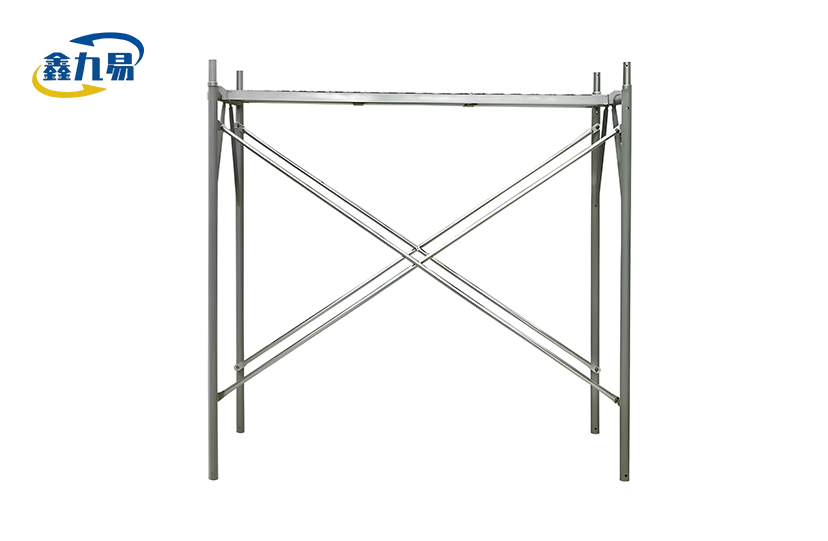
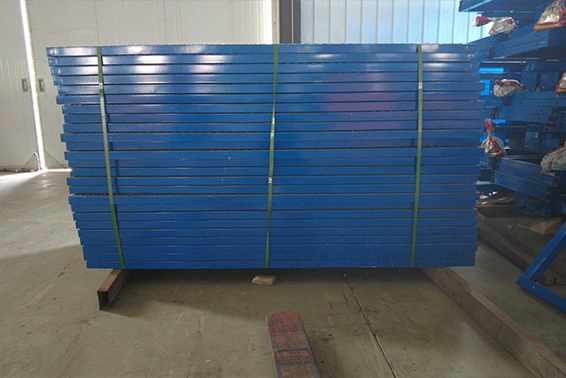
Galvanized steel is the most common material used to build frameworks because it is strong for its weight and doesn't rust. Q235 grade steel has the tensile strength needed for load-bearing beams and columns while still being easy to work with during production. When you hot-dip galvanize something, a protective zinc coating is made that keeps rust from forming, even in damp coastal areas or chemical-filled industrial sites. Steel frames support modular designs with standard connection points that make it easy to put together and rearrange as site layouts change. Hebei Xinjiuyi Construction Technology and other companies that make Construction Covered Safety Walkway systems use thicker rectangular galvanized tubes with 100 mm × 100 mm poles at 2.0 mm thickness to support the protective layers above.
For situations where moving around a lot is important, aluminum alloy options are lighter. Even though they are not as strong as steel frames, aluminum frames naturally don't rust and are easier to install by hand. High-strength metal grades can hold enough weight for most walkways while lowering the need for foundations on areas that are sensitive to weight.
Overhead Protection Materials
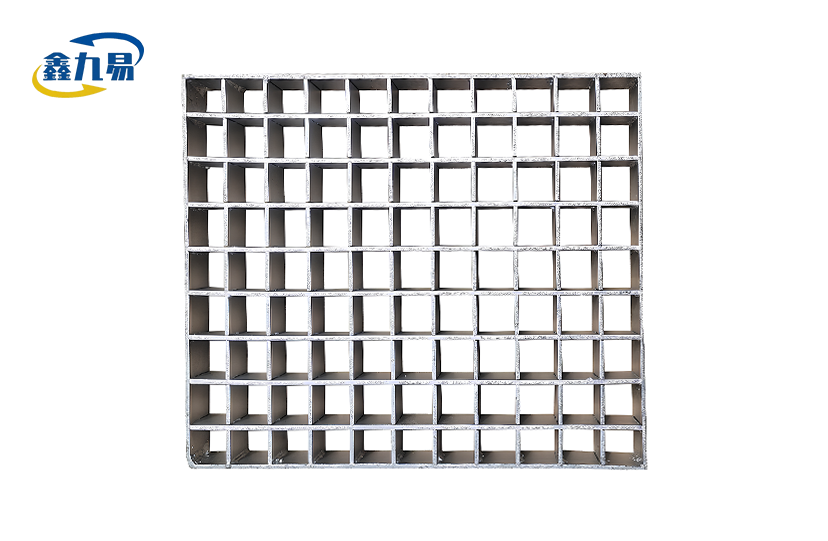
The overhead decking has to be able to handle big impacts without letting the structure fall apart. Double-layer steel mesh patterns spread weight across grids that fit together, stopping falling hand tools or small building supplies from getting through. Standards for safety make sure that mesh spacing keeps things from getting through while still letting water drain and air flow.
Anti-smash boards made from reinforced steel plate are better at stopping heavy items from hitting the ground. When dropped power tools, fasteners, or pieces of broken masonry hit these solid panels, they don't go through like mesh systems would. Electrostatic powder coating and other surface treatments make weather-resistant shields that keep their protective qualities even after being outside for a long time.
Surface Treatment Technologies
Dual-layer protection systems use both hot-dip galvanizing and polyester powder covering to make them more resistant to rust and better at showing what's underneath. The zinc galvanizing layer acts as a sacrifice to keep rust from getting to the base metal, even if the surface gets scratched. Powder coating adds a colored topcoat in safety orange or high-visibility yellow with reflective warning markings. This makes sure that the walkway is easy to see in low light and meets professional site presentation standards for construction (American Galvanizers Association, 2020).
Design Guidelines and Safety Requirements
A good covered path design strikes a mix between how well it works structurally and how well it works for people. The dimensional standards make sure that people can move through easily, and the engineering specs make sure that people are safe in the worst-case loading situations.
Critical Dimensional Parameters
The height gap must allow for foot activity without making the area too crowded, which would discourage use. Standard configurations offer 3700 mm (12 feet) of vertical clearance, which lets equipment pass and keeps sightlines clear, which removes psychological barriers to entry. Specifications for width range from 3000 mm to 6000 mm, depending on how much traffic is expected and how equipment needs to move. Wider passages allow people to walk and move materials without getting backed up.
Length can be changed to fit different layouts on different sites, and modular sections can connect to make safe, continuous corridors. Standard piece lengths of 6000 mm make transporting and installing the fence easier, and they can be combined to make unique total lengths that fit around buildings or across gaps.
Load-Bearing Capacity Engineering
Static dead loads from the walkway assembly and dynamic live loads from impact events are both taken into account in the structural estimates. Engineering standards say that overhead security must be able to handle concentrated loads like tools or materials falling from the highest working heights. The National Institute for Occupational Safety and Health (2019) suggests impact resistance testing that mimics real-life situations of falling objects related to the work being done above.
Column spacing and beam lengths spread out loads so that they don't bend at their highest design loads for Construction Covered Safety Walkway. Based on the need for reuse and the limitations of the site assembly, structural engineers choose connection methods such as welded joints or bolted assemblies.
Integrated Safety Features
In addition to protecting structures, thorough safety design takes into account how people will use the space. Walking surfaces that don't slip and have raised tread patterns keep your footing when it's wet, so no one slips and falls in the secured passageway. Side barriers at the bare minimum height stop people from accidentally leaving while still letting people see where they are going. Emergency exit features make sure that quick escape paths can still be used even when longer walkways are being built.
Lighting systems that provide at least 5 foot-candles of light keep things visible at nite or when natural light is blocked by a roof. It uses less energy and lasts longer, so you don't have to do as much maintenance on LED fixtures. High-contrast colors and reflective stripes make the walkway stand out from coming angles, making it easy for site traffic, such as vehicles and equipment users, to see.
Installation, Maintenance, and Best Practices
If you put the walkway correctly, it will work well for a long time, and regular upkeep will keep it safe for as long as it's supposed to.
Site Assessment and Planning
A full site study finds anchor point locations, utility conflicts, and traffic flow patterns before installation starts. Soil bearing capacity testing shows that the foundation is strong enough to hold column loads. Overhead clearance studies make sure that building plans don't interfere with existing structures, power lines, or the ways that equipment on the site moves. This preliminary analysis stops problems during installation that cause projects to run behind schedule.
Modular Assembly Advantages
When compared to custom-built structures, prefabricated modular systems take a lot less time to set up on-site. Standardized parts come with pre-drilled connection spots and hardware that makes them ready to put together. Small groups can put up large sections of walkways in just a few hours using simple tools, which means that ongoing site operations aren't interrupted too much. The modular method allows for gradual installation, which protects important areas right away and adds more covering as the building process goes on.
Modular designs also let the layout be changed as the needs of the site change. Moving sections protects different areas during different stages of building, making the best use of tools across all project timelines. When a project is finished, the parts are taken apart so they can be transported to other job sites. This saves money because the parts are used more than once.
Preventive Maintenance Protocols
Inspections done on a regular basis find wear and damage before they become a safety risk. Checking the structural links, the stability of the overhead panels, and the functioning of safety features once a week. Every month, thorough checks are done to record any damage that needs fixing, like rust, loose fasteners, or broken lighting. When bad weather like high winds or a lot of snow falls, the structure needs to be inspected again to make sure it is still solid.
Cleaning routines get rid of the buildup of trash that could make it hard to see or cause people to trip. Pressure washing gets rid of mud, concrete splatter, and other building waste that makes the surface less slippery. Maintaining drainage channels stops water from pooling, which speeds up corrosion and makes the area more likely to slip.
How to Choose and Procure the Right Covered Safety Walkway?
To choose the right walkway systems, you need to make sure that the product's features meet the needs of the project and that you can rely on the seller to deliver and help you when you need it.
Assessing Project-Specific Needs
The length of the Construction Covered Safety Walkway project affects whether it makes more financial sense to buy or rent. For projects that only last a few weeks, renting may be best because the owner doesn't have to take care of the equipment, but for projects that last a few years, buying equipment that can be used in more than one phase is the best option. If the site is complicated, with odd shapes or changes in elevation, it may need solutions that are made just for it instead of standard modular goods.
Due to limited funds, the initial costs and the overall value must be balanced. Less expensive systems may need to be replaced more often or need a lot of maintenance, which will cost more in the long run than more expensive products that last longer. The total cost of ownership should take into account the work needed for installation, the cost of repairs, and the value that could be used in other projects.
Evaluating Supplier Qualifications
Certifications for manufacturing give you peace of mind about quality control systems and consistent output standards. ISO 9001 certification shows that quality control procedures have been established, and ISO 45001 certification shows a commitment to health and safety at work throughout the manufacturing process. Documentation from product testing that verifies load capacity, shock resistance, and material specs backs up claims of performance.
The ability to deliver directly affects how well a project stays on schedule. When project deadlines get squished, suppliers who keep enough inventory on hand help with quick deployment. Custom fabrication lets you make solutions that fit the needs of each site without having to wait too long for them to arrive. Shipping costs and travel times are cut down when two places are close to each other, especially for big orders.
Technical help services set top providers apart from basic product sellers. Before the sale, technical help is given to help choose the right configurations for the place and the rules that need to be followed. Installation help, like on-site training or thorough assembly directions, keeps mistakes from happening during rollout that cost a lot of money. During the service period, your investment is protected by after-sales support, such as the availability of spare parts and help with fixing problems.
Making Informed Procurement Decisions
When you compare detailed quotes from several suppliers, you can see not only price differences but also differences in product details, delivery terms, and customer service. To make sure the products meet your standards, ask for full technical documentation such as engineering drawings, material certifications, and testing reports. References from similar projects show how well the supplier did in the real world and how quickly they responded.
The terms of the warranty show that the maker is sure that the product will last. Longer guarantee terms that cover structural soundness and resistance to corrosion show that the company is dedicated to providing long-lasting performance. Make it clear what kinds of things can void warranties and how to fix problems when they happen.
Conclusion
Temporary covered paths are important pieces of infrastructure that keep people safe and allow building to go forward in difficult areas. The choice of materials, the engineering design, and the correct fitting all play a part in making Construction Covered Safety Walkway protective systems that work in harsh circumstances and follow strict safety rules. When you know how galvanized steel frames, impact-resistant overhead protection, and built-in safety features all work together, you can choose options that are best for your job. Maintenance plans and criteria for judging suppliers make sure that your investment is protected reliably for long periods of time. Choosing the right covered walkway systems for building construction sites, local infrastructure projects, or industrial facility maintenance lowers your risk of liability and shows that you care about worker and public safety.
FAQ
What safety standards govern temporary covered walkways in the United States?
Under OSHA regulations from 1926 Subpart L, workers and pedestrians who are in areas where falling objects are a risk must have overhead protection. These standards set minimum load-bearing levels and criteria for structural stability. Local building departments often add extra rules on top of municipal codes. This is especially true in cities where protecting public sidewalks during construction is required. To be in compliance, you need to look at both federal OSHA guidelines and local laws that apply to your job.
How long does installation typically require?
Custom-built structures take a lot longer to set up than modular prefabricated systems. A basic 30-meter walkway piece can be put up by a crew of four people in one working day, as long as anchor points are ready. Installations that are hard to plan or that need to be built into existing structures may take several days longer than planned. Preparing the site, which includes base work and making sure all utilities are clear, usually takes longer than putting things together.
Can walkway components be reused across multiple projects?
Quality adaptable systems that are made to be put together and used again and again over many project cycles. The structure stays strong for many years if it is properly kept because it is made of galvanized steel with protective coats. For different site plans, standardized connection methods make it possible to take things apart and put them back together again. Well-kept systems should last between 15 and 20 years with regular maintenance like checking and replacing small parts. This makes ownership a good deal for businesses that are working on many projects at once.
Partner with Xinjiuyi for Reliable Construction Covered Safety Walkway Solutions
Working with experienced Construction Covered Safety Walkway manufacturers who know what the project needs is the easiest way to keep your workers safe and follow the rules. Hebei Xinjiuyi Construction Technology Co., Ltd. makes enterprise-level safety walkway systems that are designed to work in tough construction sites. Our modular designs are made of hot-dip galvanizing Q235 steel and can be made in any size to fit your site's plan exactly. With ISO 9001, ISO 45001, and ISO 14001 certifications, we make sure that our production and delivery meet the highest quality standards. Our engineering team helps with technical issues from the beginning of the design process to the final installation, making sure that your walkway system meets all safety standards and arrives on time. You can talk to our experts about your project needs and get a full quote that fits your needs by emailing global@xjy8.com or visiting xjy8.com.
References
1. American Galvanizers Association. (2020). Hot-Dip Galvanizing for Corrosion Protection of Steel Products.
2. Bureau of Labor Statistics. (2022). Census of Fatal Occupational Injuries Summary, 2021. U.S. Department of Labor.
3. National Institute for Occupational Safety and Health. (2019). Construction Safety and Health. Centers for Disease Control and Prevention.
4. Occupational Safety and Health Administration. (2021). Safety and Health Regulations for Construction - 1926 Subpart L. U.S. Department of Labor.
5. The Constructor Civil Engineering Home. (2021). Temporary Structures in Construction: Types and Uses.
6. Whole Building Design Guide. (2020). Construction Site Safety. National Institute of Building Sciences.