Tower Crane Anti-climbing Device Guide: Protective Fence Design, Height Requirements, and Safety Features
A tower crane anti-climbing device is a physical barrier that blocks unauthorized people from reaching a crane's mast, ladders, and platforms. A well-built system pairs a protective fence of the right height with tight gaps, no easy footholds, and locked or bolted access points. Height rules vary by jurisdiction, so I recommend checking OSHA rules, local codes, the crane manufacturer's instructions, and your site risk assessment before you order. This guide covers fence design, height requirements, safety features, installation, and supplier selection, so you can choose a barrier that fits your cranes and your inspections.

Why Tower Crane Anti-Climbing Protection Matters
Risks of Unauthorized Access
People not meant to be there might fall and be struck by moving pieces or electrical devices. Things might fall on them, too. Most of the time the base, mast, stairs, platforms and area beneath the operator’s housing are dangerous. No one can stop the break-in artists, the robbers, the visitors that want to see more to get to these sites. Social media trends of “urban climbing” have also made it simple for individuals to get into unattended cranes. An accident may injure people, damage property, bring you into legal problems, delay projects and increase your insurance premiums. So having a wall that’s always there helps keep everyone safe, since a security officer can’t be at every crane all the time. We have signs already, monitoring, fall prevention, emergency preparations. This is simply another element that helps.”
What Is a Tower Crane Anti-Climbing Device?
An anti-climbing system on a tower crane limits access to the mast, stairs, platforms and cabin entrances, but still allows skilled operators and maintenance personnel safe access. There are a variety of methods available include fixed fences, bolt-on panels, electronic access control and lockable ladder gates. Our Xinjiuyi tower crane anti-climbing device is a moveable safety barrier. They can’t get up there without permission. They can’t destroy anything and animals can’t get up there. It is fitted at the base of the tower crane and on the platforms under the station where the operator works. It encompasses the region from the bottom of the mast to the level where it is utilized. It works when there is no electricity or nobody is at home . It does not need to be watched or powered to function .
Anti-Climbing Devices vs. Fall Protection and Climbing Guards
I placed them in a separate line since people commonly confuse these three terms. It chooses who may start a climb. It is a device that prevents people ascending. Gear that prevents a fall keeps someone safe who is already working at height and operating at height. Climbing guard (looks like a ladder cage) To protect persons on the ladder. At most locations, all three have to operate together. A barrier is not fall protection, qualified personnel or permitted means to operate at heights needed by OSHA. It also cannot prevent receiving aid in an emergency. Still, there has to be a way for authorized maintenance workers to access the barrier with the proper instruments to carry out rescue and repair operations. The wall shouldn’t be the final line of defense, it should be the first.

Protective Fence Design and Main Device Types
Structure, Geometry, and Materials
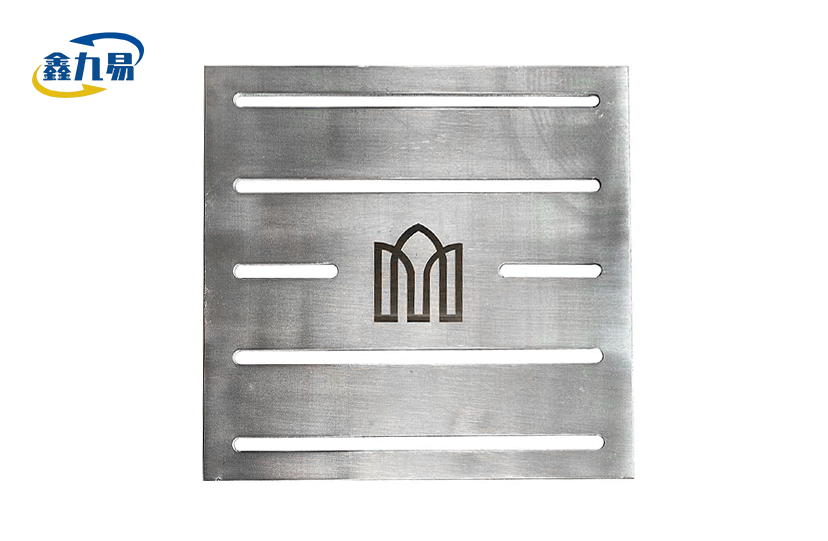
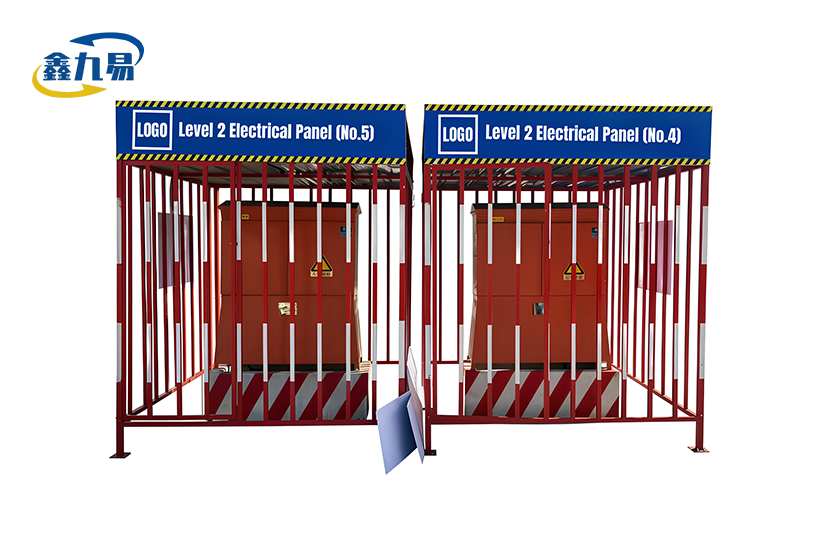
People who don't have permission can't climb, squeeze through, reach around, or take things from behind a good fence. It's not just how tall you are. For footholds, I look for small gaps, smooth faces, and no ledges. Side rails, big holes, and close scaffolds can all be used. What something is made of also impacts how long it lasts. Steel that has been galvanized is strong and doesn't rust. Steel that has been sprayed needs more coating upkeep. Stainless steel doesn't rust very well. Aluminum is light but not very strong. Our tower crane anti-climbing device is made of galvanized rectangular tubes, steel plates, or anti-climb mesh. If you hot-dip galvanize or powder coat it, it will be safe from rust, rain, snow, UV light, and changes in temperature.
Gates, Locks, and Access Points
There must be a regulated manner for individuals to pass over every obstacle to work. If the gate is built correctly it will shut and lock tightly with no room for a pry bar to go through. Hinges and fasteners should be hard to alter. Locks should not be easy to drill or cut. Our panels are kept in place by non-changeable fasteners so that someone who shouldn't can't merely take them off. The gate should never be locked and also make sure there are routes in and out for relief teams in case of an emergency. Also consider the cabin approach Maintenance personnel should be able to reach the bottom of the ladder without needing to remove any panels for access. Finally, identify all those who have the key and are able to unlock each gate.
Fixed, Removable, Manual, and Automatic Systems
A permanent fence is an excellent approach to keep things safe when you have a protracted project. With most rental fleets, cranes are often put together, relocated or taken apart. The best options are those that can be taken off or swapped over easily. Our flexible design does not need to be welded to the crane mast, it merely snaps on to conventional mast sections. This manner, the original structure and the guarantee from the producer remain intact. Hand-held fences are not dependent on power and will not break in many areas. Systems with sensors or that operate automatically may provide alerts and records of access, but require electricity, software and frequent testing to perform well. A genuine wall is typically combined with independent cameras or alarms in numerous areas. Consider the duration of the project, the level of public access, and the amount of monitoring your team can manage.
Safety Features, Height Requirements, and Compliance
Safety Features to Check Before You Buy
Don't just look at how things look. Check how strong the structure is, how well the welds are done, the mounting brackets, the screws, and how the barrier moves weight to the mast. Look to see if it doesn't have any sharp edges, gaps that could be dangerous, or hidden paths that are made by stairs or platforms. It's also important to be seen. Bright flashing strips and big "No Climbing" signs on our units make the crane easier to see at night and let people know they can't climb it. Find out how the barrier stops rust, what it does when it feels vibrations, and how long it will last. If the barrier breaks or rusts, a check will show that. These three standards make sure that Xinjiuyi always does good work: ISO 9001, ISO 45001, and ISO 14001.
Height Requirements and U.S. Standards
Every tower crane, place, and country has different needs when it comes to fence height. If you are in the US and want to use a building crane, the law is OSHA Subpart CC (29 CFR 1926.1400 and later), and section 1926.1435 talks about tower cranes in particular. Safety rule 1926.502 for railings says that the top rails should be 42 inches, give or take 3 inches. This rule only talks about falls from sides, though; it doesn't say how high someone can be and still not be able to climb. The exact sizes depend on the building codes in the area, the crane manufacturer, the client, and how dangerous you think the site is. The standard height of our panel is 500 mm (19.7 inches), but we can make them any height you need for better safety or a certain project. Make sure the target height is right with your safety manager before you place your order.
Documents to Request
Compliance needs both paper work and steel. Ask each seller for detailed drawings that show how to place the item, what the item is made of, how the surface was treated, and how it was measured. You should also ask for quality or conformity records. Before they agree to buy a safety item, a tester, owner, or general builder will often want to look at these files. There's a chance of size when the supplier can't draw up plans for your unique crane model. Before we start making them, you have to sign off on the drawings and specs for the tower crane anti-climbing device. This way, you can check the sizes against your mast sections and make sure you don't order the wrong size. Then, you should do a site-specific risk assessment that links the measurements you picked to things like nearby buildings and sidewalks.
Installation, Inspection, and Maintenance
Installation Steps
The work of the crane and the spot are both safe because the installation was done right. First, check that the crane model is correct and measure the mast parts and entry points. The second step is to look at the drawing and see how each part matches up. Third, set no-go zones and rules for the team about how to work at height. After that, put the brackets in place, make sure the screws are tight, line up the panels, and test the gate and lock. Our bolt-on design doesn't need to be bonded, and it can be put together by two people without any special tools in less than an hour most of the time. To finish, try to get past the barrier, looking for movement or sharp edges and making sure you can see the warning signs. This will make sure that only authorized people can get through. For retrofits, never drill, weld, or change the mast without OEM or competent-engineer approval.
Inspection Routine
A wall only keeps you safe as long as it's still there. Before each shift, I think there should be a quick walk-around. The tools and finishes should be checked once a week, and the structure should be looked at once a year. Quick checks before the shift find any nuts that aren't tight enough before they become holes. Inspectors should check for corrosion, deformation, missing parts, welds, panels, gates, locks, doors, bolts, welds, and signs of changes that the owner did not make. Our device doesn't need power, so the list is short: screws, coating, signs, and bright strips. If you climb, move, or make any other changes to the site, you should check it again. Write your name and the date next to each one. People who do inspections and insurance like to see a clear written record.
Troubleshooting Common Problems
Gates that won't close, panels that shake or come loose, scratched coatings, locks that are hard to turn, and barriers that make it hard for maintenance workers to get to the area are all problems that happen a lot. Panels that are too loose are probably due to old bolts or a bad fit. Make them tighter again and replace any parts that are worn. Take care of the coating damage right away, before the rust gets worse. If a gate won't open, check to see if it's straight and for any signs of damage. Always use parts that have been checked out. To weaken the system and make new holes, people can weld on the spot, make chains, drill more holes, and set up temporary barriers. Crane rental fleets that move cranes from one place to another can cut down on downtime when a new crane comes by having extra panels and on hand.
Choosing the Right Device and Supplier
How to Choose by Purchasing Scenario?
The first thing you need to do is name your situation. Is it a new crane, an upgrade, protecting a rental fleet, stocking for a dealer, or OEM integration? Next, write down the brand and model of the crane, the size of its mast, its safe access points, the length of the project, the weather, and the rules that must be followed. When you compare things, you should think about more than just the unit price. You should also think about things like safety, fit, paperwork, fitting effort, rust protection, extra parts, and the total cost of ownership. Things like material, customization, testing, packing, shipping, and customer service can change the price of an item. If you have a bunch of different kinds of cars, use the same panel family but give each one a different size. We can change the sizes, patterns, and styles of the panels for Potain, Liebherr, Zoomlion, and other brands. Making unique lengths, widths, and heights is part of this for the tower crane anti-climbing device.
Evaluating a Supplier for B2B Orders
A good source can make things, make them consistently well, keep an eye on the welding and coating, and know how to use different kinds of cranes. Read the drawings, certificates of materials, records of inspections, and ways of packaging. Discover how much shipping costs, how long it takes to get spare parts, and what the terms of the warranty are. Send the same RFQ to all of the suppliers. The RFQ should include details about the crane, the amount of items needed, where they are going, the standards, when they need to be delivered, and any changes that need to be made. Then look at the business offer along with the technical offer. The Xinjiuyi factory is in Cangzhou, Hebei, in the Xian County Development Zone. All of its production, sales, and research and development are done in the same building. You can make any changes you want, get help from experts before you buy, and see detailed models of your project to help you plan it.
Deploying Protection Across a Site or Fleet
You can get in without permission through ladders, platforms, scaffolding, temporary stairs, close buildings, vehicles, and border gates. Make a map of all of these ways. Do these five things after that. Plan the routes, choose the level of safety you want, put up the barrier and any other safety or fall protection systems that you need, teach the operators and maintenance crews what to do, and keep an eye on their work as the project goes on. A simple fence might be enough for a yard that isn't dangerous. Public places, on the other hand, may need alarms, locked gates, or electronic credentials. If you climb, move, or the weather changes, or if you change the layout, check again. Rental companies can get to the job site faster and be more sure of their checks if they set up each type of crane the same way every time.
Conclusion
A tower crane anti-climbing device works best as the first layer of an access control plan that includes fall protection, signs, supervision, and emergency procedures. Things that make for good protection are tight geometry without footholds, galvanized or powder-coated materials that last a long time, secure gates and fasteners, and clear warnings. Height doesn't have a single answer. Subpart CC of OSHA and the guardrail rule both talk about different kinds of risks. Local laws, the crane builder, and a danger assessment of the site all played a role in choosing the end sizes. The mast is protected by bolt-on installation, the shield works because it is checked often, and size mistakes are avoided by making sure the measurements are correct for each crane model. Then, look at the supplier's plans, quality records, and willingness to make changes to see if the barrier works for the project or fleet.
FAQ
What is the main purpose of a tower crane anti-climbing device?
The mast, ladders, and platforms are kept out of reach of people who shouldn't be there. It's not the same as fall safety or safe ways to do your job.
What fence height is required?
There's no one height that fits everyone. The things that will tell you what to do are your risk assessment, OSHA rules, and local laws. The tallest panel we make is 500 mm, but you can ask for any height.
How does it differ from a climbing guard?
The thing stops people from getting into the crane, and the ladder has a safety guard on top of it. Both are needed in many places.
Can I retrofit it to an existing crane?
Yes, a lot of the time. We don't have to connect our panels to the mast; they just bolt on. First, make sure you have the right mast measurements. If you want to make any changes to the structure, get OEM approval first.
Which documents should I request from a supplier?
Find out about the material and coating, how to put it, and ask for quality certificates like ISO 9001 on the specific drawings.
Request a Tower Crane Anti-Climbing Device Quotation from Xinjiuyi
Xinjiuyi, a tower crane anti-climbing device manufacturer in Cangzhou, Hebei, serves rental fleets, contractors, and distributors. Sizes can be made to order or standard. Email us at global@xjy8.com with the brands and models of the cranes you want, as well as the number of cranes you want and where you want them sent. We will then make drawings and a quote for you to look over.
References
1. Occupational Safety and Health Administration, Cranes and Derricks in Construction, 29 CFR Part 1926 Subpart CC, 2010.
2. Occupational Safety and Health Administration, Fall Protection Systems Criteria and Practices, 29 CFR 1926.502, 1994.
3. Occupational Safety and Health Administration, Fall Protection in Construction (OSHA 3146), 2015.
4. American Society of Mechanical Engineers, ASME B30.3 Tower Cranes, 2016.
5. European Committee for Standardization, EN 14439 Cranes – Safety – Tower Cranes, 2009.
6. International Organization for Standardization, ISO 45001 Occupational Health and Safety Management Systems, 2018.