Prefabricated Pier Column Work Platforms for High Pier Slipform Construction: Benefits and Applications
When project managers tackle high pier slipform construction, one question rises above all others: how do you keep workers safe and schedules on track at elevations where traditional scaffolding fails? Prefabricated pier column work platforms answer that question directly. Engineered specifically for bridge pier environments, these modular steel systems provide layered standing space, enclosed fall protection, and formwork support across pier diameters from φ1200 mm to φ2000 mm. They replace slow, labor-intensive tube-and-coupler scaffolding with a bolt-connected assembly that crews can install up to 40% faster.
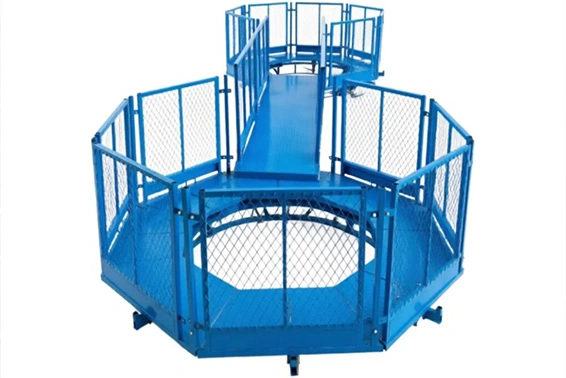
Understanding Prefabricated Pier Column Work Platforms
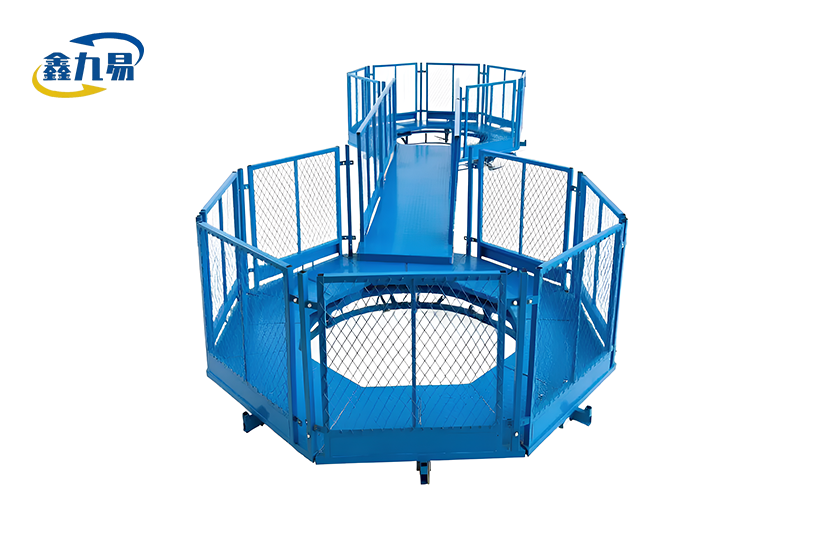
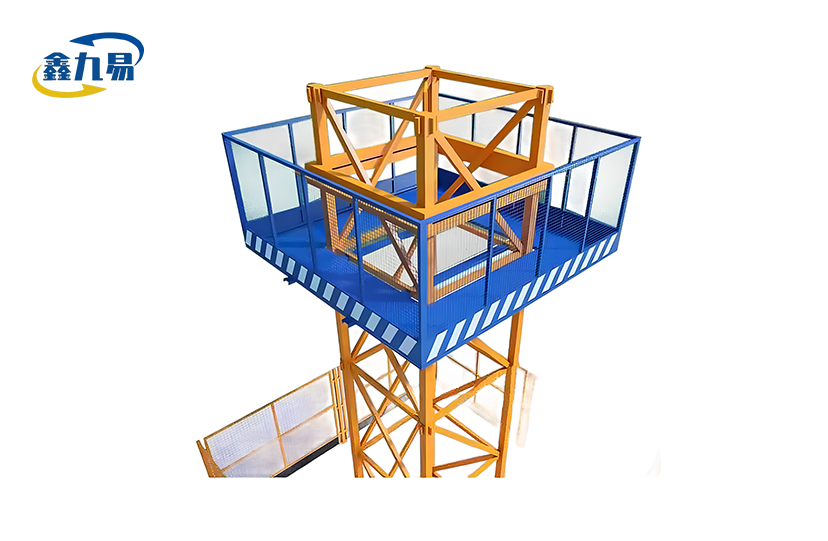
A pier column work platform is not the same as any other raised work surface. It was designed to fit the vertical, cylindrical, and sometimes rectangular shape of bridge piers. Instead of working around the slipform cycle, it works with it.
What Defines These Platforms?
There are I-beams, channel steels, and thicker zinc rectangular tubes (50 mm × 50 mm, 1.5 mm wall) in the main frame. Hoop brackets directly clamp the pier column, getting rid of the need for support legs at ground level that get in the way of traffic and work on the substructure below.
Modular vs. Fixed Configurations
When modular units are broken down into transportable panels, the same set of parts can be used on more than one pier in a row. Fixed configurations work well for long-duration pours on a single pier when moving is not planned. Most highway and rail builders like modular systems because they make better use of assets across the full number of piers in a job.
Integration with Slipform Methods
For slipform construction, you need a platform that rises as the concrete is poured. The bolt-only connection system lets teams move decks without using welding heat, which could damage galvanized coats or slow down operations. Adjustable hoop clamps can handle tapered shafts with different outer sizes.
Key Benefits of Using Prefabricated Pier Column Work Platforms
When comparing safety, schedule, and cost, using a prefabricated high-altitude bridge pier platform instead of traditional methods shows clear benefits. This is what project managers depend on as the main benefit:
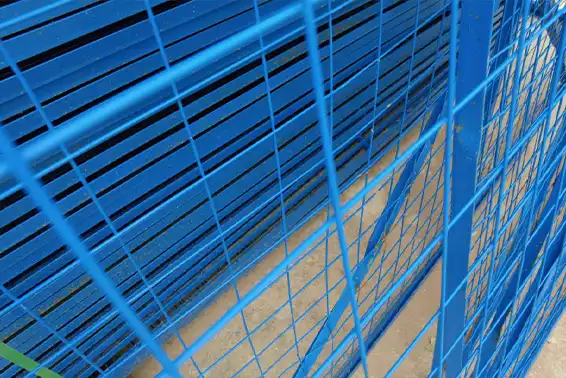
- Multi-layer fall protection: A tight secure envelope is made up of double-layer guardrails (40 mm × 40 mm tube, 1.2 mm wall), anti-slip checkered plates (2.0 mm), toe boards, and safety netting that is built in. This set-up is in line with OSHA 1926.502 guardrail height and load limits and are the same as the standards set by EN 1808 for hanging access.
- Accelerated assembly: Bolt-connected modular panels take less time to set up than traditional coupler scaffolding. This saves time and money on projects with tight deadlines for pier completion.
- Corrosion resistance: All parts are derusting and then hot-dip galvanizing or painting, which creates a minimum 85-micron zinc layer that can handle salt spray on coastal and cross-sea bridge projects.
- Load capacity: The structural frame can handle practical loads that come from teams working on multiple deck levels at the same time to tie down rebar, set up forms, and finish the concrete.
- Reusability: The same platform set can be used for all of a project's piers, which lowers the cost of each pier by a lot compared to renting tube scaffolds or using single-use wood.
These advantages translate directly into fewer safety incidents, shorter assembly windows, and a lower total cost of ownership—outcomes that matter to both project managers and procurement departments reviewing lifecycle ROI for a pier column work platform.
Best Practices for Using Pier Column Work Platforms Safely and Effectively
If you don't follow the right steps, even the best-designed high-altitude bridge pier pier column work platform won't work well. Crews will stay safe and tools will work if you follow these steps.
Pre-Installation Site Assessment
Check the pier's compressive strength at the hoop bracket bearing points before lifting any part. Check that the anchor bolts fit the hoop bracket (at least an 8.0 mm bracket plate) and that the pier surface doesn't have any release agent left on it that could make it less frictional.
Operational Training and Safety Protocols
Before the first operating run, a qualified technician should lead the first assembly and do a static load test. Limit the number of people on the deck at the same time to the platform's rated capacity. Enforce a "no-tool-drop" policy by tethering all hand tools and anchoring loose materials.
Routine Inspection and Maintenance
Check the guardrail's stability and bolt strength at the start of every shift. Check the sides of the checked plates for cracks or deformation caused by the repeated movements of the concrete truck. Every 6 to 12 months, depending on the size of the job, have a skilled drop-test calibration done on the safety locks. Regular, easy checks make the service last much longer than one construction season.
Comparison and Selection Guide: Prefabricated Work Platforms vs Alternative Solutions
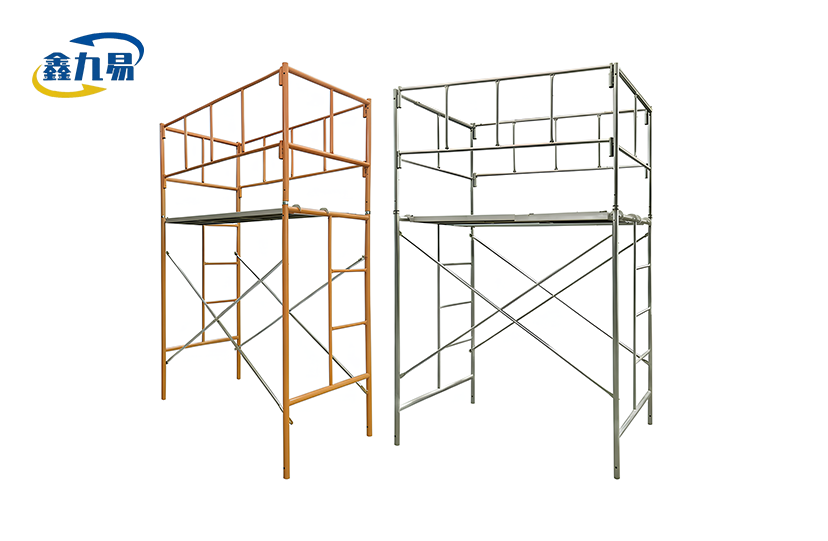
Project engineers often compare premade modular platforms to two other options: hanging access cradles and tube-and-coupler scaffolding. There are four things that make the decision important.
Safety and Access
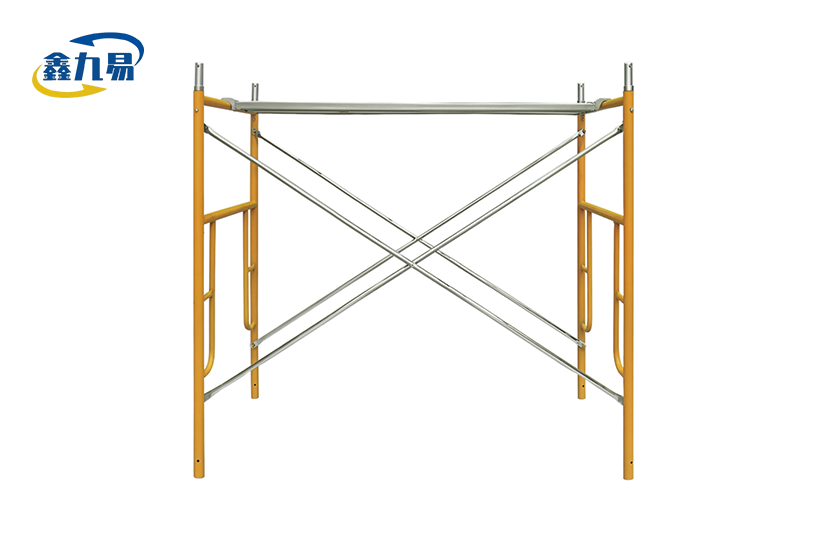
Individual coupler tightening affects the quality of the joints in tube-and-coupler scaffolds over big pier heights. Bolt connections in prefabricated systems are calibrated at the factory, so the structure is always solid at every level. Cradles make it easy to get to things, but they don't have the hard working deck that is needed for formwork to hold loads.
Setup Efficiency and Cost
Traditional scaffolding needs skilled workers to put it up each time, and the costs of their time add up over a project with many piers. A flexible pier column work platform system spreads the cost of putting it together over many reuse cycles, which lowers the average cost per pier as the project goes on.
Material and Durability Trade-offs
Steel frames have more dead weight than metal frames, but they can hold more weight, so they can be used for multiple trades at the same time. In high-contact areas, galvanized steel is much better at handling the wear and tear of concrete aggregate than aluminum. For jobs near the coast, hot-dip galvanizing on steel works better than polished aluminum in tests that last more than 1,000 hours and are resistant to salt spray.
Supplier Selection Criteria
Ask for structural calculation reports, NDT weld certification records, and references from similar high-pier projects when you are looking for a pier column work platform supplier. Make sure the company has ISO 9001 quality management certification and ask about lead times that fit with your pour schedule.
Procurement Insights for Prefabricated Pier Column Work Platforms
Comparing unit prices isn't the only way to decide what to buy for bridge pier entry systems. Strategically buying from a qualified pier column work platform manufacturer lowers the risk of the project and increases the value of the asset over time.
Sourcing Channels and Volume Benefits
If you buy directly from the maker, you can get better technical customization for piers that aren't round or have different sections. When you place a large order that covers all of a project's piers, you can usually get batch pricing, shorter lead times, and more technical support during installation.
Delivery, Logistics, and Warranty
Before you sign a purchase order, make sure that the wait times for production fit with your building schedule. A reliable pier column work platform supplier will promise phased delivery that fits with the order of building the pier. Check the guarantee terms for structural parts and coatings to make sure they cover at least one full building season outside.
Verifying Supplier Credentials
Please ask for ISO 9001, ISO 45001, and ISO 14001 certificates. Ask for load test reports that show results from tests that were done at 150% static and 125% dynamic. Procurement managers don't have to worry about compliance gaps during safety checks when credentials have been checked.
Conclusion
For high pier slipform building, pier column work platforms are a clear step up from standard scaffolding. Their bolted-together modular design, corrosion-resistant steel construction, and built-in multi-layer fall protection deal with the main risks and time constraints that bridge project managers have to deal with every day. These systems offer uniform safety performance, faster pier cycle times, and high reuse value across the full scope of a project if they are bought from a qualified manufacturer with confirmed load test data and project references.
FAQ
Can the platform fit tapered or rectangular piers?
Yes. Telescopic hoop clamps that can be adjusted and flexible filler deck plates keep a safe working gap on tapered profiles. In rectangular pier construction, modular frame extensions are set up to match the cross-sectional dimensions of the pier without having to be made from scratch.
What is the safe operating wind speed?
Standard safety rules say that work can only be done safely when wind speeds are less than 12.5 m/s (Level 6 Beaufort). For cross-sea bridge projects that might be affected by Level 7 gusts, extra guy-wire anchoring is suggested for times when the bridge is not being used.
How often do safety locks require recertification?
Every 6 to 12 months, depending on how harsh the project environment is, a professional drop-test calibration should be done. Sites with a lot of salt or shaking should have a shorter period.
Is on-site technical support available during installation?
Before the first operational cycle, a certified technician should lead the initial assembly and do a full load test. As part of the delivery package, Xinjiuyi's technical team gives advice on-site.
What pier diameter range does the standard platform cover?
The normal range goes from φ1200 mm to φ2000 mm. Piers outside of this range can have their own unique configurations made.
Partner with Xinjiuyi for Your Next High-Pier Project
Xinjiuyi's pier column work platform is made of galvanized steel, can be used over and over, and has multiple layers of fall protection. As an ISO 9001, ISO 45001, and ISO 14001 pier column work platform provider, we help with projects from the technical review stage all the way through phased delivery. Contact our team at global@xjy8.com to request specifications, load calculation reports, or a custom quotation for your pier diameter range.
References
1. American Society of Civil Engineers (ASCE). Construction Safety Standards for Bridge Structures. ASCE, 2021.
2. Occupational Safety and Health Administration (OSHA). Scaffolding Standards: 29 CFR 1926 Subpart Q. U.S. Department of Labor, 2020.
3. European Committee for Standardization. EN 1808: Safety Requirements for Suspended Access Equipment. CEN, 2015.
4. International Organization for Standardization. ISO 1461: Hot Dip Galvanized Coatings on Fabricated Iron and Steel Articles. ISO, 2022.
5. Xiao, R., & Liu, Y. Bridge Engineering: Design, Construction, and Maintenance. CRC Press, 2019.
6. Transportation Research Board. Innovations in High-Pier Bridge Construction Methods. National Academies Press, 2018.