Heavy-Duty Stainless Steel Recessed Manhole Covers: Performance and Load Capacity Guide
When project managers and procurement teams look for subterranean access systems that satisfy safety rules and esthetic requirements, the stainless steel recessed manhole cover often bubbles to the top of the list of options. This tutorial tells you what makes these coverings tough-duty, how load ratings function, what installation needs, and what B2B purchasers need to check before making a bulk order. Whether it’s managing municipal road projects, commercial plazas or high-end residential complexes, recognizing these elements eliminates risk and procurement mistakes, plain and simple.


Understanding Heavy-Duty Stainless Steel Recessed Manhole Covers
What Sets Them Apart from Conventional Covers?
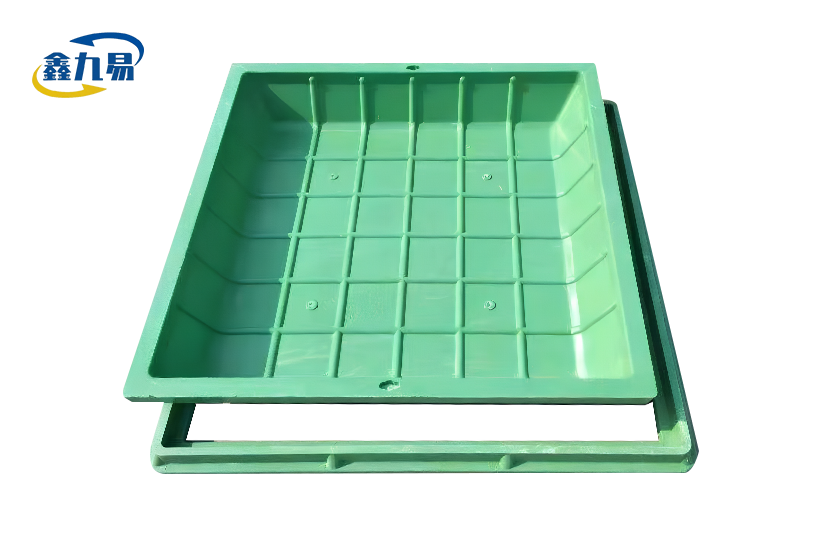
One important distinction between a regular flush cover and a recessed access cover is that the recessed access cover has a tray design which creates a hole that may then be filled in with tiles, granite, marble or resin etc. Consequently the surface seems to merge with the remainder of the floor. Cast iron replacements may rust, discolor the pavers next to them and eventually cause uneven surfaces. Stainless steel doesn’t have these difficulties since it has an oxide layer that does not require any coating to protect it from water, acid and chemicals.
Material Grades and What They Mean for Your Project
Xinjiuyi is a manufacturer of recessed manhole covers in grades 201, 304, 316 and 430 stainless steel. Grade 304 may be utilized for most typical tasks indoors and out. Grade 316 has molybdenum which gives it substantially better resistance to chlorides bearing conditions. This makes it the greatest option for buildings near the shore, for swimming pool decks, and for food processing businesses. 316L stainless steel has a lifespan of years under salt spray circumstances according to ASTM A240, whereas carbon steel fails within months.
Standard Dimensions and Weight Considerations
Standard widths range from 700 mm x 700 mm to 800 mm x 800 mm, and opening depths are 60 mm, 80 mm, 90 mm, and 100 mm. Plates can be as thin as 2 mm or as thick as 8 mm, based on the load class that is needed. These options for sizes have a direct effect on how things are handled and moved around on-site. Plates that are thinner support loads from vehicles without bowing, while plates that are thicker support loads from people walking on them. For projects that don't follow the standard sizes, custom sizes are available for stainless steel recessed manhole cover.

Performance and Load Capacity Explained
EN 124 Load Classes: A15 to D400
The load rating is the single most significant technical detail on any disguised utility cover. Covers are divided according to EN 124 in categories from A15 (pedestrian areas, 1.5 tons) to D400 (public highways and heavy vehicle regions, 40 tonnes). All of these Xinjiuyi covers have been examined and reputable reviews. To put this in perspective, a cover rated at D400 can withstand the wheel load of a fully loaded articulated vehicle. Project owners who pick the incorrect class aren’t playing by the rules and may be held legally and safely accountable.
Stainless Steel vs. Cast Iron vs. Aluminum
-- Stainless steel has a better strength-to-weight ratio, doesn't rust even after being treated on the outside, and keeps its shape over 20 years of use.
- Cast iron offers high compressive strength but corrodes progressively in wet environments, leading to structural degradation within 10–15 years of installation. It also adds significant weight, complicating maintenance access.
- Aluminum is lightweight and corrosion-resistant but lacks the load-bearing capacity needed for D400-rated vehicle traffic. It deforms under sustained heavy loads.
- Stainless steel delivers a superior strength-to-weight ratio, resists corrosion without surface treatment, and maintains dimensional stability across a 20-year service life.
These important differences have direct effects on the total cost of ownership and the safety performance over time. When projects request stainless steel from the start, they don't have to pay for replacement processes that come with cast iron covers in wet or chemically active areas.
Anti-Slip Surfaces and Sealing Performance
It is possible for Xinjiuyi covers to have double-sealing EPDM or silicone seals that keep water and smells out. This is especially important for business systems inside buildings, where sewer gasses must not be able to escape through the ground drains. Anti-slip patterns on the frame's edges meet safety standards for people walking on them. All TIG weld joints must be inspected with a dye penetrant to make sure there are no holes in the seam structure.
Installation Best Practices and Maintenance Tips
Site Preparation and Frame Setting
Make sure that the sub-base concrete meets the minimum compressive strength for the load class before you put the stainless steel recessed manhole cover frame in place. All four sides of the frame must be level within ±2 mm. At this point, the accuracy of the measurements directly affects whether the filler material sits flush with the floor surface around it. Xinjiuyi makes frames with a ±0.5 mm range on dimensions, so any alignment problems during installation are due to the site conditions and not variations in the frames themselves.
Fitting the Cover and Infill Material
When the frame is set and the concrete is hard, use T-bar lifting keys to move the tray unit into place through the socket points built into the frame. You can put the chosen surface material (ceramic tile, natural stone, or resin-bound aggregate) and the right adhesive layer in the tray recess. Choose a recess depth between 60 mm and 100 mm that is the same thickness as the infill material plus the adhesive bed. When levels don't match, they make it easy to trip and don't meet surface-level safety standards.
Routine Inspection and Cleaning
Compared to cast iron, stainless steel needs less upkeep, but it still needs to be inspected every so often. Every six months, use a neutral pH cleanser and a soft brush to clean the outside of the frame that can be seen. Every year, check the gasket seal to see if it has lost its tightness or cracked. Check the threads of the lifting socket for any debris that could get in the way of maintenance work. These easy steps will keep the cover working properly for as long as it's supposed to without any special tools or work.
Procurement Considerations for B2B Buyers
Evaluating Load Requirements and Environmental Conditions
Three things should be confirmed by procurement managers before they send out a purchase order: the load class needed by the standard (EN 124, AASHTO, or local code); the chemical environment at the installation site (standard outdoor, coastal, or chemically aggressive); and the depth of the infill material. The right grade, plate width, and recess level are all based on these three things. The main reason specification mistakes happen in bulk infrastructure procurement is that orders are placed without this confirmation.
Certification, Quality Control, and Supplier Verification
A trustworthy company that sells stainless steel recessed manhole covers should have proof of the material's grade (XRF spectroscopic analysis reports), load bearing test results from EN 124 hydraulic press testing, and records of weld inspections. Xinjiuyi has ISO 9001, ISO 45001, and ISO 14001 standards, and its factory in Cangzhou uses cutting and welding technology for accuracy. These certificates show that environmental controls, worker safety, and quality management are built into the production process and not added on as an addition.
Customization and Scalability for Large Orders
Projects with non-standard sizes, a name that needs to be put on the cover, or special load requirements should work with a maker that can really customize their products. You can choose any shape (square, rectangular, or round), size, plate thickness, surface finish (brushed, polished, or mill finish), and load class from Xinjiuyi. For procurement teams that are in charge of several building projects a year, this means that they only need to deal with one seller for all of their needs. This makes finding easier and lowers the risk of delivery.
Applications and Industry Use Cases
Municipal Roads and Utility Networks
Recessed access covers are used for sewage, rainwater, water supply, electricity, gas, and communication networks in municipal infrastructure projects. The covers have to be able to withstand repeated vehicle loads as well as chemicals on the road surface and changes in temperature throughout the year. D400-rated stainless steel units that have been put down on roads in Southeast Asia and the Middle East have repeatedly shown that they can last longer than 15 years without needing to be replaced.
Commercial Plazas, Hotels, and Retail Spaces
High-end commercial interiors can't stand having a utility cover in the way of the view. With our recessed tray design, marble or granite floors can be kept in place across utility entry points in public squares, hotel lobbies, and shopping areas. The EPDM double seal stops smells from underground drainage systems, which is a must for indoor spaces that customers will be seeing.
High-End Residential and Landscaped Areas
Public parks and high-end housing developments need utility access that fits in with the design of the pavement. The recess can hold natural stone or decorative pavers that go with the design of the rest of the yard. The stainless steel frame can stand up to being outside, irrigation water, and soil contact without damaging the surface or staining nearby materials.
Conclusion
Price isn't the only thing that matters when choosing a stainless steel recessed manhole cover. Material grade, load class, recess depth, and provider capabilities are also important. Stainless steel is better than cast iron and metal at resisting rust, lasting longer, and looking good. The EN 124 load grades, which range from A15 to D400, cover all kinds of installations, from paths for people to roads for big vehicles. All of these factors have been tested and shown to work well with Xinjiuyi. The company is ISO-certified and offers full customization. In the long run, making the right specification during the procurement stage saves money on replacements and avoids compliance failures.
FAQ
What load class do I need for a public road installation?
According to EN 124, public roads that carry heavy vehicles must have a minimum D400 rating, which means they can hold 40 tons of weight. An A15 or B125 rating is enough for areas where people can only walk. Always check the area standard that applies before stating.
What is the difference between Grade 304 and Grade 316 stainless steel for manhole covers?
Grade 304 is good for most normal indoor and outdoor settings. Grade 316 has molybdenum in it, which makes it much more resistant to pitting corrosion caused by chloride. It is the best choice for jobs near the coast, swimming pools, and other places where chemicals might be present.
How deep should the recess be?
Choose a recess depth that is the same as the thickness of your infill material plus the thickness of the adhesive layer. You can choose from 60 mm, 80 mm, 90 mm, and 100 mm sizes. A mismatch makes a lip on the surface that doesn't meet safety standards for not tripping.
How are covers removed once the tray is filled?
There are dedicated T-bar key sockets in every unit. Put the T-bar raising key into the slot and push up on it. As long as the tray was set properly during installation, the cover can be lifted easily without disturbing the filling around it.
How long do stainless steel recessed covers last compared to cast iron?
In wet places, cast iron covers usually need to be replaced every 10 to 15 years because they rust over time. Under standard working conditions, Xinjiuyi's stainless steel covers are designed to last up to 20 years.
Request a Quote from Xinjiuyi — Your Trusted Stainless Steel Recessed Manhole Cover Manufacturer
Its factories are ISO-certified, and they can make any order with ±0.5 mm accuracy in measurements and full grade customization, whether it's for a single project or a large order. As a dedicated mak
er of stainless steel recessed manhole covers, we help procurement teams with technical paperwork, making custom covers, and making sure they get them on time. Get in touch with our team right away to talk about the needs of your project. You can ask for a price by emailing global@xjy8.com.
References
1. British Standards Institution. BS EN 124-1:2015 — Gully Tops and Manhole Tops for Vehicular and Pedestrian Areas. BSI Standards, 2015.
2. ASTM International. ASTM A240/A240M — Standard Specification for Chromium and Chromium-Nickel Stainless Steel Plate, Sheet, and Strip for Pressure Vessels and General Applications. ASTM International, 2022.
3. American Association of State Highway and Transportation Officials. AASHTO Standard Specifications for Highway Bridges. AASHTO, 2020.
4. International Organization for Standardization. ISO 9001:2015 — Quality Management Systems: Requirements. ISO, 2015.
5. Euro Inox (European Stainless Steel Development Association). Stainless Steel: The Role of Nickel — Properties and Applications. Euro Inox, 2019.
6. Nickel Institute. Guidelines for the Selection of Stainless Steel for Construction and Infrastructure Applications. Nickel Institute, 2021.