Rebar Processing Shed vs. Open-Air Rebar Processing: What Are the Differences?
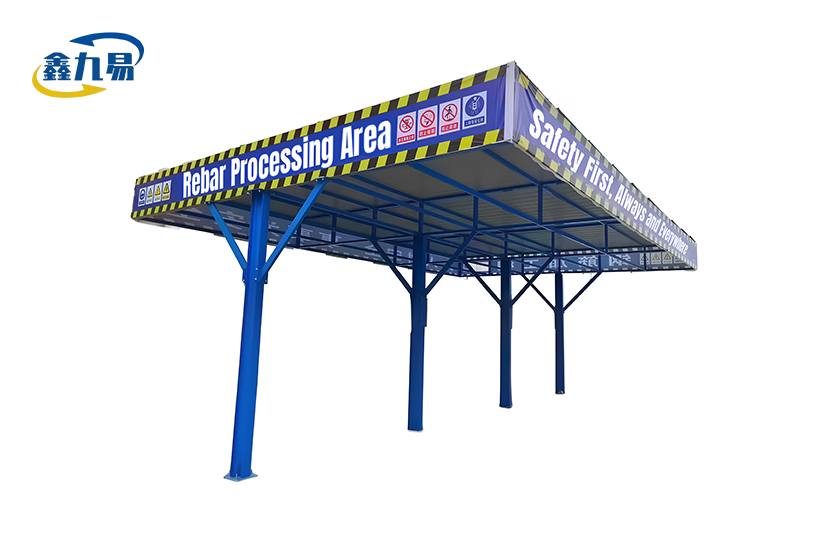
When comparing a rebar processing shed to open-air rebar processing, the core difference lies in environmental control and operational protection. A rebar processing shed is a purpose-built steel structure that centralizes cutting, bending, and welding of steel bars within a sheltered, compliant zone. Open-air setups lack this enclosure, exposing workers, equipment, and materials to weather, falling objects, and regulatory gaps. For construction teams managing scale, safety, and quality simultaneously, understanding this distinction directly shapes procurement decisions and long-term site performance.
Understanding Rebar Processing Environments
Your business will be affected in every way by whether you choose an open-air or covered shed. This includes how safe your workers are, how good your materials are, and how well you can follow the rules. In terms of how steel bars should be made on the job site, this is not the same as the other one.
What Defines an Enclosed Steel Bar Fabrication Zone?
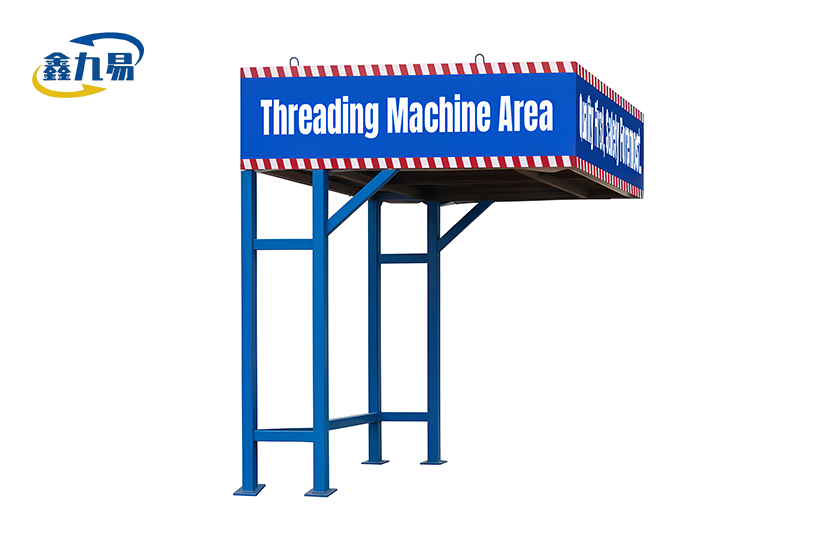
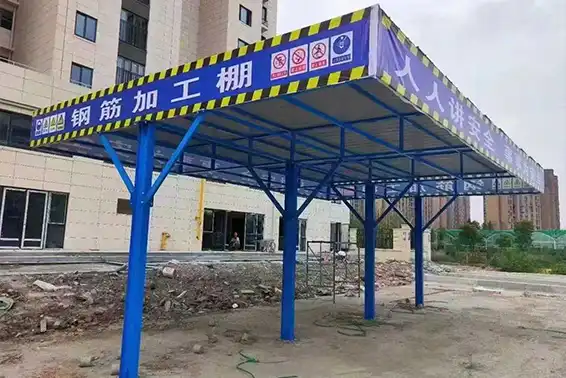
A rebar processing shed is a portable, pre-built building that is used to store tools that are used to bend, cut, and join steel bars. I-beam steel columns made of 18# are used in Xinjiuyi's shed models, as are frames made of Q235B/Q345B grade steel and roofs with two layers: protective mesh and waterproof boards. Other people can't hurt the machines or the people who work there because the work area is in charge.
What Open-Air Rebar Processing Looks Like?
When you set up outside, there isn't a clear building line or a steady cover above you. Since the tools are on the ground or on moveable stages, they can get hit by the sun, rain, dust, and people coming from other work areas. Setting this up doesn't cost much, but it slows things down and makes problems worse over time.
Why the Environment Matters for Compliance?
Risk control must be kept track of in places where things are made, according to international rules such as ISO 45001 and OSHA 29 CFR 1926. The shed is better than a setting outside for these reasons, both in terms of how it looks and how it works. This makes it easier and faster for the government to check things.
Comparative Analysis: Processing Shed vs. Open-Air Setup
If you want to choose between these two rebar processing shed environments, you should look at real operational data, not just your first thoughts. Three things make a big difference: how well the work is done, how well the supplies are kept, and how well the tools are kept in good shape.
Operational Efficiency and Throughput
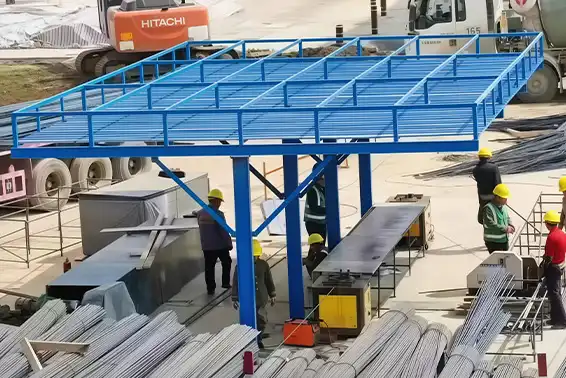
In a safe, well-organized shed, an automatic stirrup bender, a rebar cutter, and a making machine can all work at the same time. So, things and people don't have to be moved around as much. When putting up things outside, people often move things or tools around if the weather is bad or if construction work is going on nearby.
Material Quality and Rebar Integrity
If you don't keep rebar safe, it is known to rust on the outside. One study in the journal Construction and Building Materials says that steel that is near the coast or in places with a lot of humidity will rust within days of being exposed to chloride. The bond between the rebar and concrete gets weaker because of this. A protected manufacturing zone has a lot less of this risk. It also makes sure that the materials stay in good shape before they are put in place.
Equipment Maintenance Frequency
Look closely at this direct comparison:- Things that are kept in a shed are safe. The electric parts in CNC rebar benders and automatic welding lines are less likely to get wet. This makes them last longer and need less work when they break.Things that are left outside get sun, rain, and dust every day. When bending machines are used outside, they need less maintenance, and electrical problems in high-voltage systems happen more often.
Enclosed shed equipment operates under consistent conditions. Electrical components in CNC rebar benders and automated welding lines face reduced moisture exposure, translating to fewer service interruptions and longer component life cycles.
Open-air equipment faces daily UV radiation, rain infiltration, and dust accumulation. Maintenance intervals for outdoor-deployed bending machines are typically shorter, and electrical failures in high-voltage systems are more common.
Since these differences show up in costs over 12 to 24 months, the shed choice is better for bigger businesses.
Financial and Procurement Considerations
A lot of people first compare how much two options cost before they decide what to buy. There's something wrong with the buy order. To fully understand the money, you need to look at more than that.
Upfront Investment vs. Long-Term Operational Cost
A rebar processing shed that is already built costs more than one that is put together outside. There are bolts that hold Xinjiuyi together, so it can be changed between 3 and 5 project steps without hurting the structure. The cost of acquisition goes down a lot when it is split between several projects.
Supplier Evaluation and Lead Time Planning
When you buy a steel manufacturing cover from a company, how well it works for you depends on the following:
Fabrication lead time: Standard 12 m × 18 m configurations from Xinjiuyi complete factory production within 7 days, with on-site assembly adding 3 to 5 days depending on foundation readiness.
Customization capability: Dimension flexibility, crane-load column options (supporting 3 to 10-ton gantry systems), and C4/C5-M anti-corrosion coating for coastal environments are available.
After-sales support: Technical installation guidance, torque verification for high-strength bolts, and grounding system testing are included in Xinjiuyi's delivery process.
It checks the grounding system, helps with technical installation, and checks the torque of high-strength bolts as part of the delivery process. This is called "after-sales support."
Performance and Future-Ready Features
Modern enclosed fabrication structures go beyond simple weather protection. They actively support the kind of automated, high-throughput processing that large infrastructure projects demand.
Integration with Automated Processing Equipment
Automated rebar bending centers and CNC cutting machines require stable operating conditions—consistent temperature ranges, dust control, and vibration isolation. Xinjiuyi's sheds are designed with independent foundation footings for heavy machinery, isolating vibration from the main frame and maintaining precision cutting tolerances that open-air setups cannot guarantee.
Structural Durability in Demanding Climates
The surface treatment system on Xinjiuyi's sheds—hot-dip galvanizing combined with electrostatic powder coating—delivers a minimum coating thickness of 60 to 80 μm. This rating meets protection requirements for high-humidity, tropical, and coastal environments. For projects in the Middle East, Southeast Asia, or coastal Africa, this specification is not optional; it is a procurement requirement.
Safety Marking and Civilized Construction Standards
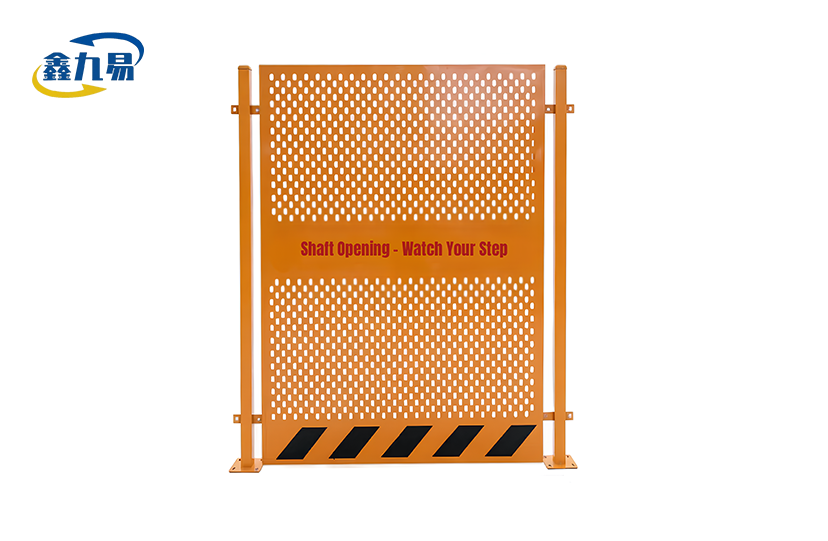
Each shed includes dual-color safety kick plates (red/white or yellow/black), standardized warning signage, and reflective strips for low-light visibility. These features align with civilized construction site standards and reduce inspection friction on government-monitored projects.
Making the Right Choice for Your Business
In the end, the project, the amount of work, and the conditions of the spot will determine whether you should use an open-air setup or a separate rebar processing shed.
Assessing Project Scale and Duration
A shed with walls is better for jobs that last longer than six months or for places that work with more than fifty tons of steel bar every month. It's worth more to have a safe workplace, tools that don't break down as often, and be ready for compliance than it costs to set up. There are still people who choose to work outside in low-traffic, short-term places, but the quality and safety aren't as good for them.
Scalability Across Multiple Projects
This type of shed works best for general contractors and building companies that have a lot of work to do at once. This quarter, you can build a bridge out of just one shed. It can be used for a project next quarter to build the foundations for a tall building. This model can only be used again if the parts are bolted together and can be moved around. Putting things up outside for a short time won't work.
Aligning with HSE and Procurement Requirements
The shed is a safety tool that project managers and HSE staff can keep an eye on. It meets the standards set by OSHA, EN, and ISO 45001, which makes it safer and less likely that you will be sued. This is very important for projects that need money from the government and other countries.
Conclusion
Work in a rebar processing shed is very different from work on steel bars outside. It's safer under the cover, the materials are better, the gear lasts longer, and more people follow the rules. To be on the safe side, contractors who are in charge of scale should always use the enclosed shed model. This low-cost plan can be used for more than one project, and the benefits of following the rules make it less likely that all of your projects will be checked out. The shed is better if you are in charge of construction sites where having good safety records and being on time are important.
FAQ
Can the shed dimensions be customized for my equipment footprint?
Yes. Xinjiuyi produces sheds with lengths from 6,000 mm to 9,000 mm and widths from 4,000 mm to 6,000 mm as standard. Custom dimensions beyond these ranges are available based on your machinery layout requirements.
How does the shed perform in high-humidity or coastal environments?
For coastal and high-salinity sites, Xinjiuyi applies C4 or C5-M category anti-corrosion coating systems. These heavy-duty treatments are specifically rated to resist salt-spray degradation over extended service periods.
Is the structure relocatable between project phases?
The bolt-connected modular design supports 3 to 5 relocation cycles without structural fatigue, provided disassembly follows the manufacturer's technical guidelines.
What is the realistic lead time from order to on-site readiness?
Factory fabrication for a standard configuration takes approximately 7 days. On-site assembly adds 3 to 5 days, depending on foundation preparation status.
What grounding and electrical safety provisions are included?
Each shed includes an integrated lightning protection system. Xinjiuyi's installation team tests grounding resistance to confirm it remains below 4 ohms, protecting workers during electrical storms.
Partner with Xinjiuyi for Your Rebar Processing Shed Needs
The rebar working sheds for sale in Xinjiuyi are made for builders who don't have time to fix things or make sure they are safe. This is our factory in Xian County, Cangzhou, Hebei. It is ISO 9001 certified. Our sheds are fully customizable to fit the needs of your site and have frames made of Q235B/Q345B grade steel. The outside is hot-dip galvanized. For a price and expert help that is made just for your project, get in touch with our team. To find out more, email us at global@xjy8.com or go to xjy8.com.
References
1. Construction and Building Materials — Corrosion of Steel Reinforcement in Concrete: Causes and Consequences (2019)
2. Journal of Construction Engineering and Management — Safety Climate and Construction Site Accident Rates (2020)
3. OSHA Technical Manual — Steel Erection and Fabrication Safety Standards, U.S. Department of Labor (2021)
4. International Journal of Occupational Safety and Ergonomics — Hazard Control in Industrial Fabrication Zones (2018)
5. ISO 45001:2018 — Occupational Health and Safety Management Systems: Requirements with Guidance for Use, International Organization for Standardization (2018)
6. Engineering Structures — Structural Performance of Prefabricated Modular Steel Frames Under Load Cycling (2022)