How to Choose the Right Construction Site Wheel Wash System for Your Project
To pick the best construction site wheel wash system, you must first know what your site needs, including the number of vehicles that will be using it, the space you have available, any environmental rules in the area, and your budget. A well-matched system keeps mud off of public roads, makes sure your job follows EPA track-out rules, and lowers the risk of getting fined. Choosing the right wheel wash platform is important for protecting your schedule and your image whether you are in charge of a city construction project, a concrete plant, or a high-volume earthwork site.
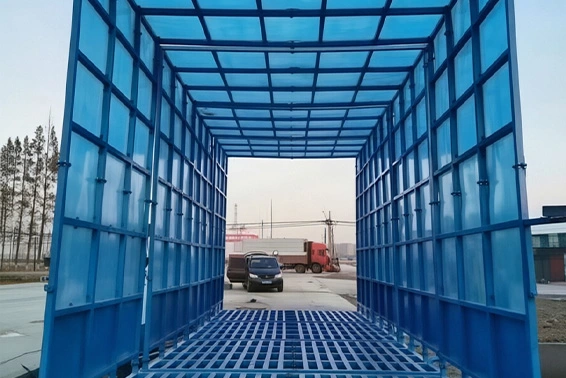
Understanding Construction Site Wheel Wash Systems
Learn what these systems do and why they're important on busy job sites before you start to compare them.
What the System Does?
A wheel wash system cleans the tires and the undercarriage of trucks before they leave a construction site. With heavy water jets, clay, gravel, and other trash are quickly cleaned up where they come from, instead of on public roads.
System Types Available
Setting up is done in three main ways: fully automatically, partially automatically, and by hand. Automatic washing systems have photoelectric sensors that can tell when another car is coming up behind them. They can then start the washing cycle without anyone being there. You have to start a semi-automatic machine by hand, but it sprays things automatically. You have to do everything by hand when you use a manual method.
Why Automation Matters?
With fully automated drive-throughs, it only takes 0 to 60 seconds to wash your car. The U.S. Environmental Protection Agency (EPA) says that unchecked track-out is one of the main causes of sediment pollution from building sites. The construction site wheel wash system takes care of this risk right away. It's an automatic system that keeps exit traffic moving without any stops.
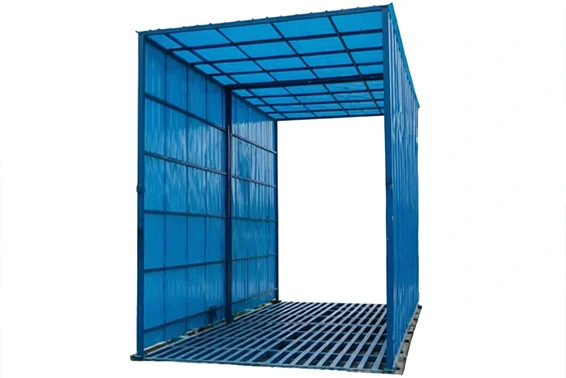
Key Criteria to Consider When Choosing a Wheel Wash System
You need to look at more than just the price to make the right choice. These are the main things that project managers and procurement teams who have done this before think about.
Site Size and Platform Dimensions
Each spot has a different way to get in. Each wheel wash platform is a different length. For cities, small models with a footprint of 2,300 mm work well. In places with a lot of traffic, bigger cars can fit in 4,000 mm units. You should always measure the area around your gate before you buy anything.
Vehicle Load Capacity
Big trucks on your site can weigh anywhere from 15 to 40 tonnes when they are fully loaded. That axle load must not be too much for the platform frame to handle. Systems made of channel steel that has been thickened and strengthened rectangular tubes keep their shape even after many big cars pass through them. It is dangerous and lowers the quality of the wash if the frame bends when it is full.
Water Recycling Efficiency
Water costs a lot when you're working on a big project. Up to 95% of the water used in a cycle can be reused in systems that have built-in sedimentation tanks and closed-loop drainage. In other words, all you need to do is add water for evaporation and vehicle carry-out. Over the course of a job, this will cut your utility bills by a lot.
Regulatory Compliance
In many U.S. cities and towns, it is now the rule that building site exits have to have wheel wash equipment. Before you buy a construction site wheel wash system, make sure that it meets the standards for controlling dust and managing stormwater. This will keep you from having to pay a lot of money for repairs that don't work.
Comparing Construction Wheel Wash Systems: Features and Performance
Once you know what your site needs, it's much easier to compare different ways. On the market, there are many options. Each one has pros and cons that you should think about.
Cleaning Efficiency and Cycle Time
How clean the tires are after one use is the best way to tell how well something works. Heavy clay and small particles are both washed away by high-pressure pumps that send 1,500 to 3,000 litres per minute through a grid of many nozzles. High-frequency sites don't get backed up at the gate every 0 to 60 seconds.
Structural Durability
High-quality materials make the difference between tools that last years and tools that break down in months. Heavy-duty steel systems that have been properly coated to keep them from rusting don't rust or break down chemically in places that are dirty or wet. In places like concrete plants and aggregate yards, where trucks carry rough materials all day, this is very important.
Total Cost of Ownership
It's not just the price you pay up front that counts. When you buy tools from a company with a good customer service team, you can avoid downtime and extra repair costs. The investment lasts longer because it can be used on more than one job. Parts can be moved from one part of a project to the next.
These performance factors help procurement teams choose the construction site wheel wash system that will really get the job done every day because they work together.
Installation and Maintenance Insights for Optimal Operation
Even the best tools don't work very well if they aren't set up correctly and kept up to date. These tips are helpful for project leaders who need to make plans.
Site Preparation Requirements
For most methods, you need a floor that is flat and well-packed. Sometimes, concrete steps that keep the platform in place and let water drain better are useful. When the ground isn't ready for work or the job needs to be done quickly, surface-mounted designs are helpful because they don't need to be dug up. Because Xinjiuyi is made up of modules, units can be set up and running in just two hours. This means that your building plan will be less affected.
Routine Maintenance Tasks
Regular maintenance keeps the quality of the wash consistent and stops problems from happening out of the blue. Important jobs are:
- Nozzle inspection and cleaning: Blocked nozzles create uneven spray coverage and leave "blind spots" on tire treads. Check weekly under heavy use.
- Pump and filter checks: The circulation pump and inlet filter handle high sediment loads. Monthly inspection catches wear before it becomes failure.
- Anti-corrosion surface monitoring: Inspect the platform frame quarterly for coating damage, especially after winter exposure, to prevent rust propagation.
Keeping up with these jobs will help your tools last longer and keep the wash performance your site needs for daily compliance.
After-Sales Support
Before you buy, make sure that the company can give you after-sales service and extra parts. When repairs are needed, there is little downtime because new pumps, nozzle sets, and motor parts can be found quickly. Long shutdowns that stop work at the site are less likely to happen if the supplier has tried-and-true after-sales services.
How to Make the Final Decision: Matching Your Needs with the Right Solution?
You have now looked at your site, thought about how it should work, and contrasted various system choices. The last step is to link all of that information to a certain product and source.
It's fine to use an easy way to mark this. Write down the things that are most important to you, such as the size of the load, the speed of the wash, the amount of water that is recycled, the time it takes to install, and the compliance certification. Then, rate each system option based on those factors. There is no longer any doubt about your choice because you have a written reason for it.
Making changes is also easier if you have a lot of freedom. Suppliers who can change platform sizes and motor setups quickly are helpful for places with doors that aren't the standard width or where traffic flows in strange ways. The Xinjiuyi can be as long as 2,300 mm or as long as 4,000 mm. The lengths and motor sets can be changed to suit the needs of each project.
When procurement teams pick a supplier with ISO 9001 certification and a history of completed installations, they know that the equipment and the company that makes it will work well during the contract period.
Conclusion
The best way to choose a construction site wheel wash system is to make sure that it can handle the number of vehicles, frequency of traffic, limited space, and compliance requirements of your site. For heavy-vehicle sites, put structural strength first. For cost control, put water recycling efficiency first. For labour savings, put automation first. Before you buy, make sure it meets regulatory requirements, and plan for ongoing upkeep from the start. A good platform will pay for itself in avoided fines, lower water bills, and project plans that don't get pushed back.
FAQ
How often should you fix a wheel wash system?
Nozzles and filters should be checked once a week when they are used a lot. Every month, you should check the electrical parts and pumps. Every three months, a full system inspection finds corrosion and wear before they become problems. Regular repair plans keep the performance of the wash at the level needed for environmental checks.
Can these systems cut the amount of water used on-site by a large amount?
Yes, systems with closed-loop silt tanks can reuse up to 95% of the water they use. The U.S. Environmental Protection Agency (EPA) says that reusing water is one of the best ways to handle stormwater on construction sites. In other words, a spot that has dozens of truck exits every day would only need a small amount of water if they were to hose them down by hand.
What's the difference between systems that are automatic and systems that are semi-automatic?
Automatic systems use photoelectric sensors to start wash cycles without any help from a person. This works well at exits with a lot of traffic where having a gate attendant on duty would not be practical. Each run on a semi-automatic unit still needs to be started by a worker. For most busy construction sites, full automation cuts down on labour costs and gets rid of the chance that a person will make a mistake and leave the site with a dirty vehicle.
Ready to Upgrade Your Construction Site Wheel Wash System? Contact Xinjiuyi Today!
Looking for a reliable construction site wheel wash system that keeps your project compliant, reduces water consumption, and maintains smooth vehicle flow? Flexible wheel wash solutions from Xinjiuyi include modular designs, customisable platform size, and motor combinations to meet site needs. Our technologies can be installed in two hours, minimising construction delays and boosting on-site efficiency. Whether you run a municipal project, concrete plant, or high-traffic earthwork site, Xinjiuyi can assist you manage truck loads, space, and cleanliness. Mud, water prices, and unplanned downtime shouldn't hold you down. Your platform dimensions, daily truck volume, and preferred automation level? Discuss your needs with our staff for customised advice and a competitive estimate. Email global@xjy8.com or visit xjy8.com to get started today!
References
1. U.S. Environmental Protection Agency (EPA). Construction General Permit and Stormwater Pollution Prevention Plan Guidance. EPA, 2022.
2. U.S. Environmental Protection Agency (EPA). Developing Your Stormwater Pollution Prevention Plan: A Guide for Construction Sites. EPA, 2007.
3. Construction Industry Institute (CII). Best Practices for Environmental Compliance on Construction Sites. CII, 2019.
4. International Organization for Standardization. ISO 9001:2015 Quality Management Systems — Requirements. ISO, 2015.
5. National Ready Mixed Concrete Association (NRMCA). Environmental Compliance Guidance for Concrete Plants. NRMCA, 2020.
6. Associated General Contractors of America (AGC). Managing Construction Site Runoff: Practical Guide for Contractors. AGC, 2018.