Cast Iron, Composite, and Stainless Steel Manhole Covers: Which One Is Better?
When procurement engineers evaluate manhole cover materials, the answer depends on application environment, load requirements, and total lifecycle cost. For municipal roads, commercial plazas, and industrial sites, a stainless steel manhole cover consistently outperforms the alternatives in corrosion resistance, longevity, and hygiene compliance. Cast iron handles heavy loads well but degrades in corrosive conditions. Composite covers work for lightweight applications but lack the structural depth for high-traffic zones. This guide breaks down all three materials so you can make a confident, specification-driven decision.
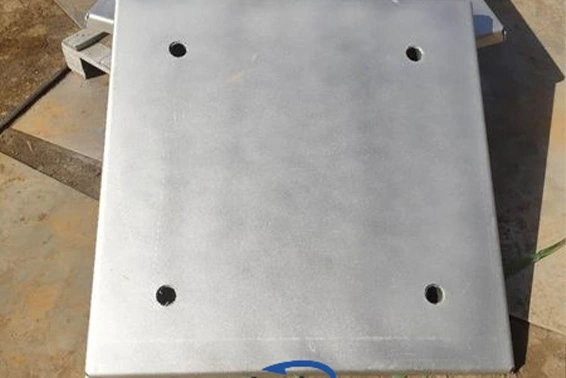
Understanding Manhole Cover Materials: Cast Iron, Composite, and Stainless Steel
There are different engineering properties of each material that have a direct effect on how well it works over time. If you don't pick the right one for your job, it could fail early, cost more than you planned to repair, or fail inspections.
Cast Iron: Proven But Heavy
For more than one hundred years, utility entry caps have always been made of cast iron. Because it has a high compression strength, it can be used in D400-rated areas with a lot of traffic. However, it slowly corrodes in wet or chemically active soils, and its heavy weight—often more than 50 kg per unit—makes it hard for maintenance crews to move. There is also a known risk of theft, since these plates are made of metal and are valuable as scrap.
Composite: Lightweight and Non-Conductive
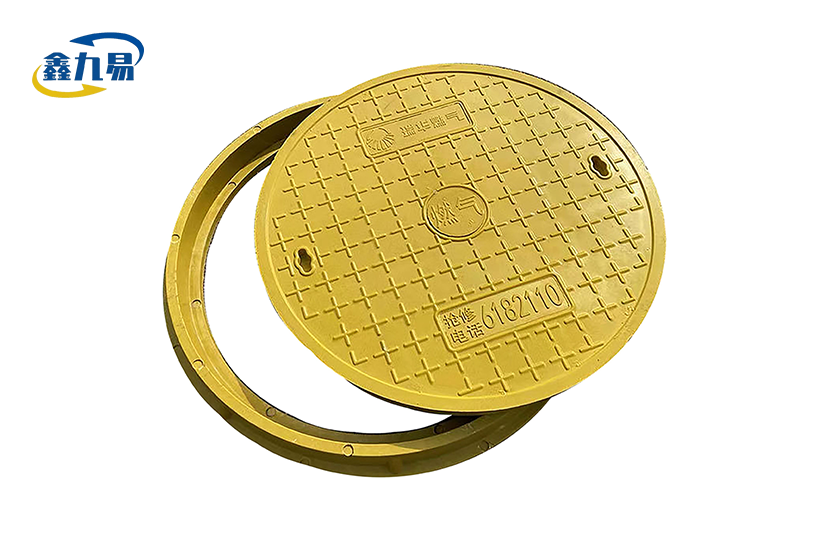
Composite covers are made of fiberglass, polyester glue, and aggregate fillers that are formed together. They don't rust and have no value as scrap, so theft is less likely to happen. Usually, they weigh 60–70% less than cast iron versions of the same thing. The problem is with the structure: most composite covers are rated for A15 to B125 load classes under EN 124, which means they aren't as good for uses that need to support vehicles. They also break down over time when exposed to UV light if they are not made properly.
Stainless Steel: Strength Meets Corrosion Resistance
Access covers made of stainless steel manhole cover, usually in Grade 304 or Grade 316, have a tensile strength of up to 515 MPa and a passive chromium oxide layer that doesn't need any coating to keep it from oxidizing. Grade 304 can be used for most things in cities and towns. Grade 316 adds molybdenum to the alloy, which protects it in places like coastal areas, chemical plants, and wastewater treatment plants where chloride levels make pitting more likely. For projects that need to hold a lot of weight and keep their surface in good shape over time, stainless steel is the best choice.
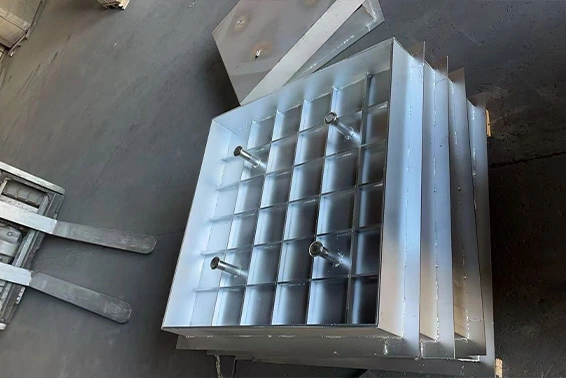
Comparing the Key Properties: Benefits and Drawbacks
Seeing how these three materials compare helps people who are in charge of buying things figure out where each one goes and where it falls short.
Durability and Load Capacity
Cast iron works well under heavy loads, but it rusts if the surface isn't treated, especially in places where water drains away. Composite covers can handle light loads and don't react badly to chemicals, but they're not meant to handle heavy car traffic. Covers made of stainless steel that meet EN 124 D400 standards can hold up to 40 tons of weight when reinforced on the inside. This means they can be used in industrial parks, pedestrian plazas, and parking lots all at the same time.
Corrosion and Long-Term Maintenance
In corrosive settings, cast iron needs to be inspected and coated on a regular basis to protect it. This raises the cost of upkeep over its lifetime. Composite covers can stand up to most poisons, but the surface can crack over time. The passive layer of stainless steel is self-renewing, so small scratches on the surface don't damage the barrier. ASTM A240 material standards confirm that this material can heal itself. This means that maintenance is mostly just visual checks and basic cleaning—no painting or rust treatment is needed.
Weight and Installation Practicality
This is where composite covers really shine over cast iron ones. Stainless steel covers are in the middle. Cast iron covers with the same load limit weigh a lot more than stainless steel covers. This means that installation teams don't have to work as hard and the work gets done faster. With integral molding, there are no weak spots in the structure, and normal repair tools can safely remove the parts with threaded T-bar lifting points. These design traits are most important in places where inspections happen often, like repair corridors for pipelines.
Application Scenarios: Matching Materials to Use Cases
When choosing materials, you should always look at how they will work with the job and not just how much they cost.
Municipal Roads and Pipeline Access
Cast iron is still often used for heavy-duty road applications, but it is slowly being replaced in places where corrosion or weight are issues. Stainless steel manhole cover access covers on city streets and pipeline inspection points keep their good looks and structural integrity even after years of being used by people and the weather. Their ability to resist corrosion makes them very useful in drainage systems where there is always water in the ground.
Commercial, High-End, and Industrial Settings
Access covers that match the floor finishes around them are needed in commercial plazas and high-end home projects. Stainless steel units with brushed or mirror finishes or non-slip patterns look great with stone and tile floors without taking away from the look. Tile or paving can be put inside the cover tray with recessed infill patterns. This makes utility entry almost unnoticeable from the ground level. The material is resistant to car fluids and de-icing salts, which is good for industrial parks and parking lots.
Wastewater, Chemical, and Civil Defense Applications
Because it contains molybdenum, Grade 316 stainless steel is often used in chemical processing plants and wastewater treatment plants. Covers that stay structurally sound for decades with little maintenance are needed for civil defense project entrances and equipment foundation pit protection openings. Stainless steel is also used in places like public transportation hubs and college campuses because it is durable and has a low lifetime cost.
Procurement Considerations for B2B Clients
As important as unit price is for procurement managers who handle multiple project cycles and large orders, they also need to make sure that the seller is qualified and that the materials are correct.
Certification and Material Verification
EN 124 load class certification is a basic requirement for all business and municipal specifications. In addition, verified mill certificates that confirm the chemical composition of Grade 304 or 316 alloys stop the risk of lower-grade alloys being misrepresented, which is known to happen when buying in bulk. Before accepting a seller for large orders, ask for material test results and records of dimensional inspections.
Total Cost of Ownership
Access covers made of stainless steel cost more to buy at first than those made of cast iron or composite materials. However, the lower frequency of replacements, lack of coating upkeep, and lower labor costs for installation lead to a positive total cost of ownership over the course of a project's 20-year lifecycle. This predictability is helpful for infrastructure managers whose budgets change every year.
Customization and Delivery for Bulk Orders
Reliable stainless steel manhole cover manufacturers offer sizes ranging from 600 mm to 1200 mm, plate thicknesses ranging from 2 mm to 8 mm, and surface finishes such as brushed, mirror, and anti-slip patterns. Custom logo pressing and sizes that aren't standard are available for high-end developments. When buying in bulk, make sure that the supplier can deliver large orders within 15 to 30 days and that the export packaging keeps the goods from rusting during transit for international deliveries.
Installation and Maintenance Best Practices for Stainless Steel Manhole Covers
Installation Steps That Prevent Common Failures
Making sure that the frame hole dimensions match the cover's specs is the first step in installing it correctly. The cover should be level with the area around it; any change in height makes it easier to trip and speeds up edge wear. For all setting and adjustment tasks, use the built-in T-bar lifting points. Before letting people in, make sure the locking bolts are properly engaged.
Routine Inspection Protocol
Covers should be checked every six months in areas with a lot of traffic and once a year in areas with less traffic. Check for deep scratches on the surface that could damage the inactive layer, frame settlement that could cause the cover to rock, and the state of any EPDM or NBR seals on odor-tight versions. Finding frame movement early on stops the rattling and sinking complaints that make people unhappy with municipal projects.
Cleaning and Long-Term Care
Covers made of stainless steel don't need any special cleaning tools. Washing with fresh water gets rid of surface dirt and restores the look. If you work with food or drugs and are exposed to CIP chemicals, make sure that the cleaning products you use are safe for the steel grade you've chosen. There are no painting cycles, rust converters, or yearly funds for coatings, so upkeep is easy and costs are always known.
Conclusion
In access cover uses, cast iron, alloy, and stainless steel are all good choices. Cast iron works well for heavy-duty road structures where looks are not important. Composite covers can be used in places with a lot of foot traffic or few heavy loads. Stainless steel manhole cover access covers are the best choice for projects that need to last a long time, require little upkeep, meet EN 124 standards, and work in both public and private business settings. The higher cost up front gives measurable value over the course of the whole project lifecycle. This makes it the best choice for procurement workers who handle infrastructure over a number of years.
FAQ
How long does a stainless steel manhole cover last compared to cast iron?
A properly specified stainless steel access cover has been shown to last more than 50 years in normal environments. Cast iron covers, on the other hand, only last 20 to 30 years before they start to rust on the outside. The passive chromium oxide layer keeps growing back, protecting the structure for a long time without any outside work.
Can stainless steel covers handle heavy vehicle traffic?
Yes. Stainless steel covers can hold up to 40 tons of wheel loads when they are built and tested to EN 124 D400 standards and have internal strengthening. With plate thicknesses ranging from 2 mm to 8 mm and integral molding, load rates can be set for a wide range of uses, from public plazas to heavy-duty roads.
What grade of stainless steel should I specify for coastal or chemical environments?
Grade 316 is the right standard for places with a lot of salt or chemicals that are very harsh. Its molybdenum content stops pitting corrosion, which Grade 304 can't do well in conditions of long-term acidic or salty exposure.
Can covers be manufactured to non-standard dimensions?
Yes, project drawings can be used to get custom lengths, widths, heights, and plate thicknesses. Architectural or branding needs can also be met with logo pressing and a variety of surface techniques, such as brushed and mirror choices.
What documentation should I request before approving a bulk order?
Ask for EN 124 load class certification, original mill certificates that say what kind of steel it is, dimensional inspection reports, and records of how well the welds were made. These papers back checking the project and accepting the review.
Get Your Custom Stainless Steel Manhole Cover Quote from Xinjiuyi
Xinjiuyi makes high-quality manhole covers out of stainless steel in Grades 201, 304, and 316. The sizes range from 600 mm to 1200 mm, and they are fully certified by EN 124. As a skilled producer of stainless steel manhole covers in Cangzhou, Hebei, we can help with bulk purchases, special orders, and on-time delivery. Email our team at global@xjy8.com to get a product catalog, sample, or quote that is tailored to your project.
References
1. British Standards Institution. BS EN 124: Gully Tops and Manhole Tops for Vehicular and Pedestrian Areas — Design Requirements, Type Testing, Marking, Quality Control. BSI Standards, 2015.
2. ASTM International. ASTM A240/A240M: Standard Specification for Chromium and Chromium-Nickel Stainless Steel Plate, Sheet, and Strip for Pressure Vessels and General Applications. ASTM International, 2022.
3. Outokumpu Stainless. Corrosion Handbook: Stainless Steels in Infrastructure Applications. Outokumpu Group, 2020.
4. American Society of Civil Engineers. Infrastructure Report Card: Wastewater and Stormwater Systems. ASCE Publications, 2021.
5. International Molybdenum Association. Stainless Steel in Aggressive Environments: The Role of Molybdenum. IMOA, 2019.
6. Highways England / National Highways. Design Manual for Roads and Bridges: Drainage and Service Ducts — Manhole Cover Specifications. UK Department for Transport, 2018.