How Does a Construction Site Wheel Wash System Work?
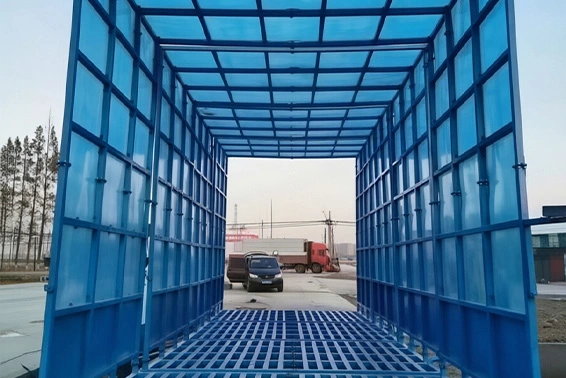
A construction site wheel wash system works by detecting a truck as it rolls onto a reinforced platform. It sprays the tires, wheels, and undercarriage with high-pressure water, then collects the dirty runoff in a settling tank. The tank separates mud from water, and a pump sends the clarified water back to the nozzles for the next truck. This process keeps mud off public roads, cuts dust at the source, and lowers water use. In this guide, I explain each step, the main parts, the specifications worth checking, and how we build our system at Xinjiuyi.
Understanding Wheel Wash Systems and How They Operate
Why Construction Sites Need a Wheel Wash System
When trucks leave a work zone, they leave mud, dirt, gravel, and asphalt on the road. That stuff makes the roads and air dirty, which makes people in the neighborhood angry. In the US, people who run businesses must also follow rules about dust and rain. The EPA Construction General Permit says that workers shouldn't take too much sediment away from the site. The EPA's AP-42 rules on paved-road dust say that track-out adds more silt to the road surface, which is linked to emissions.
Pressure washing and sweeping the streets by hand takes a long time, and it's not always done right. Trucks move more slowly too. A construction site wheel wash system is a better way to keep things under control on construction sites. Before cars leave, it cleans the bottom, tires, wheels, axles, and tires. You can put systems in one place or move them around. The systems can be open-loop or recycle, and they can be made to fit small cars or big trucks.
How a Construction Site Wheel Wash System Works Step by Step
There are six steps in the loop. The truck moves slowly and steadily onto the stronger platform to start. Second, either a person or a monitor starts the wash. Photoelectric induction helps our unit find the car and start the loop even when no one is in charge. Third, water is pumped at the treads, sides, axles, and lower body parts of the tires through a number of tubes by a high-pressure pump.
Paths take dirty water to a tank where it can settle in the fourth part. Fifth, the solids that are too heavy fall to the bottom. The clear water either goes back to the pump to be used again, or it leaves the area if the rules allow it. Sixth, there is a lot less mud when the truck rolls off the platform.
You can tell how constant it is by how well the drainage is set up, how fast you drive, and how often you check it. If trucks cross too quickly or not in the middle, they will leave dirty spots.
Main Components of an Automatic Truck Wheel Wash System
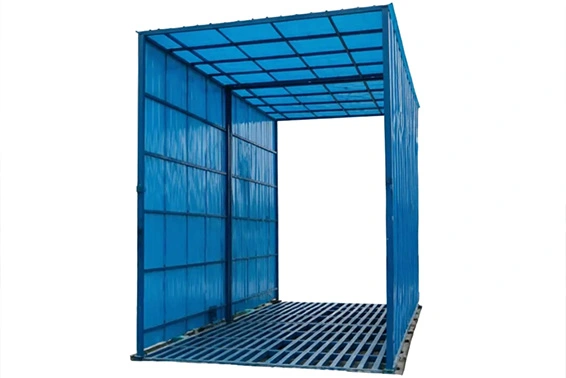
A wheel wash that works with both water and electricity and has parts that make it strong and safe for people to use. The platform is strong enough to hold full trucks, and rough dirt won't rust, break, or scratch it. Pumps and heads control the flow, pressure, and area that the water covers. The start and end times of the cycle are set by sensors and control panels. Runoff is taken care of by the water tanks and filtration units. Larger solids can be screened out. Drivers can safely line up with the help of guide bars, signals, warning signs, and surfaces that don't slip.
To make our platform frame strong, we weld thicker channel steel and rectangular tubes together. It won't bend and can hold weight. There is an anti-rust pipe system, a spray system with multiple nozzles, a high-pressure pump, and a drainage tank built right in. Pick items based on how busy the area is, the type of ground, the truck's size, and how simple it is for repair staff to reach the tools.
Specifications, Water Recycling, and Operating Modes
Key Technical Specifications to Check
The price or pressure of a unit doesn't tell you if it will work where you live. First, look at your dump trucks, trailers, concrete mixers, and wheeled haulers. You should write down the truck's gross weight, axle load, tire width, wheelbase, and number of axles. The area with the platform, the ramp, the tank, and the service area is something else to look at.
It's 3700 mm wide and comes in two lengths, 2300 mm and 4000 mm. You can change these widths and lengths to suit your needs. There is 5.5 kW of power in each motor. That kind has two motors for 4000 mm and one motor for 2300 mm. Each car can be washed in anywhere from 0 to 60 seconds.
Check the ground, the power, the drains, and what you'll need for cold weather. Before you buy, find out what the rules are for wastewater. You can ask the project engineer or the government in your area.
Water Recycling and Wastewater Management
Recycling helps save freshwater and reduces the amount of waste water that ends up in landfills. Most of the time, wash water goes into a settling tank after going around the platform. Screens and filters can catch bigger solids. After that, a pump sends the clean water back to the sprayers. The water may need to be cleaned more often if oil, fuel, or chemicals get into it near towns, ports, or sensitive areas.
What happens depends on the soil type, the size of the truck and tank, and how well they are maintained. Our built-in circulation pump and sludge tank can reuse up to 95% of the water that goes through them. You only add water when you are about to run out or to make up for what trucks take away. Keep an eye on the pumps, water level, and filters to make sure they are clean. Silt in the tank slows down the refilling process.
Automatic Versus Manual Wheel Washing Systems
There is a machine that cleans every truck over and over again. To process vehicles quickly, you need to do less work, and they make big projects easier to handle. They work well in places where cars beep all day or where clean roads are important. Systems that are run by hand or by a person may work better for small areas, short projects, or places with little to no traffic.
Don't forget one different. A construction site wheel wash system cleans the car's tires and the ground underneath it. A full truck wash cleans the whole thing. Fixed units work well for long-term areas. This kind of unit is great for short-term projects that need to be moved around a lot. Crews can move our system and put it back together when they get there by taking parts of it apart.
Selection, Installation, and Maintenance
How to Choose the Best Construction Site Wheel Wash System
Don't just think about price. Plan out how the business will run as a whole. Write down what kinds of vehicles you need, how much weight they can carry, when there is the most and least traffic, the condition of the ground, the length of the project, the space you have, the rules about the environment, and whether you will be moving the unit. Then, look at the cycle time, water pressure, daily output, safety features, platform size, load capacity, and cycle time.
Our high-pressure pumps send between 1,500 and 3,000 liters of water per minute to the nozzles. This number tells you how many cars go through. The total cost of ownership also includes things like base work, utilities (like water and power), trash removal, spare parts, labor, shipping, and service. Last but not least, look at the supplier's technical know-how, documents, flexibility, and willingness to assist clients from other nations.
Installation Requirements and Commissioning
First, check the spot to make sure it fits well. Check out the power, the water, the drains, the weather, the roads, the land, and the flow of traffic. The ground should be strong enough to hold the weight. Make sure the platform and drainage lines are level and sloped correctly so water doesn't pool or leak.
The crews not only put the tank and platform in place, but they also set up the sensor and linked the pump and nozzles. Our plan is open, so we can finish this quickly. The unit will be ready to use in two hours.
As soon as the system is turned on for the first time, it should be checked for spray coverage, water pressure, flow, vehicle detection, drainage, and recycling. Next, teach your staff how to do daily checks, get rid of sludge, fix problems, and what to do in an emergency. This is what will make the first week go well.
Cleaning, Maintenance, and Troubleshooting
Maintenance keeps things in good shape so they clean better, last longer, and keep the workplace safe. Every day, you should pick up the big stuff, check the water level, clean the nozzles, test the sensor, and sweep the road past the exit. Once in a while, clean the filters and get rid of the sediment. Also, check the pump and the wires that connect to it.
Most of the time, the valves are jammed, the pump is worn out, the water level is low, or the filter is blocked when there is no spray. If the cycle is too short, the truck is not lined up correctly, or the nozzles are not in the right place, the machine might not clean enough. How often you clean will depend on the type of ground you have. It takes longer for clay-rich soil to fill up a settling tank than sand-rich soil.
Look into getting new parts first, find out how long it will take to get them, and read the warranty. See if the supplier can help you with regular upkeep.
Suppliers, Project Applications, and the Xinjiuyi Solution
What to Look for in a Wheel Wash System Manufacturer or Supplier
A good service sends more than just a kit. You can put the washer where it will work best for you with this help. Platforms that are built to the exact size, weight, electrical setup, and recycling layouts that buyers from all over the world need are often made to order. Make sure that the things that were used, the welding, the electrical and pump parts, the testing that was done in the factory, and the quality records are all good.
Also, it's good to help people in other places. As part of this, technical plans, directions, help with installation, and warranty management are all taken care of. You should get a quote that breaks down the costs of the equipment, options, setup, shipping, duties, commissioning, spare parts, and warranty into separate items.
Xinjiuyi has shown that it is a good place to work by getting ISO9001, ISO45001, and ISO14001 certifications. Plus, we give you technical help before the sale and design renderings so you can see what the layout will look like. Our whole line of goods can be changed to meet your needs. Our products are made to last twenty years or more.
Practical Application Examples by Project Type
A construction site wheel wash system needs to be able to do various tasks for various jobs. The unit picks up mud from work zones that aren't paved at the site's entrance or exit before the trucks get to the street. The structure is closed off, so sewage doesn't splash out, but the spray does reach the chassis and wheel treads.
When building in cities, projects need to leave little behind so that cars can move quickly. Some changes have been made to the platform to make it easier for cars to move and keep dirt out of the storm drains. Because they move heavy clay goods, these places need a frame that can hold thousands of car runs every week.
Places that deal with sticky tire treads are sand and gravel yards, concrete plants, and garbage dumps. Different guns are coming at them from different directions. If you choose the right unit for them, people will believe you more and give you more money.
The Xinjiuyi Construction Site Wheel Wash System at a Glance
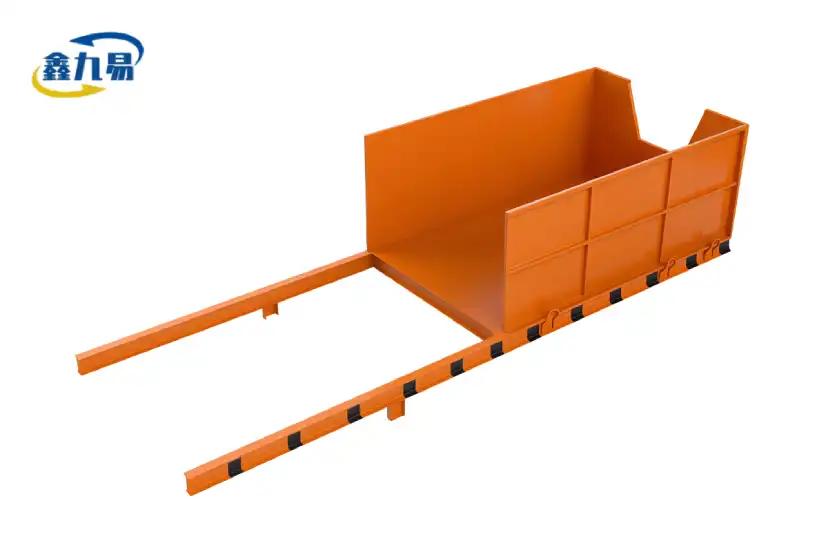
Our platform is enclosed and was made for big projects that had to follow Earth's strict rules. The frame is made of thicker channel steel and rectangular tubes that have been treated by professionals to keep them from rusting. Even after being crushed many times, it can still hold 15- to 40-ton cars.
A photoelectric charge starts each wash, which takes one to sixty seconds for each car. Up to 95% of the water is used again by the sludge tank and circle pump. Different lengths (2300 mm and 4000 mm) can handle different amounts of traffic, and the modular design makes it easy to set up quickly and move later. Before they buy something, people care about three things: will it fit? Does it clean well? Does it last?
Conclusion
A construction site wheel wash system is used to find each truck. It sprays high-pressure water on the tires and the bases of the trucks. After the trash goes through a settling tank, the water can be used again. It's important to have a strong base, the right amount of nozzle cover, the right place, and a plan for draining the area that works. People who want to buy something should do more than just look at prices. They should also look at things like the vehicle weights, platform sizes, cycle times, recycling rates, power needs, and the state of the ground. Auto units work best when there is steady, heavy traffic. Units that you can move around or use by hand are best for small jobs with little work. Things will stay the same over time if you regularly clean out the nozzles, check the pumps, and remove any sludge.
FAQ
How does the system know when to start washing?
In our unit, photoelectric induction is used to do the induction. When a car comes up behind it, a sensor sets off the cycle on its own. Then drivers can go through without an operator.
What vehicle weight can the platform handle?
Straight steel bars and thickened channel steel are welded together to make the frame. Trucks used for business that carry 15 to 40 tons of weight can use it. Kindly let us know what your largest axle loads are. We want to make sure you have the right set-up.
Can I move the system to another site?
Yes. Crews can take the unit apart, move the parts separately, and then put them back together where they belong because the design is divided.
Request a Construction Site Wheel Wash System Recommendation
Planning a site exit that keeps roads clean? Xinjiuyi, based in Cangzhou, Hebei, is a construction site wheel wash system manufacturer holding ISO9001, ISO45001, and ISO14001 certifications. We customize dimensions and provide design renderings before production. Send your truck types, maximum loads, daily traffic, and site layout to global@xjy8.com, and our team will recommend a configuration.
References
1. U.S. Environmental Protection Agency, NPDES Construction General Permit, 2022
2. U.S. Environmental Protection Agency, Compilation of Air Pollutant Emission Factors (AP-42), Section 13.2.1 Paved Roads, 2011
3. U.S. Environmental Protection Agency, Stormwater Management for Construction Activities: Developing Pollution Prevention Plans and Best Management Practices, 1992
4. California Stormwater Quality Association, Stormwater Best Management Practice Handbook: Construction, 2009
5. California Department of Transportation, Construction Site Best Management Practices (BMP) Manual, 2017
6. Pennsylvania Department of Environmental Protection, Erosion and Sediment Pollution Control Program Manual, 2012