Things You Need to Know About Stainless Steel Manhole Covers
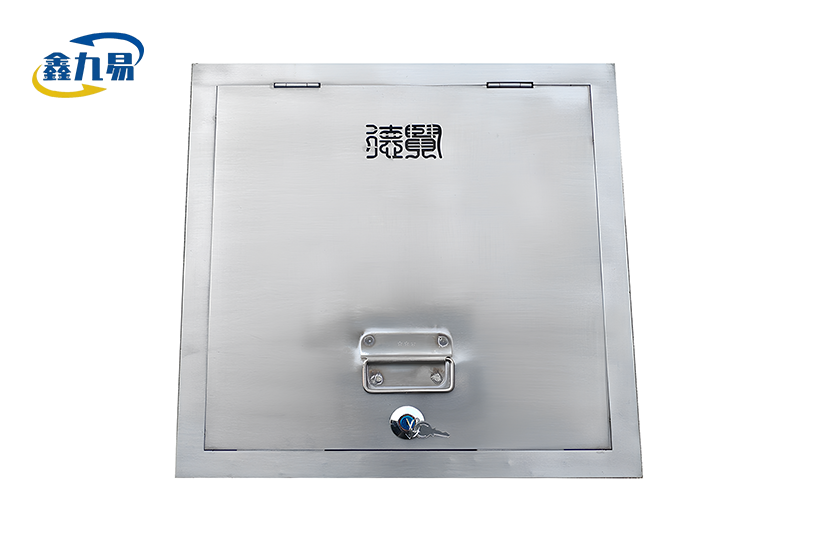
Understanding what constitutes a good access cover is more important than most people think whether you work in infrastructure procurement, commercial construction, or municipal engineering. High-grade austenitic stainless steel, usually Grade 304 or 316, is used to create stainless steel manhole covers, which are precisely constructed access solutions that provide secure, long-lasting, and corrosion-resistant access to subterranean utility networks. These coverings cover equipment foundation pits, commercial plazas, parking lots, and industrial parks, as well as municipal pipes and civil defense passageways. Ensuring that the specification is correct from the beginning safeguards your project budget and maintains predictable maintenance expenses for decades.
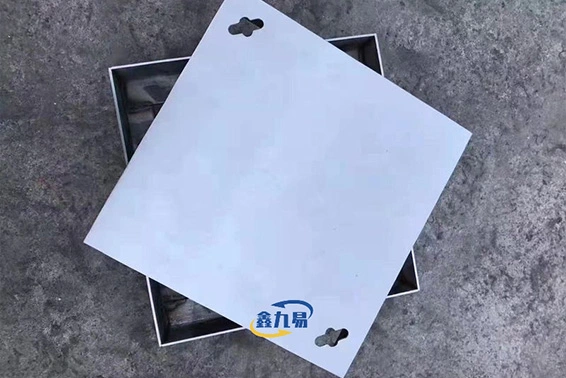
What Are Stainless Steel Manhole Covers?
Material Grades and Core Properties
Access covers made of stainless steel are made from austenitic alloys and have an inactive chromium oxide layer on the surface that fixes small scratches on its own. Grade 304 works well in most urban settings. Grade 316 adds molybdenum (usually about 2%), which stops chloride from causing pitting. This makes it the best choice for areas near the coast, chemical plants, or places with a lot of moisture. Both types can withstand tension loads of up to 515 MPa and have a strength-to-weight ratio that is unmatched by cast iron at the same size.
Standard Sizes, Shapes, and Design Options
Covers come in both square and round shapes. The standard length and width range from 600 mm to 1200 mm, and the plate thickness can be anywhere from 2 mm to 8 mm, based on the load. You can usually choose from 40 mm, 50 mm, 60 mm, and 70 mm of height. Flat covers are used for flush-mount pedestrian areas, raised anti-slip pattern covers are used for car areas, ventilated covers help with airflow, and bolt-down locking covers are used when theft or illegal entry is a problem.
Key Advantages Over Conventional Materials
The useful advantages of stainless steel are based on real-world performance data. A group called the British Stainless Steel Association says that 304-grade stainless steel can last more than 50 years in most outdoor settings. This is a lot longer than galvanized steel, which has a coating that wears off over time. During the product's useful life, it doesn't need to be painted, treated for rust, or coated to protect it. Stainless steel manhole cover requires only normal water for cleaning to restore its original appearance without special chemicals. This makes managing the building a lot easier.
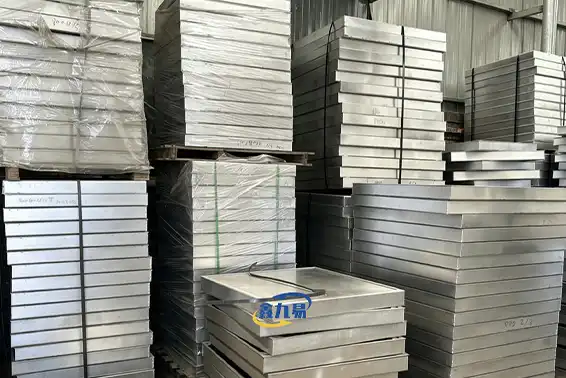
Comparing Stainless Steel Manhole Covers with Other Materials
Load Ratings and Structural Performance
EN 124 is the standard that specifies how to categorize the load on a manhole cover in the majority of international markets. For instance, D400 is designated for heavy vehicle roads with a load restriction of 40 tons per wheel, whereas A15 is designated for pedestrian areas with a load limit of 1.5 tons. Compared to ductile iron covers, stainless steel covers with internal reinforcement may exceed D400 requirements and have a smaller profile. Although ductile iron can keep buildings together, it requires protective coatings that are more expensive to maintain since it corrodes in hostile conditions. Although composite and plastic coverings are effective in high-foot traffic regions, they are insufficiently durable for use in industrial or automotive settings.
Corrosion Resistance and Lifespan Comparison
Data from the Corrosion Engineering Association shows that cast iron will cover rust in 5 to 10 years in coastal or chemically active areas. The inactive layer of stainless steel keeps growing back, so there are no more replacement cycles caused by corrosion that drive up long-term building costs. Covers made of concrete are heavy and often crack when temperatures change. Because stainless steel has a predictable lifecycle, procurement teams that are in charge of rolling repair routines can make more accurate capital plans.
Cost-Benefit Considerations
Covers made of stainless steel cost more up front than those made of cast iron or composite materials. But if you add up the total cost of replacements, treating rust, and the work for reinstallation, stainless steel always gives you more for your money over a 20- to 50-year period. When purchasing managers look at the cost per year of service instead of just the purchase price, they always choose stainless steel for areas with a lot of traffic and corrosion.
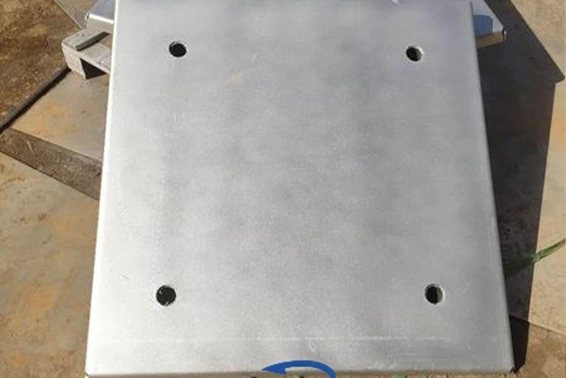
How to Choose the Right Stainless Steel Manhole Cover for Your Project?
Step 1 — Match Grade to Environment
Start with how your site is set up. When installing the stainless steel manhole cover on a normal city road where chemicals won't be present, Grade 304 is a good choice that won't break the bank. Choose Grade 316L if the site has salty air, wastewater systems, food processing areas, or chemicals used in industry. A common and costly mistake that only shows up after corrosion starts is getting the grade wrong at the specification stage.
Step 2 — Confirm Load Class and Dimensional Fit
Check the load requirements given by your design engineer against the EN 124 classifications. A cover put in a parking building for delivery trucks needs to have at least a C250 rating. A cover put in a road for big vehicles needs to have a D400 rating. Make sure you know the exact hole dimensions before you place your order. Dimensional mismatches can lead to noise, uneven surface levels, and inspection failures. Before you place a large order, ask your seller for mill test certificates and third-party material proof reports.
Step 3 — Evaluate Supplier Certification and Customization Capability
When shortlisting sources, these are the most important things to check:
- Material certification: Demand original mill certificates confirming the chemical composition of the steel grade supplied. This protects against lower-grade substitution — a documented issue in bulk procurement markets.
- EN 124 load test reports: Request third-party test documentation, not just self-declarations.
- Customization capability: If your project requires non-standard dimensions, logo pressing, mirror finish, or brushed surface treatment, confirm the supplier can produce to your drawings with consistent batch quality.
- Lead time commitment: For municipal project schedules, batch orders of 15 to 30 days are standard. Any supplier quoting significantly longer lead times requires scrutiny.
The most common procurement risks can be avoided before contracts are signed by checking these things early on.
Installation, Maintenance, and Lifespan of Stainless Steel Manhole Covers
Installation Best Practices
The two most common issues in the field are about the cover shaking and the surface not being level. Make sure the concrete border is fully set and the right size before you put the frame in place. To keep people from tripping and water from pooling, the cover should sit flush with the surface around it, within ±2 mm. For positioning, use threaded T-bar lifting keys. Good covers have specific lifting points that let a single person handle them, which cuts down on both labor costs and the risk of damage during installation.
Routine Maintenance Procedures
Stainless steel access covers don't need much upkeep. Performance stays stable thanks to a three-part inspection that happens every three months:
- Surface condition: Check for debris accumulation in anti-slip grooves that may reduce traction, particularly in high-foot-traffic zones.
- Frame seating: Confirm the cover still sits flush and that no settlement has occurred beneath the frame.
- Locking mechanism: For bolt-down or anti-theft variants, verify that fasteners remain functional and show no signs of seizing.
These three checks each take less than five minutes and keep small problems from turning into big ones that cost a lot to fix.
Expected Lifespan in Real Applications
When properly installed, stainless steel manhole cover of 304-grade road covers usually last 25 to 40 years on municipal roads that are not exposed to chemicals. It is possible for 316L to have a recorded service life of 50 years or more in marine or industrial settings. These numbers are in line with performance data found in corrosion engineering literature and with how long modern municipal infrastructure programs are supposed to last.
Procurement Guide: How to Source Stainless Steel Manhole Covers?
Online Platforms vs. Direct Factory Sourcing
Online business-to-business (B2B) sites let buyers see a lot of suppliers and quickly compare prices from different makers. Platforms like Alibaba International and Made-in-China are good places to start when you want to do some preliminary market research. When you deal directly with the plant, you can get better prices, tighter quality control, and the option to have a third party check the goods before they are shipped. When you work directly with a plant, it's much faster to make changes to specifications and batches.
Verifying Supplier Credibility
As a standard, procurement managers should ask for the following things before placing a large order: ISO 9001 quality management certification, EN 124 test reports for the exact load classes needed, original material mill certificates, and export packaging specifications if the goods are going to be sent internationally. All of these will be given without question by a reputable stainless steel manhole cover maker. If a supplier can't show you third-party test documentation, that's a red flag that shouldn't be taken into account, no matter how much they charge.
OEM and Customization Services
OEM customization includes non-standard sizes, custom surface finishes like mirror and brushed options, brand die-casting, and project-specific packaging for high-end business developments or specialized local projects. Before production starts, make sure that the supplier keeps your tools safely and spells out who owns the molds in writing.
Conclusion
There are four choices you need to make to get the right access cover for your project: material grade, load class, accurate measurements, and supplier verification. In harsh environments, the stainless steel manhole cover has a longer working life and requires less upkeep than other materials. A properly chosen stainless steel cover protects both the infrastructure below it and the choice to buy it. It has load ratings that are certified by EN 124, material paperwork that can be tracked, and the ability to be customized in terms of surface finish and size. The information in this guide gives you a useful structure to confidently define, source, and install.
FAQ
What is the difference between Grade 304 and 316 for access covers?
Grade 304 suits standard urban environments and offers solid general corrosion resistance. Grade 316 contains approximately 2% molybdenum, which blocks chloride-induced pitting. Specify 316 for coastal installations, wastewater systems, or any site with chemical exposure.
Can these covers handle heavy vehicle traffic?
Yes. When designed to EN 124 D400 specifications with internal structural reinforcement, stainless steel covers support 40-tonne wheel loads reliably. Confirm the load class in the test documentation before procurement.
How do I verify the material grade I'm receiving?
Request the original mill test certificate that shows the chemical composition analysis of the specific batch. For bulk orders, third-party incoming inspection at the factory before shipment provides an additional verification layer.
Are custom sizes and finishes available?
Yes. Reputable manufacturers produce covers to customer drawings in non-standard dimensions with surface finish options including mirror, brushed, and anti-slip patterns. Minimum order quantities for custom work vary by supplier, so confirm this during the inquiry stage.
What maintenance does a stainless steel cover require?
Very little. Periodic cleaning with water, quarterly inspection of the seating and locking mechanisms, and monitoring of anti-slip groove condition are sufficient for most installations. No painting or rust treatment is ever required.
Get a Quote from Xinjiuyi — Trusted Stainless Steel Manhole Cover Manufacturer
Xinjiuyi sells high-quality stainless steel manhole covers in grades 201, 304, and 316. The sizes range from 600 mm to 1200 mm, and they meet EN 124 load ratings for use by people and heavy vehicles. We have ISO 9001, ISO 45001, and ISO 14001 certifications for our factory in Cangzhou, Hebei. Our team is ready to help you with your project, whether you need big city supply or OEM production made just for you. To get your quote right away, email us at global@xjy8.com.
References
1. British Stainless Steel Association. Stainless Steel in External Environments. 2019.
2. European Committee for Standardization. EN 124: Gully Tops and Manhole Tops for Vehicular and Pedestrian Areas. 2015.
3. Corrosion Engineering Association. Comparative Corrosion Performance of Ferrous Infrastructure Materials in Urban Environments. 2020.
4. ASTM International. ASTM A240/A240M: Standard Specification for Chromium and Chromium-Nickel Stainless Steel Plate, Sheet, and Strip. 2022.
5. International Molybdenum Association. Molybdenum Alloyed Stainless Steels in Infrastructure Applications. 2018.
6. American Society of Civil Engineers. Infrastructure Report Card: Wastewater and Drainage Systems Material Performance Review. 2021.