What Is a Rebar Processing Shed and How Is It Used on Construction Sites?
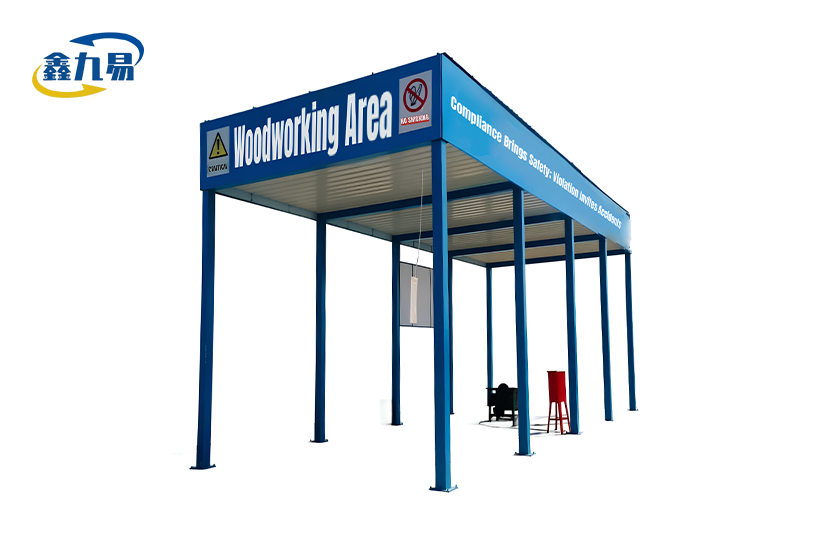
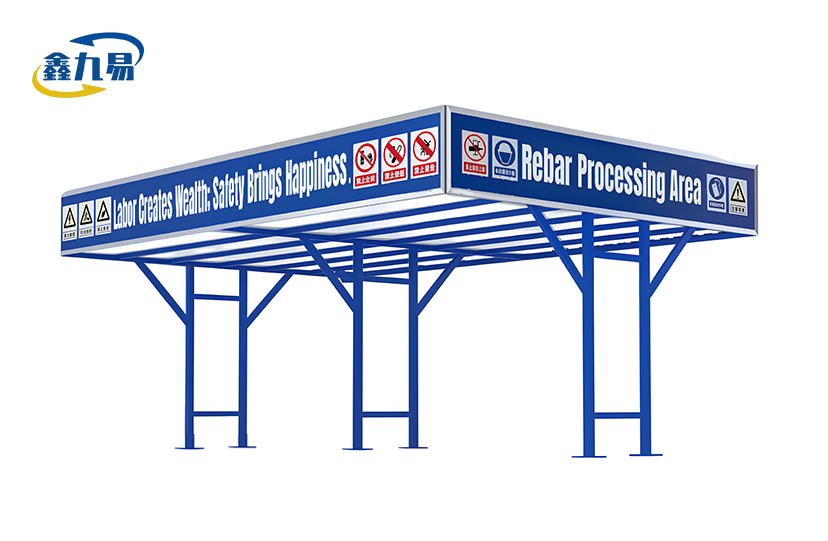
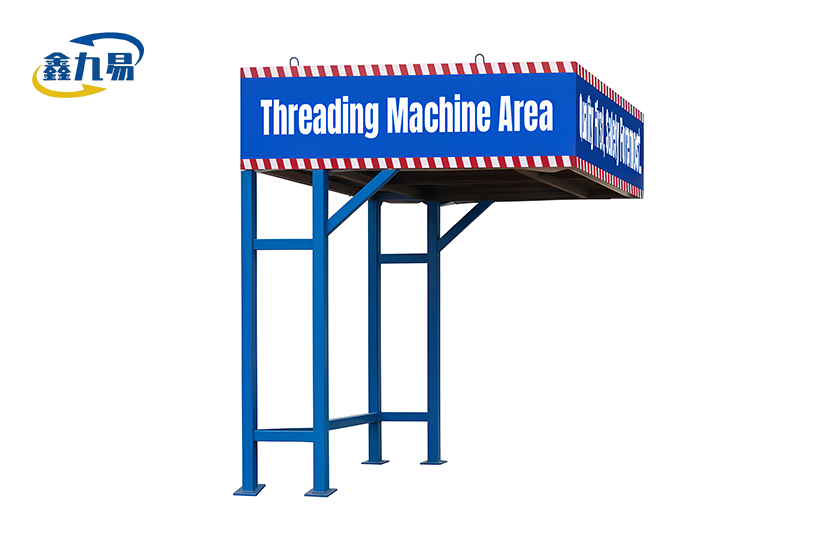
A rebar processing shed is a prefabricated steel structure purpose-built to centralize the cutting, bending, and welding of reinforcing steel bars on active construction sites. It creates a controlled work zone that shields both workers and equipment from falling objects, weather exposure, and fire hazards. By housing all steel bar fabrication activities under one roof, the structure reduces accident rates, prevents weather-induced rust on rebar surfaces, and helps project teams meet occupational safety requirements. For general contractors and infrastructure developers, this facility is a practical investment in both site safety and long-term operational efficiency.


Understanding Rebar Processing Sheds: Definition and Core Functions
What Problem Does It Solve?
If rebar work is done in an open yard, the steel bars are open to weather, UV light, and damage. The bond between rebar and concrete gets weaker when it oxidizes on the surface. This has a direct effect on how strong the building is. There is no need for this risk because there is a steel bar processing shelter with roof protection and a designated place for making things. OSHA records show that about 1 in 10 construction deaths in the U.S. are caused by being hit by something. Setting up organized processing zones has been shown to help stop this from happening.
Core Operational Functions
In one part of the shed, people do three dangerous jobs: cutting, bending, and tying. Auto rebar benders, hydraulic cuts, and mesh welding lines can't reach people on the ground because of this wall. It's less likely for workers to cross between zones when they stick to clear workflow paths. Also, the controlled environment makes it easier to keep track of scrap, which means that on big projects, less material is wasted.
Compliance and Site Standards
If you're in the United States, you must follow OSHA 29 CFR 1926 Subpart Q when you build with concrete or masonry. A standard steel reinforcement fabrication shelter helps with compliance by making danger zones clear, giving firefighters access, and creating safety lines that can be checked on-site.

Key Types and Design Variations of Rebar Processing Sheds
Prefabricated vs. Site-Built Configurations
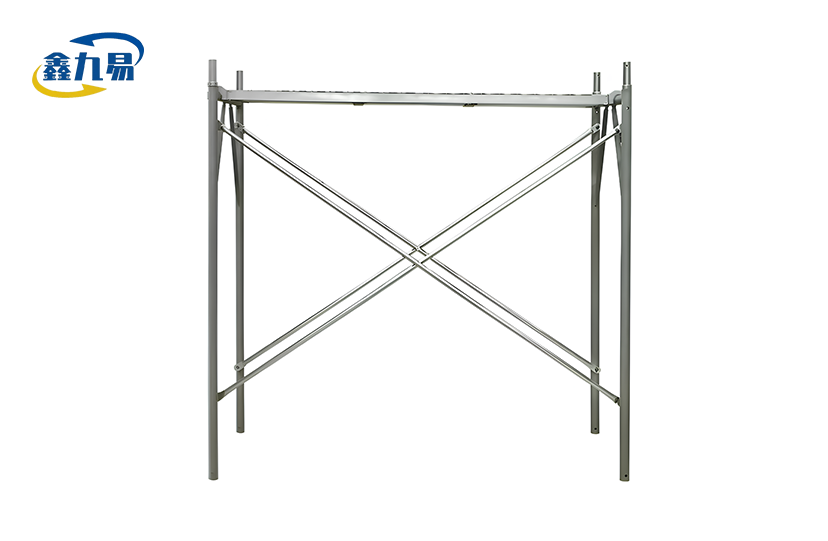
Sheds that are already built, like those made by Xinjiuyi for rebar processing shed applications, have parts that are already cut and drilled, and they are put together with strong bolts. There is a lot less work that needs to be done on-site with this method, and it makes setup go much faster. You have more freedom with site-built options, but they need more skilled workers and more time to install, which can throw off project schedules when contracts are due at a certain time.
Portable vs. Permanent Structures
Modules that are portable can be taken apart and moved between three to five steps of a project without hurting the structure. This is possible with bolt links. Fixed installations should be made in precast concrete plants that have production lines that work 24 hours a day, seven days a week. This system from Xinjiuyi is perfect because it can be fully moved between projects and stays in place during each phase. This saves procurement managers a lot of money on a wide range of jobs.
Crane-Integrated and Standard Layouts
Built-in gantry systems that hold three to ten tons are used for heavy work. They are held up by crane-load frames with corbels and rail beams. In places where heavy rebar bundles could hurt someone if moved by hand, like bridge pier repair yards and big building sites, these sets up work well. If you don't need cranes, standard layouts work well for high-rise sites in cities where space is limited.
Comparing Rebar Processing Sheds: Making the Right Choice for Your Construction Site
Shed vs. Open Yard Processing
On smaller sites, processing often takes place in an open yard, which costs a lot. Plans to make things don't work out when it rains. Materials become less good when they rust. Tools that fall from higher floors could hurt the people who work there. A special area for processing steel bars takes care of these things. Accidents involving rebar are less likely to happen in controlled, zoned fabrication areas because machine operators and other site workers are kept away from each other. These studies are used in building safety literature.
Manual vs. Automated Internal Systems
Manual setups work best for smaller jobs that use less rebar every day. Leg benders and CNC processing tools that work on their own can help big building jobs get more done. With the tools inside, the shed needs to look good. He changes the length, width, and height to fit the plan of the machine, whether it's a small bar cutter or a big automatic bending center.
Material and Coating Selection
The material used for the frame has a direct effect on how much it costs to maintain over time. Steel grade Q235B or Q345B is used to make Xinjiuyi frames. They have 18# I-beam columns that can hold a lot of weight. A two-step process that starts with hot-dip galvanizing and ends with electrostatic powder coating makes the coating at least 60 to 80 micrometers thick. Paint systems called C4 or C5-M stop salt spray damage that normal coatings can't handle in coastal or high-salinity places.
Procurement and Implementation: How to Acquire and Set Up a Rebar Processing Shed?
Evaluating Suppliers and Certifications
It's not always possible to check the sources of a business that sells rebar processing shed structures. P&C managers should ask for at least ISO 9001 certification, as well as records of weld inspections and reports on covering thickness tests. The Xinjiuyi plant in Xian County follows the rules set by ISO 9001, ISO 45001, and ISO 14001 for environmental protection. Digitized rulers are used to check the thickness of the zinc layer and the proper welding of all the main structure parts before the goods are shipped.
Lead Times and Logistics Planning
It's important to know when things will be delivered so that you can plan projects. It takes Xinjiuyi seven days to finish plant fabrication for a typical 12 m x 18 m layout. Putting it together on-site can take an extra three to five days, depending on how ready the foundation is. Procurement teams should think about these windows when they plan projects, especially when they have to move sheds from one site to another to keep making rebar.
Total Cost of Ownership
The price you pay for something is only one part of the money equation. Some examples of secret costs are delivery, getting the base ready, putting it together, and regular maintenance. Because Xinjiuyi is built in modules, these ongoing costs are kept to a minimum. When putting the bolt-connected system together or taking it apart, it doesn't need welding, so it doesn't need as much skilled work. The 20-year design service life spreads the capital investment over several project cycles. This makes the cost-per-use estimate better for companies that are in charge of a lot of busy sites every year.
Safety Standards and Best Practices for Operating Rebar Processing Sheds
Regulatory Compliance Requirements
According to OSHA rules, places where things are made must have clear danger zones, the right safety gear for workers, and a way to put out fires. All Xinjiuyi sheds have standard warning signs and bright bands to help people see in low light. There are also safety kick plates that are either red and white or yellow and black. People and things are safe during lightning storms because the built-in lightning safety grounding system keeps resistance below four ohms.
Layout Planning and Workflow Safety
It's easier for workers to move around inside machines when the layout is well thought out. Putting storage for inputs on one end, processing equipment in the middle, and staging for finished bars on the other end forms a straight line that makes it easier for people to move from one end to the other. This set-up works well on city high-rise sites with little ground space and lots of different trades nearby.
Ongoing Maintenance and Training
It is important to check the state of the welds, bolt torque, and coatings on a regular basis to make sure buildings are safe. While the system is being set up, Xinjiuyi's expert team helps and double-checks all the bolt torque requirements. Every three months, HSE officers should look at the frame, kick plates, and grounding links. The number of accidents goes down even more when machine workers are trained regularly on how to enter and leave the machine.
Conclusion
The rebar processing shed where you work with rebar is more than just a place to stay dry. It's also a way to keep areas where steel bars are made safe and productive. It keeps the workers safe, makes sure the supplies are good, and gives the building teams the trust they need to pass safety checks. You should consider the structural grade, surface treatment, modular design, and the name of the provider when choosing a shed. They all come from Xinjiuyi and are done in a standard, flexible style. They also come with international quality certifications and professional help on-site.
FAQ
What are the standard dimensions of a rebar processing shed?
Xinjiuyi's standard configurations run from 6,000 mm to 9,000 mm in length and 4,000 mm to 6,000 mm in width, with a standard height of 3,700 mm. Custom dimensions are available to match your specific machinery and site layout.
Can the shed be relocated between project phases?
Yes. The bolt-connected modular design allows three to five relocation cycles without structural compromise, provided certified technicians handle disassembly and reassembly.
How long does installation take?
Factory fabrication for a standard 12 m × 18 m shed takes seven days. On-site assembly requires an additional three to five days depending on foundation readiness.
Is the shed suitable for coastal construction environments?
Yes. For high-salinity coastal sites, Xinjiuyi applies C4 or C5-M anti-corrosion paint systems that resist salt-spray degradation beyond the capacity of standard galvanized coatings.
Can overhead crane systems be integrated?
Crane-load columns with corbels and rail beams support integrated gantry systems from three to ten tons capacity. This must be specified at the order stage for proper column engineering.
Get a Custom Rebar Processing Shed Quote from Xinjiuyi
In Xinjiuyi, they build industrial-grade sheds for processing rebar that can be used in a range of places, from big cities to out in the middle of nowhere for infrastructure projects. When you buy a rebar processing shed from us, you can be sure that it will last for 20 years, be certified by ISO 9001, ISO 45001, and ISO 14001, and come with full expert help from the time you place your order until it is used. Talk to our team right away about how big your site is, what tools you'll need, and when you want to start the job. To find out more about our products, email us at global@xjy8.com or visit xjy8.com.
References
1. Occupational Safety and Health Administration (OSHA). Construction Industry Standards: 29 CFR 1926 Subpart Q — Concrete and Masonry Construction. U.S. Department of Labor, 2020.
2. Construction Industry Institute (CII). Safety Performance in the Construction Industry: Benchmarking and Metrics Report. CII, 2021.
3. American Concrete Institute (ACI). ACI 318-19: Building Code Requirements for Structural Concrete and Commentary. ACI, 2019.
4. Steel Construction Institute (SCI). Design of Steel Structures for Construction Sites: Temporary Works Guidance. SCI Publication P375, 2018.
5. International Organization for Standardization. ISO 9001:2015 — Quality Management Systems: Requirements. ISO, 2015.
6. National Institute for Occupational Safety and Health (NIOSH). Preventing Injuries and Deaths of Workers Who Use or Work Near Forklifts and Material Handling Equipment on Construction Sites. NIOSH Publication No. 2023-101, 2023.