What Is a Construction Site Protection Canopy?
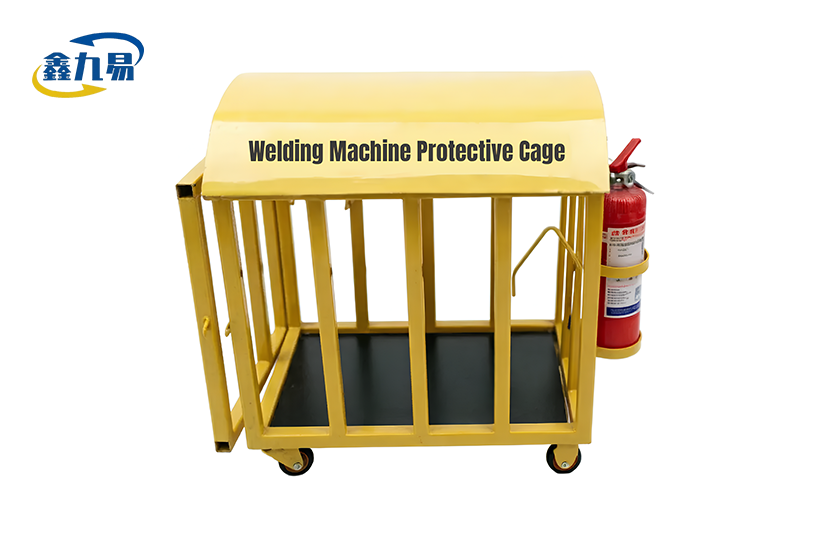
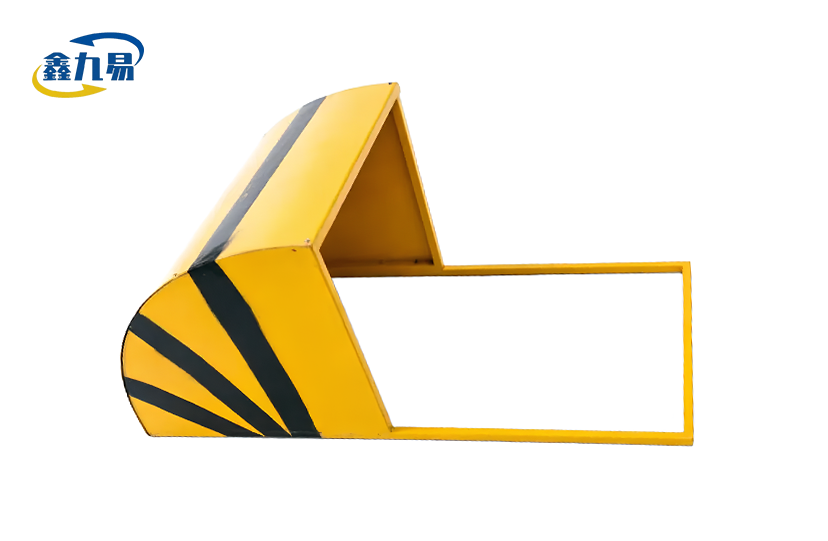
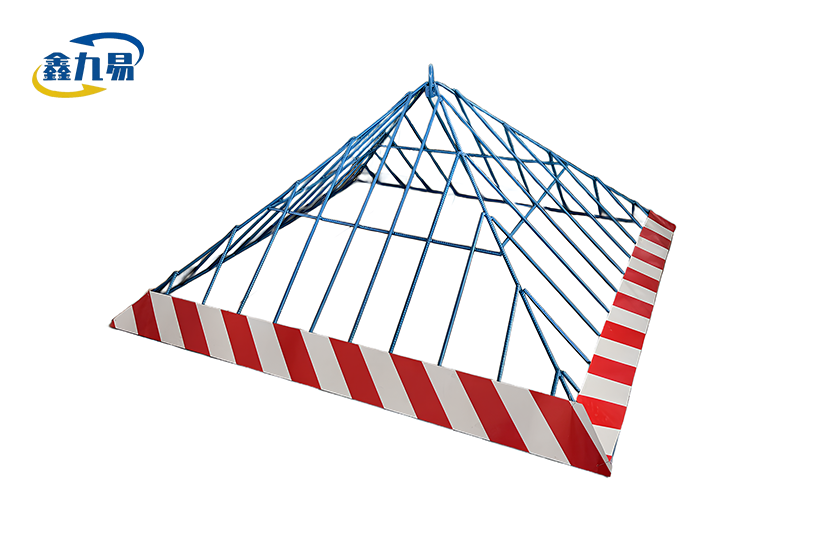
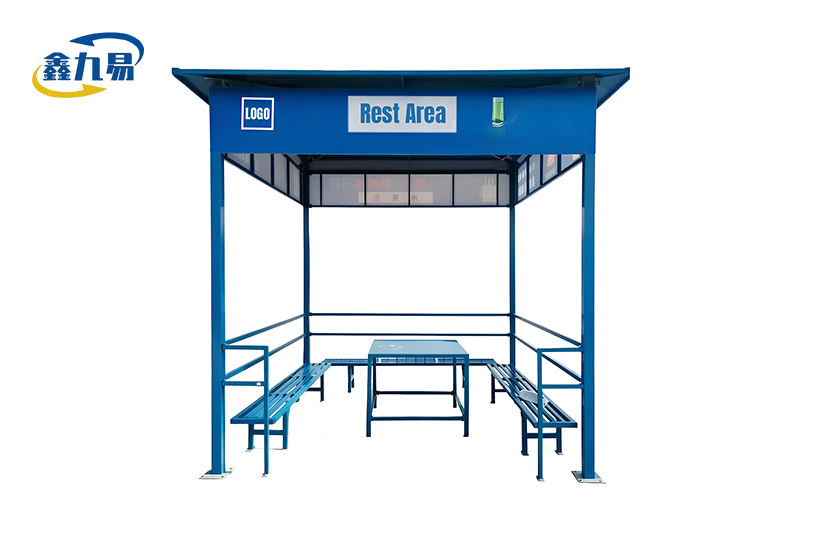
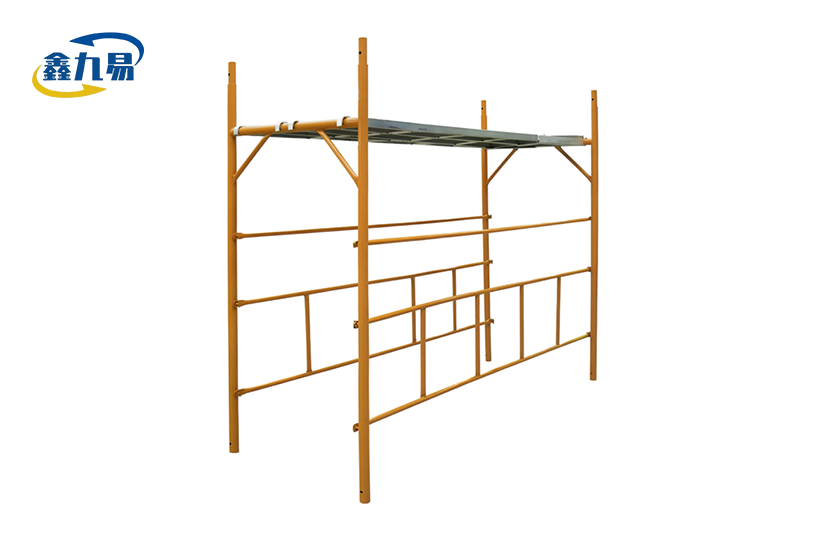
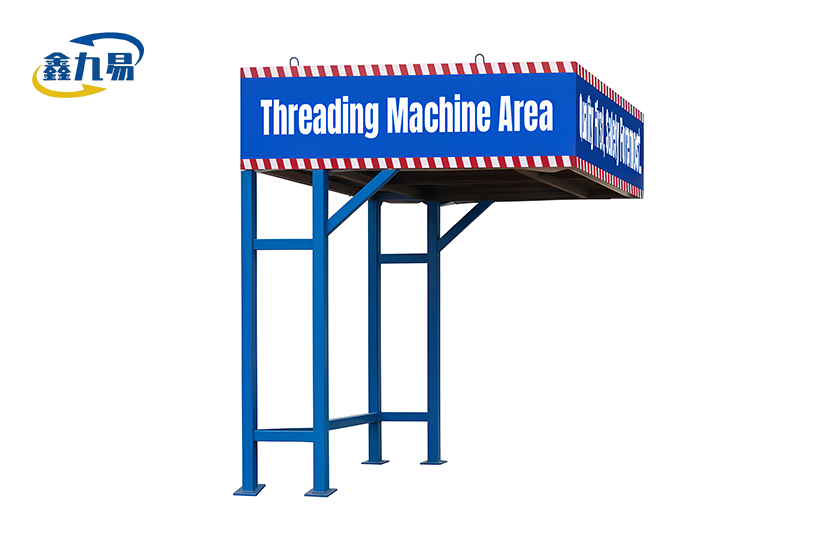
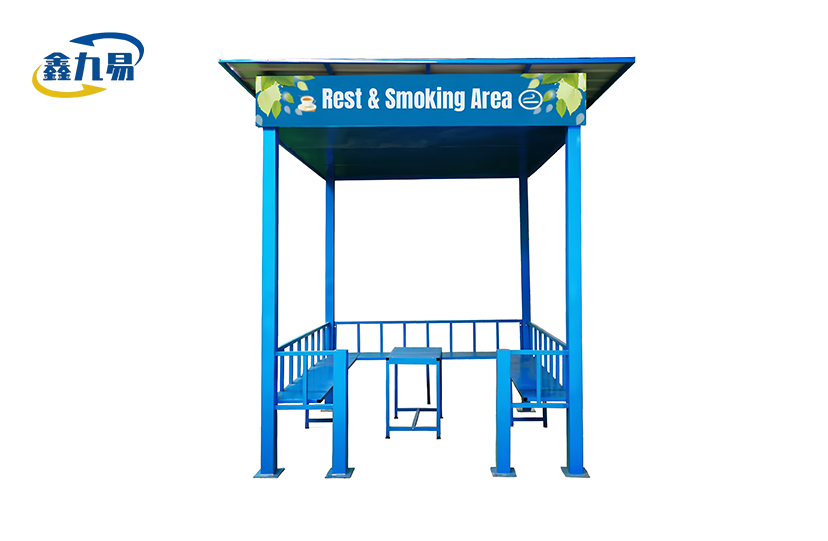
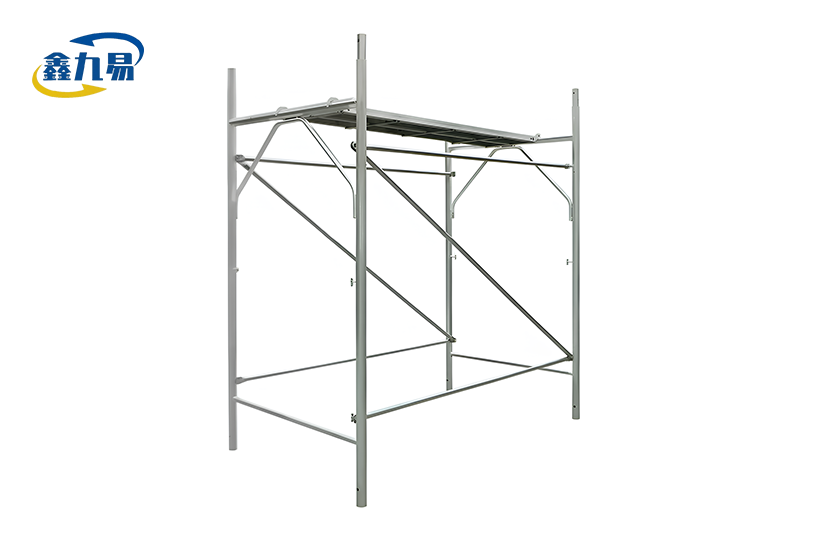
A construction site protection canopy is a rigid overhead safety structure engineered to shield workers, equipment, and materials from falling objects, adverse weather, and airborne debris on active job sites. A purpose-built overhead protection system, unlike temporary mesh netting or tarpaulin covers, is made up of structural steel framing and impact-resistant decking panels that form an approved safety zone below. These systems are used in central staging areas, material transfer zones, pedestrian walkways, and concrete casting areas—anywhere there is a risk of an overhead danger and rules must be followed.

Understanding Construction Site Protection Canopies
If you want to protect your roof, it's helpful to know the difference between a custom-built canopy and a regular temporary cover.
Core Definition and Function
Because of something that hangs over the site, neither other people nor the sky can see the work area below. It saves people from things that fall or break, as well as things that are blown around by the wind. It also gives people a place to work with materials that is dry and safe. The U.S. Bureau of Labour Statistics says that about 8% of deaths on the job were caused by being hit by something. To put it another way, putting up overhead defence is one of the best paths to lower your risk.
Primary Materials and Construction
In Xinjiuyi, a security canopy system is made up of an 18# I-beam center column and 50 × 50 mm rectangular tube main beams with 2 mm wall thickness. The main frame is made of steel that is grade Q235B. There are two types of decking: corrugated colour steel or solid polycarbonate panels that are strong and don't break easily when they get hit. Hot-dip galvanising creates a zinc layer that is more than 85 microns thick, which is what the industry standards call for. To clean the surface, either electrostatic powder coating or warning baking paint is used. This makes the metal last longer than 15 years, even in wet or near water spots.
Types of Overhead Protection Systems
It's hard to understand all the different kinds of overhead protection that can be used for different things. Fixed canopies are good for long-term projects that need to set up a clear central staging area for good. This type of system is good for projects that need to be moved from one phase to the next. A roll-away cover that is easy to move around is helpful for short-term work. A steel cover that can be moved is the best choice. It's strong, can be used again, and meets building rules for big purchases.

Benefits and Safety Standards of Construction Site Protection Canopies
You should know why you should buy certified overhead protection as well as what to buy.
Accident Prevention and Liability Reduction
Being hit by something is one of OSHA's "Fatal Four" building dangers. Having a properly rated construction site protection canopy overhead safety structure lowers the number of these accidents. Workers are less likely to get cited under OSHA 29 CFR 1926.502 and the project will not have to be shut down because of waste if an approved barrier is kept up above them. In the long run, lower workers' compensation rates are also caused by fewer accidents that need to be reported.
Compliance with OSHA and EN Standards
There are rules from OSHA that must always be followed on U.S. projects to keep workers safe from falling objects. EN 12811-1 tells builders how to make temporary work tools, like safety covers, for projects in the Middle East and Southeast Asia that will be exported. The quality control process at Xinjiuyi uses EN 12811-1 testing methods, such as checking the standing load and checking the soundness of the welds. In other words, these units can be used in foreign bids for goods and services where paperwork is needed.
On-Site Safety Culture and Project Continuity
Standardized overhead protection helps create a visible safety culture, which is something that safety testers and rating agencies look at when they visit a place. A clearly marked canopy system that is set up correctly shows that the business is well-run. Safety civilization scoring is a hard KPI measure that procurement managers at big building groups use to get bonuses, certifications, and the chance to get a repeat contract. This directly helps their scores.
How to Choose the Right Construction Site Protection Canopy?
You shouldn't just pick the system that costs the least per unit; you should also make sure that the technical specs match the needs of the site.
Evaluating Structural Specifications
The structure load number is the first thing that people look at when they decide to buy something. Heavy-duty cover systems should be able to handle 150 to 300 pounds per square foot of live weight in areas where things are stacked. Wind resistance is also very important. Standard units from Xinjiuyi reach Wind Resistance Level 10, which means they can withstand winds of 88 to 102 km/h all the time. If you ask for the test records, you can see proof of this. Before choosing a standard, buyers should also look at the size of the columns, the range of spans (6–18 m for Xinjiuyi), and the impact rate of the deck panels.
Comparing Protection Solutions by Application
Sometimes there is more than one right answer for a site. When buying something, these are the main types of goods that are generally looked at:
- Modular steel canopy with single-column design: Best for central material processing zones; reduces floor footprint by up to 40% compared to multi-column alternatives, allowing forklifts and cranes to operate freely beneath the deck.
- Scaffolding netting systems: Lower upfront cost but offer no structural impact resistance; suitable only for dust control and light debris on low-rise projects.
- Temporary roofing panels: Appropriate for enclosed storage areas but lack the ventilation and clearance height needed for active machinery staging.
Each method has a different cost-benefit analysis. This means that a steel modular construction site protection canopy is more cost-effective over time, even though it costs more at first. This is because eight or more projects can use the same units.
OEM and Custom Order Considerations
If you are a rental company in the area or a distributor from around the world, Xinjiuyi can do OEM labeling and custom dimensional fabrication. The teams that buy things can pick the span width, column height, color scheme for warnings, and language used on safety signs. Data from a site study is compared to engineering plans before work starts. This gets rid of the normal problem where things made in the workshop and things found in the field are different sizes.
Installation and Maintenance Best Practices
If you don't put up your cover the right way, it won't work as well as it should. The property and the people working on it will be safe if the right steps are taken in the field.
Step-by-Step Installation Process
To get a site ready, the first thing that needs to be done is to level the ground and mark the anchor points based on the technical plan. You don't have to grade the ground to use screw jacks that can handle dips of up to 15 degrees. The standard modular coupling system from Xinjiuyi doesn't need any special tools to be put together. A group of four trained people can usually put up 20 to 30 feet of fence in an hour. Before putting down the first deck panel, all the connection points that hold weight should be checked and torqued to the right level.
Routine Inspection and Maintenance Protocol
A qualified safety officer should do a visual check once a week and a full structure audit every time there is a hit or event of extreme weather. During a review, it is important to look at the state of the welds at the column-beam joints, the quality of the galvanization on the cut edges, and the hardware torque on the coupling nodes. When you clean at the coast or in an industrial setting, low-pressure water gets rid of acidic waste. For 30 days, any damage to the powder covering must be fixed in one place so that the base metal does not show.
Warranty and After-Sales Support
Xinjiuyi construction site protection canopy products come with written warranties, and if this is your first time using them, the company's support team will help you set them up on-site. You can change out parts like a single purlin, a deck panel, or a link node without having to throw away the whole system because it is flexible. Because you can handle parts separately, you can guess how much long-term repairs will cost.
Procurement and Supplier Insights for Construction Site Protection Canopies
Sourcing decisions for overhead protection equipment carry real consequences for project safety and budget.
Evaluating Supplier Credibility
Xinjiuyi holds ISO 9001, ISO 45001, and ISO 14001 certifications, providing documented evidence of quality management, occupational health, and environmental systems. When reviewing any construction site protection canopy manufacturer, request third-party test reports for wind load, static load, and coating thickness. Suppliers who cannot produce these documents represent a compliance gap that may surface during project audits.
Bulk Procurement and Cost Efficiency
For procurement managers with annual SKU volumes in the multi-million dollar range, Xinjiuyi supports flexible order batches with customization per project phase. The modular design means units purchased for one project can transfer directly to the next, reducing per-cycle capital expenditure. This reusability is a key differentiator when calculating total cost of ownership across a portfolio of sites.
Sourcing Channels and Decision Timeline
Large procurement decisions typically follow an 8–12 week cycle for first-time orders, including sample field testing, technical review, and contract negotiation. Xinjiuyi's engineering team can provide detailed shop drawings and sample units within this window. Repeat orders generally complete in 3–6 weeks. The company ships from its Cangzhou, Hebei manufacturing facility and supports global logistics coordination.
Conclusion
When you buy a construction site protection canopy, you're not just buying anything else. It's a safety-critical decision that affects the workers' safety, the company's image with regulators, and the costs it faces in the long run. The right method fits the site's conditions and the needs of the structure. It also has tested documentation that has been checked and can be used over and over again during different project cycles. All of these needs are met by Xinjiuyi's single-column modular canopy, which is made in a tracked process and comes in a range of sizes and approved surface treatments. Accident rates go down and safety audit scores go up when procurement teams see overhead protection as a strategic asset instead of a line-item cost.
FAQ
What load capacity should I expect from a standard overhead protection canopy?
Heavy-duty steel canopy systems are typically engineered to handle live loads between 150 and 300 lbs per square foot. The exact rating depends on column spacing, span width, and deck panel thickness. Always request a certified load calculation from the manufacturer before committing to a specification.
Can a protection canopy be customized for non-standard site dimensions?
Yes. Xinjiuyi supports full dimensional customization across length, width, and height. Column placement is optimized against your site drawing, and the engineering team reviews all specifications before fabrication begins. This process eliminates field-fit problems that arise from off-the-shelf sizing.
How often should a site canopy undergo structural inspection?
A visual inspection should occur weekly. A full structural audit—covering weld condition, hardware torque, and coating integrity—should follow any extreme weather event or recorded impact incident. Documented inspection logs also support safety civilization scoring requirements.
What is the expected service life of a galvanized steel canopy?
With a hot-dip galvanized zinc coating exceeding 85 microns and an additional powder coat layer, Xinjiuyi canopies carry a documented service life of over 15 years under normal outdoor conditions. Coastal or high-humidity environments benefit most from the dual-layer surface system.
Does Xinjiuyi support OEM labeling for resale or rental networks?
Yes. Xinjiuyi offers OEM branding, custom warning colors, and bilingual safety signage for regional distributors and rental companies. Component parts are standardized for cross-project interchangeability, supporting high-turnover rental operations.
Get a Quote for Your Site's Overhead Protection Needs — Contact Xinjiuyi
Xinjiuyi is a licensed business that makes safety covers for construction sites. They're certified by ISO 9001, ISO 45001, and ISO 14001, among others. The single-column modular systems we sell are shipped from Cangzhou, Hebei, and can be changed in any way you want. They also come with OEM labels and test reports from a third party. We can look at your plans and give you a full quote for any project, whether it's a one-time job or a program for many places. Send us an email at global@xjy8.com or visit xjy8.com right away to get your price.
References
1. U.S. Bureau of Labor Statistics — National Census of Fatal Occupational Injuries, 2022.
2. Occupational Safety and Health Administration (OSHA) — 29 CFR 1926.502: Fall Protection Systems Criteria and Practices, U.S. Department of Labor, 2021.
3. European Committee for Standardization — EN 12811-1: Temporary Works Equipment — Scaffolds, 2003.
4. American Institute of Steel Construction (AISC) — Steel Construction Manual, 16th Edition, 2023.
5. National Fire Protection Association — NFPA 701: Standard Methods of Fire Tests for Flame Propagation of Textiles and Films, 2021.
6. ASTM International — ASTM A123: Standard Specification for Zinc (Hot-Dip Galvanized) Coatings on Iron and Steel Products, 2017.