Understanding the Versatility of Stainless Steel Grating
Stainless steel bar grating is one of those materials that quietly keeps infrastructure running. From urban drainage channels to food processing floors, it separates liquids from solid debris — leaves, stones, and waste — preventing pipe blockages and keeping fluid flow consistent. Whether you are a municipal procurement engineer managing bulk orders, an EPC project manager specifying hygienic drainage for a clean facility, or a building materials trader preparing container shipments, understanding how this product works and what separates a reliable unit from a substandard one will sharpen every sourcing decision you make.
What Is Stainless Steel Bar Grating?
Basic Structure and Fabrication Standards
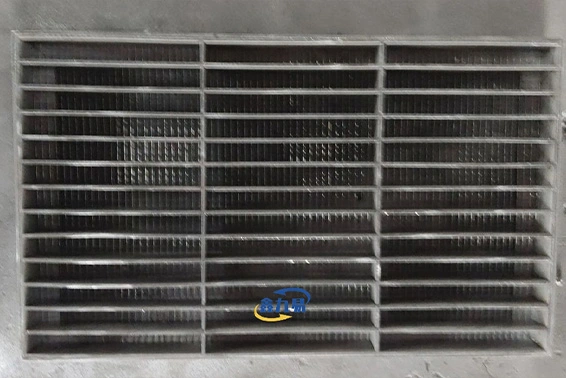
A stainless steel drainage grating is composed of load-bearing flat bars that are joined together by cross bars that are welded, press-locked, or swagged at regular intervals. The flat bars run longitudinally. The final panel must be uniform in size and shape throughout its entirety. According to NAAMM MBG 531, bar grating must satisfy specific load ratings and deflection limits prior to being permitted to exit the production floor. ASTM A666 specifies the tensile and yield strengths of austenitic stainless steel sheet, strip, plate, and flat bar, as well as the process for their production.
Main Product Types
There are four methods of producing something, each of which caters to a distinct style and load requirement. Welded grating is most effective in areas with high traffic due to its rigid connections. A smooth, clean surface that can be utilized in architecture is produced by press-locked grating. Vibrations are effortlessly managed by riveted grates. Swaged grating is frequently employed in locations where weight reduction is a critical factor, as it is less heavily constructed. Welded stainless steel panels are the industry standard for production at Xinjiuyi due to their superior ability to maintain their welds during traffic and drainage load cycles.
Alloy Grades and Their Role
Grade 304 has 18% chromium and 8% nickel, which makes it resistant to rust in most air and water conditions. Grade 316 adds 2–3% molybdenum, which stops chloride-induced pitting, which is the most common way that things break in seaside areas and places that use chlorine-based cleaners. Over the course of 15 to 20 years, 304 works well for municipal drainage projects in normal urban settings. Stainless steel bar grating of 316 is the right standard for infrastructure near the coast, food processing companies, and breweries.
Key Benefits and Industrial Applications
Why Corrosion Resistance Matters in Practice?
When used for outdoor drainage, galvanized steel gratings usually last 5–8 years before surface rust starts to weaken the structure. On the other hand, stainless steel forms a chromium oxide passive layer that fixes itself and doesn't need to be painted, coated, or treated on a regular basis. This is a real advantage over the lifecycle. Choosing a product with a 15–30 year service life lowers the total cost of ownership over the life of the contract. This is especially helpful for municipal procurement teams that are in charge of projects with tight maintenance budgets and payment terms of 3–6 months.
Here are the main situations where stainless steel drainage grate regularly works better than other options:
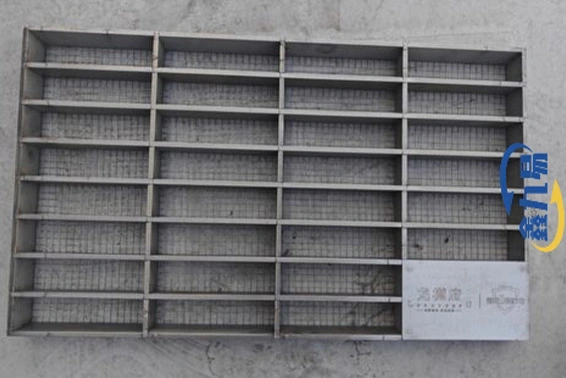
- Municipal road and park drainage: Optimized slot spacing intercepts leaves and stones without restricting flow rate. Panels are delivered in standard lengths — 300 mm to 600 mm — and custom sizes that match engineering drawings precisely, eliminating on-site trimming and rework.
- Food processing and commercial kitchens: The non-porous surface resists bacterial accumulation, supports direct washdown with high-pressure water, and meets FDA hygiene protocols. Uniform slot patterns prevent debris accumulation at weld intersections, which is the most common audit failure point.
- Chemical and petrochemical facilities: In environments where acid or caustic washdown is routine, 316-grade panels maintain structural integrity where carbon steel would corrode within months.
- Construction site drainage: Temporary drainage trenches need panels that handle foot traffic, equipment movement, and sediment-heavy runoff simultaneously. High structural strength ensures safe pedestrian and light vehicle crossing over open trenches.
Chemical and petroleum plants: In places where acid or caustic cleaning is common, 316-grade panels keep their structure, while carbon steel would rust in just a few months.- Drainage on a construction site: Panels that can handle foot traffic, moving equipment, and sediment-heavy runoff all at the same time are needed for temporary drainage trenches. High structural strength makes it safe for people and light vehicles to cross open trenches.
Maintenance Over the Product Life Cycle
Because of these qualities, stainless grating is the best choice for projects that need to last a long time, follow hygiene rules, or be exposed to chemicals.
Comparing Stainless Steel Grating with Other Materials
Stainless Steel vs. Carbon Steel and Galvanized Steel
Without a protective coating, carbon steel rusts quickly, and galvanized coatings wear off when they get scratched or are in acidic environments. Stainless steel bar grating doesn't need any extra safety. Over ten years, the costs of replacing and re-coating galvanized grating usually add up to more than the difference in price for stainless steel at first. For fixed installs, stainless steel is therefore the more cost-effective choice.
Stainless Steel vs. Aluminum and Fiberglass
Aluminum grating is lighter, but it can't hold as much weight, and it shouldn't be used in food-contact situations because the surface could react with food. Fiberglass grating doesn't rust, but it can't hold as much weight as stainless steel at the same sectional size, and it can't be joined or cut to non-standard sizes with the same accuracy. Stainless steel is still the best choice for projects that need to meet normal B2B requirements for load capacity certification, custom slot measurements, and material makeup certification.
Lifecycle Cost Analysis
It costs more per unit to buy a stainless steel grating panel that is rated to last 15 to 30 years in an outdoor draining application. During the whole project's lifecycle, however, the total cost is lower when parts are replaced less often, coating maintenance is skipped, and hygiene or structural standards are always met. This estimate is especially useful for city procurement engineers who are in charge of multi-phase projects and whose maintenance budget covers the costs of replacements but not the capital budget.
How to Choose the Right Grating for Your Project?
Grade, Spacing, and Load Class
Start with the world around you. 316 is needed in places where chlorine is present, like coastal areas, food plants that use CIP cleaning systems, or chemical plants. The standard outdoor uses for 304 in cities work well. How far apart the slots are should depend on the type of debris you need to catch. For example, 20–30 mm between slots for small debris in pedestrian areas and 50–100 mm between slots for larger drainage channels. 2–4 mm plate thickness is good for pedestrian loads, and 5–8 mm plate thickness is good for light vehicle zones.
Customization and Drawing-Based Orders
Catalog sizes don't always work for every project. If your engineering drawing calls for non-standard measurements, Xinjiuyi's production team uses the plans you send them directly to make stainless steel bar grating panels with the exact slot width, general measurements, and surface finish that you need. This gets rid of the differences in measurements that lead to extra work during installation. It is standard practice to confirm a sample before the full production run.
Supplier Verification for Bulk and Export Orders
For large sales, ask for mill certificates with tracked heat numbers that show what kind of alloy is in each batch. For exports, make sure the seller has anti-rust packaging that is rated for ocean freight and a proof of origin. The best way to avoid material replacement problems is to check these papers before placing an order. This is especially important to avoid switching 201 for 304, which is known to be a sourcing risk in the market.
Procurement Practices and Market Considerations
Evaluating Suppliers Against Project Requirements
A trustworthy company that makes stainless steel grating can test for PMI (Positive Material Identification), check the dimensions during production, and make sure the welds are strong before sending them out. Getting ISO 9001 certification means that you have a written quality control system. For foreign buyers, being able to get an answer 24 hours a day and having technical documents written in English make the buying process a lot easier.
Managing Lead Times and Batch Delivery
Deliveries must usually be made in stages to fit the plans of municipal projects. If a supplier has enough capacity to make the goods, they can promise lead times of 15 to 30 days for standard sizes and batch delivery schedules for big orders. Confirming this capacity before signing the contract keeps the schedule from getting squished later.
Export Packaging and Logistics
For shipping containers, panels are kept safe during ocean transit by moisture-resistant packaging like wooden crates with anti-rust film. Mixed loads with different specifications can be put together into a single container package. This lowers the cost of freight per unit for trading companies that have to meet the needs of a wide range of foreign clients.
Conclusion
Stainless steel bar grating is used in tough situations because it has a proven alloy composition, a load-tested structural capacity, and a service life that lasts decades longer than galvanized alternatives. When purchasing teams are in charge of municipal infrastructure, buildings that need to be clean, or foreign supply lines, the choices they make about materials and suppliers during the quotation stage have a direct effect on how well the project works in the long run. When you choose a maker that uses traceable materials, lets you customize based on drawings, and has a reliable batch delivery schedule, you get rid of the factors that can cause problems on the job site later on.
FAQ
When should I specify 316 instead of 304?
Specify 316 when the installation environment involves chloride exposure — coastal locations, facilities using chlorine-based cleaning agents, or chemical processing areas. The molybdenum content in 316 prevents pitting corrosion that would damage 304 in these conditions.
Can I order non-standard slot sizes and panel dimensions?
Yes. Xinjiuyi produces drawing-based custom orders with slot spacing from 20 mm to 100 mm and panel dimensions across a wide range of length, width, and height configurations. Submit your project drawings for a production-ready quotation.
How do I verify the material grade I receive is what I ordered?
Request mill certificates with heat numbers for each production batch. PMI testing at the factory or on arrival provides direct spectroscopic confirmation of alloy composition, confirming whether the material is 304 or 316 as specified.
What surface finishes are available?
Mill finish suits most structural drainage applications. Polished finish is specified for food-grade and hygiene-sensitive environments where surface roughness must be minimized to prevent bacterial retention.
How is load-bearing capacity verified?
Capacity is calculated from the section modulus of the bearing bars and confirmed through deflection testing per NAAMM load tables. Xinjiuyi conducts sample-batch load testing before shipment on request.
Partner with Xinjiuyi for Your Next Grating Order
Xinjiuyi makes certified stainless steel bar grating in grades 201, 304, and 316. They can make it exactly how you want it by using your models to help them plan batch deliveries and export packing for container shipping. We are an experienced manufacturer of stainless steel bar grating with an ISO 9001 certification and a direct production facility in Cangzhou. We work with municipal contractors, clean facility engineers, and buyers from other countries. To get a quote, email your models or specs to global@xjy8.com.
References
1. National Association of Architectural Metal Manufacturers (NAAMM). Metal Bar Grating Manual MBG 531. 2000.
2. ASTM International. ASTM A666: Standard Specification for Annealed or Cold-Worked Austenitic Stainless Steel Sheet, Strip, Plate, and Flat Bar. 2015.
3. Baddoo, N. R. Stainless Steel in Construction: A Review of Research, Applications, Challenges and Opportunities. Journal of Constructional Steel Research, 2008.
4. International Molybdenum Association (IMOA). Practical Guidelines for the Fabrication of Duplex Stainless Steels. 2014.
5. Euro Inox. Stainless Steel: Tables of Technical Properties. Materials and Applications Series, 2007.
6. American Institute of Steel Construction (AISC). Design Guide for Stainless Steel Structures. 2020.