How Tower Crane Anti-climbing Devices Improve Base Protection and Site Safety
A tower crane anti-climbing device improves base protection by placing a physical barrier between ground-level activity and the mast's lower access route. It stops unauthorized people from climbing, discourages vandalism, and keeps animals out of the base area. That barrier lowers fall risk, protects equipment near the foundation, and supports cleaner safety inspections. It works best as one layer in a wider plan that includes fencing, signs, lighting, and access rules. In this guide, I explain how these devices work, how to compare types, and what to check before you buy for one site or an entire rental fleet.
Why Tower Crane Base Protection Requires More Than Physical Barriers
Exposed Access Points at the Crane Base
The easy parts of a tower crane to get to are the base and lower mast. Anyone can walk up to them, even visitors, delivery workers, and people who aren't supposed to be there, especially after work hours. The U.S. Bureau of Labor Statistics says that falls are still the biggest reason people die on the job in building. When someone climbs up on top of a crane mast without permission, it's easy for something bad to happen or for someone to need help. People who follow "urban climbing" trends on social media may think that an unguarded crane is a scary thing to deal with. One easy fix is to make it harder to get to the ground floor.
What a Tower Crane Anti-Climbing Device Does
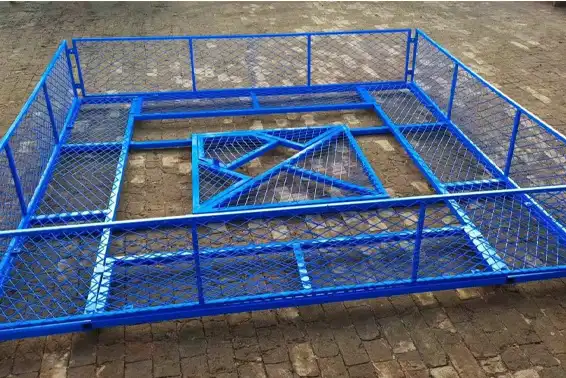
A tower crane anti-climbing device is a wall that keeps people from getting to the mast or the lower climbing route. Cages, panels, gates, or mesh are used in mechanical versions. Sensors and alarms are added to electronic models. Hybrids have both of these features. The gadget doesn't take the place of approved ladders, fall protection gear, or training. Its job is simple: keep people who aren't supposed to be there off the mast so that trained maintenance crews can still use the right steps to get to the crane. It makes it less likely for people to mess with electrical cabinets, anchor points, and other parts close to the base because only certain people can start a climb.
Why Layered Protection Works Better?
Nothing can stop all risks. Someone who is motivated to break in can try a barrier, and a warning sign by itself can't stop someone. Strong sites have gates, lights, signs, a block on the mast, rules for getting in and out, and regular checks. The main safety rules for crane work in the US are set by OSHA's Subpart CC rules for cranes and derricks in construction. A barrier should fit into that bigger plan. As for who checks each layer, I think you should ask your safety manager to make a map of it. That habit finds holes before an inspection or an event does.
How Anti-Climbing Devices Improve Tower Crane Base Protection
Creating a Controlled Separation at Ground Level
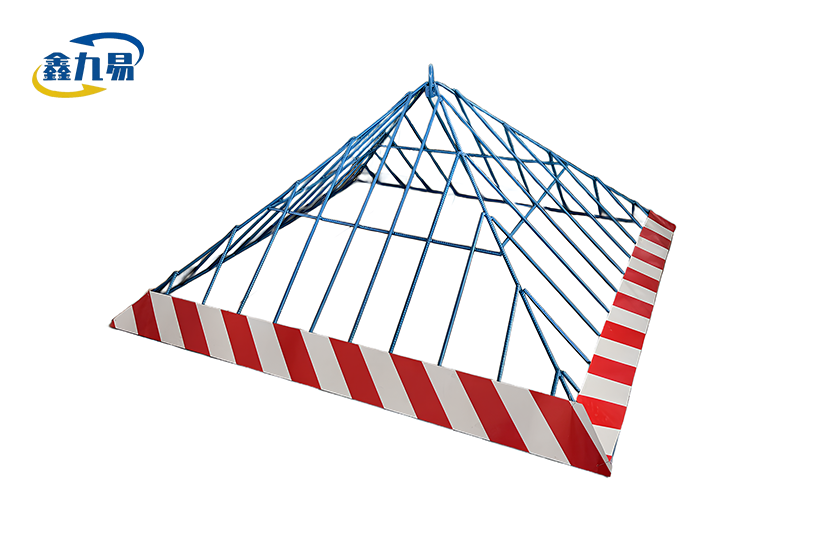
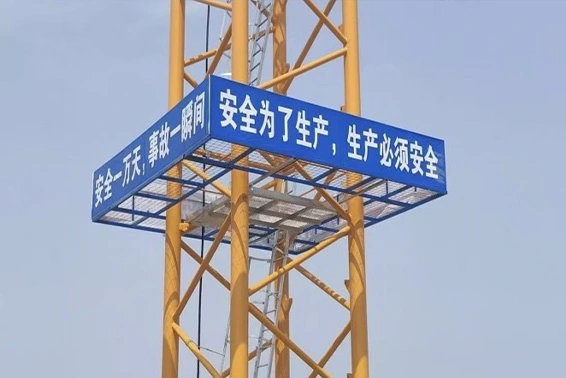
A wall around the lower mast makes it clear that the crane's vertical path is separate from other people on the site. Not just ignoring a sign is not enough for someone who wants to climb. They must first get past a real barrier. This can be used at any time without a guard being there. The tower crane anti-climbing device on Xinjiuyi's tower crane is made of welded rectangular tubes, steel plates, or anti-climb mesh. The unit is put in place in the area from the base of the mast up to the operational level, which is where most illegal climbs start. Animals can't get into the lower area either because of the same design.
Protecting Sensitive Parts and Reducing Vandalism
The lower mast and base hold electrical equipment and anchor connections that need to be kept safe from being messed with. This kind of damage can stop a crane and make a project take longer than planned. A strong wall makes it harder for people to just walk in and out, and it gives them a clear reason to stay out. Our units are made of steel that doesn't wear down or break easily, so they can handle bumps from site traffic and bad weather. That's important for rental companies because a guard that lasts on the job site means less downtime between jobs and fewer broken parts to replace. The owner of the site can also show clients and insurance companies that limits are in place.
Making Safety Visible Day and Night
People appreciate walls they can see. High-brightness reflective warning strips and big "No Climbing" signs come with every Xinjiuyi unit. These make it easier to see at nite. Inspectors, clients, and government officials can also see that these parts of the site have taken clear steps to control access. Controls that can be seen also help your documentation. More proof of due care can be found in photos of the barrier that was put up, the signs that were put up, and the inspection records. This barrier with clear signs tells people two things at once: climbing is not allowed and is physically stopped.
Mechanical vs. Electronic Anti-Climbing Systems: Choosing the Right Type
Mechanical Barriers: Simple and Always On
Cages, bars that can be locked, screens, mast guards, and mesh are all examples of mechanical systems. They don't need any software, power, or wifi. They keep working even when the site is down or no one is looking at it. Because each unit has fewer parts that can go wrong, they are a good choice for fleets that work on a lot of different projects. On the other hand, a mechanical barrier can't send a message. If people try to break into your site over and over, it might need an extra layer of security. A strong physical barrier is still the first layer because it slows down access and gives someone time to respond.
Electronic and Hybrid Systems: Adding Alerts
Electronic systems include motion detectors, door sensors, alarms, online alerts, and logs of who has been in and out. If you don't want to be patrolling all nite, they're good for high-value, remote, or multi-crane projects. They also need a stable power source, wires that are kept safe, extra batteries, and a way to communicate. All of these things need to be checked. In hybrid systems, there is both a physical barrier and tracking. The barrier slows down an invader, and the alarm calls for help. The tower crane anti-climbing device in Xinjiuyi is a physical barrier with warning lights. Talk to our team about alarms if your site also needs them before you place your order.
How to Compare Options Beyond Purchase Cost
Take a look at the full cost of ownership, not just the quote. Check the coverage area, the strength of the locks, the resistance to forced entrance, and the escape exit. Check to see how well the barrier stands up to impact, corrosion, water, dust, and UV light. Add up the time it takes to install, change parts, train, fix, and shut down. Find out what test papers the provider can give you. People in the US often ask for hot-dip galvanizing paperwork that references ASTM A123, and some also ask for ASTM B117 salt spray testing. Check with each supplier to see what reports they have. Over the life of a fleet, a cheaper unit that rusts or needs to be replaced often may cost more.
Selecting, Installing, and Maintaining a Tower Crane Anti-Climbing Device
Start with Crane and Mast Details
The main concern for fleet owners with many brands is the inappropriate size. Get the crane's brand and model when ordering, the mast section dimensions, the blueprints of the ladder and platform, the base arrangement and the mounting locations. Send them to the supplier and ask for plans before production. Xinjiuyi offers you designs and specs to review before they start manufacturing anything, so if there is an issue your team can locate it on paper and not at the project site. Your fleet may be a combination of Potain, Liebherr, Zoomlion and other names. First, sort your cranes by mast type. Then sort them by group such that each pair of boxes corresponds to a confirmed set of measurements.
Install Without Welding and Test Before Handover
Our device consists of bolt-on modules, so the crane mast doesn’t have to be welded. They are installed on standard mast sections with non-alterable bolts. Usually a two-person team can install them in less than an hour, without special equipment. After installation, verify that the pieces are properly aligned and there are no gaps, indicators or obstructions to allowed maintenance access. Verify that the normal methods of attachment and climbing still operate using the correct tools by qualified maintenance personnel. Document the findings, train the staff who need to be taught and save the inspection form with the crane file.
Avoid Common Mistakes and Inspect Routinely
Same issues on other sites. Some teams check for danger indications solely. Some people buy without looking at the measurements of the mast, blocking access for maintenance staff, or without doing any inspections after the installation is complete. Most of this is done via a quick routine. After installation, after any impact, after poor weather and each time the crane is moved inspect bolts, corrosion, panels and signs. Look for adjustments that you didn't make. Make it simple to get into the area, so only permitted personnel will desire to remove the barrier. When you need to transfer equipment you may build and dismantle our modular modules, but be sure they fit well every time!
Procurement Guide: Buying a Tower Crane Anti-Climbing Device from a Qualified Manufacturer
Build a Clear RFQ
A clear "request for quote" for a tower crane anti-climbing device will save a lot of email. Include the brand and model of the crane, the mast's size and number, the site's conditions, the surface finish you want, where the delivery will happen, the documents you need, and how much installation support you expect. Ask each supplier about compatibility, drawings, customization, materials, warranty, replacement parts, shipping method, lead time, and how to stop corrosion. Compare quotes for the tower crane anti-climbing device based on the total cost of delivery, which should include customization, packing, freight, and extra parts, not just the cost per unit. Write down the wait time and the rules for after the sale. When you place another order, ask the supplier how they keep track of the approved sizes so that each new order is the same as the last.
Xinjiuyi Product Specifications
This is what we have to offer. Height is 500 mm as a rule. The standard lengths are 3000 mm and 4000 mm, and the standard widths are 3000 mm and 4000 mm. We can change the widths to fit your crane model. You can get different lengths, widths, and heights to fit different mast sections and project needs. The body is made of steel plates and galvanized rectangular tubes that have been hot-dip galvanized or powder coated to keep them from rusting outside. There are "No Climbing" signs and bright strips on each building. Our company is certified by ISO 9001, ISO 45001, and ISO 14001, and our products are made to last up to 20 years.
Customization and Support for Fleet Buyers
Rental companies and project buyers don't usually use just one type of crane. Our engineering team can make changes to the panel designs, mounting configurations, and sizes based on your needs. Additionally, our pre-sales technical staff can create renderings so you can check the look and fit before the product is made. We are based in Cangzhou, Hebei, and have full production facilities and a well-established supply chain. We help with projects from the planning stage all the way through delivery and on-site advice. You can get all the safety items you need from Hebei Xinjiuyi Construction Technology Co., Ltd., which also makes hoist safety gates, floor edge protection, and tower crane repair platforms.
Conclusion
A tower crane anti-climbing device keeps animals out of the lower mast area and stops people from climbing on top of the crane without permission. Along with fences, signs, lighting, entry rules, and inspections, it works best as a single layer. Electronic and mixed systems add alerts but need power and maintenance, while mechanical walls are always on and don't need it. Before ordering, buyers should compare the total cost of ownership, corrosion protection, and test documents. They should also make sure they have the right mast measurements. The mast stays together because it is bolted on without welding, and regular checks find any corrosion, loose fasteners, or changes that were not authorized. Clear RFQs and approval of drawings cut down on size mistakes, especially in fleets with a mix of brands. All of these steps together give project teams a crane base that can be controlled, seen, and maintained.
FAQ
Does a tower crane anti-climbing device replace fall protection?
No, the device won't let anyone else get to the mast without permission. On every job site, you still need approved ladders, fall protection gear, training for workers, regular checks, and escape plans.
Can the device fit different crane brands?
It fits standard mast pieces. After you send us your mast details and drawings, we can make the right sizes for brands like Potain, Liebherr, and Zoomlion.
Does installation require welding?
No, the movable pieces are attached to the mast with bolts that can't be removed. A normal repair is usually done in less than an hour by a team of two people.
What does the finish on the surface protect against?
When steel is used outside, it won't rust because of hot-dip galvanizing or powder coating, which protects it from rain, snow, and UV light.
What information do you need for a quotation?
Please send the brand and model of the crane, the mast's size and number, the site conditions, the shipping location, and any changes that need to be made.
Request Your Tower Crane Anti-Climbing Device Quote from Xinjiuyi
Xinjiuyi is a company in Cangzhou, Hebei, that makes anti-climbing devices for tower cranes. They offer unique sizes, hot-dip galvanized or powder-coated finishes, and bolt-on installation. To get your crane models, mast sizes, and quantities, email them to global@xjy8.com. Our team will look them over and make drawings for you to approve.
References
1. Occupational Safety and Health Administration, Cranes and Derricks in Construction (29 CFR 1926 Subpart CC), 2010
2. U.S. Bureau of Labor Statistics, National Census of Fatal Occupational Injuries in 2022, 2023
3. ASTM International, ASTM A123/A123M Standard Specification for Zinc (Hot-Dip Galvanized) Coatings on Iron and Steel Products, 2017
4. ASTM International, ASTM B117 Standard Practice for Operating Salt Spray (Fog) Apparatus, 2019
5. International Organization for Standardization, ISO 45001 Occupational Health and Safety Management Systems, 2018
6. CPWR – The Center for Construction Research and Training, The Construction Chart Book, 2018