How Covered Safety Walkways Improve Construction Site Safety and Efficiency
A construction covered safety walkway is one of the most practical investments a project safety manager can make. These overhead protection systems shield workers, visitors, and equipment from falling debris while keeping site traffic moving without interruption. According to OSHA, struck-by hazards account for nearly 10% of construction fatalities each year in the United States. A properly engineered covered walkway directly addresses this risk by placing a certified barrier between ground-level personnel and elevated work zones.


Understanding Covered Safety Walkways in Construction
Before you look for suppliers or compare products, it's helpful to know what these structures are meant to do and what standards they need to meet.
What Is a Covered Safety Walkway?
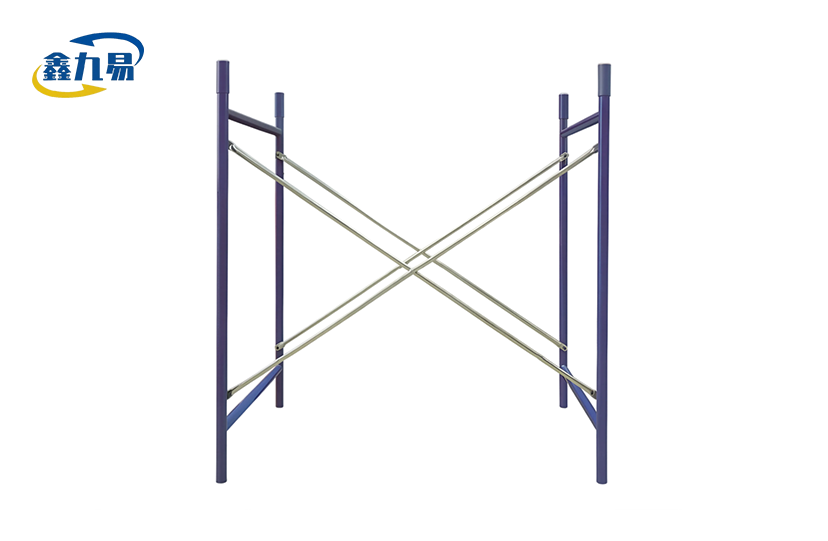
A covered safety path is a modular, overhead security passageway that is put up on building sites to make sure that workers and tourists can get from one place to another safely and without any problems. The building is above the walkway, so it can catch any tools, materials, or other things that might fall from the upper floors or scaffolds. For example, Xinjiuyi's system has 100 mm × 100 mm structural columns with a 2.0 mm wall thickness and a typical height of 3,700 mm to allow for normal site activity.
Materials and Structural Design
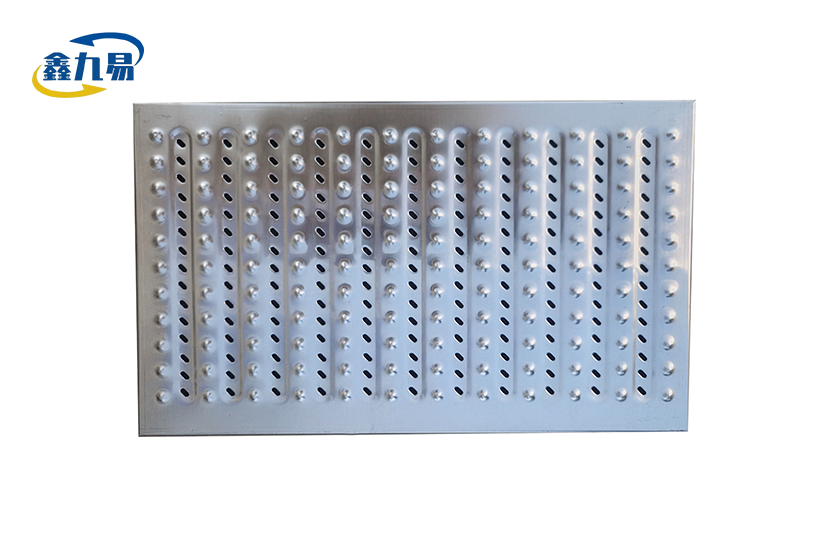
A steel frame made of Q235-grade stainless steel and I-beams or channel steel is used to make the most lasting overhead passage systems. The main frame of Xinjiuyi is made of thickened, galvanized rectangular tubes that are welded together with steel that meets national standards. The top layer of protection is made up of either double-layer mesh or anti-smash boards that are made to soak up the force of falling bricks or tools. The surface treatment includes both hot-dip galvanizing and electrostatic powder coating, which makes it resistant to rust and good for up to 20 years of use outside.
Compliance Standards That Matter
In the US, job sites with covered walkways must meet OSHA 1926 Subpart L for overhead protection, and ANSI/ASSE A10.34 says that standard configurations must be able to hold at least 150 pounds per square foot (psf). Internationally, EN 13374 sets the rules for temporary edge protection, and ISO 9001 approval proves that a company has a quality management system in place. Xinjiuyi has ISO 9001, ISO 45001, and ISO 14001 certifications. This gives buying managers a record that can be checked when safety papers are filed.

Comparing Covered Safety Walkways to Alternative Safety Solutions
It's common for site managers to weigh covered paths against choices that are easier to use or cost less. It's important to look at this comparison carefully because the cost of an accident is much higher than the cost of good security.
Covered Walkways vs. Temporary Fencing
Temporary fence changes the flow of foot traffic but doesn't protect the area above. Things that fall can go through a fence and hit anyone standing close. From above, a construction covered safety walkway surrounds the passage, turning an open-air danger zone into a safe corridor. For buildings going up near sidewalks or places with a lot of foot traffic, this difference is legally important because of safety rules set by local governments.
Covered Walkways vs. Uncovered Scaffolding Planks
While scaffolding boards provide a working surface, they rarely make a continuous, weatherproof barrier above people working at ground level. The workers below are still open to both debris and rain. A covered passage system with anti-smash boards meets the standards for impact resistance that open scaffolding can't. It also keeps the ground way free of things that could cause someone to trip, like water dripping or loose materials.
Installation Complexity and Long-Term Cost
This is the best place where flexible design really shines. The walkway in Xinjiuyi is made of bolt-together modules that can be put together and taken apart by a small crew without the need for heavy machinery. Because parts can be used in more than one project, the cost of the initial investment is spread out over more than one project cycle. When a site manager figures out the total cost of ownership, which includes possible OSHA fines, project delays due to accidents, and rework from structures that don't meet standards, the covered walkway option always ends up being cheaper than other options.
Selecting the Best Covered Safety Walkway Solution for Your Construction Site
To pick the right system, you have to make sure that the product specs match the conditions of the site, the time frame for the project, and the legal requirements.
Site-Specific Risk Assessment
First, make a map of the high-risk areas on your project drawings. Find all the places where workers below could be hurt by things falling from floors higher than 6 feet. Find out how wide the path needs to be (Xinjiuyi has normal widths of 3,000 mm, 4,000 mm, and 6,000 mm) and how high the clearance needs to be. Xinjiuyi includes reflective warning signs as standard for projects that are close to busy public pedestrian paths so that they can be seen at nite.
Supplier Certification and Lead Time
Check the supplier's ISO certifications, ask for load-bearing performance test reports, and compare the supplier's production capacity to your delivery schedule when looking for a construction covered safety walkway. With a stable supply chain and the ability to make things exactly to your plans, Xinjiuyi, which is based in Cangzhou, Hebei, can meet project deadlines. Procurement managers who need to open a project within two to six weeks should check the wait time before sending out a purchase order to keep the project on track.
Customization and Scalability for Multi-Project Portfolios
Standardized parts that can be used regularly help safety leaders who are in charge of multiple job sites. Xinjiuyi makes all of its parts to the same exact measurements every time. Its modular design lets it be put together in different ways, such as with longer hallways, wider passages, or higher clearances, without having to start from scratch with a new design. You can get custom warning slogans, safety signs, and branded baking paint colors. These meet the high standards for safe construction that are needed for inspections and site evaluations.
Installation and Maintenance Best Practices for Covered Safety Walkways
When built or kept incorrectly, even the strongest construction doesn't work well. Sticking to a set process keeps both the tools and the people who use them safe.
Step-by-Step Installation Guide
Make sure the ground is level, there are pin points available, and there is enough space between the structure and any overhead services before putting it together. Set up the modular parts in the right order, then connect the base plates to the foundation bolts that have already been prepared. Finally, build the column-and-beam frame from the bottom up. Before letting anyone use the passage, put up the top layer of protection, which could be double-layer mesh or anti-smash boards. A final check of the load and a direct look at all the welds and bolts should be written down in the site safety record.
Routine Inspection and Maintenance Protocol
Most local laws and OSHA rules call for a qualified check every 30 days or after a big weather event. Check the torque values of all the fasteners, look for dents or mesh tears in the top protection layer caused by falling objects, and make sure that the warning markings can still be seen during each inspection. Hot-dip galvanized steel is very good at keeping its surface from rusting, but any scratches in the powder coating should be fixed right away to keep the 20-year service life that Xinjiuyi builds into every system.
Documentation and Compliance Record-Keeping
For each construction covered safety walkway unit, keep a maintenance log that lists the dates of inspections, what was found, and what was done to fix the problem. When safety officials come to the site, this paperwork shows that the project did its homework and supports its application for safe-site approval or an award. A standard log format used by all Xinjiuyi units makes keeping records consistent and ready for audits for procurement managers who are working on multiple projects at the same time.
Real-World Impact: Case Studies and Measurable Outcomes
When you look at real-life accident data, it's easy to see how valuable overhead passage protection is.
High-Rise Residential Project
During the framing of a large residential tower project in the middle of a city, covered passage systems were installed at all ground-level entry and exit points. During the 14 months of building, there were no cases of being hit by vehicles in protected areas. The continuous overhead barrier stopped three major tool drops during the project, which was directly credited by the site supervisors.
Municipal Road Renovation Corridor
Along 120 meters of the project frontage, a modular covered walkway was put in by a city contractor working on a busy commercial street. During a 10-week lane shutdown, there was no interruption in the flow of pedestrians. The contractor said that keeping the public's access open cut down on complaints to city officials and helped get the road occupation permit renewed quickly.
Procurement Manager Feedback
One procurement head who was in charge of a group of business developments said that using the same covered walkway supplier for all of them cut the time needed to review specifications and check out suppliers by about 40% compared to doing it by hand for each project. Consistent part sizes also cut down on the time it took for the installation crew to learn how to do their job when a new project began.
Conclusion
Construction covered safety walkway systems are not extras that can be added to a well-run construction site; they are structural safety requirements that have a direct effect on the number of accidents, compliance with regulations, and the project's reputation. From the anti-smash top layer and Q235 steel frame to modular reusability and custom signage, every choice about specifications should be made based on the needs of the site and the safety standards that apply. Before the first person arrives on the job site, Xinjiuyi helps safety managers and buying teams put in place safe, long-lasting protection that meets all the requirements.
FAQ
What load capacity should a covered walkway meet?
As per ANSI/ASSE A10.34, the lowest live load that can be used is 150 psf for normal setups. Heavy-duty types can handle up to 300 psf. Xinjiuyi's system is made with Q235-grade steel framing that is intended to handle these loads. Before you buy something, always ask the seller for a test report.
Can these structures handle wind and rain exposure?
Yes. The frame is made of hot-dip galvanized steel, which doesn't rust in humid or seaside areas and can last for 10 years or more in harsh circumstances. With the right lateral bracing and anchor points, systems built to ASCE 7-16 standards can withstand wind speeds of up to 110 mph.
Are custom dimensions available?
You can change the length, width, and height of Xinjiuyi to your liking. Standard lengths are 3,000 mm, 4,000 mm, and 6,000 mm, but you can also get them made to fit your needs. Clients can send in project drawings and get parts made that fit the exact layout of their site.
How long does installation take?
An average modular piece that is 6,000 mm long can be put together by a small group of people in a few hours. Full-corridor installations depend on the total length and the conditions of the site, but most of the time, heavy lifting equipment is not needed because the panels are bolted together.
Request a Quote from Xinjiuyi — Your Trusted Construction Covered Safety Walkway Manufacturer
Xinjiuyi provides construction covered safety walkway systems for projects in the residential, commercial, and public sectors around the world. Our production is ISO-certified, the structural design life is 20 years, and we offer a full customization service. This gives procurement managers the peace of mind they need to meet inspection dates and safety standards. Get in touch with our team right away to talk about a project-specific consultation or a large sale. To get your price, email us at global@xjy8.com.
References
1. Occupational Safety and Health Administration. OSHA 1926 Subpart L: Scaffolding Standards for the Construction Industry. U.S. Department of Labor, 2023.
2. American Society of Safety Professionals. ANSI/ASSE A10.34: Protection of the Public on or Adjacent to Construction Sites. ASSP, 2021.
3. American Society of Civil Engineers. ASCE 7-16: Minimum Design Loads and Associated Criteria for Buildings and Other Structures. ASCE, 2016.
4. European Committee for Standardization. EN 13374: Temporary Edge Protection Systems — Product Specification and Test Methods. CEN, 2018.
5. Bureau of Labor Statistics. National Census of Fatal Occupational Injuries in Construction. U.S. Department of Labor, 2022.
6. International Organization for Standardization. ISO 9001:2015 Quality Management Systems — Requirements. ISO, 2015.