Custom Stainless Steel Sump Pit Covers: Sizes & Grates
Custom stainless steel sump pit covers are cut to the exact pit opening, fitted with a solid plate or drain grate, and rated for the traffic that crosses them. A well-specified stainless steel sump pit cover closes the pit without gaps, drains surface water, resists corrosion in damp basements, and opens for inspection. Sizes usually run from 600 mm to 1200 mm per side. Plate thickness depends on the load, and the grate pattern depends on drainage and safety needs. We explain how to choose each detail so your next garage project passes inspection and stays quiet under vehicles.
Why Underground Garages and Commercial Projects Need a Custom Cover
What a Stainless Steel Sump Pit Cover Does
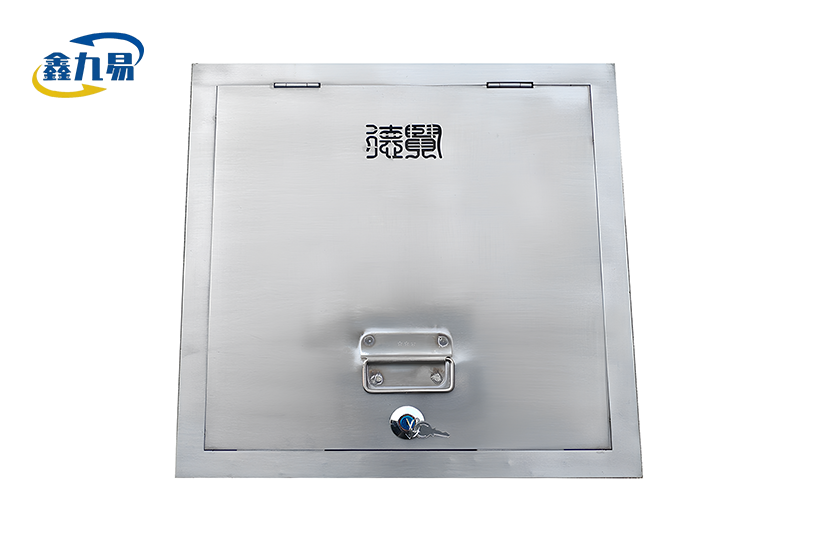
A stainless steel sump pit cover can be used to cover any drain hole, pump hole, or service opening. You can hinge this piece on or off. The wall or screen might be held in place by the frame of a full unit. Hinges, locks, and plugs may also be on it so you can pull it apart. That way, people and cars can't fall into the pit, and trash stays out. It also gives people who do repair a planned way to enter and leave. The solid shapes help keep things and smells inside. The ones with grates let air and water flow through. It's better to have a cover that is made to fit than a stock plate that is pushed into the hole because pits, ledges, and depths come in different sizes.
Problems We See in Underground Garages
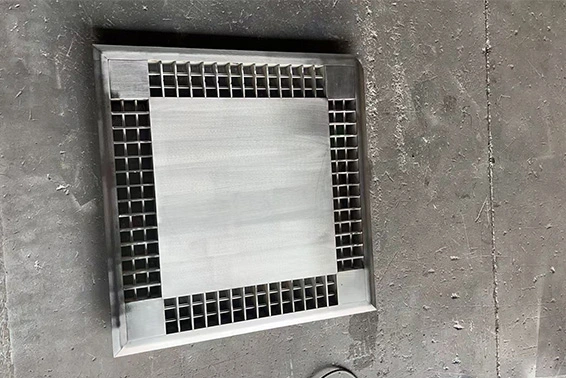
Garages that are buried stay wet, and water builds up around the ramps, drains, and sump pits. People and cars are both more likely to slip in still water. This makes rust marks on the slab and painted cast iron that hides the rust. They need new paint. Plates that are too thin or not attached properly can bend after being driven over a lot of times. Rule 29 CFR 1910.22 from OSHA says that open pits at work need to have guardrails or covers. Not having a cover or having a broken cover is also against the rules. For these issues, our stainless steel designs can help. They don't rust and have a tight fit, a surface that won't slip, and holes for water to drain.
Sump Covers Compared with Trench Covers, and Where They Are Used
While trench covers go over long, straight drainage channels, stainless steel sump pit covers close off a single pit. This difference changes the span, the type of support, and the way to get to the data. This type of cover can be found in places like pumps, warehouses, underground parking lots, food processing areas, and business basements. Garages should have enough room for cars, good drainage, and a clean look. It's more important for food plants to have sides that are easy to clean and welds that are smooth. Salt and chemicals touch 316 stainless steel parts at sewer sites, but people still buy them because they won't rust. You won't buy something based on size alone, which is what most people do wrong. Instead, you'll match the style to the place.
Choosing Sizes and Dimensions That Fit the Pit
How to Measure the Opening
It's easy to install things if you measure them correctly. Look at the hole more than once, because cast concrete pits aren't always square. Write down the length, width, depth, bearing ledge width, finished floor level, and any drains that are close by. Then, on your picture, draw three lines: the clear hole, the general cover size, and the frame's outside size. It slows down work on the site when a buyer asks for one of these and the supplier gives them a different price. Before you start making things, you should write down the standard measurements. Send us some field measures if the pits on a big job aren't all the same.
Standard Ranges We Offer
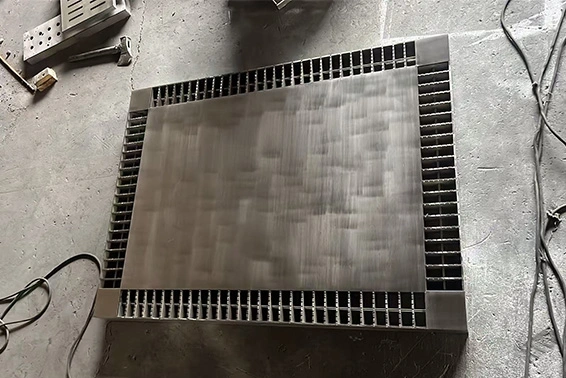
Stainless steel sump pit covers made by Hebei Xinjiuyi Construction Technology Co., Ltd. are 600, 700, 800, 900, 1000, or 1200 mm long and wide. You can ask for different sizes. You can pick a height of 40, 50, 60, or 70 mm. Based on the span and the amount of traffic, you can choose a plate that is 2 mm to 8 mm thick. You can use 201, 304, 316, 430, and galvanized steel. This range is for people who sell both sizes. It comes in 600 mm and 800 mm sizes. Our team can look at your plans and choose whether the wider spans need to be made stronger or the panels need to be split up.
Zero-Gap Fit and Field Deviations
People, wheels, and small tools can't fall into the pit because it's not made with any gaps. Yes, if you have a frame that fits on the shelf and a cover that fits over it. Because concrete pits don't always line up with the building plan, it's best to check in the field before cutting plates. Plans were there, but there were also pictures and sizes of the real pits. Before a sale is made, our team can help with technical issues and make drawings of the plan so that property inspectors and project managers can look it over before it is built. It is less likely that work will need to be redone when the covers get to the site if limits are set early on.
Selecting Grates, Surfaces, and Access Features
Solid Plate, Grate, or Hybrid
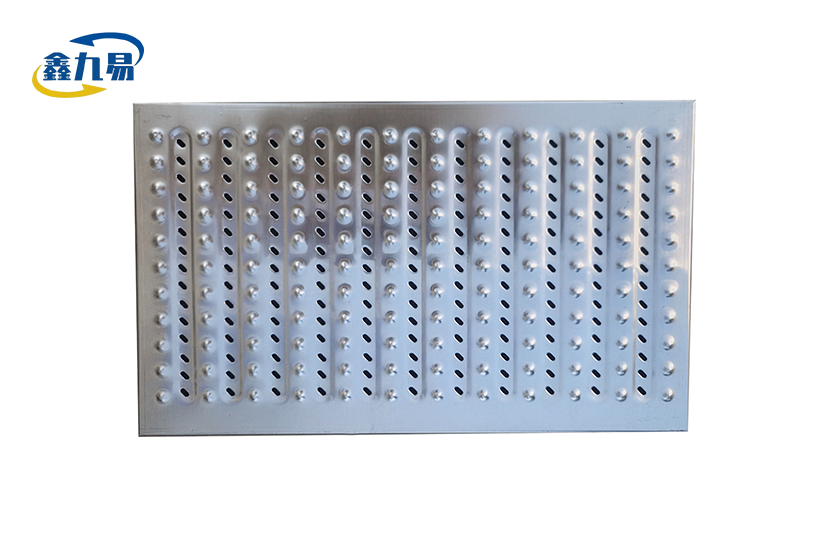
It should be easy to clean, drain, and breathe through this surface. A flat plate looks clean and keeps smells and dirt away. Water from the outside can go right into the pit through a vent. This works well for low spots and ramps for cars. On a hybrid structure, there is a solid part that people can walk or drive on, and a grate part that drains water. There are curved bars on flat bar flooring that help hold things up when it's wet. Someone from the company should check the drainage opening rate to discover the best balance between the load and the open space. Small things and heel tips can't get through holes that are too small.
Anti-Slip Finishes and Appearance
We have checkered stainless steel sump pit covers, brushed smooth covers made of stainless steel, and covers with a mill finish. The place where the shoes, tires, and water meet is more stable because of this plate with checks on it. Smooth brushed satin hides small scratches well and looks good on ramps and lobbies that are already finished. Since stainless steel is smooth and doesn't have pores, you can wash it and the finish will still look good. You can fill in the frame with tile or stone if it is set back. This makes the cover look like it's part of the floor. We can also print or stamp a name on it for projects that need a brand look. Pick the finish based on what the owner wants, how it cleans up, and how it looks when it's wet.
Handles, Hinges, and Locks That One Person Can Use
You have to be able to see a cover to tell if it's been used or not. Unless something goes wrong, it will stay closed. To open it, you need two people and a pry bar. Choose lifts or handles that are deep enough for gloved hands. You might want to think about hinges or getting help to lift heavy panels. There are two easy-to-use lifts in a wide hole that is split in half. No one who isn't supposed to be there can get in without locks, and our other locking systems are designed to let people in in case of an emergency. In the quote, it should say how much the panel weighs. Then you can check to see if that weight is more than what your site's rules say a person can safely carry. Try out a piece right now before you buy the whole thing.
Load Ratings, Material Grades, and Material Comparison
Reading Load Ratings Correctly
There is a number that tells you how much weight a cover can hold in certain situations. The thickness of the plate, the type of support, and the reinforcement all play a role. A cover made for people won't fit trucks, cars, or cranes. A15 means a walking path, and D400 means a road with a lot of traffic. The EN 124 standards are very important. The AASHTO loading standards are also the same. These are used by US projects for highway-type wheel loads. They are good for places where a lot of cars go and can be changed to fit the job. It's not just "heavy duty." Tell us the car's real width, wheel load, and make. People who own garages don't like it when frames and covers flex and rattle because of thin plates and weak seats. Use math or test papers to look over the whole cover and frame.
304, 316, and 201 Stainless Steel
Grade 304 is good for most cars inside and for business use in general. Chloride pits happen less often in Grade 316 because it has molybdenum in it. That makes it good for places near the coast (salt melts ice), chemical plants, and places that clean up waste water. Grade 201 is fine to use and doesn't need much exposure. Buying grades that look the same, like 304 and 316, is a very bad idea. Make sure the grade is written on the purchase order, ask for mill certificates, and get positive material identification if your project needs it. If you list ASTM A240 in your application, you can give everyone the same answer. It is what stainless steel plate, sheet, and strip should be made of in the US.
Stainless Steel Versus Aluminum, Galvanized Steel, and Cast Iron
Aluminum isn't very heavy and moves around easily, but it might not be strong enough to hold chemicals or heavy things. Galvanized steel is a good choice if you want to save money on a job. But rust can start to form in dry places if you scratch the surface. Cast iron is strong, but when it gets wet in the basement, it rusts and needs to be sprayed again. Stainless steel doesn't rust, is easy to clean, and doesn't need any extra coatings to keep looking good. That's why we suggest it for projects that need something that will last a long time and not need a lot of upkeep. If the project needs it, these can also be wired for electricity. Not just the panel itself, but also the full cost of installation and the value over the life of the contract, which includes any repairs or replacements.
Sealing, Installation, and Ordering
Watertight, Sealed, or Open Grate
Some pits don't need a lid that can be closed. Open grates work best in places where air flow and drainage are important, like pump rooms and garage floors. They can keep smells inside when they shouldn't be in places that need to be cleaned or where trash is dumped. We add special systems that keep smells out to make sure that gas doesn't get into houses. Learn the difference between terms like "gas-tight," "watertight," "water-resistant," and "odor-controlled." Not many grated covers are good at any of these things. Check the seal material, how flat the frame is, and how easy it is to change parts before you sign off on the design. Over time, people will figure out how to get around a seal that is hard to break.
Installation Checks
The stainless steel sump pit cover works well as long as it is put on properly. Before you put the frame in place, make sure you check the opening size, length, level, direction of the hinges, drainage path, and opening space. To make sure the frame doesn't bend, make sure it's level and well supported. After that, use the right concrete, glue, or bolts. Open and close each cover after putting the panel, handles, seals, and locks in place. Last, test it to see if it locks, rocks, or makes noise when you walk or roll on it. Check to see if the work done matches the approved plans and the amount of work that was given. The way our frame is made lets us put things exactly where we want them and keep everyone safe. Common tools can be used by teams to put it together.
Procurement Checklist and Supplier Selection
The quote cycle goes faster after the request is over. Include the exact hole size, depth of the pit, support conditions, grade of stainless steel, cover type, load rating, traffic category, finish, sealing needs, features for access, number, transport site, and plan. As well as load calculations, you should ask for sketches, standards, material certificates, load calculations, how to weld and treat the surface, and instructions on how to put the thing together. Make sure that all of the prices you get include tools, accessories, shipping, and packing. This will make it easy to compare prices. Its main office is in Cangzhou, Hebei, and it has ISO 9001, ISO 45001, and ISO 14001 certifications. They offer design, models, fast delivery, and help on-site before the sale. One of the most important things for wholesalers to do right away is to load and pack containers.
Conclusion
A stainless steel sump pit cover will work as long as it is the right size, has the right hole, can hold the right amount of weight, and is made of the right grade of steel. Before you start installing, make sure that the clear opening is measured correctly, that there is no space, and that everyone agrees on the tolerances. Different types of surfaces—solid, grated, and hybrid—handle drainage and smell control in different ways. They are safer and easier to use because they don't slip and have handles that are simple to reach. The load number comes from the weight on each wheel, the width, and the support. Grade 304 is fine for most garages inside, and grade 316 is fine for chemical and chloride attack. Aluminum, galvanized steel, and cast iron are not as good as stainless steel because they rust and need a lot of maintenance in damp basement places. It's possible to seal it, put it, and then make a full purchase request to finish the process.
FAQ
1. What is the difference between a sump pit cover and a trench cover?
These trench covers go over long drains. A stainless steel sump pit cover blocks off one pit and needs to be put in place and opened in a certain way.
2. When should I choose 316 over 304?
Pick 316 if you're going to be near the coast or need to deal with trash, chemicals, deicing salt, or garbage. Grade 304 works well for cars inside most of the time.
3. Are grated covers watertight?
A lot of them aren't. Grates are made so that water and air can flow through them. The best ones for controlling gas or smell are the ones that are covered with seals.
4. How do I measure for a replacement cover?
More than one place should be used to measure the clear opening. Write down how high the floor is and how wide and deep the ledge is. Check to see if the price gives you numbers for the opening or the outside.
5. What load rating do I need?
It depends on what kind of car it is and how much it can hold. You should send your service real usage data.
Request a Custom Stainless Steel Sump Pit Cover Quote from Xinjiuyi
Please email global@xjy8.com with your pit's size, grade, grate type, load requirement, and number, and Xinjiuyi will look into it. Cangzhou, Hebei, is where we make sump pit covers out of stainless steel. Covers can be any size between 600 and 1200 mm, have plates that are 2 to 8 mm thick, and have finishes that don't slip. We can also draw the covers before they are made. To learn more, go to xjy8.com.
References
1. ASTM International, ASTM A240/A240M: Standard Specification for Chromium and Chromium-Nickel Stainless Steel Plate, Sheet, and Strip, 2023
2. Occupational Safety and Health Administration, 29 CFR 1910.22 Walking-Working Surfaces, 2016
3. European Committee for Standardization, EN 124-1: Gully Tops and Manhole Tops for Vehicular and Pedestrian Areas, 2015
4. American Association of State Highway and Transportation Officials, AASHTO LRFD Bridge Design Specifications, 2020
5. American Concrete Institute, ACI 362.1R: Guide for the Design and Construction of Durable Concrete Parking Structures, 2012
6. ASM International, ASM Handbook Volume 13B: Corrosion: Materials, 2005