tel:+8613653178029 email:global@xjy8.com whatsapp:8619948472612,8619948472611,8613653178029
Elevator Shaft Working Platform manufacturer
Certified Manufacturer for Elevator Shaft Working Platform Systems
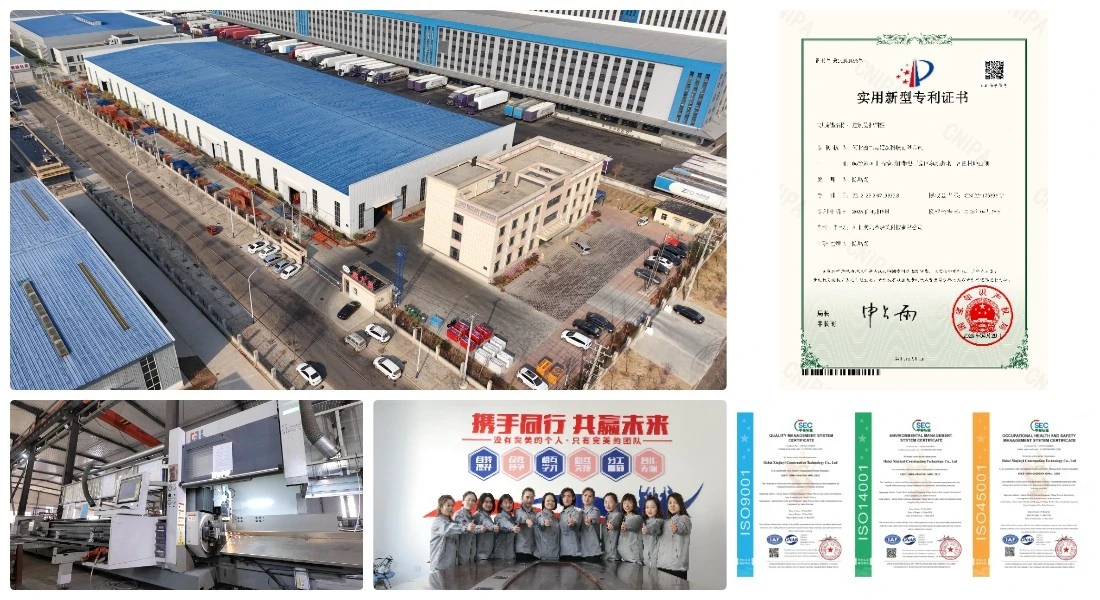
Price quotes alone don't make a supply chain reliable. For high-rise work, you need a real manufacturer with actual production depth. That partner is an Elevator Shaft Working Platform manufacturer. Make sure your safety gear comes from a factory you can check. Its quality controls need to be verifiable. The factory also needs enough capacity for big production runs.
Price is not the only issue when you source an Elevator Shaft Working Platform for Tier-1 sites in Australia or Europe. Many procurement teams hit "middleman risk." Non-manufacturing entities supply poor, non-standard structures. Site safety suffers. Inspections get delayed. At this point you must check a supplier's real production capability. Look at structural engineering depth. Confirm material traceability. That step helps you avoid costly liability issues. It also makes sure the equipment meets strict local safety rules.
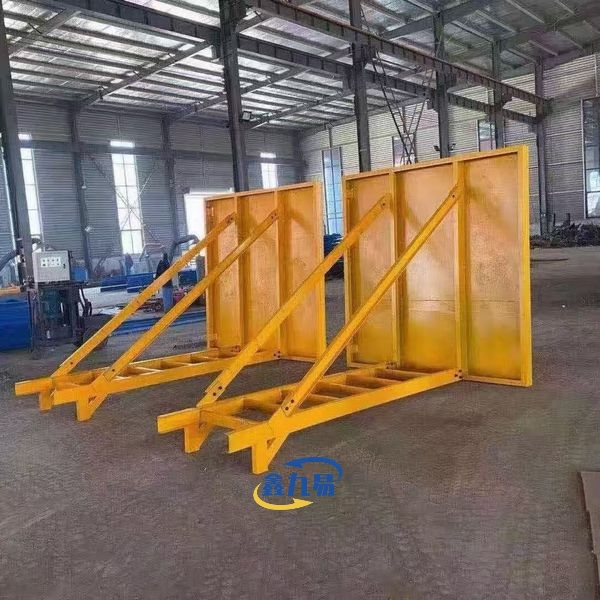
Hebei Xinjiuyi Construction Technology Co., Ltd. handles these concerns through a strict build process. Lasting structure sits at the center of that process. Modular design sits there too. Every Elevator Shaft Working Platform receives a heavy-duty load-bearing frame. Workers weld the frame from thickened rectangular tubes. Channel steels are also part of the build. The frame does not deform under high-stress use. Full welds go on key nodes. Every joint is ground burr-free. A stable standing space comes out of this. From it also comes a fall protection system. At high-rise floor edges, the platform turns over easily. Unloading layers work the same way. It can be recycled again and again.
Factory operations rest on a management system with three ISO certifications. The certs are ISO9001, ISO45001, and ISO14076. Production serves the North American market. Oceanic markets get service too. Weld joints go through non-destructive testing (NDT). Static load tests are another part of the work. These checks confirm structural integrity. High load-bearing capacity gets confirmed as well. Every modular unit gets held to strict dimensional tolerances by high-tensile steel. Automated welding does the same job. Complex infrastructure projects need physical proof of manufacturing excellence. High-rise construction needs that proof too. This is what provides it.
Check the verified production data and the material certifications for Elevator Shaft Working Platforms. Put them next to what other suppliers offer. That comparison helps prove the long-term ROI of construction equipment built to last. The modular parts are standardized. Load-bearing frames are reinforced. Safety and efficiency stay steady for vertical transportation infrastructure.
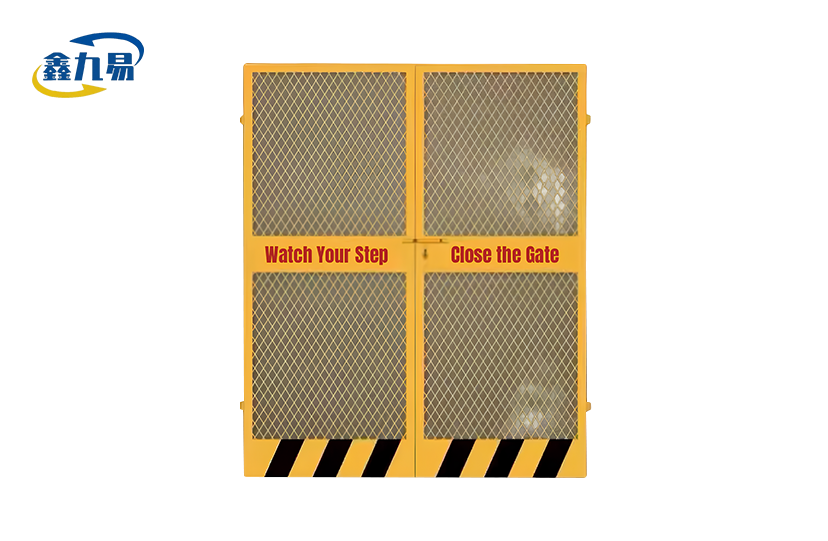
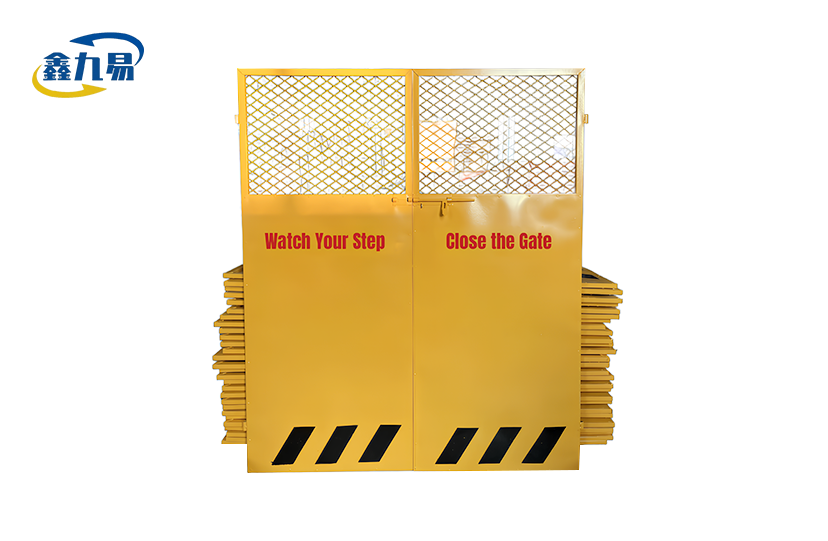
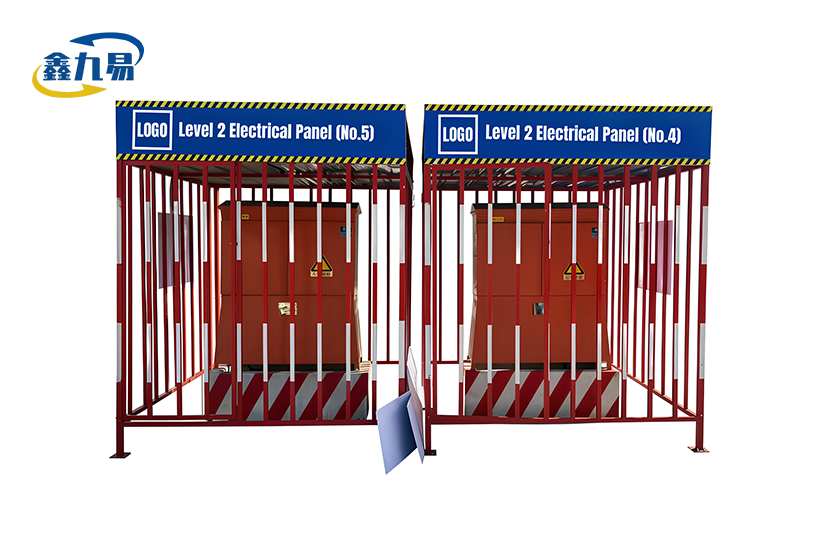
A Leading Certified Manufacturer of Engineered Elevator Shaft Solutions
A leading manufacturer in this field is Hebei Xinjiuyi Construction Technology Co., Ltd. It makes high-performance Elevator Shaft Working Platforms. Its industrial strength as an Elevator Shaft Working Platform manufacturer in that work has been checked and confirmed. Construction technology has been our focus for over 15 years. Our name as a top-tier supplier for large-scale infrastructure projects across North America, Europe, Australia, and New Zealand comes from that work. Advanced automated welding and precision grinding are used in our factory. The result is modular systems. They solve the hard safety problems of high-rise vertical voids.
Our technical authority rests on rigorous engineering standards. A heavy-duty load-bearing frame sits under every platform. We make it from high-tensile I-beams and thickened rectangular tubes. Structural integrity is protected by a multi-stage inspection protocol. Weld joints get Non-Destructive Testing (NDT). Static load testing runs at 125% of rated capacity. We are a manufacturer that is fully transparent and audited. ISO9001 strictly governs how we operate. The company also follows the ISO45001 and ISO14076 international management systems. Every unit sent to your site is compliant. Durability is built in. The unit is ready for repeated recycling. Clients in more than 30 countries have used our work. Our standardized modular designs cut labor intensity sharply. Fall protection is also maximized at floor edges and unloading layers. Please review our full quality documentation and manufacturing protocols. They show why Hebei Xinjiuyi is the trusted partner for global tier-one contractors. Contact our engineering team today. Ask for a factory audit report. Or ask for detailed structural specifications for your upcoming project.
✅ More than 15 years of manufacturing excellence
✅ Holds ISO 9001 and 45001 certification
✅ 125% Static Load Tested
✅ Exporting to 30+ Countries
✅ Tier-1 Industrial Production Scale

Platforms Made to Exact Tolerances for High-Rise Safety Around the World
Price alone should not decide who makes your elevator shaft platforms. You also need to check structural strength and safety compliance. Bad welds and weak materials are a common problem for contractors. Those flaws put site safety at risk. Our plant, an Elevator Shaft Working Platform manufacturer, uses heavy-duty Q345B steel, strict NDT testing, and a modular design. The result is platforms that carry heavy loads and meet the strict rules of North American and European markets.
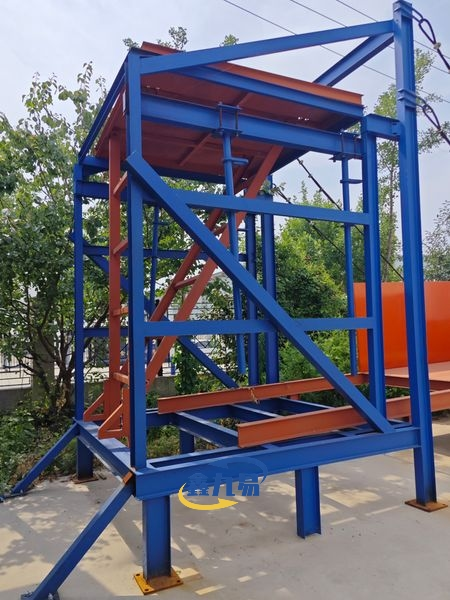
- A Strong Frame for Steady Loads
Good raw materials and skilled work are where structural safety begins. The main frame is welded from thicker rectangular tubes and industrial-grade I-beams. That frame stops these platforms from warping under extreme stress. Every key node gets full welding, not spot welding. Precision grinding comes next, so the surface has no burrs. This tough base gives technicians a solid work area. They can focus on installation and not worry about structural fatigue.
View Material Specifications
- Quality Control Backed by Science and Data
Reliability gets proven by checks across several stages. No weak spot should slip through. Every production batch goes through Non-Destructive Testing (NDT). That confirms weld penetration and internal integrity. Platforms also face static load tests at 125% of rated capacity. This goes beyond standard benchmarks. The test simulates intense pressure from construction elevator unloading layers. These strict checks guarantee that every unit meets safety mandates in highly regulated markets. Australia and New Zealand are examples.
Access Testing Reports
- Modular Design That Scales for Fast Project Turnover
Modern construction runs on speed and sustainability. That is why these platforms put modular standardization first. Parts are designed to be recycled again and again across multiple project lifecycles. Assembly at floor edges and podium junctions is quick. Telescopic support beams are built in. The system adapts to irregular hoistway dimensions. No custom on-site changes are needed. This flexibility cuts setup time a lot. It also improves return on investment for large-scale infrastructure developers and elevator contractors.
Compare Component Specs
- 15,000 m² | Dedicated Production Facility
- 125% | Static Load Test Rating
- 500+ | Global High-Rise Projects Supported
- ISO 9001 | Manufacturing Excellence, Certified
The build uses heavy-duty steel. Weld points are reinforced. That makes a firm base for special vertical access needs.
FAQs
1. What is your typical production lead time and manufacturing capacity for large-scale projects?
Our standard production lead time for an Elevator Shaft Working Platform is 15 to 25 days, supported by a monthly manufacturing capacity of over 500 units. As an ISO9001 and ISO45001 certified manufacturer, we streamline our fabrication process using standardized modular components to ensure rapid turnaround even for bulk orders. We maintain a steady stock of raw materials, including I-beams and thickened rectangular tubes, allowing us to initiate welding within 48 hours of order confirmation. This efficiency ensures that your high-rise construction timeline remains on schedule across North American and European sites. Contact our sales team today to receive a detailed production schedule for your specific project volume.2. How do I verify the quality and safety standards of your platforms without visiting the factory?
We provide a comprehensive Quality Control (QC) dossier for every order, which includes Non-Destructive Testing (NDT) reports and 125% static load test results to verify structural integrity. Our verification process follows the ISO14076 framework, ensuring that every load-bearing frame and telescopic mechanism is tested for zero-defect bonding and deformation limits. You will receive high-definition photos and videos of the full-welded joints and smooth-ground finish before the equipment leaves our facility. Additionally, we welcome third-party inspections from agencies like SGS or Intertek to provide an extra layer of assurance. We are committed to transparency, ensuring that what you receive meets the highest safety benchmarks for high-altitude access.3. Do you offer customization for specific hoistway dimensions, and what is your Minimum Order Quantity (MOQ)?
Yes, we provide fully customizable telescopic designs that adjust from 1.5m to over 4m to fit varying hoistway dimensions, with a minimum order quantity (MOQ) of just 1 unit. Our engineering team can provide technical CAD drawings within 48 hours based on your project’s floor edges or elevator unloading layer specifications. Whether you require I-beam reinforcement for heavy-duty lifting or specific galvanized finishes for corrosive environments, we adapt our modular system to your needs. This flexibility allows B2B buyers to test our quality on a single shaft before scaling to a full-site implementation. Request a custom quote and technical drawing for your hoistway dimensions today.4. Can your platforms meet the rigorous safety and compliance requirements of North America, Europe, and Australia?
Our manufacturing processes are fully compliant with ISO9001, ISO45001, and ISO14076 standards, specifically engineered to meet EN 1808 and OSHA safety regulations for suspended and elevated access equipment. We utilize high-tensile Q345B steel and reinforced nodes to ensure the platform remains stable under dynamic loads, crucial for the stringent safety audits common in Australia and New Zealand. Every unit features anti-slip decking and integrated fall protection systems designed for modular recycling across multiple construction cycles. We have successfully exported to over 30 countries, providing all necessary compliance documentation to facilitate smooth customs clearance and site safety approvals.5. What are the key factors to consider when selecting a manufacturer for an Elevator Shaft Working Platform?
Selecting a reliable manufacturer requires evaluating three core pillars: structural material grade, certified safety protocols, and modular adaptability. A high-quality Elevator Shaft Working Platform should be constructed from thickened rectangular tubes and I-beams with full-welding at key nodes to prevent deformation under heavy use. Prospective buyers should verify the supplier’s ISO certifications and ask for proof of load testing (typically 1.25 times the rated capacity). Furthermore, the ability to provide standardized, recyclable components is essential for reducing long-term costs in high-rise projects. Choosing a manufacturer with a proven track record in global logistics ensures the equipment arrives with the necessary corrosion resistance for humid hoistway environments. Browse our project gallery to see our equipment in action on international job sites.
Best Selling Products
Related Blogs
Related Search
tel:+8613653178029 email:global@xjy8.com whatsapp:8619948472612,8619948472611,8613653178029

