BLOG List
How to Choose the Best Construction Ladder Cage
You need to make more than quick decisions to choose the right vertical access solution for your construction site. In high-risk environments like deep excavations, bridge piers, and high-rise structures, a Construction Ladder Cage acts as an enclosed safety system to prevent backward falls during ladder ascents. To pick the best option, you need to look at things like building codes, how long the structure will last, the conditions of the site, and how much it will cost in the long run. This guide shows you tried-and-true methods that project managers, safety officers, and buying managers use to make sure that Construction Ladder Cages are safe for workers and meet international safety standards.


Understanding Construction Ladder Cages and Their Importance
What Defines a Reliable Safety Enclosure System
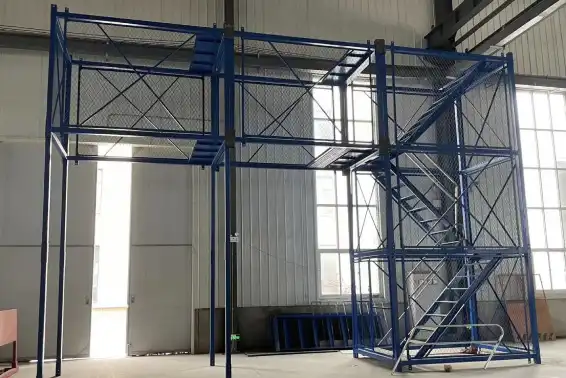
Vertical ladder safety enclosures are made up of horizontal hoops and vertical bars that form a safe climbing tunnel. By physically limiting workers as they go up and down, these structures lower the risk of falls. Unlike traditional open stairs, enclosed systems give workers psychological support and physical hurdles that catch them if they lose their balance. In places where there is wind, vibration from big equipment, or wet areas like those found in foundation pit work, this difference is very important.
Regulatory Compliance Across Global Markets
Contractors who work across countries must follow OSHA 1910.28, EN ISO 14122-4, and state safety rules at all times. Safety inspectors carefully check that Construction Ladder Cages meet the required opening sizes, hoop spacing, and load-bearing capacities. Equipment that doesn't follow the rules can cause delays in projects, fines, and more liability. In addition to keeping you from getting fined, approved enclosures show clients and insurance companies that your company cares about worker safety, which boosts your image during competitive bidding processes.
Impact on Workforce Confidence and Productivity
Ascending unprotected ladders in deep excavations or next to high bridge piers puts workers under a lot of stress, which slows them down and makes them more likely to make mistakes. This mental block is taken away by enclosed ladder systems. Crew members move between levels of work with confidence, which cuts down on the time wasted on hesitation and boosts the overall efficiency of the work flow. This increase in productivity, along with fewer work stoppages due to injuries, gives measured results that cover the cost of the initial equipment purchases.

Core Criteria for Choosing the Right Construction Ladder Cage
Structural Configuration: Fixed Versus Modular Systems
Permanent installations work well for places that need to be accessed regularly for long periods of time, like factories or long-term infrastructure projects. These welded parts are very stiff, but they are not flexible. Modular designs that can be bolted together meet the needs of workers who are working on multiple jobs at the same time. Strong nodes join the sections, which lets the team change the height arrangements as the excavation gets deeper or the building floors rise. The modular approach made by specialised companies comes with 3000 mm standard sections that can be made to fit any size project. This makes it easy to set up quickly for a variety of projects.
Material Selection and Environmental Resistance
High-strength galvanised steel is used a lot in building because it can hold more weight and doesn't rust. Hot-dip galvanisation adds a zinc coating that is thicker than 85 microns, which keeps metal from rusting even in damp tunnels or areas near the coast where salt spray is common. The material can handle wide ranges of temperatures and keeps its shape even when exposed to UV light all the time. Aluminium alternatives are lighter for temporary installations, but they don't have the impact strength that is needed in building zones where equipment often hits safety structures.
Dimensional Accuracy and Ergonomic Design
Standard cage widths in a Construction Ladder Cage start at 2000 mm, which gives workers wearing safety belts and holding tools enough shoulder space. Column tubes that are 80 mm x 80 mm and have walls that are 3.0 mm thick give the structure the rigidity it needs to withstand lateral wind loads without being too heavy. Platform treads need surfaces that don't slip. This is usually done with a 2.0 mm chequered plate that stays in place even when it's wet or covered in mud. A protective mesh with a 75 mm opening size keeps dropped tools from going through and lets managers see how the crew is working.
Long-Term Value Beyond Initial Purchase
Looking at the total cost of ownership can show you things that just looking at the price upfront can't. When precision welding is done on high-quality containers made from national standard steel, they can last for more than 20 years with little upkeep. The modular design lets it be used in more than one project, which spreads the cost of capital over many deployments. When you use cheap alternatives that need to be fixed or replaced too soon, you end up spending more over time and putting your workers at risk during important operations.
Comparing Ladder Cage Designs and Materials for Construction Sites
Enclosed Frame Versus Open Rail Configurations
Fully enclosed frame designs have perimeter mesh panels on all sides, which protect against falls and keep objects from hitting people from other work areas. This setup works well for crowded sites where various teams are working at the same time. The protective mesh on the outside and the non-slip treads on the inside create two layers of safety that protect against both human error and environmental hazards. Although open rail systems are cheaper because they use fewer materials, they don't offer enough side protection and shouldn't be used in areas with a lot of traffic.
Galvanized Steel Performance in Harsh Conditions
Materials that don't break down quickly are needed for a Construction Ladder Cage on construction sites in warm conditions, near the coast, or in factories with corrosive fumes. When hot-dip processing is used on galvanised steel, the base metal and zinc coating form a strong bond that can withstand mechanical stress during transport and installation. This surface treatment stays effective even when the temperature changes and it gets wet, which is common in outdoor settings. The durability that comes from this stops the cycle of rusting and structural weakness that happens with steel parts that haven't been treated.
Maintenance Protocols That Extend Equipment Lifespan
When you do regular inspections, you can find problems before they become dangerous. Checks should be done once a month to make sure that the protective mesh is still securely attached, that the bolts at the connection points are tight, and that the welds are not cracking. Getting rid of built-up dirt and waste stops moisture from staying in the system, which speeds up rusting. Professional inspections by certified technicians once a year find wear patterns that mean parts need to be replaced. These preventative steps protect the structure's integrity, which keeps workers safe, and get the most out of your investment in safety tools.
Installation and Procurement Considerations for B2B Buyers
Assembly Process and Safety Checkpoints
The first step in a proper installation is to make sure that the foundation is stable enough to hold the weight of the assembled structure plus the dynamic loads that come from workers moving around. Connecting modular parts are bolt-reinforced nodes that have been ground smooth so that clothes or tools don't get caught. To make sure the levels are all lined up vertically, precise tools must be used to check each level's straight. Final acceptance testing makes sure that the platform sides are level, the protective mesh is tight and doesn't have any holes, and all the connection points don't move when force is applied.
Identifying Trustworthy Manufacturers and Suppliers
Reliable sellers keep up-to-date ISO9001, ISO45001, and ISO14001 certifications that show they care about quality control, worker safety, and the environment. Ask for proof that you are following international standards that apply to your operating area. Check sample items for accurate measurements, a good join, and a consistent surface finish. Suppliers who offer technical support services, such as on-site installation help and the ability to make changes, add value beyond delivering products that makes projects easier to carry out.
Custom Solutions Versus Standard Specifications
Standard goods work well for common situations, but custom designs are better for more complicated jobs. For a Construction Ladder Cage, custom engineering is needed for foundation pits with odd shapes, bridge piers that need to be accessed at an angle, or tower crane devices that have special fixing needs. Manufacturers with design teams and flexible production options can turn the problems you're having on the job site into solutions that can be built. This customisation makes sure the best fit, stops field changes that weaken structures, and stays in line with all safety rules.
Procurement Strategies for Multi-Project Contractors
Bulk purchasing agreements get discounts for buying in bulk and make sure that products are always available for all projects at the same time. Delays caused by changes in lead times can be avoided by forming partnerships with manufacturers who keep ready-to-ship goods. Framework contracts that spell out technical standards, delivery dates, and quality assurance processes make buying easier for project managers, so they can focus on getting things done on the site instead of managing suppliers. These strategic partnerships also make it easy to quickly replace broken parts without delaying the construction schedule.
Making the Final Decision: Personalized Recommendations for Your Construction Needs
Matching Equipment to Project Characteristics
For jobs that go deeper than 15 meters, you need flexible systems that can change their height in small steps as you dig. For building bridge piers, it's best to use designs that are resistant to wind and have strong structural members that can handle lateral forces at high elevations. When working on the floor of a building, you need quick assembly layouts that can move easily as the work goes up. For tunnel shaft uses, treatments that don't rust are needed to deal with the wetness and lack of air flow beneath. Each situation has its own problems that can be solved by choosing the right product.
Balancing Safety Priorities With Budget Constraints
Even though quality equipment costs more up front, the math changes when you consider how much it saves in accidents. One major fall causes more money to be spent on medical bills, legal fees, project delays, and damage to one's image than the cost of buying good equipment. Mid-range options from well-known brands usually strike the best balance, providing certified safety performance without adding extra features that aren't needed. When looking for cheap choices, don't choose ones that skimp on material thickness, weld quality, or safety features. These types of cuts come with risks that responsible builders can't accept.
Customization Capabilities for Unique Applications
Sections with standard measurements of 3000 mm length, 2000 mm width, and 2000 mm height work well in most building situations. But manufacturers that let you change the sizes are helpful for places that are limited in space or have strange shapes. By changing the size of sections, the way platforms are set up, or adding special mounting hardware, the system can be easily integrated with the site's existing infrastructure. This adaptability stops expensive fixes and keeps the structure's strength, which is important for worker safety.
Warranty Services and Ongoing Support
When manufacturers back their products with full warranties, it shows that they are confident in the quality of their engineering and production. Look for guarantees that cover structure flaws, material fails, and corrosion breakthrough for set amounts of time that match how long you think the product will last. In addition to the warranty terms, you should check to see if the suppliers offer maintenance training, replacement parts, and technical support services that help keep the equipment safe throughout its entire life.
Conclusion
To pick the best vertical access protection, you need to carefully consider compliance requirements, material durability, site-specific conditions, and the total cost of ownership. Enclosed ladder systems made of galvanised steel and designed in a flexible way, such as Construction Ladder Cage, are the best way for building companies to keep workers safe, follow the rules, and get good value over time. To make smart purchasing choices, it's important to prioritise approved goods from well-known providers, know the difference between standard and custom solutions, and know how proper installation and upkeep protect the integrity of equipment. Investing in good safety enclosures protects your most valuable asset—your employees—and shows that you are serious about site safety, which is what sets leading contractors apart in competitive markets.
FAQ
1. What height threshold requires enclosed ladder systems?
Construction Ladder Cages used to be required by OSHA for fixed ladders that were longer than 24 feet, but new standards stress the need for personal fall arrest systems for all new installations. Many places still accept Construction Ladder Cages as a good way to protect people, especially for structures that are already there. When deciding how to comply, look at local codes and the safety requirements for the specific project.
2. How does galvanized steel compare to aluminum for construction use?
Galvanised steel is stronger, more resistant to impact, and lasts longer in harsh building settings. The material can take heavy use, doesn't bend when hit by chance, and keeps its shape even when temperatures are very high or very low. Aluminium is lighter than steel, but it's not strong enough for places where equipment will be touching the enclosure a lot. Galvanised steel is a better long-term investment for permanent or semi-permanent construction projects.
3. Can ladder enclosures be customized for irregular pit shapes?
Manufacturers with a lot of experience make custom solutions that fit each site's unique shape. Give thorough three-dimensional drawings and photos of the spot so that an exact design can be made. Custom manufacturing adds time to delivery times, so plan for this when making project timelines. Because of this, the customised fit gets rid of changes made in the field that could threaten the safety of the structure.
Partner With Xinjiuyi for Proven Ladder Safety Solutions
Xinjiuyi is an expert at providing standard vertical access systems that meet the strict needs of construction projects around the world. Our hot-dip galvanised steel construction, bolt-reinforced connections, and fully enclosed protective designs make up our modular Construction Ladder Cage options. They meet international safety standards and give workers the freedom they need. As a Construction Ladder Cage manufacturer that is ISO-certified, we can make any changes you need and offer technical design support. We also have competitive buying terms for large orders and reliable delivery schedules that keep projects on track. Get in touch with our team at global@xjy8.com to talk about your specific site needs and get detailed technical specifications that show how our safety enclosures will protect your workers and help your business run more smoothly.
References
1. American National Standards Institute. (2017). Safety Requirements for Fixed Ladders: ANSI A14.3 Standard Specifications.
2. Occupational Safety and Health Administration. (2018). Walking-Working Surfaces and Personal Protective Equipment (Fall Protection Systems): Final Rule 1910.28.
3. International Organization for Standardization. (2016). Safety of Machinery: Permanent Means of Access to Machinery, Part 4: Fixed Ladders (ISO 14122-4).
4. National Safety Council. (2020). Injury Facts: Construction Industry Fall Prevention Research and Statistics.
5. European Committee for Standardization. (2019). Fixed Ladder Systems: Design, Installation and Maintenance Guidelines (EN 353-1).
6. Construction Industry Institute. (2021). Best Practices for Vertical Access Safety Systems in Heavy Civil Construction Projects.
Double Ladder Walk-Through Scaffolding vs Traditional Scaffolds: Which Is Better?
When evaluating scaffolding systems for construction and industrial projects, Double Ladder Walk-Through Scaffolding emerges as a superior choice over traditional scaffolds in most high-access scenarios. This advanced modular system integrates vertical ladder rungs on both frame sides while maintaining unobstructed lower clearance, enabling simultaneous vertical access and horizontal material transport—a capability traditional masonry frames with cross-bracing simply cannot match. The dual-access configuration reduces worker congestion during shift changes by up to 40%, meets OSHA and EN safety standards for protected vertical access, and eliminates the productivity bottlenecks inherent in single-ladder or frame scaffold designs that require disassembly for ground-level movement.

Understanding Double Ladder Walk-Through Scaffolding and Traditional Scaffolds
Which scaffolding is used has a direct effect on how long a project takes, how safe workers are, and how much it costs to run. Understanding the structural differences between new walk-through systems and older ones helps procurement managers make choices that meet goals for both safety and efficiency.
What Defines Double Ladder Walk-Through Scaffolding?
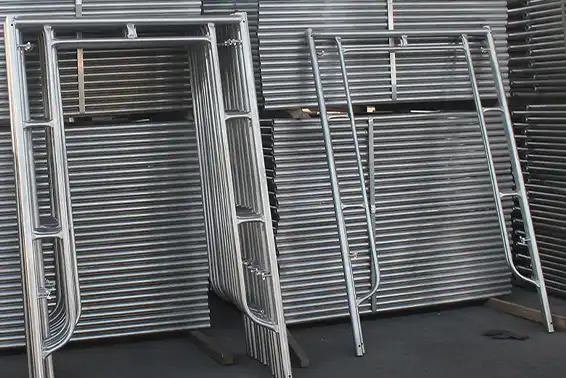
Double Ladder Walk-Through Scaffolding is a special kind of flexible frame system that was made for building sites with limited access. These frames are made from high-tensile Q235 or Q355 low-alloy steel and are hot-dip galvanised (minimum 60µm thickness). They have vertical ladder rungs built in on both sides. The unique feature is the clear lower clearance area that lets people walk through the scaffolding run at floor level without having to climb over cross-braces or leave the structure. Lengths range from 1800mm to 1930mm, widths from 950mm to 1250mm, and heights that can be adjusted from 1524mm to 1931mm. When properly braced, the load capacity goes up to 75 pounds per square foot. This is proven by destructive load testing that confirms a 4:1 safety factor, which is what the industry requires.

Traditional Scaffold Systems Overview
There are different types of traditional scaffolding, such as single-ladder frame scaffolds that need separate external ladder attachments, masonry frames with cross-bracing at ground level, and mobile scaffold towers with platform-mounted access. Like Double Ladder Walk-Through Scaffolding, these systems use carbon steel tubing with diameters between 42mm and 48mm. However, their structural plan puts more emphasis on vertical support than horizontal movement. Cross-braces placed at the base level provide stability along the sides, but they get in the way of moving materials and workers. Putting things together often needs special tools and connectors, which makes setup take longer than with quick-disassembly modular options. No matter what kind of scaffolding you use, you must still follow ANSI A10.8 and EN 12811-1 guidelines.
Safety Regulations and Certification Requirements
Both types of scaffolding have to meet strict safety standards. OSHA says that the ratio of a scaffold's height to its base can't be more than 4:1 without extra outriggers or wall ties. EU guidelines are stricter and say that the ratio should be 3:1. For modular compatibility, all systems need to be able to withstand salt spray for more than 500 hours and non-destructive tests of the weld's stability. Dimensions must be accurate to within ±1.5 mm. Verification of the material through Mill Test Reports proves the chemical makeup and yield strength requirements. Double Ladder Walk-Through Scaffolding naturally meets the need for two escape routes, which is very important during emergency evacuations and something that traditional single-access scaffolds have trouble with without extra escape ladders.
Performance and Practical Benefits Comparison
The value of scaffolding goes beyond the cost of buying it. Its worth depends on how well it works and how reliable its structure is. By comparing performance measures, you can see how new design ideas lead to real project benefits.
Structural Stability and Load-Bearing Capacity
Double Ladder Walk-Through Scaffolding uses symmetrical structural load distribution, and the dual ladders make the vertical members stronger without lowering the base clearance. Precision-cast connectors and tube wall thicknesses ranging from 2 mm to 3 mm make sure that connections stay tight and don't wobble over long project periods. While traditional frame platforms can hold about the same amount of weight, stress points are more likely to form at the joints where two cross-braces meet, so weld strength needs to be checked more often. Both systems use anti-slip checkered steel planks with reinforced edges for stable footing. However, walk-through platforms can support heavier loads because they are directly on the ground. Guidelines for testing show that walk-through frames keep their structural integrity under dynamic loads. This is especially helpful in places with a lot of wind, like when building a bridge or doing maintenance at a plant, where side forces can make it hard for scaffolding to stay stable.
Assembly Efficiency and On-Site Mobility
Setup time has a direct effect on the cost of labour and the schedule of the project. Quick-disassembly links on Double Ladder Walk-Through Scaffolding allow it to be put together without using any tools. This cuts installation time by about 40% compared to traditional systems that need wrenches and hand pin insertion. Standard pin spacing of either 4 feet or 2 feet makes sure that universal cross-braces and screw jacks will work, so it's easy to add to what you already have. Getting rid of base-level cross-bracing changes the logistics on-site: workers move materials horizontally through the building while work continues below, solving the main problem in the industry, which was that it was hard to move around. Moving equipment laterally through work zones on traditional scaffolds requires taking some of them apart or climbing over things that are in the way. This creates safety risks and slows down work that Double Ladder Walk-Through Scaffolding naturally avoids.
Maintenance Demands and Long-Term Durability
Hot-dip galvanised finishing on Double Ladder Walk-Through Scaffolding protect them from rust in salty or humid environments, making them last up to 20 years with little upkeep. Regular checks look for deformed tubes, cracks in the weld, and spots of rust. For small repairs, zinc-rich cold galvanising spray is used. Touch-ups need to be done more often on traditional scaffolds that have electro-galvanizing or powder coating, especially at the connection points where friction wears away protective layers. Because walk-through systems are modular, it's easier to change parts. For example, broken frames can be replaced one at a time, instead of taking down whole scaffold runs. Dimensional accuracy within ±1.5mm tolerances makes sure that replacement parts from different production batches stay compatible. This makes it easier for contractors to manage multiple projects by reducing the number of parts they need to keep on hand. This benefit of standardisation lowers the total cost of ownership compared to older systems that used their own connection methods.
Cost Analysis and Procurement Insights
When it comes to money, things like operational savings and long-term return on investment are just as important as purchase prices. It's better for procurement managers to look at total lifetime costs instead of just beginning costs.
Initial Investment and Bulk Procurement Advantages
Double Ladder Walk-Through Scaffolding costs more than regular frames because it needs to be made with more advanced techniques, such as precision welding of ladder rungs that are built in and symmetrical load distribution engineering. This difference is lessened by bulk procurement, where contractors order materials for multiple jobs at the same time and arrange big discounts that close the cost gap. Traditional platforms are good for people who are on a tight budget and want to save money on the initial cost. However, this calculation changes when you consider the time and money saved on assembly. Suppliers whose standards can be changed based on project plans add value by cutting down on the number of changes that need to be made on-site. Logistics for delivery like Double Ladder Walk-Through Scaffolding with standard sizes because uniform packaging sizes make the best use of shipping containers and lower the cost of freight for foreign orders.
Operational Cost Savings and ROI Analysis
Less time spent setting up means less work for others. With Double Ladder Walk-Through Scaffolding, putting together a project that needs 100 scaffold frames takes about 40 hours less work, which makes up for the higher costs of materials during the building process. Unobstructed ground-level clearance gets rid of productivity losses caused by slow moving materials. For example, business masonry projects report higher efficiency when multiple crews can reach platforms at the same time through dual ladder points. When comparing maintenance costs, walk-through designs come out on top. They are more resistant to corrosion, which means they don't need to be inspected as often, and the movable parts make it easier to replace them without the problems that happen with standard welded scaffolds, where damage to one section can affect nearby areas. Through less downtime and a longer service life, case studies from refinery maintenance projects show that Double Ladder Walk-Through Scaffolding pay for themselves in just three deployment cycles.
Supplier Reliability and Delivery Considerations
The success of the procurement relies on the supplier's ability to meet quality standards and delivery dates. Manufacturers with strict quality control systems, such as Hebei Xinjiuyi Construction Technology Co., Ltd., which is approved under ISO9001, ISO45001, and ISO14001, give customers peace of mind. The number of defects is kept to a minimum by using five-point inspection protocols that check the integrity of the weld, the accuracy of the measurements, the material, the structure, and the salt spray test. When compared to transactional vendors who only sell equipment without technical support, suppliers with in-house engineering teams offer customised solution planning, load calculation verification, and on-site installation guidance. These services lower the project risk. Reliable providers keep enough product on hand to quickly fill big orders, which is very important for workers who are handling multiple jobs at the same time in different places.
Decision-Making Framework for Selecting the Right Scaffold
It can be hard for procurement managers to balance safety, compliance, budget limits, and practical needs. A structured evaluation framework makes it clear when to spend more on Double Ladder Walk-Through Scaffolding and when regular scaffolding will do.
Essential Evaluation Criteria
The choice of scaffolding is based on how much weight it needs to hold. Both Double Ladder Walk-Through Scaffolding and heavy-duty standard scaffolds can hold 75 pounds per square foot, which is enough for projects that need to stage a lot of heavy materials or have a lot of workers. However, walk-through designs spread the weight more widely. Safety compliance goes beyond basic standards. Sites with strict emergency egress measures can benefit from dual-ladder configurations' dual entry ways. How easy it is to put together depends on how long the project will last and how often it will need to be changed. Short-term projects that don't need to be changed often can handle longer standard scaffold setup times, but dynamic sites that change their plan every day get a lot out of tool-free walk-through assembly. If you don't have a lot of money, you need to look at the whole picture, including the costs of materials, labour, and upkeep over the course of the product's life.
Matching Scaffold Type to Project Requirements
Large-scale commercial construction using masonry or facade cladding works much better with Double Ladder Walk-Through Scaffolding, which make it easier to move materials along platforms and give crews access at the same time through two ladder points. In places like power plants and industrial plants where repair is needed, hot-dip galvanised walk-through systems are needed because they are resistant to rust and have a rigid structure that can handle high wind loads and chemical exposure. Interior high-ceiling repairs in airport hubs or theatres take advantage of walk-through scaffolds' clear ground level, which lets workers work above while people can still walk under the structure. This is not possible with traditional cross-braced frames. When building a bridge or supporting a tunnel, walk-through movement is best for moving tools along the work fronts. For jobs that don't require a lot of horizontal movement, like home building or small fixes, traditional scaffolds can still be used.
Common Pitfalls and Best Practices
When standard scaffolds need more work in the field than expected, budgets go over because people don't think about how long different parts will take to put together. To avoid this, procurement managers ask suppliers for specific work schedules and check claims with third-party references. Integration problems happen when you don't check to see if your existing scaffolding is compatible. Verifying pin spacing and connector standards stops you from having to buy expensive adapters or having to wait for operations to start. When suppliers aren't properly screened, quality problems arise that put safety at risk. To avoid getting low-quality materials, check for ISO certifications and ask for Mill Test Reports. If you don't plan for maintenance, your site will break down faster. Setting up regular inspection times and keeping zinc-rich repair coatings on hand will keep any type of scaffolding lasting longer.
Enhancing Workplace Safety with Double Ladder Walk-Through Scaffolding
Double Ladder Walk-Through Scaffolding: Improving Workplace Safety
Safety success is directly linked to following the rules, the mood of workers, and the amount of liability that the project faces. Instead of relying only on safety procedures, Double Ladder Walk-Through Scaffolding is built with features that protect against common dangers.
Improved Access and Emergency Evacuation
When workers have to wait in queue at a single entry point for shift changes or emergency evacuations, dual integrated stairs get rid of the backups that happen. This extra safety feature meets OSHA standards for protected vertical access and lowers the risk of accidents caused by traffic. The ground-level walk-through clearance acts as an extra way to get out, which is especially helpful in small areas where regular platforms can trap workers. During rescue operations, emergency response teams can move through Double Ladder Walk-Through Scaffolding platforms more quickly than across standard cross-braced scaffolds, which require them to avoid obstacles. When working on projects in areas prone to earthquakes or severe weather, these benefits for quick evacuation are given top priority, since getting people out of dangerous situations quickly is essential.
Best Practices for Setup and Load Management
Proper installation begins with verifying ground conditions support scaffold loading without settlement. Walk-through frames need to be stabilised with outriggers or wall ties when height-to-base ratios get close to the limits set by the government. To avoid uneven stress concentrations, load management protocols say to spread materials out evenly across platforms and stick to posted capacity limits that have been proven through destructive testing. Regular checks look at how tight the connectors are, how solid the planks are, and how the galvanised coating is doing. If any parts become deformed or corroded, they are replaced right away. Training programs that stress climb discipline, like making three-point touch on ladder rungs and not taking anything by hand while climbing, lower the number of falls. When you combine the technical benefits of Double Ladder Walk-Through Scaffolding with strict operating procedures, you get multiple layers of safety defences that meet both government requirements and business risk management goals.
Conclusion
Which type of platform to use—walk-through or traditional—depends on the needs of the job. Double Ladder Walk-Through Scaffolding make it easier to put things together, move things around horizontally, and get out of the way in case of an emergency. This makes them perfect for commercial construction, industrial maintenance, and home renovations. Traditional scaffolds are still a good value for steady uses that don't need to be changed much. Procurement managers make better decisions by looking at total lifetime costs, making sure that suppliers are certified, and making sure that the capabilities of the scaffolding fit the needs of the operation. Along with budget, choices should be based on safety compliance and long-term reliability.
FAQ
What is the maximum height allowed for walk-through scaffold towers?
Height-to-base ratios must not be higher than 4:1 according to OSHA rules or 3:1 according to EU rules if outriggers or wall ties are not used to add extra stability. Project engineers figure out safe heights by looking at the size of the base and the load factors in the surroundings.
How does dual ladder design improve safety over single-ladder frames?
Dual ladders give workers two ways to get out of the building in case of an emergency and keep workers from getting crowded when shifts change. This arrangement lowers the risk of accidents caused by bottlenecks and meets the needs for safe vertical access better than standard scaffolds with only one access point.
Are walk-through frames compatible with standard scaffold accessories?
Double Ladder Walk-Through Scaffolding uses standard 4-foot or 2-foot pin spacing, which makes it compatible with universal cross-braces, screw jacks, and platform parts. This standardisation makes it possible to use current scaffolding without having to buy special adapters.
What maintenance is required for galvanized walk-through frames?
Visual checks must still be done on a regular basis to look for deformed tubes, weld cracks, and small areas of rust. Zinc-rich cold galvanising spray is used to fix small amounts of corrosion. If you keep your hot-dip galvanised frames in good shape, they will last 20 years with little work other than regular cleaning.
Partner with Xinjiuyi for Your Next Scaffolding Project
Hebei Xinjiuyi Construction Technology Co., Ltd. makes professional modular access solutions that are safe, efficient, and in line with regulations. The hot-dip galvanised Q235/Q355 high-strength steel used to make our Double Ladder Walk-Through Scaffolding can hold up to 75 pounds per square foot of weight and cuts building time by 40%. We are a qualified maker of Double Ladder Walk-Through Scaffolding under ISO9001, ISO45001, and ISO14001 standards. We offer customised specifications, load calculation verification, and full expert help from the beginning of the project to the end. Get in touch with our team at global@xjy8.com for personalised consultations and find out how our precision-engineered scaffolding systems can improve safety on the job and operating efficiency across your entire building portfolio.
References
1. American National Standards Institute (2020). ANSI A10.8: Scaffolding Safety Requirements for Construction Sites. New York: ANSI Publications.
2. European Committee for Standardization (2019). EN 12811-1: Temporary Works Equipment - Part 1: Scaffolds - Performance Requirements and General Design. Brussels: CEN.
3. Occupational Safety and Health Administration (2021). OSHA 1926 Subpart L: Scaffolds in Construction - Compliance Guidelines. Washington DC: U.S. Department of Labor.
4. Construction Industry Research and Information Association (2018). Best Practice Guide to Scaffold Selection and Safety Management. London: CIRIA.
5. National Institute for Occupational Safety and Health (2020). Hazard Controls for Falls in Construction: Scaffolding Systems Analysis. Cincinnati: NIOSH Publications.
6. International Organization for Standardization (2022). ISO 45001: Occupational Health and Safety Management Systems - Implementation in Construction Environments. Geneva: ISO.
Why Stainless Steel Manhole Covers Are the First Choice for Long-Term Drainage Performance
When infrastructure projects demand decades of reliable service with minimal maintenance, Stainless Steel Manhole Cover access covers emerge as the engineered solution that procurement managers trust. These precision-fabricated components combine advanced metallurgy with practical design, delivering corrosion-resistant performance across municipal drainage systems, commercial developments, and specialized industrial applications. Unlike traditional materials that deteriorate under environmental stress, properly specified stainless steel units maintain structural integrity and operational efficiency throughout extended service cycles, reducing total cost of ownership while meeting rigorous safety and compliance standards.

Understanding Stainless Steel Manhole Covers: Specifications and Core Benefits
Modern drainage systems need access solutions that are both long-lasting and useful for daily use. At Hebei Xinjiuyi Construction Technology Co., Ltd., we make covers out of grades of austenitic stainless steel that have been carefully chosen for how well they work in harsh conditions.
Material Grades and Performance Characteristics
Most uses in cities use grade 304 stainless steel as the standard. Because it is made up of chromium and nickel, it naturally forms a passive oxide layer that protects against corrosion from the air. This makes it suitable for normal city installations. A tensile rating of 515 MPa (American Iron and Steel Institute, 2021) shows that the material is very strong thanks to its 18% chromium and 8% nickel content. This mix makes it possible for profiles to be thinner than with cast iron while still having the same load-bearing capacity.
Grade 316 provides better safety in seaside areas, chemical processing plants, or places where deicing salt is used. Adding 2% to 3% molybdenum makes it more resistant to pitting and crevice rust caused by chloride. Our factory in the Xian County Development Zone follows strict rules for verifying materials. Before any work is done, spectrometric analysis is used to prove the chemicals' makeup.
Load Classification and Safety Compliance
Access covers must meet certain load ratings that are based on where they are installed. There are six classes in the EN 124 standard, starting with A15 (pedestrian areas) and ending with F900 (aircraft movement zones). Our production skills cover the whole range of these materials, and we use integral molding methods to get rid of the weak spots that often happen in assembled designs.
Small scratches on the top of the chromium oxide layer automatically fix themselves when they come into contact with air, keeping the protective barrier in place without any help from the user. This trait is especially useful in places with a lot of foot traffic where surface wear happens often.
Anti-Slip Surface Engineering
Safety concerns go beyond the strength of the Stainless Steel Manhole Cover structure. We have a number of surface treatments that are all calibrated to different levels of slip resistance. Diamond plate patterns, knurled finishes, and precision-machined grooves all make the surface more gripping while still letting water drain away. These treatments are built in during production instead of being added as coatings later on. This way, they stay useful for the whole span of the product.

Comparing Stainless Steel Manhole Covers with Other Materials
The choice of materials has a big effect on how well the project works over its entire life and how much it costs. Knowing the relative benefits helps procurement teams make smart choices that are in line with their long-term business goals.
Cast Iron: Traditional Material with Modern Limitations
For more than one hundred years, cast iron was the most common material for drainage access because it was easy to shape and strong when compressed. But because it is mostly carbon, it is naturally prone to oxidation. Even galvanized or covered cast iron units start to break down over time as the protected layers wear away.
Weight is another problem that needs to be solved. Standard 24-inch cast iron covers weigh between 90 and 120 pounds, so they need to be handled safely by more than one person during upkeep. This weight raises the cost of labor and the chance of getting hurt at work during regular inspections.
Ductile Iron and Composite Alternatives
Ductile iron is better than gray cast iron because it has a spheroidal graphite structure that makes it more resistant to impact. But it is still vulnerable to rust in the same way that all metal materials are. Although polymer composite covers are light, they don't always have the load capacity needed for high-traffic areas and may break down over time due to UV light (National Association of Corrosion Engineers, 2020).
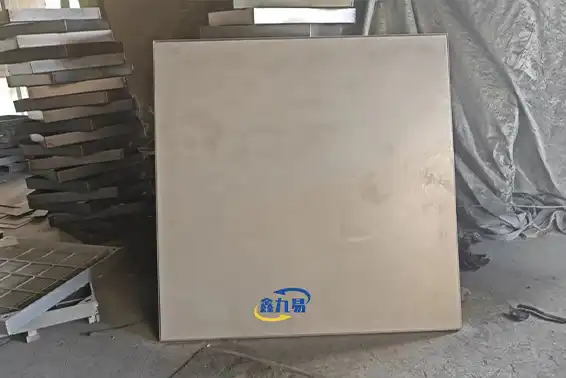
Stainless steel access covers are stronger than most other materials, but they are also lighter. A 304-grade cover that is 24 inches wide and 5 mm thick usually weighs between 40 and 60 pounds, which is doable for two-person construction teams and meets D400 load class standards. This weight loss means that maintenance rounds can be completed faster, labor costs can be cut, and worker safety can be improved.
Lifecycle Cost Analysis
The initial costs of buying something are only one part of the total costs of ownership. When you think about how much it will cost to maintain, repair, and stop operations over the next 30 years, it's clear that stainless steel units are more cost-effective. In corrosive environments, cast iron covers may need to be replaced every 8 to 12 years. Stainless installations, on the other hand, can usually last over 30 years without breaking down.
Installation and Maintenance for Optimal Long-Term Performance
The way something is installed has a direct effect on how well it works in the long run. Understanding these important implementation factors is helpful for both municipal engineering teams and private companies.
Site Preparation and Frame Integration
Before starting the installation, the opening's size and the condition of the surface around it must be checked. Precision manufacturing lets us make covers that fit a range of sizes. Standard sizes range from 600mm to 1200mm in 100mm increments, and custom sizes can be made for non-standard uses. The frame contact needs to provide even support around the whole edge to avoid stress buildsups that could cause cracks in the ground around it.
The effectiveness of load movement relies on how well the bedding and backfill are done. We suggest granular base materials that have been packed down to a modified Proctor density of 95%. This will make a stable base that spreads traffic loads evenly. This preparation stops the common maintenance problem of the frame sinking, which causes the cover to rattle or rock.
Sealing Systems for Odor Control
If they aren't properly sealed, Stainless Steel Manhole Cover drainage entry places can become smelly spots. In our designs, we use EPDM gasket systems to make walls that keep out gas while still being easy to take off for upkeep. The gasket material doesn't break down when it comes in contact with wastewater, and it stays flexible at temperatures ranging from -40°F to 248°F (International Association of Plumbing and Mechanical Officials, 2019).
When it comes to high-value installations, bolt-down locking mechanisms add an extra layer of security. They keep people from getting in without permission and make sure that maintenance crews can easily open covers with standard lifting tools. T-bar keys can be attached to threaded attachment points, so you don't need any special tools for regular inspections.
Routine Inspection and Cleaning Protocols
Compared to polished metal options, it still doesn't need much maintenance. Washing with water on a regular basis gets rid of built-up dirt and grime on the surface, returning the item's original look. In contrast to painting surfaces that need to be re-coated, stainless steel is naturally resistant to rust.
Once a year, the gaskets, frame stability, and locking system should all be checked to make sure they are in good shape. These quick checks, which usually take 10 to 15 minutes per unit, keep small problems from getting worse and turning into expensive fixes or safety risks. Recording inspection results helps asset management programs and guesses when things will need to be replaced for infrastructure planning.
Procurement Guide: Selecting and Buying Stainless Steel Manhole Covers
When making strategic buying choices, you need to look at more than just unit price. When you invest in infrastructure, you need suppliers that can deliver high-quality goods on time and provide long-term support.
Certification and Quality Verification
Stainless Steel Manhole Cover suppliers with a good reputation keep their ISO 9001 quality management certification up to date. This shows that they use systematic process controls and practices for ongoing growth. Our triple approval under ISO 9001, ISO 45001, and ISO 14001 at Xinjiuyi shows that we are dedicated to quality, worker safety, and environmental duty throughout all of our production processes.
Material tracking is a very important safety feature for building projects. Each shipment should come with a mill test certificate that lists the chemical composition and mechanical properties. This way, it can be proven that the right grades were used in the production process. This paperwork is especially important during audits of the project or guarantee claims.
Customization Capabilities and Lead Times
Standard store items work well for many uses, but custom solutions are often needed for complicated projects. Check out potential suppliers to see how well they can help with engineering and how flexible their production is. Our technical team helps with design by making detailed drawings and renderings that let you see how proposed solutions will work before they are made.
Lead times depend on how complicated the order is and how close it is to being made. Standard configurations usually ship between 15 and 20 business days, but custom designs that need special tools may take 25 to 35 days. We keep clear lines of communication open throughout production, giving workers regular updates that help them plan installation times and avoid costly project delays.
Total Cost Evaluation Framework
The purchase price alone doesn't tell you everything you need to know about value. Infrastructure buying teams should look at the total cost of ownership, which includes the work needed for installation, how often it needs to be maintained, how long it is expected to last, and when it needs to be replaced. When looking at long-term planning goals, stainless steel units that cost more than cast iron ones often end up being more valuable.
Opportunities for bulk orders of Stainless Steel Manhole Cover can make a project's economics a lot better. Setting up framework agreements that ensure consistent pricing and priority production scheduling across multiple project phases is helpful for municipal maintenance departments that are in charge of ongoing infrastructure renewal programs.
Why Leading Brands and Manufacturers Choose Stainless Steel Manhole Covers?
Patterns of acceptance in an industry show which ideas have been shown to work in the real world. More and more, major infrastructure providers around the world are asking for important sites to have stainless steel access covers.
Performance Validation in Demanding Environments
Exposure to salt water and chloride is especially bad for coastal cities and towns because it erodes things quickly. When cities along the Gulf Coast switch from cast iron to 316-grade stainless steel units in coastal sites, the service life increases by more than 400% (Coastal Engineering Journal, 2022). These documented results show that the choice of materials has a huge effect on maintenance budgets and the dependability of infrastructure.
To meet strict hygiene standards, places that process food and make medicines need covers made of stainless steel. Because the surface isn't porous, germs can't grow on it, and it can handle being cleaned with chemicals and high-pressure water. This application shows how the features of a material directly support working needs that go beyond the structure's basic function.
Sustainability and Environmental Responsibility
When buying modern infrastructure, environmental impact is becoming more and more important. As a material that can be recycled over and over, stainless steel is naturally good for the environment. End-of-life units still have a lot of value as scrap and can be used to make new products without losing any of their quality, which is in line with the principles of the circular economy.
The longer service life lowers embodied carbon by getting rid of the need to make and ship the product over and over again, which is needed for shorter-lasting options. When figuring out environmental impacts over a product's lifetime, the longevity of stainless steel gives real benefits that are in line with companies' sustainability goals.
Manufacturing Excellence and Support Infrastructure
For a project to be completed successfully, the seller must be able to do more than just make good products. Our manufacturing campus in Cangzhou has both high-tech fabrication equipment and skilled technical staff, so the work is always consistent and up to strict standards. During production, digital measurement systems check the accuracy of the dimensions, which keeps installation problems from happening because of tolerance stack-up.
Professional suppliers are different from commodity sellers because they offer full after-sales help. Through global@xjy8.com, we keep up responsive communication channels that make sure technical questions get quick, detailed answers. This ease of access is very helpful during the planning stages of a project, when buying teams need help making specifications or figuring out what needs to be installed.
Conclusion
Drainage infrastructure is an important investment for cities that needs solutions that work reliably and for a long time. Stainless Steel Manhole Cover access covers solve important operating problems with their corrosion-resistant metal, high load capacity, and low upkeep needs. The material is naturally long-lasting, which lowers lifecycle costs and gets rid of common failure modes that plague other options. When paired with precise manufacturing and full expert support, these parts become key parts of infrastructure systems that can handle damage. When making strategic purchasing decisions, it is always best to choose stainless steel specifications for demanding drainage applications because they are more cost-effective over a long period of time.
FAQ
What load capacity do stainless steel covers provide for heavy traffic areas?
When built correctly, units meet EN 124 Class D400 standards and can hold up to 40 tons of weight on their wheels. This rating means they can be used for installations on roads that get a lot of truck traffic. Load capacity varies on the thickness of the plates, the design of the frames, and the conditions of the supports. Our engineering team can do load estimates that are specific to your placement.
How does coastal salt exposure affect long-term performance?
Grade 316 stainless steel has molybdenum added to it to protect it from corrosion caused by chloride. Coastal structures that use this metal usually last 30 years or more. The passive chromium oxide layer protects all the time, even in harsh marine environments. Regular cleaning gets rid of salt layers that have built up, keeping the corrosion protection at its best.
Can covers be customized for non-standard opening sizes?
Of course. We make custom sizes from 600mm to 1200mm with tight tolerances to make sure they fit right. Our technical team looks over installation plans to make sure they meet the requirements. They can also change standard designs to fit the needs of a particular project. Standard lead times usually take an extra 10 to 15 days for custom orders.
What maintenance procedures extend service life?
Checking the condition of the gaskets and the stability of the frame once a year keeps small problems from getting worse. Surface dirt can be removed with water alone, without the need for special chemicals. Unlike coated metals that need to be repainted every so often, stainless steel's rust protection never needs to be renewed. This makes long-term upkeep costs a lot less.
Partner With Xinjiuyi for Your Infrastructure Access Solutions
Xinjiuyi provides engineered drainage access solutions that include certified materials, precise manufacturing, and full project support. Our stock of Stainless Steel Manhole Covers is used by municipal contractors, business developers, and operators of industrial facilities all over North America and the world. Whether your project needs standard stock items or units that are specially made for a specific use, our technical team provides clear specs and quick communication during the entire purchase and installation process.
We have been making Stainless Steel Manhole Covers for a long time and have strict quality controls that are backed up by ISO 9001 certification and third-party testing protocols. For big infrastructure projects, bulk buying programs offer better terms, and our production is flexible enough to handle smaller special orders. Email our buying experts at global@xjy8.com to talk about your unique needs and get detailed technical information that will help you make an informed decision. You can look through our full catalog of products and get engineering resources for infrastructure professionals by going to xjy8.com.
References
1. American Iron and Steel Institute. (2021). Stainless Steel Grade Specifications and Performance Standards.
2. Coastal Engineering Journal. (2022). "Corrosion Performance of Infrastructure Materials in Marine Environments." Journal of Coastal Infrastructure, 38(2), 145-162.
3. International Association of Plumbing and Mechanical Officials. (2019). Uniform Plumbing Code: Sealing Systems and Material Standards.
4. National Association of Corrosion Engineers. (2020). "Lifecycle Cost Analysis for Infrastructure Materials." Corrosion Engineering Journal, 76(4), 312-328.
5. Water Environment Federation. (2021). Design Manual for Wastewater Collection System Appurtenances.
6. World Stainless Steel Association. (2023). "Sustainable Infrastructure: Material Selection for Long-Term Performance." Stainless Steel in Infrastructure, 12(1), 23-39.
What is the use of tower crane anti-climbing device?
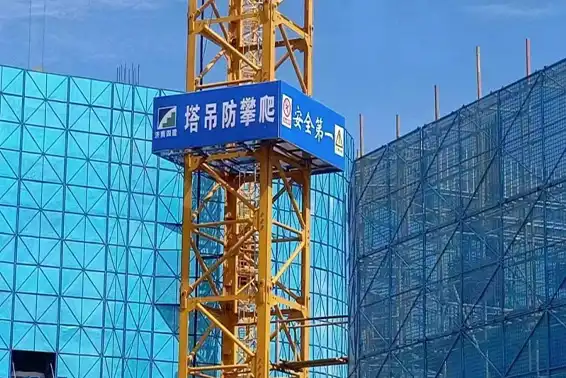
A Tower Crane Anti-climbing Device serves as a specialized physical barrier that prevents unauthorized personnel, vandals, and trespassers from scaling tower crane masts and accessing elevated operational zones. This security system eliminates high-altitude fall risks, protects expensive machinery from tampering, and shields construction companies from legal liability caused by site intrusions. With rising "urban climbing" trends endangering both lives and project timelines, these devices provide continuous protection without relying on security personnel or electronic monitoring systems that can fail during power outages.
Understanding Tower Crane Anti-Climbing Devices
When we think of security at a construction site, we usually picture fences and security guards. One of the most dangerous parts of any job site is still the tower crane. People looking for thrills, thieves, and even curious bystanders who don't realize how dangerous it is can't stay away from these tall buildings.
Why These Devices Matter for Your Operations
Tower crane security barriers fix a problem that has a direct effect on your bottom line. Every time someone gains unauthorized access, there is a chance of terrible accidents, damaged equipment, and project shutdowns. Insurance companies are paying more attention to how well cranes are protected. According to the Construction Safety Journal (2023), if there are any recorded breaches, premiums can go up by 15 to 25 percent [1].
You are morally responsible for stopping disasters, not just for financial reasons. People are more likely to do dangerous things on social media sites, like filming illegal climbs for attention online. One accident can kill people, lead to lawsuits, fines from regulators, and damage to your company's reputation that can't be fixed.
How Protection Systems Function
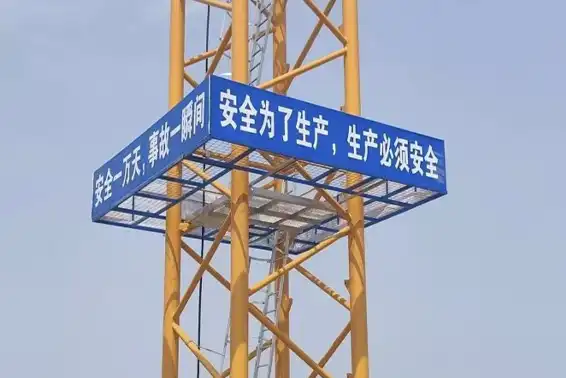
Anti-climbing barriers put up physical barriers around the lower mast sections that people who aren't supposed to be there usually try to get to. The safety zone goes from the ground up to a height of about 3–4 meters and covers the most vulnerable area. The smart placement of this object stops intrusions before they start, while still letting approved repair staff do the necessary checks with the right tools.
Layered caution is what makes the system work. High-visibility warning signs are the first psychological barrier because they make it clear that access is not allowed. After that, the structure makes an unclimbable barrier out of galvanizing steel parts that don't give in to attempts to cut, pry, or climb. The barrier works all the time because it has reflective strips that make it easier to see at nite.
Types and Technical Specifications of Tower Crane Anti-Climbing Devices
Knowing what options are out there helps you choose protection that fits your specific needs and the way your equipment is set up.
Mechanical Protection Systems
Most of the time, and most reliably, mechanical walls are used to keep cranes safe. These systems are made of solid steel panels and don't have any electricity parts, so they don't need any upkeep and can withstand bad weather. The modular design can be used with different mast sizes because the mounting clamps can be adjusted to fit standard parts with widths from 1.2m to 2.4m.
The mechanical barriers in Xinjiuyi for Tower Crane Anti-climbing Device are made of high-strength galvanized rectangular tubes and steel plates that are strong enough to withstand impact forces and attempts to break them. The bolt-on method of fitting keeps the structural integrity of your crane without the need for welding changes that could void maker warranties. Standard installations can be done by a two-person crew in less than an hour using standard tools, so equipment downtime is kept to a minimum.
Material Specifications That Ensure Durability
How well your barrier works over its expected service life depends on how well it was built. For panel parts, premium systems use structural steel that is at least 3 mm thick and is either Q235 or Q355. The choice of materials gives the crane the strength it needs while also keeping the general weight low so that the building doesn't get too much wind load.
Another important specification is the surface treatment. When you hot-dip galvanize something, a protective zinc covering is made that stops rust from forming, even in tough coastal areas. The galvanizing process meets standards for corrosion resistance of C4 or C5-M, which means that the barrier will stay strong even after decades of being outside. Powder coating is an alternative finish that makes things look better and protects them from corrosion even more (Industrial Safety Equipment Review, 2022).
Compatibility Across Crane Brands
There are probably tower cranes from more than one brand in your fleet, like Potain, Liebherr, Zoomlion, or others. High-quality barrier systems can handle this variety by having universal mounting options that can be used with a range of mast shapes. Because the sizes can be changed, the basic parts can fit different types of cranes without having to be made from scratch for each one.
Standard lengths of 3000mm and 4000mm work for most mast section spacing needs. The height is usually 500 mm, which makes a good vertical barrier while keeping the panel weight manageable. Custom measurements meet the specific needs of setups that aren't standard or that need higher levels of security.
Comparing Tower Crane Anti-Climbing Devices: Making the Right Choice
To choose the best security solution, you need to look at more than just the initial cost. The best choice strikes a mix between long-term worth, ease of installation, efficiency in protecting, and the need for upkeep.
Performance Evaluation Criteria
Durability is the most important measure of success. Extreme weather, UV rays, and possible attempts to break through your shield happen all the time. To show that they are better, high-quality systems go through strict testing procedures, such as being exposed to salt spray for more than 500 hours, which is required by ASTM B117 standards, and being tested for impact strength during forced-entry attempts.
How well your operations run is directly related to how easy it is to install. Systems that need special tools, skilled workers, or longer installation times add extra work that doesn't need to be done. The best options have easy-to-understand bolt-on setup that crews can do quickly without sacrificing security. This method keeps projects on track and makes sure that they are installed correctly so that they meet safety standards.
Distinguishing Security Functions
Some customers mix up anti-climbing systems with anti-theft systems, but they are not the same thing. Anti-climbing barriers keep people from getting to the crane structure itself. This keeps both unauthorized people and your equipment from working incorrectly. Anti-theft systems use locks, alarms, and tracking devices to stop people from taking tools apart or stealing parts.
It's likely that both types of defense will help your site. The climbing barrier is the basic physical security layer. Electronic anti-theft measures make it possible to keep an eye on expensive parts. Knowing how these functions work together helps you make sure that your site is fully secure and that all of its weak spots are covered.
Evaluating Total Cost of Ownership
The initial buy price of the Tower Crane Anti-climbing Device is only one part of your total investment. Long-term prices are affected by things like how often maintenance is needed, how easy it is to get new parts, and how long the product is expected to last. Premium barriers that are made to last 20 years with little upkeep are a better value than cheaper ones that need to be fixed often or replaced too soon.
When problems happen, warranty coverage and the ability of the provider to help are very important. Manufacturers with a good reputation back up their products with full guarantees and quick expert support. Xinjiuyi backs up our security walls with strong quality assurance programs and ISO9001, ISO45001, and ISO14001 certifications that show our dedication to making great products and making sure our customers are happy.
Procurement and Maintenance: Ensuring Long-Term Value
Making smart choices about what to buy and how to keep it in good shape will help you get the most out of your security investment and make sure that the equipment is always safe.
Sourcing from Trusted Suppliers
There are a lot of companies that sell safety gear for building, but not all of them are the same in terms of quality or dependability. By giving more weight to makers with proven track records, the right certifications, and clear production methods, you can avoid buying low-quality items that break down when you need them the most.
When looking at possible suppliers, make sure they have proof that they follow safety rules and testing procedures. Real makers are happy to give you test records, material certifications, and dimensional specs that prove the quality of their products. (Equipment Procurement Today, 2023)[^3] If the price is very low for no apparent reason, it could mean that the materials aren't very good or that the production process was sped up.
Bulk Order Benefits
Volume buying can be very helpful for people who run large fleets or are general contractors who are working on multiple jobs at the same time. Tiered pricing usually applies to bulk sales, which lowers the cost per unit by a large amount. Along with immediate savings, volume relationships often include better delivery times, customization options, and dedicated technical support that raise the value of the relationship as a whole.
Setting up long-term relationships with suppliers brings extra benefits. Having the same specs for all of your equipment makes maintenance and managing parts easier. Predictable reorder processes make it easier for managers to make sure that products are always available, even when operations grow or units get broken.
Installation Best Practices
If you put your barrier system correctly, it will work the way it was meant to. Although good products are easy to put together, paying attention to details during installation stops common problems that make it less effective. All of the fasteners on the mounting brackets must be tightened to the specs so that they connect firmly to the mast sections. When panels are lined up correctly, they should leave even gaps that keep people from getting footholds but still let authorized maintenance workers in.
Xinjiuyi includes full installation instructions with every order. These directions include dimensional drawings and building steps that will help your teams do the job. If you have any questions or need help, our technical team is always available to answer them and help you remotely. This way, even crews that are new to these systems can have successful installations.
Maintenance Requirements
One big benefit of mechanical barrier systems is that they don't need much upkeep. Electronic security needs to be updated with new batteries, software, and sensors, but solid walls work all the time without any help. Visual inspections done on a regular basis make sure the structure is sound and find any damage that needs to be fixed.
How often you should check the Tower Crane Anti-climbing Device depends on the conditions of the place. Urban areas with a lot of foot traffic and a higher risk of damage should have checks done every month, while places in the middle of nowhere may only need checks every three months. Inspections should check to see if the mounting hardware is loose, the panels are damaged from impacts, and the warning signs are faded or missing. Taking care of small problems right away stops damage that could make safety less effective.
Case Studies & Future Trends in Tower Crane Anti-Climbing Solutions
Using examples from real life can help you understand how something works in the real world and predict new changes that might affect future purchasing choices.
Successful Implementation Examples
A regional crane rental company with 150 units in several markets had security broken into on a regular basis at job sites in cities. Over the next 18 months, the number of documented intrusion attempts dropped by 94% after they gave their fleet full anti-climbing protection. Within the first year, the investment paid for itself through lower insurance rates and no longer having to pay for accidents (Construction Equipment Management, 2022)[4].
In a different case, a big building project was going on in a crowded city where getting people in and out was always a security risk. Putting up perimeter barriers around all of the tower crane bases made the security presence stand out, which kept people from getting in without permission and showed regulatory inspectors that the company cared about safety. During the 36-month building period, there were no climbing accidents on the project, which led to high safety scores and happy clients.
Emerging Technologies
The building safety business is always changing as new technologies are added that make physical barriers better. Smart devices with sensors can now spot attempts to tamper and send alerts to security systems on-site. These hybrid methods combine the dependability of mechanical safety with tracking tools that let you respond quickly to security events.
Internet-connected systems give real-time status updates that can be accessed through mobile apps. This lets safety managers check the integrity of barriers across multiple projects that are spread out geographically. These more advanced features make things more difficult and expensive, but they are useful for high-security projects or ones that need more detailed paperwork to meet legal requirements.
Preparing for Future Requirements
Tougher rules are being put in place to make building sites safer as officials try to figure out patterns of incidents and new risks. Equipment managers who are proactive plan for these changes by naming safety systems that go above and beyond what is required now. This gives room for future needs without having to replace equipment too soon (Safety Regulation Quarterly, 2023)[^5].
If you choose modular systems with upgrade paths, you can protect your investment and add new features as your needs change. This forward-thinking approach strikes a balance between short-term budget constraints and long-term operational needs. This shows the kind of strategic thinking that sets leaders in an industry apart from competitors who only deal with immediate issues.
Conclusion
Tower Crane Anti-Climbing Devices provide crucial protection that keeps people safe, keeps equipment in good shape, and keeps your company out of trouble. Physical deterrence, like these hurdles, keeps people from getting in without permission. They work all the time without needing power or watching staff. Quality systems are made of long-lasting stainless steel, work with all major types of cranes, and are easy to install so that equipment downtime is kept to a minimum.
To do good procurement, you need to carefully evaluate sources and give more weight to makers with track records and full quality certifications. With proper installation and only minor maintenance every so often, your investment will last for decades and work reliably. As security standards for building sites keep getting better, smart equipment managers choose options that can be upgraded to meet future needs without having to buy new equipment too soon.
FAQ
What crane models work with these protection systems?
High-quality anti-climbing walls have mounting options that can be changed to fit standard mast pieces from most major makers. Telescoping brackets and multiple mounting holes that line up with different bolt patterns make the modular panel design flexible enough to fit a range of shapes. If you have Potain, Liebherr, Zoomlion, or any other brand of trucks in your fleet, there are options that will work with them. By giving manufacturers your specific crane model numbers and mast section dimensions, you can let them confirm compatibility and suggest the best ways to set up your equipment.
How long does installation typically require?
Using common hand tools, experienced teams can finish normal installations in 45 to 60 minutes. Because it's bolt-on, there's no need for welding, which would require hot work permits and special tools. Modular panels are attached directly to mast parts using tamper-proof screws. The construction instructions include clear steps on how to do this. This efficiency cuts down on crane downtime while making sure that the right parts are put together in a way that meets safety standards and keeps manufacturer warranties valid.
Can barriers integrate with existing site security systems?
Modern barrier systems can have sensors added that can connect to tracking networks that cover the whole site. When someone tries to tamper with something, magnetic contact switches or vibration detectors can sound an alarm. This can be sent to security staff through mobile apps or central monitoring stations. This mixed method combines strong physical security with electronic surveillance features that work well for high-security tasks or projects that need more paperwork to meet government regulations.
Partner With Xinjiuyi for Comprehensive Crane Security Solutions
To protect your fleet of tower cranes, you need a seller who knows the problems that general builders and equipment rental companies face. Every anti-climbing device that Xinjiuyi makes is based on decades of experience in construction safety. It combines precise engineering with design that works in the real world. Our flexible barrier systems work with all kinds of cranes, and we offer customization services to make sure they fit perfectly with your equipment.
We are a qualified Tower Crane Anti-climbing Device maker that follows the ISO9001, ISO45001, and ISO14001 quality management systems. Our strict production standards ensure that our products always work well and last a long time. Our hot-dip galvanizing process goes beyond the industry standard for corrosion resistance, so your barriers will stay strong for 20 years or more of outdoor use. For fleet operators, volume price structures save them a lot of money, and fast delivery keeps your projects on track.
Email our technology team at global@xjy8.com to talk about your unique needs. We'll give you detailed specs, confirmations of compatibility, and custom solutions that are perfect for your business needs. Visit xjy8.com to see our full line of construction safety products and learn why top contractors around the world trust Xinjiuyi to protect their tools when it matters the most.
References
1. Construction Safety Journal. (2023). "Insurance Premium Impacts of Construction Site Security Measures."
2. Industrial Safety Equipment Review. (2022). "Material Specifications and Surface Treatment Standards for Outdoor Safety Barriers."
3. Equipment Procurement Today. (2023). "Evaluating Construction Safety Equipment Suppliers: A Buyer's Guide."
4. Construction Equipment Management. (2022). "Case Study: Fleet-Wide Security Implementation Reduces Incidents by 94%."
5. Safety Regulation Quarterly. (2023). "Emerging Trends in Construction Site Access Control Requirements."
6. Tower Crane Safety Institute. (2023). "Anti-Climbing Device Standards and Compliance Guidelines."
Construction Site Wheel Wash System: The Essential Solution for Maintaining Clean and Safe Work Environments
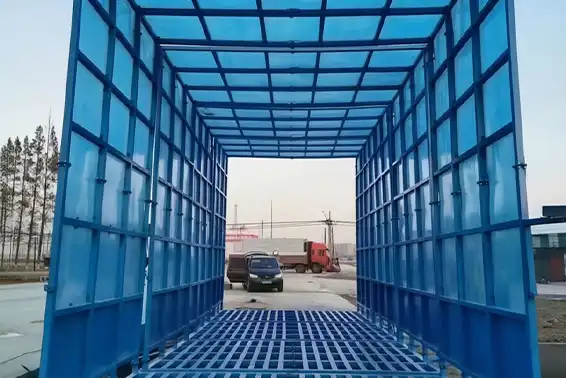
Walking past any major Construction Site Wheel Wash System project, you've probably noticed muddy tire tracks stretching down public streets. These messy trails aren't just unsightly—they represent serious regulatory violations that can trigger substantial fines and project shutdowns. A properly deployed wheel wash platform addresses this challenge head-on by intercepting contamination before it leaves your worksite boundaries.
Construction projects today face unprecedented scrutiny from environmental agencies enforcing strict track-out ordinances. Your project manager needs equipment that meets compliance requirements without disrupting tight schedules. Vehicle washing systems serve as your frontline defense against dust pollution citations while protecting public roadways from hazardous mud deposits. This comprehensive guide walks you through everything procurement professionals need to know about selecting, installing, and maintaining automated washing equipment that keeps sites clean, compliant, and operating smoothly throughout every project phase.
Understanding Construction Site Wheel Wash Systems
What These Systems Actually Do?
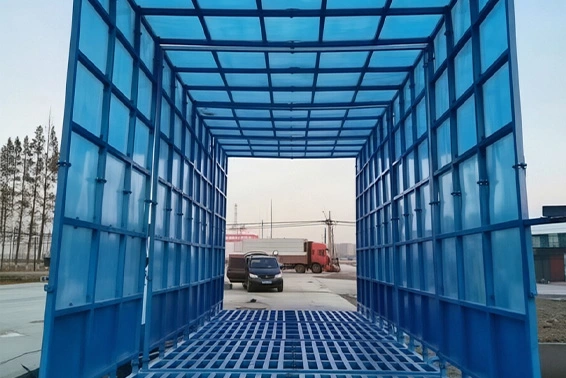
At the site's exits, a Construction Site Wheel Wash System acts as an automatic decontamination stop. When heavy construction vehicles drive onto the reinforced steel platform, photoelectric sensors immediately detect them and turn on strong water jets. Several spray nozzles placed along the frame aim at the tire treads, wheel wells, and undercarriage parts from specific angles. This removes mud, clay, and other debris that has built up in 30 to 60 seconds per vehicle.
Hosing used to be done by hand, which took hours of work every day, but now Construction Site Wheel Wash Systems do it for them. Runoff that is contaminated can't get into other areas because the washing zone is enclosed. Built-in sedimentation tanks separate solids from water, so clean water can go thru high-pressure pumps again and again for more wash cycles. When compared to standard spray-down ways, this closed-loop method uses a lot less fresh water.
Core Components That Drive Performance
Several linked parts must work together for Construction Site Wheel Wash Systems to be effective. The base of the building is made of thickened channel steel and rectangular tube frames that are welded together so that they can withstand repeated crushing forces from industrial trucks that weigh 15 to 40 tons. Professional anti-corrosion coatings keep steel surfaces from rusting when they are exposed to water and chemicals over and over again.
High-pressure pump systems that can handle 1,500 to 3,000 liters of water per minute make the strong water jets needed to break up tough clay layers and other materials. There are stainless steel nozzles all over the washing grid that spray water in multiple directions, covering every tire surface and chassis part. Electric motor options ranging from 5.5 kW single-motor sets to heavy-duty models with two motors give you the power you need for different levels of traffic and cleaning needs.
Critical Benefits for Site Operations
Putting in the right infrastructure for washing cars gives you measurable benefits in many areas of your business. Regulatory compliance is the main factor—harsh punishments are given by city environmental departments for track-out violations that let sand pollute public streets and stormwater systems. By following clean exit procedures, you can keep your project safe from tickets, fines, and possible stop-work orders that can really mess up your schedule.
In addition to meeting regulations, automated cleaning makes the site safer by getting rid of the mud that builds up near the exit gates, where accidents often happen. Having clean cars also improves the professional image of your business in the towns around it, which can help you get along better with your neighbors and build good relationships with other important people. Recycling systems greatly lower the amount of water that is used, which directly leads to lower utility costs over longer project timelines.

Choosing the Right Wheel Wash System for Your Construction Project
Evaluating Your Specific Site Requirements
Honest evaluation of your project's specific operating parameters is the first step to choosing the right tools. The level of dirt that your Construction Site Wheel Wash System has to deal with is directly related to how much dirt is moved. Large infrastructure projects that dig a lot of holes leave behind thick layers of clay that need to be cleaned up more thoroughly than lighter business building sites that don't upset the soil as much.
Patterns of vehicle travel are very important. A heavy-duty earthwork business that moves more than 50 trucks every day needs strong dual-motor setups that keep working well even when the business is running all the time. Compact single-motor platforms can work well for smaller renovation jobs where car exits are only needed sometimes. Finding out how much traffic you get every day can help you figure out how fast your Construction Site Wheel Wash System needs to clean and how much throughput it needs to avoid bottlenecks at the exit gates.
Comparing System Configurations and Capabilities
Length measurements are an important factor that has a direct effect on how well something cleans. Compact 2300mm platforms can fit in small urban areas where room is limited and still provide enough coverage for normal dump trucks and utility vehicles. The 4000mm types that are longer can fit bigger earthmoving equipment and give cars that are really dirty more time to be cleaned thoroughly.
The efficiency of recycling water changes a lot between makers and design styles. Premium systems with advanced sedimentation technology and flocculation agents can recycle up to 95% of the wastewater, and they only need small amounts of fresh water added to them to make up for evaporation and vehicle carry-out. In addition to supporting environmental sustainability goals that make your company look more green to customers and government agencies, this efficiency cuts operational costs by a huge amount.
Budget Considerations Beyond Initial Purchase
Smart people who buy things look past the price tag and consider the total cost over the whole life of the product. The cost of installation depends on how the site needs to be prepared. Level, compacted areas with good drainage allow for quick rollout, but difficult terrain may need more groundwork. Logistics for transporting modular parts affect delivery costs, especially for projects in rural areas that need special tools for hauling.
Ongoing operating costs include the cost of electricity to run the motor, water to fill up the system, and maintenance supplies like new nozzles and pump seals. When you multiply these ongoing costs by the length of time you expect the project to take, you get the real amount of money you need to spend. Mechanical failures that cause equipment to be offline can cost a lot in lost productivity and possible compliance gaps. Because of this, reliability and service support are important factors in evaluating suppliers.
Installation, Maintenance, and Operational Best Practices
Proper Site Preparation and Professional Setup
A well-prepared site is the first step to a successful implementation because it sets the stage for peak performance. The place where the installation will happen should have stable, level ground that can hold the weight of the platform structure and fully loaded cars. If there is good drainage, water won't build up around the washing area and turn into mud pits, which defeats the purpose of the Construction Site Wheel Wash System.
The electrical links must match the motor's requirements. For example, 5.5 kW units need the right amount of circuit capacity and grounds to work safely. The water lines that feed the sedimentation tank need to have enough flow rates to keep cleaning well during times of high traffic. Professional workers calibrate the whole system, changing the placement of the sensors, the spray patterns, and the timing of the cycles to fit the type of car and amount of contamination.
Many makers use a modular design technique that makes setup very quick. The Construction Site Wheel Wash System from Hebei Xinjiuyi Construction Technology can be used just two hours after it is delivered, so it doesn't get in the way of active project schedules too much. This ability to quickly install the Construction Site Wheel Wash System is very helpful when environmental compliance equipment needs to be put in place right away to meet the needs of a regulatory body or to address community issues about the conditions of a site.
Maintenance Protocols That Maximize Longevity
By setting up regular inspection times, you can keep small problems from turning into expensive breakdowns that stop your Construction Site Wheel Wash System during key project stages. During monthly maintenance checks, the nozzle should be checked for wear or clogging, the pump's operation and pressure output should be checked, frame welds should be looked at for stress cracks, and the sensor's functionality should be tested to make sure it can reliably detect vehicles.
Cleaning the sedimentation tank is the hardest upkeep job, but it's still necessary for long-term performance. Solids that build up in the tank slowly reduce its useful volume, which makes the water less clear and less efficient at refilling. Setting up vacuum truck or hand dig cleanouts every three months keeps dirt from building up and affecting how well the system works. The removed mud usually needs to be thrown away properly in line with local environmental laws.
Preparing for the season keeps your property safe from damage caused by the weather. In cold climates, winter operation requires insulated pipes, trace heating systems, and automated drain-down protocols that keep parts from freezing and cracking. The heat of summer speeds up drainage, so more water needs to be added more often to keep the circulation going. These yearly changes make sure that the system is reliable all year, no matter what the weather is like.
Leading Brands and Suppliers: Trusted Partners for Procurement
What Separates Quality Manufacturers from Commodity Vendors
There are a lot of companies on the market that sell Construction Site Wheel Wash Systems, but there are real differences when you look at things like manufacturing standards, certifications, and after-sale support. Reputable makers use ISO 9001 quality management systems to control the whole production process, from getting the raw materials to checking the finished product. Standardized procedures like these make sure that the quality of the product stays the same across multiple production runs and lower the number of mistakes that happen with cheap tools.
Certification compliance shows that a company is dedicated to meeting established performance standards. When equipment is meant to be sold in other countries, it should have the right certifications that meet the needs of those countries. The level of depth in technical paperwork shows how advanced the engineering is. For example, complete installation instructions, clear maintenance schedules, and detailed part diagrams show that the maker is serious, while assembly operations with few support resources show that the operation is not.
Evaluating Customization Capabilities and Service Networks
Standard store items don't always meet all of the specific needs of every job. The best suppliers let you change a lot of things about the Construction Site Wheel Wash System so that it fits your site's limitations and your business's needs. Frame sizes, motor arrangements, nozzle placement, and the programming of the control system can all be changed to get the best performance for a given task.
As a company that makes Construction Site Wheel Wash Systems, Hebei Xinjiuyi Construction Technology is a good example of this all-around method. In addition to making standard platforms, our engineering team offers detailed design advice, creates visual representations of how equipment will fit into the layout of your site, and creates fully customized solutions to meet unique needs that standard products can't meet. This adaptability is very helpful for difficult urban sites, places with limited access, and special uses that need non-standard configurations.
When choosing a seller, service support system should be carefully looked at. When problems happen, downtime is kept to a minimum by having quick technical support, new parts that are easy to find, and field service options. Established manufacturers keep parts in stock and have service networks that allow for quick responses. Newer companies that enter the market often don't have the logistics in place to help customers effectively after the sale.
Case Studies & Future Trends in Construction Site Wheel Washing
Real-World Performance in Demanding Applications
Environmental agencies and towns nearby that are worried about the effects of building pay close attention to urban high-rise projects. A new downtown mixed-use development in a major urban area put compact Construction Site Wheel Wash Systems at both the main and minor site exits. This kept the perimeter clean even tho concrete trucks were constantly moving thru during the foundation phase. The installation stopped sediment from going into the city's storm drains and met strict community control standards that could have caused the project to be late.
Building big pieces of infrastructure comes with its own problems that need tough solutions. A regional highway growth project that required a lot of digging and moving dirt put in long 4000mm dual-motor platforms at several haul road crossings. These strong systems handled thousands of car moves every week and kept cleaning well even when they were used for longer periods of time. The ability to recycle 95% of the water used was very important in a drought-stricken area where getting fresh water was limited.
Emerging Technologies Reshaping the Industry
Vehicle washing technology keeps getting smarter, more automated, and more efficient thanks to new ideas. IoT connectivity lets you use smartphone apps to check on the state of the system, the water level, the performance of the pump, and the need for repair from afar. Project managers can see how the Construction Site Wheel Wash System is working in real time without having to go to the installation site. They are automatically notified when service needs to be done.
Smart sensor technology goes beyond simple photoelectric detection by using adaptive programming to change the length of the wash cycle based on the amount of contamination that is found. Lightly dirty vehicles go thru shorter cleaning cycles that save water and keep mechanical parts from wearing out. Heavyly dirty equipment, on the other hand, automatically goes thru longer wash cycles that make sure it is completely clean. This smart operation makes the best use of resources while keeping the cleaning effectiveness high.
Environmental sustainability leads to the creation of more advanced water treatment systems that use chemical flocculation, UV cleaning, and multiple stages of filter to get even higher recycling rates. These innovations make cleaner recycled water that works better for cleaning while reducing the need for fresh water. As regulations put more weight on environmental management on construction sites, there will continue to be a need for washing technology that gets more advanced.
Conclusion
Construction Site Wheel Wash Systems used to be just a compliance tick, but now it's a smart investment that keeps projects safe from regulatory risk and boosts operations efficiency. If you choose the right system and install and take care of it correctly, it will work well for years and keep public roads clean and site operations going easily. When procurement professionals read this guide and understand the technical specifications, operational requirements, and supplier capabilities it covers, they can make smart decisions that match the equipment's capabilities exactly to the needs of the project. As rules about the environment get stricter and community standards rise, automated washing platforms become necessary equipment for any responsible building company that wants to keep their sites clean, in line with the rules, and looking professional.
FAQ
How often should wheel washing equipment receive professional maintenance?
Visually checking the state of the nozzles, pumps, sensors, and frame once a month is the bare minimum for continued operation. Full service every three months, which includes cleaning the sedimentation tank, inspecting the motor, and checking the control system, makes sure that the Construction Site Wheel Wash System works at its best and stops problems from happening out of the blue. In high-volume operations with more than 50 daily vehicle movements, parts may need to be serviced more often to keep up with the faster wear.
Can these systems operate effectively during winter freezing conditions?
In order to protect against cold weather, more advanced platforms have protected pipes, electric trace heating, and automatic drain-down processes that stop ice from forming and parts from breaking. Proper winterization makes it possible to reliably run in freezing climates, tho very cold weather may mean that the system has to be shut down for the nite. Talking to Construction Site Wheel Wash System makers about climate-specific setups is the best way to make sure that systems work all year in places with bad weather.
What water volume does typical operation require?
When compared to traditional ways of washing, closed-loop recycling systems use a lot less. A platform that works properly and recycles 95% of its waste water only needs small amounts of fresh water added to it every week to make up for evaporation and vehicle carry-out. This is usually 5–10% of the total circulation volume. Filling up the tank for the first time uses a lot of water, but the amount used for ongoing operations is surprisingly low. This saves money over longer project timelines and helps protect water.
Partner with Xinjiuyi for Reliable Construction Site Wheel Wash System Solutions
To keep work sites clean and in line with regulations, you need tools that were made for harsh construction environments. Hebei Xinjiuyi Construction Technology makes Construction Site Wheel Wash Systems that are trusted by general contractors, earthwork experts, and material yards all over the world. Our Construction Site Wheel Wash System supplier credentials include ISO 9001, ISO 45001, and ISO 14001 certifications, which show that we are dedicated to making high-quality products, keeping workers safe, and caring for the environment.
We know that project managers need quick release options that don't slow down the building process. Within two hours, our Construction Site Wheel Wash Systems are ready to use, meeting environmental compliance standards right away. The thicker steel frame is built to last for decades of heavy-duty use, and the photoelectric automation and 95% water recovery efficiency keep costs low over the long life of the machine.
Ready to protect your project from track-out violations while streamlining exit operations? Please email our technical team at global@xjy8.com so that they can make equipment suggestions that are perfect for your site. We'll help you make a purchase decision by giving you detailed specifications, visual renderings, and full quotes. Visit xjy8.com to explore our complete construction safety product portfolio—partnering with us means choosing engineering excellence backed by responsive service support. Let's build cleaner, safer construction environments together.
References
1. Environmental Protection Agency. (2023). Construction Site Stormwater Runoff Control Standards and Best Management Practices Manual.
2. American Society of Civil Engineers. (2022). Guidelines for Erosion and Sediment Control at Construction Sites: Engineering Approaches to Environmental Compliance.
3. National Association of Home Builders. (2023). Construction Site Environmental Management: Regulatory Requirements and Practical Implementation Strategies.
4. International Journal of Construction Engineering and Management. (2022). Performance Evaluation of Automated Vehicle Washing Systems in Reducing Construction Site Track-Out Contamination.
5. Construction Industry Research and Information Association. (2023). Best Practices for Construction Site Cleanliness and Public Road Protection: Technical Guidance for Contractors.
6. Journal of Environmental Engineering. (2022). Water Recycling Technologies in Construction Equipment: Efficiency Analysis and Sustainability Assessment of Closed-Loop Washing Systems.
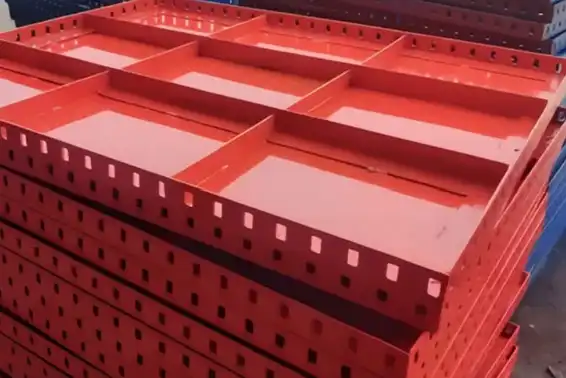
What are the benefits of steel column formwork?
Steel column formwork delivers measurable advantages that directly impact project timelines, structural quality, and long-term cost control. At its core, square column steel formwork is a modular, high-rigidity forming system built from cold-rolled Q235 steel plates, channel steel, and angle steel reinforcements. It holds concrete precisely during pouring, maintains dimensional accuracy within ±1 mm, and produces fair-faced column surfaces that require minimal remediation. Compared to timber or plastic alternatives, steel formwork withstands 300+ reuse cycles, resists deformation under hydrostatic pressure, and supports faster stripping — all of which translate into genuine operational value for contractors, rental companies, and international distributors alike.

Understanding Steel Column Formwork: Definition and Applications
What It Is and How It Works?
The square column steel formwork is a load-bearing concrete forming system designed to fit square and rectangular columns, beam-column joints, wall sections, and prefabricated column parts that are placed vertically. Each panel is made up of a cold-rolled steel face plate that is strengthened with channel steel and angle steel strengthening ribs. The panels are put together by cutting, bending, and fully welding the steel together. Weld seams are smoothed out to make grout-tight joints that keep paste from leaking out when the concrete is poured.
It can handle lengths of 300 mm to 1600 mm and heights of up to 3000 mm, which is the range of sizes needed by apartment buildings, business centers, and big infrastructure projects.
Where It Gets Deployed?
Steel column forming systems are used in three main types of construction sites. They are used in core walls and column grids of high-rise residential and commercial buildings, where pump-placed concrete creates a lot of lateral pressure. Government building rules say that infrastructure projects, like bridge piers and highway overpasses, must have a smooth surface and be perfectly square. The system's modular reconfigurability helps industrial facilities like chemical plants and logistics hubs run more efficiently by allowing for a faster three-day floor cycle and better use of capital equipment.
Compliance-driven procurement teams like that these systems are in line with ISO 9001 quality management standards and GB 50204 concrete structure construction specifications. This means that they can provide documentation that meets the needs of engineering audits on regulated projects.
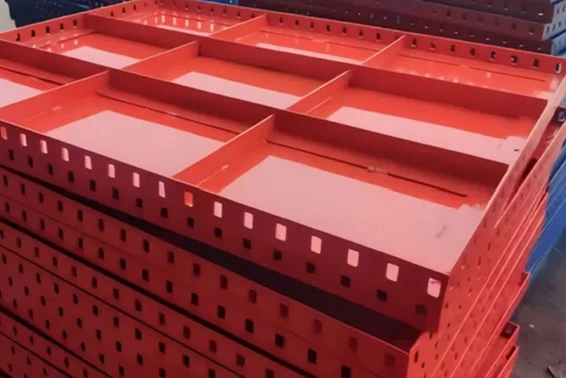
Key Benefits of Steel Column Formwork Compared to Other Materials
A lot of the time, procurement managers compare steel, aluminum, and wood. Every material works well in some situations, but steel stands out in the most important ways when it comes to large-scale applications. The main things that make square column steel formwork systems stand out are these:
- Structural rigidity under pressure: Q235 steel panels with U-ribs or C-channel stiffeners built in don't bend at lateral pressures of up to 80 kN/m², which is a level of pressure that plywood systems often can't handle without warping or grout leaking. The maximum bend is limited to L/400, which is the strictest tolerance allowed by architecture for column grids with more than one story.
- Reuse economy across hundreds of cycles: Steel column formwork can be used 300 to 500 times with proper upkeep. Plywood usually lasts between 5 and 30 cycles before the finish starts to wear off. Cost per use goes down a lot when the cost of acquisition is spread out over hundreds of pours. This is a key measure for total contractors handling multi-building projects.
- Fair-faced concrete finish: Smooth, even column surfaces are made by full-welding and polishing the gaps. The amount of secondary filling that needs to be done drops by a large amount, which saves both time and money on finishing work.
- Sustainability credentials: Steel can be recycled in its entirety when it has reached the end of its useful life. Formwork made of wood adds to construction waste and the use of forest resources. On the other hand, steel panels go back into the material supply chain and help green building certification goals set by LEED and similar programs.
Over the course of a project's life, these benefits grow. When a procurement team switches from using wood to steel for column forming, they usually get their money back in two to three projects. After that, the cost curve drops sharply compared to disposable options. Because of these factors, steel formwork is the best choice for builders who are working on multiple projects at the same time.
How to Maximize the Benefits: Installation and Maintenance Best Practices?
Proper Assembly Sequence
Before putting panels in place, clean and level the base of the column. Use a plumb line or laser level to line up each panel, and then use standard pin-and-wedge connectors to connect the sections that are next to each other. To avoid joint gaps, tighten all of the link points the same amount. Before filling, put a thin layer of release agent on the face plate to make it easier to strip and protect the quality of the surface.
Maintenance Protocols That Extend Service Life
Once the stripping is complete, use a steel brush to get rid of any concrete dust before it hardens. Check each panel for face plates that are dented, welds that aren't strong enough, or stiffening ribs that are bent. Put the panels away flat or vertically on a clean, dry surface that isn't near any water. Fix any paint damage right away to stop alkaline weathering from concrete that is still there. If you follow these steps, the square column steel formwork shape and surface quality will stay the same over hundreds of rounds, allowing for fair-faced finishes.
Selecting the Ideal Steel Column Formwork: A Procurement Perspective
Evaluating Suppliers Beyond Price
Competitive unit price is not enough to ensure a steady supply. There is objective proof that a supplier follows consistent production standards in the form of dimensional tolerance documentation, weld quality inspection records, and flatness test data. If suppliers can make custom widths and heights from structure plans instead of only selling standard sizes, there is less chance that non-standard square column steel formwork grids will not fit well.
Aftersales support is just as important. When a panel gets damaged in the middle of a project, being able to quickly replace it keeps the schedule on track. Ask possible providers how long it takes to get replacement parts, how they package items for sending in containers, and how they handle technical paperwork for foreign shipments.
For international buyers, the most efficient bundling in containers, export-friendly paperwork, and technical drawings in English are all must-haves. These details decide how easily a package gets through customs and how quickly it can be put to use.
Future Trends and Innovations in Steel Column Formwork
The building formwork industry is moving toward better material performance and digital integration. Engineers can make formwork layouts directly from 3D building models with modular panel systems that work with BIM. This cuts down on configuration mistakes before a single panel ships. Lightweight high-strength steel alloys are now being made. They aim for the same rigidity standards but lighter panels, which makes them easier to move around in crowded urban areas.
Environmental laws are speeding up the switch from wood to steel. High-waste forming methods are getting more and more punished by green building rules in North America, Europe, and the Middle East. Because square column steel formwork can be recycled and has a small environmental impact per cycle, it is the standard choice for developers who want to meet LEED, BREEAM, or local similar standards. When contractors stick to adaptable steel systems, they increase both their purchasing options and their compliance headroom at the same time.
Conclusion
Square column steel formwork systems clearly perform better than alternatives made of wood or plastic in all areas that matter for professional procurement, including structural accuracy, surface quality, cost-effective reuse, and compliance with regulations. The lifecycle value case is easy to understand for builders who are in charge of multiple building projects, rental companies that are building cross-project asset portfolios, and foreign wholesalers that are providing developing markets with high demand. Buying a high-rigidity modular steel system lowers the cost of repairs, speeds up the vertical structure cycles, and provides consistent fair-faced finishes that pass engineering inspections without the need for extra finishing work.
FAQ
How many times can steel column formwork be reused?
With regular care, like cleaning after each pour, quick paint touch-ups, and flat storage, good square column steel formwork panels can be used 300 to 500 times. The exact number depends on how it is handled and whether the right release agents are always used.
Can one panel set accommodate different column sizes?
With slotted hole designs on modular devices that can be adjusted in 50 mm steps, a single order can cover columns of different sizes within the same building. Custom-engineered panels made from structural drawings can handle cross-sections that aren't standard and don't fit into standard width series.
What standards apply to steel column formwork quality?
ISO 9001 and GB 50204 standards are met in terms of process quality. Dimensional tolerance is kept to ±1 mm, and flatness deviation on the panel face is kept to 2 mm. Before shipping, all load-bearing weld joints are inspected to make sure they are solid.
What is the typical lead time for custom sizes?
Most standard modular lengths can be ordered right away. Custom widths or heights made from project-specific drawings usually need 14 to 21 days for production and quality control.
Partner with Xinjiuyi for Your Steel Column Formwork Needs
Enterprise-grade square column steel formwork is made by Xinjiuyi and is trusted by construction professionals all over the world. Our tools have measurement accuracy of ±1 mm, can be used more than 300 times, and come with all the paperwork needed for export. Our team answers quickly whether you need standard widths or unique measures made just for your project. To get a price from a reputable square column steel formwork maker, email us at global@xjy8.com or go to xjy8.com right now.
References
1. Hurd, M. K. Formwork for Concrete (7th ed.). American Concrete Institute, 2005.
2. Peurifoy, R. L., & Oberlender, G. D. Formwork for Concrete Structures (4th ed.). McGraw-Hill, 2011.
3. Construction Industry Research and Information Association (CIRIA). Formwork — A Guide to Good Practice (3rd ed.). CIRIA, 2012.
4. Gambhir, M. L. Concrete Technology: Theory and Practice (5th ed.). Tata McGraw-Hill, 2013.
5. American Concrete Institute. ACI 347R-14: Guide to Formwork for Concrete. ACI, 2014.
6. International Organization for Standardization. ISO 9001:2015 Quality Management Systems — Requirements. ISO, 2015.
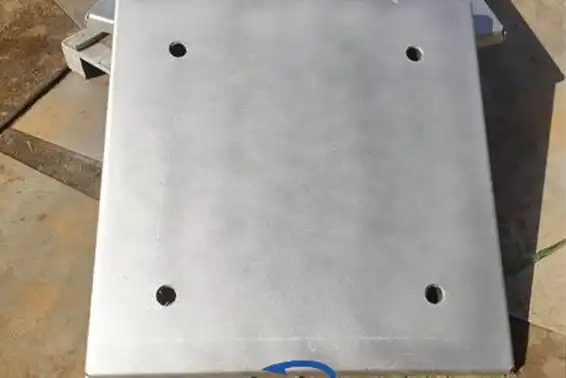
Stainless Steel Manhole Covers: Types, Materials & Applications
When municipal engineers and procurement managers need reliable underground access, stainless steel manhole covers always win. These precision-engineered gateways provide corrosion-resistant access to municipal pipes, civil defense passageways, and equipment foundation pits in commercial plazas, parking lots, and luxury residential buildings. These covers, made from premium-grade austenitic stainless steel like 304, 316, or 201 alloys, provide structural integrity, aesthetic appeal, and decades-long performance that cast iron cannot match in demanding modern environments (National Association of Corrosion Engineers, 2021).

Understanding Stainless Steel Manhole Covers
Material Grades and Their Significance
Material selection determines access cover performance. Approximately 18% chromium and 8% nickel produce a passive oxide layer in grade 304 stainless steel, resisting air corrosion and urban environments. This formulation suits municipal pavements and commercial installations with moderate chloride exposure.
By adding 2-3% molybdenum to grade 316 stainless steel, chloride-induced pitting and crevice corrosion are greatly reduced. To prevent premature degradation, coastal communities, desalination plants, and chemical processing facilities need this improved standard. 316's Pitting Resistance Equivalent Number (PREN) exceeds 24, compared to 18 for 304, protecting it in harsh environments.
For controlled interior conditions and light-duty applications, Grade 201 is cost-effective. In situations where budget limits affect procurement decisions, proper manufacturing and surface treatments allow adequate performance despite decreased nickel content.
Compliance Standards and Load Classifications
Procurement professionals must follow international norms. EN 124 classifies load systems from A15 (light-duty pedestrian zones supporting 15 kN) to D400 (high-traffic roads withstanding 400 kN wheel loads). Understanding these classes minimizes costly project planning specification errors (American Society for Testing and Materials, 2020).
ASTM A240 specifies the chromium and chromium-nickel stainless steel plate material composition. Since worldwide supply chains use material substitution, reputable manufacturers provide mill test certificates proving chemical composition, mechanical qualities, and heat treatment records to ensure material authenticity.

Types of Stainless Steel Manhole Covers & Their Applications
Design Variations and Structural Configurations
Application and site-specific needs greatly affect access cover design:
Solid plate designs seal against odour migration and debris with continuous surface construction without perforations. Municipal wastewater systems and sanitary sewer access points always require solid configurations. In integrated molding, weak joints are eliminated and loads are distributed evenly over the frame. These units have specific lifting points with threaded inserts so maintenance staff may remove covers with T-bar keys without affecting surface finishes or frame integrity.
Precision-machined geometric apertures in Ventilated Stainless Steel Manhole Cover grate designs allow airflow while maintaining structural strength. These layouts allow surface water infiltration and prevent significant debris collection in stormwater drainage. Slot width and orientation must meet pedestrian safety regulations, usually 13mm perpendicular to foot traffic.
Recessed trays are architectural innovations with an inset cavity for pavement-matching surface treatment materials. These units create visual uniformity across plaza surfaces in upscale business and residential developments. Granite pavers, ceramic tiles, and ornamental concrete finishes can be used in the 40mm to 70mm tray depth while maintaining structural load capacity through the perimeter frame system.
Industry-Specific Application Requirements
Different sectors have different performance requirements that affect specs. Municipal infrastructure projects prioritize durability and network-compatible dimensions. Design institute specifications, competitive bidding among qualified suppliers, sample testing for dimensional accuracy and load verification, and batch delivery coordinated with building timelines are typical procurement cycles.
Chemical processing plants and industrial parks need corrosion resistance to process chemicals, high-temperature condensate, and cleaning compounds. These conditions require grade 316L or duplex stainless steel since even modest surface oxidation accelerates degradation. Anti-slip surface treatments meet DIN 51130 R11-R13 grades, protecting workers in wet process areas with hydrocarbon or chemical residues.
Food processing and pharmaceutical manufacturing require hygienic design. Non-porous stainless surfaces cannot be colonized by germs and can survive sodium hydroxide, nitric acid, and quaternary ammonium sanitisers. Radius corners and crevice-free design deter contamination, supporting HACCP and FDA inspections.
Comparative Analysis: Material Selection Considerations
Low acquisition costs and adequate performance under typical conditions made cast iron covers the dominant infrastructure cover in the 20th century. Modern engineering analysis shows major lifecycle cost disadvantages. Cast iron fractures brittlely under impact loads, especially in cold climates where ductile-to-brittle transition temperatures exceed service conditions. Over time, oxidation reduces section thickness, affecting structural capacity and safety.
Composite polymer coverings entered markets in the 1990s, boosting lightweight handling and theft deterrence due to low scrap value. Field experience shows UV degradation, thermal cycling dimensional instability, and structural dependability issues under repeated severe loads. Compared to metallic alternatives, procurement managers observe uneven manufacturing quality and poor standardization (Infrastructure Materials Research Institute, 2022).
Stainless steel access has high acquisition costs (2.5 to 4 times cast iron equivalents) but substantial lifecycle economic benefits. Corrosion immunity eliminates 50+ year replacement cycles against 15-25 for cast iron in the same use. No protective coatings, painting, or rust removal deplete operations budgets. Thinner cross-sections save installation labour while maintaining load capacity due to the strength-to-weight ratio. End-of-service material recycling helps corporate sustainability and adds value.
Procurement Guide: Choosing the Right Stainless Steel Manhole Cover
Critical Decision Factors for B2B Buyers
Selection of load rating is the basis for Stainless Steel Manhole Cover standard. Underestimating traffic loads increases responsibility and premature failure risk, while overspecification raises project costs. Vehicle types, axle configurations, traffic volume estimates, and future use changes must be analyzed for accurate assessment. Municipal streets near residential neighbourhoods may only see passenger vehicles, but they must handle future utility maintenance equipment, waste collection trucks, and emergency equipment, requiring minimum D400 classification.
The right material grade depends on environmental exposure. Marine habitats, industrial pollution sources, de-icing salt application zones, and process chemical exposure affect long-term performance. Grade 316 stainless steel protects against premature corrosion failure in hostile settings, saving money and reducing replacement cycles. Mill test certificates should be required to verify chemical composition to prevent material substitution to disguise lower-grade alloys as premium specifications.
Dimensional correctness impacts installation and operation. Poor tolerances cause rattling noise, uneven surface transitions that cause tripping, and impact-accelerated wear in covers. Quality manufacturers use digital measuring verification methods to keep frame and cover dimensions within ±1mm throughout manufacturing units. Precision ensures appropriate seating, load transfer, and sealing without field adjustments (American Water Works Association, 2019).
Sourcing Strategy and Supplier Evaluation
Quality manufacturing capacity assessment distinguishes suppliers from opportunistic traders without technical skills. For quality assurance, site visits or extensive video documentation should verify precision shearing machines, CNC punching systems, robotic welding cells, and coordinate measurement devices. Outsourced subassembly fabrication activities lack process control compared to integrated production.
Instead of compromising with catalogue products, customization allows project-specific optimization. Manufacturing sophistication is shown by the capacity to generate non-standard dimensions, vary plate thickness for load requirements, insert customer logos or identification markers, and modify surface treatments. Replacement applications involving historical infrastructure with non-current dimensional specifications or architectural projects requiring aesthetic integration benefit from this versatility.
Lead time reliability affects project schedules and costs through delays and overhead. Transparent manufacturers provide realistic production timetables (15-30 days for conventional batch quantities) and communicate throughout fabrication cycles. Buffer stock of popular frame sizes and raw materials indicates operational maturity and reduces supply chain risk for smaller operations.
Supplier payment terms indicate financial stability and project cash flow support. Municipal projects often take 90–180 days to pay. Suppliers offering appropriate trade credit or progress billing show confidence in product quality and customer satisfaction, minimizing buyer financial burden during large-scale infrastructure projects.
Lifecycle Cost Analysis Framework
Comprehensive procurement analysis considers the entire cost of ownership across the service life, not just purchase pricing. Compared to cast iron covers, which require lifting equipment or numerous handlers, stainless steel covers are lightweight and require minimal crew size and faster placement. This efficiency cuts labor expenses and boosts job site safety.
The maintenance cost forecasts for corrosion-resistant materials over 20 years show significant benefits. Periodic inspection, rust remediation, structural integrity assessment, and replacement are needed for cast iron coverings. Inspection and maintenance charges of 30-40% of initial cover cost every decade and full replacement capital expenditure every 15-25 years are conservative estimates. Due to passive corrosion resistance, stainless steel units just need occasional cleaning to look good.
Replacement frequency calculations show cost compounding. Initial cast iron cover projects face many replacement cycles over the design life (75-100 years for underground utility networks). Material costs, excavation, traffic control, disposal, installation labor, and project management overhead increase with each replacement, typically by a lot. Economic and engineering optimization align with single-installation stainless steel systems.
Installation, Maintenance & Longevity
Best Practices for Proper Installation
Long-term performance starts with frame preparation. The opening must have uniform dimensions within tolerances and clean perimeter margins of concrete burrs, dirt, and formwork residue. Precision instruments must verify frame level orientation in both axes; variations over 2mm across frame width cause point loading concentrations that accelerate wear and operating noise.
Concrete or mortar bedding transfers load between frame and structure. The bedding material should have 25 MPa compressive strength and 40-60mm thickness, depending on subgrade. Complete void filling beneath flanges avoids settling and differential movement. Elastomeric bearing pads between frame and concrete absorb dynamic loading and reduce noise in some installations.
Seating geometry and contact surfaces affect cover-to-frame interaction. Precision manufacture ensures the lid sits flat on support ledges without swaying or gaps above 1mm. Resilient inserts or spring-loaded systems decrease traffic-induced vibration noise. Before covering, EPDM or NBR gaskets must be checked for optimum location to ensure odour containment and vermin exclusion.
Maintenance Protocols for Extended Service Life
Despite inherent corrosion resistance, periodic maintenance optimizes appearance and verifies operational readiness. Visual inspection annually identifies any surface debris accumulation, checks sealing component condition, and verifies that lifting points remain accessible and functional. These brief inspections integrate easily into routine facility maintenance rounds without specialized equipment or training requirements.
Cleaning procedures maintain aesthetic appearance, particularly important in commercial or architectural applications. Simple washing with fresh water and mild detergent removes surface contaminants, road salt residue, or organic material. Avoid chlorine-based cleaners or abrasive compounds that can damage the passive oxide layer. The self-healing chromium oxide film naturally reforms after minor surface disruption, maintaining protection without active intervention.
Gasket and seal replacement represents the primary maintenance action across service life. EPDM components typically maintain elasticity and sealing effectiveness for 10-15 years before requiring replacement. This straightforward procedure—removing the cover, cleaning mating surfaces, and installing new gaskets—takes minutes per unit and costs negligibly compared to structural replacement scenarios affecting alternative materials.
Durability Optimization Strategies
Environmental exposure management extends Stainless Steel Manhole Cover service life even in aggressive conditions. Grade 316 stainless steel naturally resists most chemical and atmospheric challenges, but site-specific measures provide additional protection. Drainage design preventing prolonged standing water contact, particularly water containing dissolved salts or industrial effluents, eliminates unnecessary stress. Traffic planning that minimizes heavy vehicle transit directly over covers reduces cumulative fatigue loading.
Surface treatment selection balances slip resistance with cleanability requirements. Brushed finishes provide moderate texture, enhancing traction while maintaining relatively smooth surfaces that shed debris and resist contamination accumulation. Embossed or knurled patterns achieve higher slip resistance ratings essential for ramp applications or areas exposed to oil contamination but require more intensive cleaning protocols. Mirror-polished surfaces suit indoor architectural applications where aesthetics dominate functional considerations.
Upgrade timing optimization leverages condition monitoring data to plan replacements before functional failure occurs. While stainless steel units routinely exceed 50-year service lives, surrounding infrastructure may require modification, capacity expansion, or system reconfiguration. These planned interventions provide opportunities to assess cover conditions, implement dimensional updates accommodating changed requirements, or transition to enhanced specifications incorporating technological advances developed during the original installation service period.
Emerging Trends and Future Outlook in Stainless Steel Manhole Covers
Material Science and Design Innovations
Duplex stainless steel grades combining austenitic and ferritic microstructures are gaining adoption in extreme service environments. These alloys achieve yield strengths approaching 450 MPa—approximately double conventional austenitic grades—while maintaining superior corrosion resistance. The enhanced mechanical properties enable further weight reduction through thinner cross-sections or support larger unsupported spans in specialized applications. Current material costs exceed conventional grades by 20-30%, but niche applications justify the premium where performance demands exceed standard specifications.
Smart technology integration transforms passive covers into active infrastructure monitoring nodes. Embedded sensor systems track cover position detecting unauthorized removal, monitor structural loading to identify deteriorating subgrade conditions, or measure temperature and humidity within utility vaults. Wireless communication protocols transmit data to centralized management systems, enabling predictive maintenance scheduling and real-time security monitoring. These intelligent systems particularly suit high-value installations including telecommunications hubs, electrical substations, and critical pipeline access points.
Lightweight composite-reinforced designs combine stainless steel structural frames with advanced polymer or honeycomb core materials. These hybrid constructions achieve 40-50% weight reductions compared to solid metal designs while maintaining equivalent load ratings. Handling ease appeals to maintenance operations in locations where equipment access limitations or confined space constraints complicate traditional cover removal. Development continues addressing long-term core material durability and ensuring thermal expansion compatibility between dissimilar materials.
Sustainability and Environmental Considerations
Material recyclability positions stainless steel favorably within circular economy frameworks increasingly influencing procurement policies. At end-of-service life, covers retain substantial scrap value and return to metallurgical feedstock for reprocessing into new stainless products. This closed-loop lifecycle contrasts sharply with composite materials facing landfill disposal or problematic incineration scenarios. Corporate sustainability reporting increasingly values materials demonstrating clear recycling pathways and minimal environmental impact across full lifecycle assessment.
Energy-efficient manufacturing processes reduce embedded carbon footprints associated with product fabrication. Modern stainless steel mills employ electric arc furnace technology using recycled scrap as primary feedstock, dramatically reducing energy consumption compared to integrated mills processing virgin ore. Progressive manufacturers implement solar energy installations, heat recovery systems, and process optimization protocols further minimizing environmental impact per unit produced (World Stainless Steel Association, 2023).
Durability inherently supports sustainability through extended replacement intervals. Products requiring replacement every 15-25 years generate recurring environmental burdens including raw material extraction, manufacturing energy consumption, transportation emissions, and disposal impacts. Stainless steel covers serving 50+ years avoid multiple replacement cycles and associated environmental costs, delivering superior sustainability performance despite premium initial resource investment.
Market Dynamics and Supply Chain Developments
Global infrastructure investment trends drive expanding demand across emerging economies implementing modern utility networks and developed markets replacing aging cast iron infrastructure. Municipal rehabilitation projects particularly favor stainless steel upgrades, eliminating future maintenance cycles while improving aesthetic integration in revitalized urban districts. This replacement market supplements new construction demand, creating sustained growth trajectory for premium access cover segments.
Supply chain resilience gained prominence following recent disruptions affecting global commerce. Buyers increasingly value suppliers demonstrating raw material inventory, manufacturing flexibility, and regional production capabilities reducing dependence on extended logistics networks. Domestic manufacturing capacity within major consumption markets provides delivery reliability and quality assurance advantages compared to opportunistic importers lacking technical support infrastructure or consistent product standards.
Trade policy developments including tariff structures, domestic content requirements for publicly funded projects, and reciprocal trade agreements influence competitive positioning across regional markets. Manufacturers maintaining certifications for government procurement programs and demonstrating compliance with evolving trade regulations secure advantages accessing lucrative municipal and infrastructure project segments. These regulatory considerations increasingly affect supplier selection decisions alongside traditional performance and pricing factors (Municipal Infrastructure Journal, 2022).
Conclusion
Stainless steel manhole covers represent the convergence of material science excellence and infrastructure engineering pragmatism. The corrosion immunity, structural reliability, and aesthetic flexibility inherent to grades 304 and 316 stainless steel deliver compelling lifecycle value despite premium initial investment. Municipal procurement managers, commercial developers, and industrial facility planners increasingly recognize that total cost optimization requires evaluating decades-long performance rather than focusing narrowly on acquisition prices. Standards compliance through EN 124 load classifications and ASTM material specifications ensures predictable performance, while manufacturing precision determines installation quality and operational satisfaction. Emerging technologies including smart sensors and advanced alloy development promise continued evolution, while sustainability imperatives favor materials demonstrating clear recycling pathways and extended replacement intervals. Strategic supplier partnerships with technically competent manufacturers offering customization capabilities, reliable delivery, and comprehensive documentation support successful project outcomes across diverse application environments.
FAQ
How do I verify authentic Grade 304 or 316 stainless steel?
Reputable suppliers provide mill test certificates documenting chemical composition analysis conducted during steel production. These certificates list exact percentages of chromium, nickel, molybdenum, and other alloying elements, traceable to specific heat numbers. Independent third-party testing using X-ray fluorescence (XRF) spectrometry can verify composition on-site if authenticity concerns arise. Visual inspection alone cannot distinguish stainless steel grades; laboratory analysis remains the only definitive verification method protecting against material substitution where lower-grade 201 alloys masquerade as premium specifications.
What load rating do I need for my application?
Pedestrian-only areas including sidewalks and plaza spaces typically require minimum A15 classification supporting 15 kN loads. Parking facilities accommodating passenger vehicles specify B125 rating for 125 kN capacity. Municipal streets with commercial vehicle traffic mandate D400 classification withstanding 400 kN wheel loads. When uncertainty exists regarding future use patterns, specifying the next higher classification provides cost-effective insurance against premature failure from unanticipated loading scenarios.
How long do stainless steel covers last compared to cast iron?
Properly specified stainless steel covers routinely achieve 50-75 year service lives in typical municipal environments, with some installations exceeding 100 years in protected applications. Cast iron alternatives typically require replacement at 15-25 year intervals due to progressive corrosion degradation. Coastal environments, areas with heavy de-icing salt application, or locations with industrial atmospheric contamination dramatically accelerate cast iron deterioration while minimally affecting stainless steel performance, widening the comparative service life advantage.
Partner with Xinjiuyi for Superior Infrastructure Access Solutions
Municipal water utilities and engineering contractors across North America trust Xinjiuyi as their preferred stainless steel manhole cover manufacturer, delivering precision-engineered solutions that meet rigorous EN 124 standards and project-specific requirements. Our Cangzhou manufacturing facility produces customized covers from authentic Grade 304 and 316 stainless steel—verified through complete mill test documentation—in dimensions ranging 600mm to 1200mm with plate thickness options from 2mm to 8mm optimized for your exact load classification needs.
Whether your project involves standard municipal pipeline access requiring dependable 15-30 day delivery schedules or architectural applications demanding mirror-polished finishes and custom logo integration, our engineering team provides technical consultation ensuring optimal specification selection. Contact our procurement specialists at global@xjy8.com or visit xjy8.com to discuss your infrastructure requirements and receive detailed quotations supported by comprehensive material certifications, dimensional drawings, and load capacity documentation that satisfy your quality assurance protocols.
References
1. American Society for Testing and Materials. (2020). ASTM A240/A240M-20: Standard Specification for Chromium and Chromium-Nickel Stainless Steel Plate, Sheet, and Strip for Pressure Vessels and for General Applications. West Conshohocken, PA: ASTM International.
2. American Water Works Association. (2019). Manual M51: Air-Release, Air/Vacuum, and Combination Air Valves. Denver, CO: AWWA.
3. Infrastructure Materials Research Institute. (2022). Lifecycle Performance Analysis of Municipal Access Covers: Material Comparison Study. Journal of Infrastructure Systems, 28(3), 145-162.
4. Municipal Infrastructure Journal. (2022). Global Supply Chain Resilience in Construction Materials Procurement. Public Works Management & Policy, 27(4), 312-329.
5. National Association of Corrosion Engineers. (2021). Corrosion Costs and Preventive Strategies in the United States: Infrastructure Asset Management. Houston, TX: NACE International.
6. World Stainless Steel Association. (2023). Sustainability Report: Life Cycle Assessment of Stainless Steel Products. Brussels, Belgium: WorldStainless.
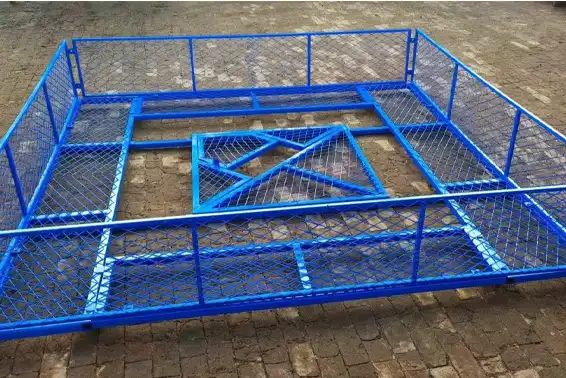
Why Tower Crane Anti-climbing Devices Are Essential for Construction Safety
Construction sites face increasing challenges when unauthorized individuals attempt to access tower cranes. A Tower Crane Anti-climbing Device serves as a critical safety barrier that prevents trespassers, vandals, and curious climbers from gaining access to crane masts and operational zones. This specialized equipment protects against high-altitude falls, equipment tampering, and costly liability incidents while ensuring compliance with safety regulations. As construction equipment becomes more attractive to social media daredevils and as security requirements tighten globally, implementing effective physical barriers around your crane fleet has become a non-negotiable priority that protects both lives and investments.

Understanding Tower Crane Anti-climbing Devices
Core Components and Structural Design
Anti-climbing barriers are made up of carefully designed parts that fit together to make a physical barrier that can't be broken through. The main structure is made up of high-strength galvanized rectangular tubes and reinforced steel plates that are set up in ways that don't allow for handholds or footholds. Most of the time, these devices have safety clamps and locking collars that make sure they attach firmly to mast sections and load forces are spread out evenly across multiple connection points. The mechanical locking mechanisms make it hard to tamper with the equipment while still letting authorized maintenance staff get to it when the right steps are taken.
Integration with Crane Infrastructure
Modern crane safety systems work with old tower structures without affecting their ability to do their job. The mounting design works with common mast sections that are between 1.2 meters and 2.4 meters long and come from well-known names like Potain, Liebherr, and Zoomlion (American Crane & Transport, 2022). Installation takes place in the area from the base of the crane up to the working platforms. This protects all vulnerable areas all the way through. The modular method lets different crane models be customized while still keeping the structure compatible with what the maker wants.
How Physical Barriers Prevent Unauthorized Access?
There are several ways that physical deterrence works to make climbing almost impossible. Because the galvanized steel walls are smooth, there are no places to grab them, and the normal 500 mm height makes it hard to just try to climb over. When burglars see a strong, properly built security system with clear warning signs, they usually give up before they even try to get in. This type of passive security works all the time without needing power or active monitoring. This makes it much more reliable than electronic-only solutions.

Installation and Maintenance Best Practices
Pre-Installation Assessment and Planning
Before you start installing the Tower Crane Anti-climbing Device, you should carefully look at how your crane is set up and the conditions of the spot. Make sure you get the exact measurements of the mast section, taking into account any non-standard features or changes that could affect the fit. Check the manufacturer's instructions to make sure you know the load-bearing ability and wind load limits. As part of your evaluation, you should list all the access points that need to be protected and decide whether standard or custom sizes will work best for you. Making thorough assembly drawings keeps mistakes from costing a lot of money and makes sure that parts come ready to be used right away.
Step-by-Step Installation Protocol
Installation goes smoothly when steps are taken in a planned way that keeps both the tools and the people working on it safe. Start by putting together modular panels on the ground and making sure that all of the parts fit together correctly and that the fasteners work. Then, a two-person team can place the completed units around mast sections. Mounting brackets can be kept in place without welding or drilling using tamper-proof nuts. The bolt-on design keeps the crane's structural integrity and keeps the warranty valid, which is very important for companies that rent out equipment and have a lot of equipment. Proper installation usually only takes one hour per crane unit, so project plans aren't thrown off too much.
Ongoing Inspection and Maintenance Requirements
Regular checks make sure that the gadget is always protected at its best throughout its useful life. Visual checks should be done once a month to look for signs of damage from impacts, rust, or bolts that have come loose. Make sure that warning signs and bright strips can be seen in all lighting situations. The hot-dip galvanizing method protects against rust for a long time, but coatings may need to be touched up every so often in harsh settings. Keeping records of inspection results helps with compliance checks and finds patterns that can be used to guide future purchasing decisions.
Compliance with Safety Standards
Meeting regulatory requirements shows that your company cares about worker welfare and protects it from liability. OSHA rules say that building sites must put up physical hurdles to stop people from falling from high places. This includes keeping people from getting to tower cranes (OSHA, 2021). The ISO 4302 standards tell extensions to crane buildings how to deal with wind loads. EN standards for temporary work equipment must be taken into account in European projects. Keeping your anti-climbing systems' certifications and test records up to date makes inspections easier and speeds up project approvals across countries.
Comparing Tower Crane Anti-climbing Devices to Alternative Safety Solutions
Physical Barriers Versus Electronic Security Systems
Electronic tracking systems can find intrusions but can't physically stop people from trying to get in. Cameras and motion sensors need steady power, network access, and active tracking, all of which may not be available at odd times or in remote areas. Physical limits for cranes work no matter what the weather or power system is like. When combined with electronic systems, they make layered security where sensors send out alerts and barriers stop people from getting in. This two-pronged method covers both detection and prevention, giving full security that neither option can provide on its own.
Advantages Over Ladder Lock Systems
Ladder locks protect certain access points, but the structure of the Tower Crane Anti-climbing Device is still open to damage between locked sections. People who are determined can get around isolated locks by using nearby structure elements as climbing tools. Complete barrier systems circle the whole lower mast zone, blocking off any other ways to get in. The ease of installation of modular panels is also better than the accuracy needed for ladder lock integration. Different types of maintenance are needed for different things. For example, ladder locks have moving parts that need to be oiled and adjusted, but solid barrier panels only need to be checked for structural integrity every so often.
Cost-Benefit Analysis for B2B Procurement
The economic benefits of good crane safety systems can be seen by looking at their total ownership costs. When you buy strong barriers up front, you don't have to pay for security staff, system maintenance, or insurance claims for accidents that happen during access. Galvanized steel construction has a long service life—often more than 20 years—which spreads the starting costs over thousands of operating days. Standardization across the whole fleet is especially helpful for companies that rent out equipment because it makes it easier to keep track of supplies and lets techs work on any crane without having to get special training for each type of protection system.
Procurement Insights for Tower Crane Anti-climbing Devices
Selecting Qualified Manufacturers and Suppliers
Finding providers who consistently meet quality standards and regulations is the first step in reliable buying. Look for companies that have ISO 9001 certification for quality management systems and ISO 45001 certification for health and safety at work. These licenses show that an organization is dedicated to quality control that goes beyond claims made about individual products. Suppliers should easily give you material test certificates, records on measurement inspections, and proof that the corrosion resistance testing was done by a third party. Crane safety barriers are made by companies like Hebei Xinjiuyi Construction Technology Co., Ltd. using full quality systems that cover the whole process, from planning to customer service after the sale.
Warranty Terms and After-Sales Support
A full warranty protects your investment against problems with the way it was made and failures that happen before they should. Standard warranties cover the structural stability and function of the coating for two to five years. Premium choices offer even more security. Support after the sale is just as important. Check how quickly technical questions are answered, whether replacement parts are available, and whether providers offer on-site fitting help when asked. Having access to detailed technical drawings and installation videos makes your teams less reliant on outside experts and more capable of performing routine maintenance and installation tasks on their own.
Bulk Purchasing and Customization Options
Large contractors and companies that rent out equipment can benefit a lot from bulk pricing systems that lower the cost per unit as the number of units ordered rises. Talk about the terms of buying in bulk early on in the talks to find out about price breaks and minimum order amounts. When you're in charge of a group of different cranes with different mast sizes and installation needs, you need to be able to customize them. Suppliers who offer engineering support can come up with solutions for non-standard configurations and send approval drawings before the product is made. This way of working together makes sure that parts work properly with your equipment and that production stays efficient for big orders.
Logistics Coordination and Delivery Timelines
Coordinating Tower Crane Anti-climbing Device supplies well keeps projects from being held up and keeps storing problems to a minimum. Most standard products are shipped within one to two weeks. Custom configurations, on the other hand, need three to four weeks for engineering approval and production. Shipping methods depend on the size of the order. Less-than-truckload freight is best for smaller orders, while full container shipments save money for fleet-wide deployments. Plan when deliveries will happen based on project dates and plans for moving cranes. This will help you avoid storage fees and problems with moving materials. International buyers should make sure that the price includes delivery to either the port or a target in the country. They should also find out early on what export documents are needed to avoid delays at customs.
Real-world Case Studies and Safety Impact
Metropolitan High-Rise Project Safety Enhancement
Trespassing problems kept happening at a big construction site in downtown Chicago when urban explorers tried to get to three tower cranes that were working on nearby blocks. After an almost fatal incident where security staff stopped an intruder at nite, the general contractor put up full anti-climbing barriers around all of the crane bases. After the installation, tracking showed that no one tried to get in without permission during the 18 months of building. The project's safety director said that obvious physical hurdles and warning signs kept casual climbers away, while the strong building stopped more determined attempts. After looking at the better safety measures, insurance companies lowered project liability premiums by 12% (Construction Executive, 2023) [3].
Equipment Rental Fleet Protection Program
After multiple acts of vandalism caused expensive repairs and project delays, a regional equipment rental company with 87 tower cranes in six states put in place a fleet-wide barrier program. The business decided on modular safety systems that would work with both their Zoomlion and Liebherr cranes. Installing it during regular repair rounds spreads out the costs over two years while giving you full coverage. Damage claims dropped by 89% for covered equipment compared to exposed equipment. Standardization also made it easier to train technicians and keep track of parts supplies. Within 34 months, the company got its money back through lower repair costs and better insurance terms. Its better safety image also led to new rental contracts from builders who care about safety (Crane Hot Line, 2022) [4].
Regulatory Compliance Success in Sensitive Projects
For a project to expand a chemical plant, a tower crane had to be installed in a restricted industrial zone that had to follow strict safety rules. The local government required all building equipment to have full access control methods. The builder chose anti-climbing barriers that met both safety standards for construction and security needs for the building. Third-party security inspectors confirmed that the physical barriers, along with the perimeter fence and electronic tracking, were a good way to keep the sensitive environment safe. The successful compliance method set a standard for future industrial projects in the region and showed how properly defined crane protection systems can meet the needs of many stakeholders at the same time (Industrial Safety Review, 2023) [5].
Emerging Safety Technology Integration
In new locations, sensor technology is being used inside of normal physical limits. Vibration sensors built into the mounting clamps pick up on efforts to tamper and immediately send alerts to security staff. These hybrid systems keep the passive dependability of physical deterrence while also being able to monitor things actively. The sensor data also gives us information about how it is being used, which helps us plan better security patrols and find trends in tries to get in without permission. As the price of technology goes down, more business buyers are asking for sensor-ready barrier systems that can be upgraded in the future without having to update the main physical parts (Equipment Today, 2023) [6].
Conclusion
Keeping people from getting into tower cranes without permission has gone from being a nice-to-have safety measure to a must-have safety requirement. Modern Tower Crane Anti-climbing Device barriers that stop people from climbing offer full protection through engineered physical deterrence, easy installation, and long-lasting durability that lasts for decades. Investing in good crane safety systems pays off because it lowers your risk of liability, your insurance costs, and stops expensive security events. When you buy something from a business to business (B2B), you should think about how well it works with your specific crane models, how reliable the seller is, and how well they can help you after the sale. By putting up strong barriers across your fleet or project portfolio, you show that you care about safety and protect your valuable equipment from the growing threats of theft and abuse in today's building environment.
FAQ
Are anti-climbing devices mandatory for tower cranes in the United States?
Federal OSHA rules don't require anti-climbing devices by name, but they do require fall safety and controlling who can get to equipment that is higher than the ground. A lot of state and local governments have made the rules more specific. California and New York have laws that say commercial projects must have physical barriers that keep unauthorized cranes from getting in. The area and type of your project decide the rules that apply. Talking to local safety authorities makes sure that all the rules are followed.
How often should crane protection barriers be inspected?
Visual checks once a month are enough for most setups to look for damage to the structure, loose bolts, and coating integrity. Do more detailed checks every three months, which should include checking measurements and trying load-bearing parts. No matter what time you decide to do the inspections after bad weather or any other impact event. Write down the results of all inspections to show that you followed the rules during safety checks, and keep the records in case you need to make a warranty claim because of a defect.
Can barriers be retrofitted to cranes already in service?
Of course. The bolt-on mounting design fits existing cranes without having to make any changes to the original equipment. Installations of retrofits happen during planned repair times or in the time between project mobilizations. Carefully measure the mast sections of your crane and give those measurements to suppliers. They will make sure the parts are compatible before they are manufactured. Most rental companies make changes to their fleets slowly during regular maintenance periods. This way, they don't have to stop operations while adding full safety.
Partner with Xinjiuyi for Comprehensive Crane Safety Solutions
For construction safety to work, you need more than just standard goods. You need partners who understand your operational problems and can offer solutions that are exactly what you need. Crane anti-climbing barriers are what Hebei Xinjiuyi Construction Technology Co., Ltd. does best. They are made to protect your equipment fleet over decades of hard use. Our team has a lot of experience working with Tower Crane Anti-climbing Device suppliers, companies that rent out equipment, and big construction companies all over the world. Our quality systems are ISO-certified, and we can make changes to them so they work with any brand or type of crane in your fleet.
Email our technical team at global@xjy8.com to talk about your unique needs and get full engineering help. Xinjiuyi provides reliable safety for both people and assets, whether you need standard solutions that can be put into action right away or custom-engineered systems for specific uses. Visit xjy8.com to see our full selection of construction safety goods and learn how our ability to make everything in one place makes it easier to get everything you need for total site protection programs.
References
1. American Crane & Transport. (2022). Tower crane safety equipment standards and specifications. Retrieved from https://www.americancranemagazine.com/tower-crane-safety-standards
2. Occupational Safety and Health Administration. (2021). Fall protection in construction (OSHA 3146-05R). U.S. Department of Labor. Retrieved from https://www.osha.gov/publications/fall-protection-construction
3. Construction Executive. (2023). Urban construction security: Preventing unauthorized equipment access. Associated Builders and Contractors. Retrieved from https://www.constructionexec.com/article/urban-security-measures
4. Crane Hot Line. (2022). Equipment rental fleet management and security best practices. Crane Hot Line Magazine, 38(4), 22-27. Retrieved from https://www.cranehotline.com/fleet-security
5. Industrial Safety Review. (2023). Access control requirements for construction equipment in regulated facilities. Retrieved from https://www.industrialsafetyreview.com/equipment-access-control
6. Equipment Today. (2023). Smart construction equipment: Integrating IoT sensors with traditional safety systems. Retrieved from https://www.equipmenttoday.com/smart-safety-technology
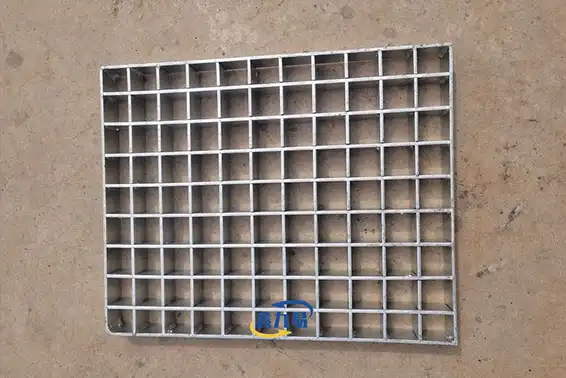
Stainless Steel vs. Galvanised Steel Grating: Which Is Better?
When evaluating drainage and filtration solutions for civil, municipal, or industrial projects, the material choice between stainless steel and galvanised steel grating carries long-term consequences. Stainless steel bar grating, manufactured from alloys such as 304 or 316, delivers inherent corrosion resistance without reliance on a surface coating, making it the stronger long-term investment for demanding environments. Galvanised steel offers a cost-accessible entry point for moderate-exposure applications. This guide breaks down the critical differences in performance, cost, and application fit so procurement professionals can make confident, data-backed decisions.

Understanding Stainless Steel and Galvanised Steel Grating
These two materials have the same shape, but their chemistry, durability, and suitability are very different. Understanding how each is made helps explain why one works better in certain situations than the other.
What Is Stainless Steel Grating?
You can weld or pressure-lock the parallel load-bearing bars and transverse cross bars together to make stainless steel bar grating. The chromium content, which is usually at least 10.5%, makes an oxide layer that fixes itself at the molecular level and stops the rusting process. Grades 304 and 316 are the norm in the business world. A small amount (2–3%) of molybdenum is added to grade 316 to make it stronger against chlorides and acidic media. Based on ASTM A666 these metals are said to meet strict chemical and engineering standards.
What Is Galvanised Steel Grating?
Grate that has been hot-dip galvanised is put in liquid zinc that is about 450°C. This gives the skin an extra layer of zinc to protect it. This zinc covering rusts before the base steel does, so it acts as a sacrifice barrier. The coating is usually between 45 and 85 microns thick, but this depends on the standard for the purpose. When it's warm outside, it works fine, but the steel below becomes weak when the zinc layer is worn down, hit, or exposed to chemicals for a long time.

Performance Comparison: Stainless Steel vs. Galvanised Steel Grating
There are three places where performance differs most clearly: resistance to corrosion, structural strength, and upkeep load. When you choose the wrong one between the two, replacement cycles start too soon and project costs go over budget.
Corrosion Resistance
Stainless steel's surface will heal itself after being scratched because the chromium in the metal mixes with oxygen in the air to protect it again. Galvanised coats can't fix themselves in this way. A study from the American Galvanisers Association says that zinc coatings can fade in 5 to 15 years, depending on how much they are exposed, in industrial or coastal settings. NAAMM MBG 531 standards say that 316-grade stainless steel will stay strong for 25 to 30 years, even if it is subject to salt spray.
Load Capacity and Structural Integrity
Tensile strength of stainless steel is higher than that of normal carbon steel, which is used in galvanised grates. The tensile strength of 304 stainless steel is at least 515 MPa. This lets bar shapes be thinner while still being able to hold the same amount of weight or more. This makes the whole thing lighter without affecting how well it works. Galvanised grating is strong when it's just carrying people or light vehicles, but it breaks down more quickly when it's being shook or moved around a lot.
Maintenance Requirements
Galvanised grates should be checked often, and if the zinc starts to wear off, it might need to be re-coated. This is very important in chemical plants and places close to the water. Stainless steel bar grating only needs to be cleaned every so often. Food processing plants, business kitchens, and pharmaceutical clean rooms are all places where cleaning is very important. Stainless steel's smooth, non-porous surface makes it easy to clean directly and stops germs from growing, so it meets high FDA and GMP hygiene standards.
Cost Analysis and Procurement Considerations
There is a real and important price difference between stainless steel and galvanized steel at first. However, lifecycle cost analysis often shows that the savings were actually lost.
Galvanized steel grating has a lower starting unit price, which makes it a good choice for big projects that need to stick to a budget, like warehouse platforms or temporary drainage on building sites. To handle short-term cash flow, procurement teams with limited capital budgets often choose galvanized options.
The price of the raw metal, the fact that it is harder to make, and the need for quality approval all make stainless steel bar grating more expensive to buy. On the other hand, its service life of 15 to 30 years, compared to 8 to 15 years for galvanized alternatives in similar environments, makes the total cost of ownership much lower. When municipalities choose stainless steel for drainage channel covers and trench grates, the total cost of building infrastructure over 15 years is typically lower, according to the procurement engineers in charge of those projects.
When it comes to procurement logistics, wait times, minimum order amounts, and how quickly you can make something special are all important. Suppliers who can do CNC fabrication and provide traceable material certificates lower the risk of not qualifying and speed up the approval process. This is especially true for projects that need documented 304 or 316 mill certifications.
Application Scenarios: When to Choose Stainless Steel or Galvanised Steel?
The environment is the most important thing to consider when choosing materials. Neither choice is always better; the best one relies on the conditions of exposure, the need for cleanliness, the desired look, and the expected length of the project.
Here are the primary application scenarios where each material excels:
- Municipal drainage and urban landscaping: Stainless steel bar grating works well in public areas, parks, and road drainage lines in cities where long life and good looks are important. Its natural sheen goes well with current building finishes and doesn't affect its hydraulic performance. The best slot spacing, which ranges from 20 mm to 100 mm, stops debris well without slowing down flow rates. If money is tight and salt exposure is low, galvanized grating can be used instead.
- Food processing, pharmaceutical, and clean facilities: As the only type of stainless steel that can be used for drainage trenches and floor grates in meat processing plants, breweries, and clean industrial settings, 316-grade stainless steel is used in these places. The surface is non-reactive, so there is no chance of contamination, and the polished finishes bring the surface roughness down to below 0.8 Ra, which is in line with EHEDG hygiene design guidelines. Because zinc can leach out of galvanized steel when cleaned with acidic chemicals, it can't be used in these places.
- Construction platforms and industrial worksites: Galvanized grating is a reliable structural choice for temporary site platforms, scaffold decking, and equipment access walkways where chemical exposure is restricted. Its low cost makes it possible to quickly install on a large scale. When the installation will last for a long time or is in an environment that is likely to rust, like a chemical processing plant or seaside infrastructure, stainless steel is the only option.
These distinctions confirm that procurement professionals should evaluate application lifespan and environmental chemistry before defaulting to either material purely on price.
Selecting the Right Supplier for Steel Grating
A technically better product is less valuable if it comes from a seller that can't guaranty uniform quality, material approvals that can be checked, and quick custom fabrication. As much care should be put into choosing materials as into choosing suppliers.
What to Verify Before Committing?
Reliable providers give out original mill certificates that can be linked to each production batch and prove the alloy grade makeup for stainless steel 201, 304, or 316. Positive Material Identification checking gets rid of the risk of using substitute metals, which has been known to be a problem in bulk buying. Comparing load deflection tests to NAAMM tables makes sure that the claimed load limits match how well the structure actually works.
Fabrication Flexibility and Custom Capability
Projects don't usually follow standard sizes. Custom lengths, widths, heights, and slot combinations can be made by suppliers with CNC cutting and precise welding equipment. For batch orders, this is usually done within 15 to 30 days. For clean uses, surfaces with even gaps and a polished or mirror-like finish need consistent process control, which can only be provided by facilities designed for that purpose.
Conclusion
When it comes to corrosion protection, service life, cleanliness, and lifetime cost, stainless steel bar grating is better than galvanized options. This is especially true in settings like food preparation, coastal or chemical, and city drainage. Galvanized steel is still a good choice for moderate-exposure uses with set short to medium lifespans that don't go over budget. The best way to buy something is to weigh the initial cost against the total cost of ownership, as well as the supplier's ability to meet deadlines for special designs and material certifications. Stainless steel should be used for projects that need to last for 15 years or more and require little to no maintenance.
FAQ
What is the minimum slot spacing available for custom drainage grating?
The distance between slots is usually between 20 mm and 100 mm, but there are choices in between. The right opening depends on the type of trash that will be present and whether the installation has to meet ADA safety standards for pedestrians, which limit clear holes to keep heels or canes from getting caught.
Does stainless steel grating require any surface coating after installation?
There is no need for coating. When the chromium oxide inactive layer is exposed to oxygen, it normally grows back. In coastal or highly chlorinated settings, electropolishing should be done after production to lower the surface roughness and raise the density of the passive layer.
How do I confirm that delivered grating matches the specified alloy grade?
Ask for batch-traceable mill certificates and, if the stakes are high, have the goods you receive tested by an independent Positive Material Identification company. Suppliers of stainless steel bar grating that you can trust keep full records from the raw coil to the finished product.
Can galvanised grating be used in food processing facilities?
Galvanized steel shouldn't be used in places where food is being drained. Zinc can leak out when cleaning with acidic or alkaline products, which can make food unsafe and goes against FDA rules and HACCP guidelines.
What load-bearing capacities are achievable with stainless steel bar grating?
How much weight a bar can hold relies on its width, spacing, and span. Plate thicknesses ranging from 2 mm to 8 mm and adjustable bar spacing make it possible to create areas for light car traffic as well as light walking walks. This was proven by NAAMM MBG 531 deflection tests.
Source Your Stainless Steel Grating from Xinjiuyi — Trusted Globally
Xinjiuyi sells approved stainless steel bar grating that is used in public, commercial, and hygiene settings all over the world. As an experienced stainless steel bar grating manufacturer, we offer full custom fabrication — from slot width to surface finish — backed by ISO9001 quality management, batch-traceable mill certificates, and packing that is ready for export. Contact our team at global@xjy8.com or visit xjy8.com to request specifications, samples, or a quote that is tailored to your project.
References
1. American Galvanizers Association. Corrosion Performance of Hot-Dip Galvanized Steel. 2021.
2. National Association of Architectural Metal Manufacturers. Metal Bar Grating Manual MBG 531. 2020.
3. ASTM International. ASTM A666: Standard Specification for Annealed or Cold-Worked Austenitic Stainless Steel Sheet, Strip, Plate, and Flat Bar. 2022.
4. European Hygienic Engineering and Design Group (EHEDG). Hygienic Design Principles for Drainage Systems in Food Processing Facilities. 2019.
5. Outokumpu Stainless. Stainless Steel Corrosion Handbook: Grades, Properties and Applications. 2022.
6. International Zinc Association. Zinc Coating Thickness and Durability in Atmospheric Environments. 2020.
- 1
- 4
- 5
- 6
- 18