How Does a Stainless Steel Slot Drain Cover Improve Drainage Performance?
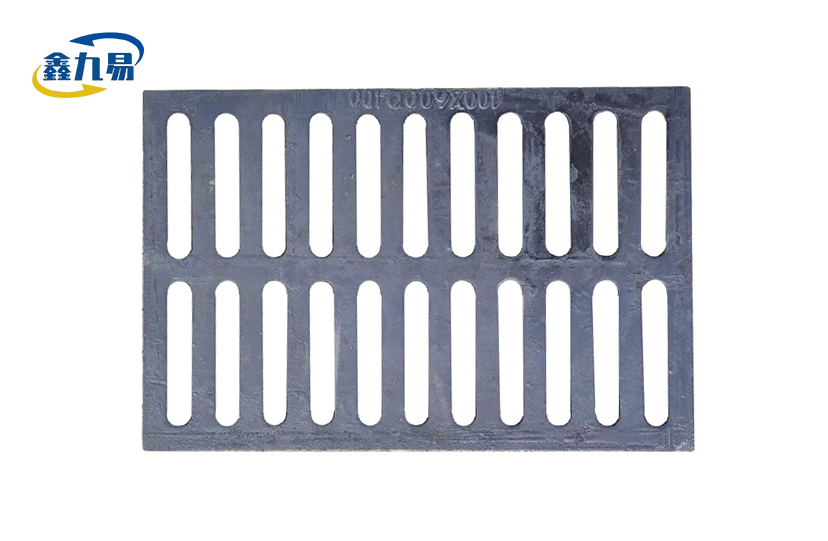
A stainless steel slot drain cover improves drainage performance by giving surface water a continuous, narrow inlet along the whole channel. Water reaches the drain wherever it falls instead of traveling to a single point, so ponding drops and runoff clears faster. The slot also keeps large debris on the surface, which protects the channel below. The smooth steel resists corrosion, so the opening stays clean and stable for years. The cover works with the channel, outlet, and floor slope as one system, so correct sizing and installation decide the final result.
This guide is for distributors, engineers, contractors, and project buyers who must choose a slot drain with confidence. I cover how the design moves water, which sizes and load classes fit which sites, how steel grades differ, and what to check before you order.


How Slot Drain Covers Move Water Off the Surface
A Continuous Inlet Along the Drainage Path
If you have a stainless steel slot drain cover, water can flow all the way through. You don't have to go on the ground to get water from a plaza, driveway, or sidewalk catch bowl. This narrows the direction of the flow and lowers the amount of water that stays in low spots. The Federal Highway Administration claims that slotted inlets can be used to gather water from the road surface in its HEC-22 guide for urban drainage. The slots in our stainless steel slot drain covers are 10 mm to 15 mm wide. This keeps the opening small and means that water stays in the run the whole way. For this style to work best, it needs to be used on large, flat, paved areas.
Why the Whole Hydraulic System Matters?
If the text inside is bad, it doesn't matter how nice the stainless steel slot drain cover is. How much flow there is depends on how big the exit is, how steep the floor is, and what pipe comes after it. I always check the outlet and channel to see how much rain or wash water I can expect. There is less space between slots that are close together than between slots that are spread out. It doesn't matter how well the cover is made if one of the links is too small. There will be extra water. To agree on a plan, we need to see floor plans, know how steep it is, and know where the outlets are. It saves time to make changes later when this information is shared early on.
Debris Control and Self-Cleaning Flow
The small hole sorts things out. The trash, gravel, and leaves don't go down into the channel; they stay on top, where they're easy to sweep away. When it rains, a steady flow of water moves fine silt toward the outlet. The inside is made of smooth stainless steel. This means you don't have to clean the channel by hand as often. So that we don't have to lift the whole run every time we want to clean or check on something, we put in entry points every so often. We won't have to lift the whole run every time. Don't put big things in the river because that blocks the exit and lines further downstream.
Dimensions, Load Ratings, and Structural Strength
Slot Width, Length, and Plate Thickness
If you'd like, you can ask us to make a stainless steel slot drain cover that isn't 1000 mm long. Plates that are 150, 200, and 250 mm wide are 30 mm, 50 mm, and 60 mm tall. Also, they range in thickness from 2 mm to 8 mm. You can fine-tune the 10–15 mm slot width. It's better to have a narrow slot that keeps heels and cane tips safe than a large gap that lets more water in. The 2010 ADA Standards say that holes in ADA-controlled walking paths should be no bigger than a 13-mm (half-inch) sphere, and long holes should be placed so that they don't face the way people are walking. Yes, I believe you should write down the slot width right away.
Matching the EN 1433 Load Class to Real Traffic
EN 1433 provides for numerous types of drainage ditches, from type A15 to type F900. “The number tells you how strong the test was. A15 is suitable for walkers, bikers. B125 is suitable for roadways and parking lots. The C250 is suitable for road margins and gutters. The D400 is good for lanes. If you mail things in the incorrect class they might be sent back. So I encourage purchasers to make a note of the class they want to look at. Many U.S. projects follow DOT or AASHTO wheel-load requirements. See what standard your specification is based on. Depending on the load class that you provide us, we are able to tell you how thick the plates and the support frame should be. It might be anything from little autos to individuals wandering about.
Frame, Bedding, and Anti-Slip Surface
A thick plate does not bear the load itself. The frame, the concrete bed, the pegs, the direction, deep holes in the earth. Even a large plate might tip over or fall if its edge is cracked or not level. Where water is plentiful, a smooth, non-glare surface is preferred. You may alter the surface roughness to make it less slippery. Test out the finest appearance while the surface is still wet. Shoes, wheels and cleaning supplies may all alter its appearance. No matter how robust the frame, the slot depth remains unchanged. A stable hole may also allow water to pass through it.

Stainless Steel Grades, Corrosion Resistance, and Finish
Choosing Between 304 and 316 Stainless Steel
304 grade may be utilized for most of the interior and outdoor objects such as roadways, plazas and parking lots. Grade 316 has a little of molybdenum (2 – 3%) added to reduce the chance of getting chloride pits. If you are near the ocean, on pool decks or other places where the winter road salt might seep into the drains, 316 is a fantastic alternative. We also offer 201, 430, and treated steel. I would not use 201 in areas that are usually moist or salty, since it is not as good at fighting rust as 304. How do you learn about the grade? Ask the merchant to prove it fulfills some standard like ASTM A240.
The Passive Layer and Hygiene
Stainless steel contains at least 10.5% chromium, which is coated with a thin passive oxide coating on the surface. Air reform the film, whenever a scratch exposes fresh metal. Steel doesn't need any additional layers to be safe this way. However, welds and cut edges should be cleaned and passivated using the proper method. Common methods of chemical passivation are covered in ASTM A967. In food plants and commercial kitchens the surface must be smooth and nonporous so that germs can't grow on it. These pieces hold the stainless steel slot drain cover in place and keep the slot clean even when it is constantly moist.
Brushed and Electropolished Finishes
There are two ways to finish things: electropolished or brushed. Since brushed steel is smooth, it's good for public walkways and plazas where people walk. It also keeps the area from getting too bright. After being electropolished, steel is smoother and safer to clean. This makes it a good choice for places that want to look clean and up-to-date. With either finish, you can see the thin line of the stainless steel slot drain cover through the stone or tiles. It doesn't change how it looks. If you tell us what you want the design to do, we'll help you find a finish that works for the site.
Where Slot Drain Covers Perform Best
Municipal Roads, Sidewalks, and Plazas
Wide grates are a pain on sidewalks, crossings, and public squares. The thin line matches the road and makes the area look better. People on foot are less likely to get stuck in a heel-trap because all the slots are the same size. Light car zones are handled by plates that are thicker and have stronger frames. When cities and towns buy in bulk, they often need pieces that match. That's why we cut the stainless steel slot drain covers to your exact measurements and watch the hole width as they're being made. When the gaps between pieces are the same, trimming on the job site goes faster. If you tell us your schedule, we'll make sure the parts fit it.
Residential, Garden, and Special Environments
It's safe to walk on around building doors, roads, patios, and pools when it rains because a stainless steel slot drain cover keeps the lines clean. Stainless steel doesn't need to be painted over, and its finish looks great with both natural stone and new pavers. A lot of people and hotel courtyards can get rid of water quickly without having to deal with a lot of drains. Since the surface is smooth, harsh cleaners can be used on it, which helps food plants keep things clean. Places that work with chemicals need things that can handle soda and acid. Grade 316 is also needed in places that are close to the coast and get salt spray.
Slot Covers Compared with Trench Grates
Each type of drain has its place, so here's how I compare them:
• Stainless steel slot drain cover: One thin, continuous line that blends in with the ground is made. This makes heel-traps less likely. Make sure that the size of the route and the number of people who can exit are the same. Much more water can get in through a small grate. On long runs, fine grit needs to be shot through entry points every so often.
• Trench grate: A trench grate has bigger holes, so it can hold more water per meter and make it easy to move heavy trash. Because it stands out more, the bigger design might not look good with high-end paving. Lots of people walk through places that need to check heel and wheel safety even more when there are big gaps.
• Linear shower drain: This kind of drain works well for small loads and bathroom flow. It won't work in car lanes, on the ground outside, or in places that need to be cleaned if the load class, material grade, or cleanliness needs are higher than what a bathroom product can handle.
The site should tell you what the product is, not just how it looks, because of these differences.
Installation, Maintenance, and Choosing a Supplier
Installation Planning for Proper Flow
For drains to work well, the first thing that needs to be done is the plan. When you place your order, make sure you know about the floor levels, cleanouts, exits, falls, and drainage. Place the frame and channel on a solid piece of concrete so that they are level with the topped surface. Also, check to see if the joints are straight. There are rough edges and low spots that make it easy to slip and fall. There is no need for any special tools because our modular stainless steel slot drain covers fit perfectly into holes that have already been made. Check the cover for water and make sure it is stable. Also, make sure the slots and joints are lined up correctly before giving it to someone else.
Cleaning and Maintenance Routine
It's still simple to do what needs to be done. Get rid of any loose dirt on the ground with a broom. After that, clean it with water, mild soap, and a soft tool. If you clean stainless steel with salty products, like bleach, it can develop pits. A few times a year and after big storms, check the slots, welds, fasteners, frame movement, and slow drainage. These holes let you send high-pressure water down the shaft below. Broken or bent plates or frames need to be changed with new ones of the same size and load class. Light surface wear can be fixed with a clean.
Choosing a Manufacturer and Preparing Your Inquiry
Hebei Xinjiuyi Construction Technology Co., Ltd. is a company in Cangzhou, Hebei, that makes products. It's certified by ISO 9001, ISO 45001, and ISO 14001, among others. We let you make any changes you want, offer technical support before the sale, and show designs in 3D. You need a clear question to get an expert idea faster. Send your plans, the number of items you want sent, the type of use, the load class, the steel grade, the slot width, the length, the plate thickness, the finish, the number, and the address where you want the goods sent. Not just the item itself, but also how it's packed and how well the company treats you. Ask each supplier to send you test reports and other information about the materials that meet your needs.
Conclusion
If you want to drain better, get a stainless steel slot drain cover. These have a continuous, narrow hole that lets water in. There is also steady flow when the channel, exit, and floor slope all match the predicted volume. Big things stay out of the channel. The take-in, safety, and strength are all based on the hole depth and plate thickness. The real flow has to be the same as the load class in EN 1433. For everyday use, grade 316 salt is better than grade 304 salt. How the metal looks and how easy it is to clean are different depending on whether it is brushed or electropolished. You can use it on the street, in a plaza, near food plants, or on the water. A trench vent lets more air through, but a stainless steel slot drain cover looks better. As long as everything is put together right and is checked often, it will work. The results aren't just based on the cover.
FAQ
Should I choose 304 or 316 stainless steel?
Grade 304 can be used inside or outside. Plus, 316 is better for places where salt can get in, like the coast, pools, or drains. This is because it has more molybdenum.
Can the slot width meet ADA limits?
Yes. A sphere that's bigger than 13 mm (1/2 inch) can't have ADA holes in it. If you ask, we can change our 10–15 mm slot to 13 mm or less.
How do I clean a slot drain?
Spray water and mild soap on the spot, then let it dry. Next, use a high-pressure washer to clean the channel through the doors.
Does a narrow slot clog easily?
Toss the small trash down the smooth path and out the side. The big trash stays on top. Still, grit grows over time, so check in often.
Request a Stainless Steel Slot Drain Cover Recommendation from Xinjiuyi
Want to find a company that can make a stainless steel slot drain cover that matches the plans you give them? Its main office is in Cangzhou, Hebei, and it has ISO 9001, ISO 45001, and ISO 14001 certifications. In 304 or 316 stainless steel, we can make it to your exact length, slot width, plate thickness, and finish. Email global@xjy8.com about your project or go to the site to learn more. When we get back to you, our team will give you a clear expert idea.
References
1. EN 1433: Drainage Channels for Vehicular and Pedestrian Areas, European Committee for Standardization, 2002
2. 2010 ADA Standards for Accessible Design, U.S. Department of Justice, 2010
3. Urban Drainage Design Manual, Hydraulic Engineering Circular No. 22 (HEC-22), Federal Highway Administration, 2009
4. ASTM A240/A240M: Standard Specification for Chromium and Chromium-Nickel Stainless Steel Plate, Sheet, and Strip, ASTM International, 2020
5. ASTM A967/A967M: Standard Specification for Chemical Passivation Treatments for Stainless Steel Parts, ASTM International, 2017
6. ASM Handbook, Volume 13B: Corrosion: Materials, ASM International, 2005