Heavy-Duty Stainless Sump Pit Cover for Commercial Use
The best heavy-duty stainless sump pit cover for commercial use carries your real traffic load, drains water quickly, and opens safely for service. A well-built stainless steel sump pit cover pairs a corrosion-resistant plate, a reinforced frame, and a grille or access panel sized to the pit. In underground garages, that means zero-gap fall protection, anti-slip surfaces, and no rattling under tires. At Xinjiuyi, we manufacture these covers in Cangzhou, Hebei, and customize them to your opening. This guide explains how to specify, install, and buy one with fewer surprises on site.
What Is a Stainless Steel Sump Pit Cover?
Definition and Core Components
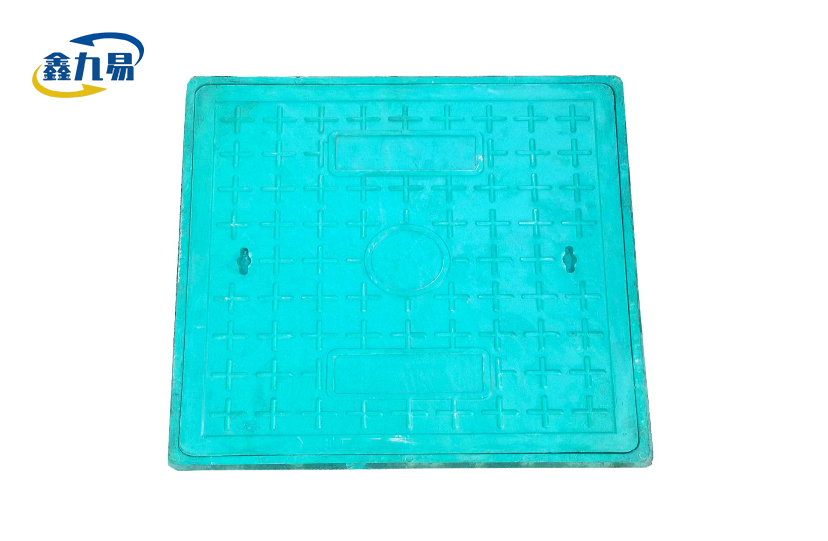
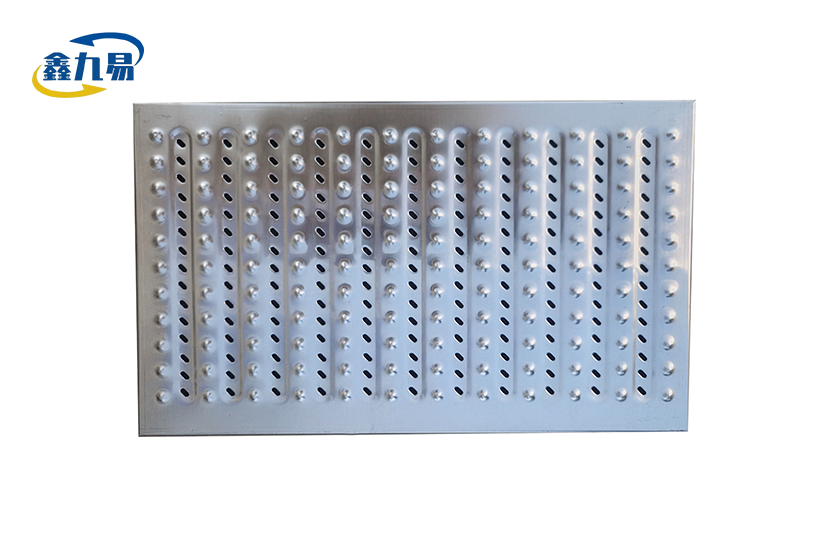
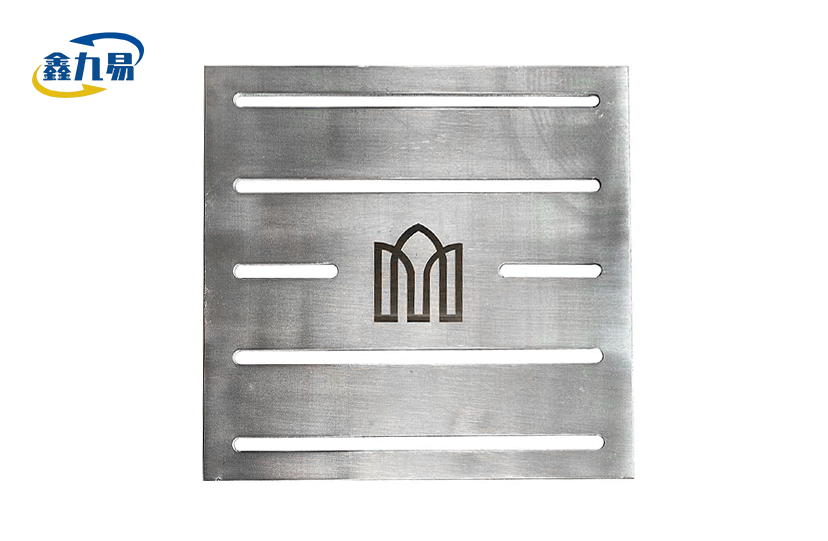
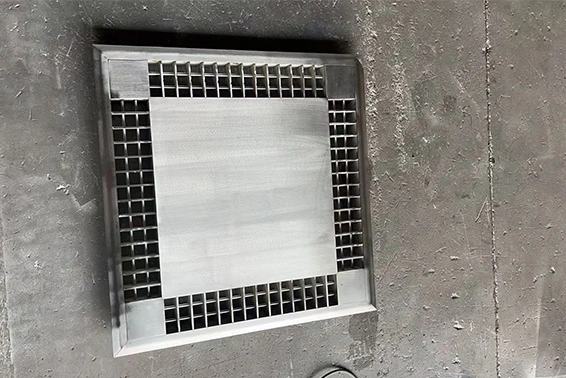
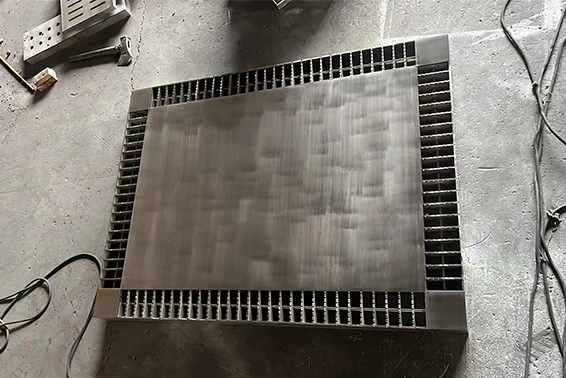
A stainless steel sump pit cover is a big, heavy piece that goes over a tank, drain well, pump chamber, or service hole. So, people and cars can't get into the pit. The ground is now clear and safe to walk or drive on. Most commercial units have a grille or panel made of stainless steel, a frame to hold it up, reinforcements under the plate, and hardware to lift it. There's no need for locks and seals. It's made of stainless steel and galvanized steel that are joined together to make one piece. This makes them strong and stable. A screen around the outside lets rain that falls on the ground go right into the pit. In this way, the parking lot stays dry.
How It Differs from Trench, Drain, and Access Covers
People often mix up these four things. A trench cover sits on ledges on both sides of a long, narrow channel. Like a floor drain grate, a drain cover lets some water out but mostly keeps things out. A general access panel blocks a service hole, so it may never be used. A stainless steel sump pit cover goes over a bigger hole that holds water or a pump. It has to be able to hold weight and let water in. You can lift it out to check it. These things are more important for this grate than for a simple sink grate because it has to do all three jobs.
Key Benefits of a Heavy-Duty Stainless Steel Sump Pit Cover
Because it doesn't rust and doesn't need to be painted, stainless steel is preferable to white cast iron in a basement. Salt, water, and solvents can all be used on it. A thin film of chromium covers the metal's surface. Then, a heavy-duty cover lets water drain quickly, keeps people from falling, makes the surface non-slip, can hold the weight of a car, and makes maintenance easy. You can load more than just how big the plate is. How strong the frame is, how long it is, how well it was put together, and how heavy the wheels are all play a role. A pressure washer can clean something that is smooth and doesn't have pores. You can add a name or embossing to the cover to make it look like the rest of your project.
Stainless Steel Sump Pit Cover Specifications Buyers Should Review
Material Grade, Thickness, and Finish
Our stainless steel sump pit covers are made of 201, 304, 316, 430, and stainless steel, and their plate thickness is between 2 mm and 8 mm, or 0.08 in. up to 0.31 in. ASTM A240 spells out the chemical and mechanical needs for 304 and 316 plate. At least 18% chromium and 8% nickel are in grade 304. Molybdenum is added to Grade 316, which makes it less likely to get salt pits. Grade 201 doesn't have as much nickel, so it should only be used for small jobs. You may choose a mill finish, a brushed smooth finish, or a checkerboard non-slip finish. Checkers on the tires make them less slippery when water drips on them. It looks like grades 304 and 316 are the same, but this will help you tell them apart.
Load Ratings and Test Documentation
To start with load rates, look at the traffic. A lot of buyers don't know what load rates mean. Class A15 covers areas for walking, Class B125 covers parking lots and light vehicles, Class C250 covers other areas, and Class D400 covers the main area. These are the terms used by the European standard EN 124-1. In the name of each class, it says how many kilonewtons of test load it can handle. AASHTO design truck is something that a lot of experts in the US talk about. Its wheels can carry up to 16,000 pounds. Find out what kind of load is being shown and what test method is being used (point load, wheel load, or uniform load). Stainless steel sump pit covers from us work well in places where a lot of cars pass by. We can make them fit the job. Send us the longest span that can't be held and the wheel load that is the biggest. Then, our engineers will say that the plates should be made thicker and stronger.
Dimensions, Frame Fit, and Site Tolerances
Steel type isn't as much of a problem in the field as match in size. First, make sure you know how big the clear tube is. Then, look at the full installed footprint and compare it to the inside and outside frame sizes. The widths and lengths range from 23.6 in. to 1200 mm. The widths run from 40 mm to 70 mm and the heights from 40 mm to 47.2 in. It's better to measure each hole in the concrete pit by hand than with a model, since the holes don't always line up straight. If there is a pipe or wire going through the hole, write down its length, width, and depth. Take a picture of the hole. They help us build a box with equal space for everyone. You can also put tile or stone in frames that are set back if the floor finish needs to match.
Choosing the Best Stainless Steel Sump Pit Cover for Commercial Use
Grade 304, 316, or 201: Matching Steel to Environment
Start with the front of the cover. Most underground garages use 304 because it doesn't rust in damp air or when it's cleaned often. If you live near the coast or in an area where salt is used to melt snow by cars, 316 will last longer and not get chloride pits. It costs less than Grade 201, but because it has less nickel, it rusts faster. It's only used when the weather isn't too bad. Stainless steel is the best option when you want something to last a long time and not require a lot of upkeep. The cost over the product's whole life is more important than just the price it costs to buy. This includes things like painting and changing out covers that are rusty. You need to grade each picture and buy order. It's not good to get different grades for the same job.
Access Design: Single-Person Opening and Lifting
Not having a cover means you can't lift it, and not having a cover on a pit means it's risky. It has to do with weight. A 304 plate that is 800 mm long, 800 mm wide, and 8 mm thick weighs about 40 kg without the frame. One person can't move this. For the same amount of weight, the plate can hold the same amount of weight because the ribs are stronger. The holes in the grille also take weight away. The lifting parts make it easier to do regular upkeep, and the fact that it's two-in-one makes it easy to take apart for cleaning and checking. Locks that can be chosen keep people who aren't supposed to be there out, but emergency doors stay open. We will look at the plan to see if your project needs fixed or split panels. How big is the hole? How often will the workers be going there?
Where These Covers Work Best
We are mostly used in parking garages that are below ground. This area needs a stainless steel sump pit cover to keep water from getting in and letting it drain quickly. This will also keep the area quiet under the tires and keep damp air out. When people walk by, cast iron lids that are too loose tend to shake. On the other hand, our stronger frame can handle steady traffic from cars without breaking or making noise. They are made of stainless steel, which doesn't rust and is clean. They are used in food processing companies, hospitals, shops, loading docks, and pump rooms. People who work in wet places like hospitals, loading areas, and pump rooms need good drainage and grip. An easy-to-clean hospital is also important. Part 302.3 of the ADA Standards says that there can't be more than ½ inch of space between stepping areas. Make sure that the holes in the walking track grilles meet these requirements.
Installation, Maintenance, and Replacement
Installation Steps for Stable Seating
A well-made stainless steel sump pit cover won't work on a seat that isn't strong or even. Make sure there is enough space around pumps, cables, and lines before you start working. Look at the approved plans to make sure. You should make sure that the frame is level with the floor and that it is held up all the way around. People don't like the noise their furniture makes when it rocks because there are spaces under the frame. As soon as you find any weak concrete, fix the one that's already there. We can put things exactly where they need to go and keep everyone safe because of the way our frame is made. Everyday tools are used by teams to put it together. Trucks and cars shouldn't drive on the ground until the concrete and bedding are strong enough. Then check to see if it lifts, flushes, drains, locks, or slips and that the direction doesn't change.
Cleaning and Routine Inspection
Follow these simple steps every day to take care of your stainless steel. Check for broken anti-slip areas, old gear, cracked welds, and grille holes that can't be accessed. To clean it, use water and a mild cleaner that won't scratch. Wipe along the grain to get a smooth look. Things that leave iron bits on the surface, like trash bags, steel wool, and carbon steel brushes, can rust it. The ASTM A967 standard talks about passivation processes that keep the protected film in place. Garages that don't have any water or chemicals should check the grille less often than garages that do. Get rid of anything that is blocking the drain so that water can flow again.
When to Repair and When to Replace
Fix the harm you see. For small hardware wear, like a lock that doesn't work right or a handle that is loose, you need to fix it or get a new part. The old cover isn't built right, so we need a new one. If the unit has cracked welds, lost its shape, has a lot of rust, or shows any other sign that its load capacity has gone down, you should get a new one. If the cover is bent, it can move around in its frame. To put it another way, it's no longer holding the weight properly. Before you buy a new one, write down the old one's size, grade, and load need. Please send us our pictures again if you still have them. The cover will be copied so that it is the same size.
Procurement Guide: How to Buy from a Stainless Steel Sump Pit Cover Manufacturer
Build a Complete RFQ
They can help you choose the right stainless steel sump pit cover instead of telling you how much a flat screen costs if you ask for a full rate. It's important to talk about the area that needs to be cleared, the grade, the load and type of traffic, the exposure, the need for non-slip and drainage, the way to get to it, the amount, the delivery location, the plan, and the project standards. There should be a range and limit for pit size when you have to do a lot of units. This is because in many places it is easy to see when sites change. Xinjiuyi gives you technical help and detailed drawings of the plan before the sale so you can look it over before it is built. Even if the data is clear now, changes can't be made once production starts.
Judge Suppliers on Evidence
Compare sources by how well they weld, how much experience they have with custom production, how well they can keep track of materials, how well they package, and how quickly they deliver. You should check the drawings and material reports to make sure they are correct before you start cutting. To find out how much something costs, you should look at a given answer that includes tests, freight, taxes, installation, and maintenance for the long term. A skilled builder can also help match the site to the grade, reinforcing, entry hardware, and sealing. This makes it less likely that changes will need to be made to the installation or that it will need to be replaced early. These are the doors to Xinjiuyi, a business in Cangzhou, Hebei, that makes safety gear for construction sites. They make, sell, and do all of their own research and development. We are certified by ISO 9001, ISO 45001, and ISO 14001 for the way we do things.
Selection Checklist Before You Order
Talk about this list with your team before you place an order. Make sure the measurements are right by checking them. The level of the finishing floor, the grade, the amount of rust that will be shown, the load rating, the wheel loads, the reinforcement, the frame support, the non-slip treatment, the drains, seals, locks, and the pulling aids should all be on this list. In business, you need to confirm the total amount, drawings, warranty terms, delivery date, price, freight, duties, and shipping costs, as well as the packaging and warranty terms. Wholesalers should always have 600 mm and 800 mm sizes on hand. They should have plans for how to pack the containers, clean the surface, and deal with returns. Giving your seller a full list makes sure you don't forget anything and speeds up the process of setting the right price.
Conclusion
Heavy-duty stainless steel sump pit covers should be able to hold people, let water drain, and be safe for a service person to open. This number isn't just based on how thick the plates are; it's also affected by the span, the reinforcement, the frame support, and the wheel load. The grade you choose is based on the setting. When it comes to basements that get wet, iron 304 is good, iron 316 is good, and iron 201 is only good for light jobs. A stable frame, exact site measures, and a design that takes weight into account all stop things from shaking, not fitting right, and moving in dangerous ways. If you clean and check it often, the surface will stay in good shape. If the building gets broken, it has to be replaced. When there is a full RFQ and a provider who gives plans, material records, and customization, mistakes happen less often and more work needs to be done on more than one job.
FAQ
1. When should I choose 316 instead of 304?
Choose 316 for coastal sites, de-icing salt exposure, or chloride-heavy washdown, because molybdenum improves pitting resistance. Grade 304 suits most dry or mildly damp garages for a stainless steel sump pit cover.
2. How do I determine the load capacity I need?
You can begin by figuring out the largest amount that can fit on each wheel, the length of the span that is hung, and the type of traffic, such as pedestrians, cars, or pallet trucks. We'll tell you how thick the plates should be and how to make them stronger based on what you tell us. We can make covers for cars that get a lot of use.
3. Can the cover block water or odor?
It is possible for water to run off of a screen cover. Gaskets can be added to keep smells out. How well it keeps water out relies on the frame, seal, drains, and fitting. That's why we check out each job first.
4. Can I order custom sizes and logos?
Yes. It is possible to change the length, width, and thickness. The length, width, and thickness can range from 600 mm to 1200 mm. Brand names can be carved or raised, and the surface can have a different finish.
Request a Stainless Steel Sump Pit Cover Quote from Xinjiuyi
Want to get in touch with a company that can make a stainless steel sump pit cover that fits your pit's size, load, and shape? Tell Xinjiuyi about your opening size, grade, traffic load, quantity, and where you want the goods delivered in an email to global@xjy8.com. Before you buy, you can get technical help, make changes to your order, and see 3D models of the product made by our team in Cangzhou. To find out more, go to xjy8.com and let us know about your project right away.
References
1. ASTM International, ASTM A240/A240M: Standard Specification for Chromium and Chromium-Nickel Stainless Steel Plate, Sheet, and Strip for Pressure Vessels and for General Applications, 2023.
2. ASTM International, ASTM A967/A967M: Standard Specification for Chemical Passivation Treatments for Stainless Steel Parts, 2017.
3. European Committee for Standardization, EN 124-1: Gully Tops and Manhole Tops for Vehicular and Pedestrian Areas, Part 1, 2015.
4. American Association of State Highway and Transportation Officials, AASHTO LRFD Bridge Design Specifications, 9th Edition, 2020.
5. U.S. Department of Justice, 2010 ADA Standards for Accessible Design, 2010.
6. Outokumpu, Corrosion Handbook, 2009.