ZLP800 Suspended Work Platform Load Capacity: What Buyers Should Know
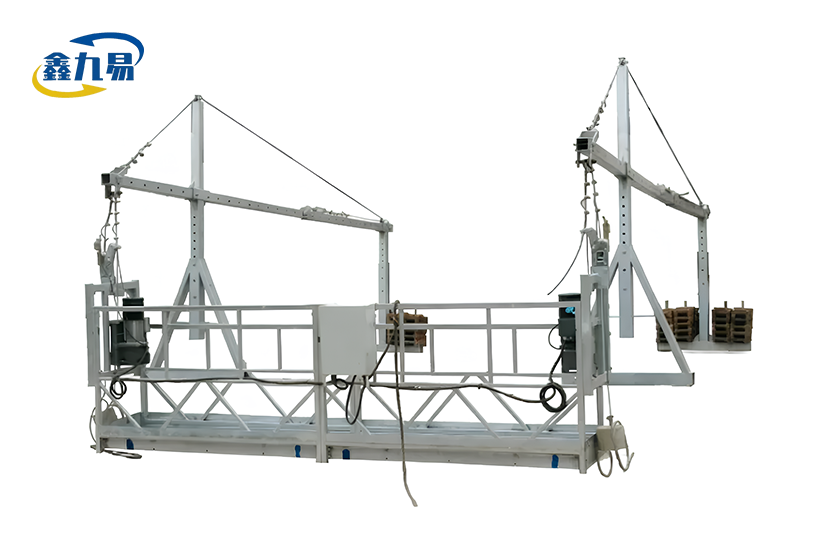
If you are in charge of curtain wall jobs or exterior work on high-rise buildings, the first thing you look at is the load capacity. The ZLP800 suspended work platform carries a rated load of 800 kg, powered by dual 1.8 kW motors, with a platform length reaching up to 7.5 meters. This standard tells procurement managers whether a platform meets the requirements and moves on to the next one right away. It's used to handle heavy glass panels, stone cladding, or tasks that need to be done by more than one person at a height.
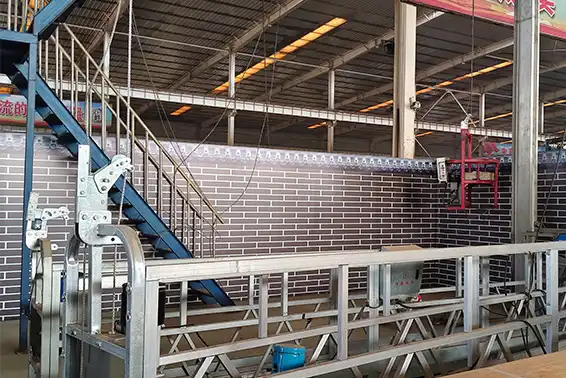
Understanding ZLP800 Suspended Work Platform Load Capacity
There's more to load capacity than just a number on a spec sheet. This is the most weight that the platform is allowed to hold while it is in use, including people, tools, and materials.
What the 800 kg Rating Actually Covers?
With an 800 kg rated load, you can be sure that the platform frame, wire ropes, hoists, and safety locks can all handle that much weight without breaking or deforming. Standard testing procedures call for static load tests to be done at 1.25 times the rated capacity. This means that the ZLP800's structure is checked at 1,000 kg before it leaves the factory. This testing margin gives field teams real peace of mind when they're lifting heavy curtain wall panels with a crew of two or three people.
Platform Dimensions and Structural Integration
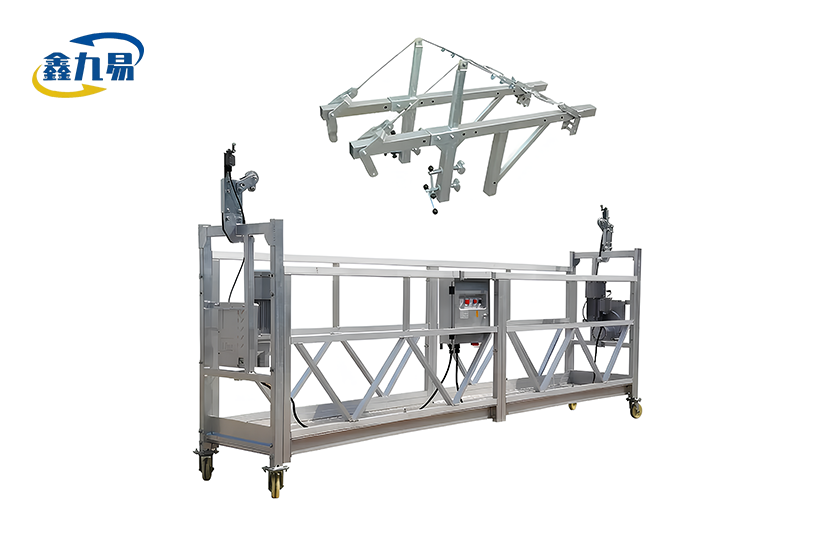
The base is 7,500 mm long, 690 mm wide, and 1,180 mm high. This longer length lets more than one worker work on a wide section of the facade at the same time, which cuts down on the number of times the platform needs to be moved during each shift. The LTD80 hoist model moves the lift at 8–10 m/min, which lets teams move quickly up and down without affecting the lift's stability when it's fully loaded.
How Height Affects Load Handling?
As the working height goes up, so does the stress on the wire rope and the suspension jib. The ZLP800 uses a 9.1 mm high-tensile wire rope instead of the standard 8.3 mm size. This is because it needs a higher breaking strength to keep the safety factor at 800 kg across greater heights. When buying replacement parts, buyers should make sure that the wire rope specifications match those of the LTD80 hoist.
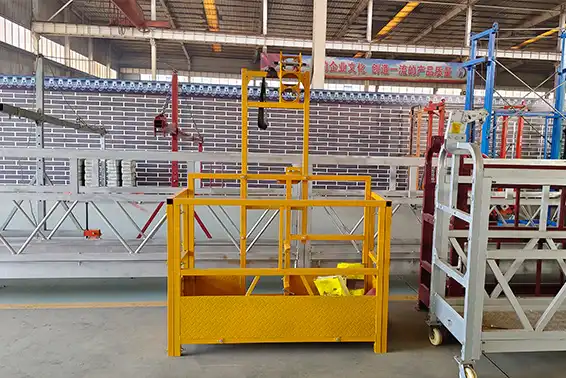
Key Safety Features Supporting Load Capacity in ZLP800
If a platform says it can hold 800 kg, it will only do so if the safety systems that back it up are also well thought out. The ZLP800 does the same thing but has a lot more safety features.
LSA30 and LSA20 Safety Locks
If the platform falls faster than a certain speed, safety locks like the LSA30 and LSA20 stop it right away. Someone should re-calibrate these locks every 6 to 12 months, as long as the rules in your area allow it. The company that made them also has to say it's okay. Before they sign off on a purchase order, procurement teams should ask for certificates that prove the lock works.
Overload Protection and Emergency Stop
The ZLP800 suspended work platform is built with this into the electrical control system so that if the load on the platform is too big, the hoist will not work. There is a button on the platform that turns off both motors at the same time in case. It can stop moving at any time. Together, these two things protect the crew and the tools from harm that the load might bring.
Compliance With International Safety Standards
In Europe, EN 1808 sets the rules for tools used for restricted access, and the ZLP800 meets those rules. This is what the CE tag said had to be done. GB/T 19155-2017, which is the Chinese national standard for the same thing, also says it works. Before they use the unit, people in the US market should make sure it has test results, factory approval certificates, and safety lock calibration records inside the box.
Comparing ZLP800 Load Capacity With Alternative Suspended Platforms
To choose the right platform, it's important to match the project's scope and load needs. This is how the ZLP800 compares to other well-known choices.
The ZLP630 can hold up to 630 kg, so it's good for light work like painting or cleaning the glass on the outside of buildings. The difference of 170 kg in estimated capacity is a tough limit for jobs where workers have to carry 80–150 kg stone panels, hand tools, and other gear. And the ZLP800 can handle all of those things at once, so you don't have to make multiple trips or do separate jobs.
Even though steel pipe scaffolding is strong, it takes weeks to set up on a 30-story building and costs more as the building gets taller. Because it is small and can be put together in modules, the ZLP800 can be set up in just a few hours. This cuts down on both project timescales and traffic on the page.
Gondola lifts are used to keep buildings in good shape. The weight they can hold is between 200 and 300 kg, and they're only meant for light cleaning and inspections. They're not a good option for jobs that need to lay down building supplies.
The ZLP800 is the best choice for heavy-load facade work when neither lighter platforms nor ground-based scaffolding can do the job.
Maintenance Tips to Preserve ZLP800 Load Capacity and Performance
A platform that is not maintained will not perform to its rated capacity in the field. Maintenance directly affects both safety and the return on your equipment investment.
Daily and Weekly Inspection Protocols
Before each shift, operators should visually inspect wire ropes for kinks, broken strands, or corrosion. The LTD80 hoist housing should be checked for oil leaks, and the safety lock should be manually triggered and released to confirm it engages correctly. Weekly, check all structural welds, platform frame connections, and suspension jib anchor points for signs of fatigue or cracking.
Electrical System Upkeep
Motor brushes, control box wiring, and limit switches should be inspected monthly. Moisture ingress into the control box is a common source of electrical failure on outdoor jobsites. Use IP-rated enclosures when the platform operates in rain or coastal environments. Aluminum platform models are recommended for coastal and chemical-exposure sites specifically because salt air accelerates steel corrosion even with galvanized treatment.
OEM Spare Parts and Service Schedule
Using OEM-certified components for the LTD80 hoist and LSA safety locks on the ZLP800 suspended work platform preserves the load rating that was established during factory testing. Non-standard replacement parts may alter the mechanical tolerances that the original certification was based on. A formal service schedule every 500 operating hours, backed by documentation, supports compliance during safety audits and annual inspections.
Procurement Considerations for Buyers Focused on Load Capacity
If you buy a suspended access platform, it will have an effect on your money for a while. You can protect both the budget and the site's safety if you do the procurement process right.
Evaluating Supplier Credentials
Before you choose a supplier, make sure they give you factory test reports, CE certificates, safety lock calibration records, and material conformity documents. These will be easy for a trustworthy maker to give you. Building projects in the US and other countries can't afford to work with suppliers who can't show paperwork from a third party load test.
Steel vs. Aluminum: Making the Right Call
Here's the choice between two elements and why it's important:
A steel platform that can hold up to 600 kg is more durable and a good deal for projects in rural areas where the weather stays stable and there aren't many chemicals or high levels of humidity. The surface process of galvanizing keeps it from rusting well enough for normal building sites.
Aluminum platform (440 kg): The 160 kg weight loss makes it easier to move from job site to job site and reduces the stress on the suspension system over time. It's an easy choice for places near the coast, jobs that need to move a lot of equipment, or repair work at chemical plants.
- Steel platform (600 kg self-weight): Higher impact resistance, cost-effective for inland projects with stable temperature ranges and limited exposure to humidity or chemical agents. Galvanized surface treatment provides adequate corrosion protection for standard construction environments.
- Aluminum platform (440 kg self-weight): The 160 kg weight reduction eases transport logistics across multiple jobsites and reduces cumulative stress on the suspension mechanism. The choice is clear for coastal locations, chemical plant maintenance, or projects requiring frequent equipment relocation.
The hoist and safety lock specs are the same, and the rated load for both materials stays at 800 kg. The choice only changes how much it costs to ship and how to deal with rust, not how well the load works.
After-Sales Support and Parts Availability
In terms of how quickly a grounded platform can be used again, the speed of service after the sale is important. Make sure the seller always has LTD80 hoist parts, wire ropes, and LSA safety locks on hand. Parts supply has a direct effect on how well rental fleet owners who buy 20 or more units per year can keep their fleet running and make money.
Conclusion
There is truth to the claim that the ZLP800 suspended work platform can take up to 800 kg. It can be used to build curtain walls, heavy exterior cladding, bridge upkeep, and high-rise facade work. It has been tried in the workshop and is certified, to make sure it works well. People who buy this equipment and know how to properly install the safety lock, choose the right materials, and keep it in good shape will be able to use it for a long time. It's not enough to just look at the price when making decisions about procurement. You should also pay attention to documentation, supplier transparency, and making sure that specifications are properly matched.
FAQ
What is the maximum load the ZLP800 can carry?
The ZLP800 carries a rated load of 800 kg. This covers the combined weight of workers, materials, and tools on the platform during operation. Factory static load testing is conducted at 1,000 kg (1.25× rated capacity) to verify structural integrity before shipping.
How often should safety locks be inspected and recalibrated?
Safety locks should be checked daily before each shift. Professional factory recalibration is required every 6 to 12 months, depending on usage frequency and local regulations. Calibration records should be kept on file for compliance audits.
Can the load rating be increased by modifying the platform?
No. The 800 kg rating reflects the certified capacity of the hoist, wire rope, safety lock, and structural frame as a system. Modifying any component without re-testing and re-certifying the entire assembly voids the certification and creates unacceptable safety risk.
What wind conditions require the platform to stop operation?
Operation must stop and the platform must be secured or lowered when wind speed exceeds 10.8 m/s (Beaufort Scale Level 6).
Which material option suits coastal or chemical environments?
The aluminum platform model is the correct choice for coastal and chemical-exposure environments due to its superior corrosion resistance and lighter transport weight.
Get a Direct Quote From Xinjiuyi — ZLP800 Suspended Work Platform Supplier
Xinjiuyi in Cangzhou, Hebei, makes the ZLP800 suspended work platform. Among other things, it comes with CE certificates, factory test reports, and safety lock calibration records when it is sent anywhere in the world. We have the ability to make enough for both small orders and purchases for whole fleets. Rental companies and foreign wholesalers can get OEM customization for equipment that they brand. To get proper quotes for your job, ask for specs, or talk about the materials you want, please get in touch with our team. You can email us at xjy8.com or global@xjy8.com.
References
1. European Committee for Standardization. EN 1808: Safety Requirements for Suspended Access Equipment. CEN, 2015.
2. Standards Administration of China. GB/T 19155-2017: Suspended Access Equipment — General Requirements. SAC, 2017.
3. International Labour Organization. Safety and Health in Construction. ILO, 2020.
4. Occupational Safety and Health Administration. OSHA 29 CFR 1926 Subpart R: Steel Erection and Aerial Work Platforms. U.S. Department of Labor, 2021.
5. British Standards Institution. BS EN 1808:2015 Suspended Access Equipment — Design Calculations, Stability Criteria, Construction. BSI, 2015.
6. National Institute for Occupational Safety and Health. Preventing Falls from Heights in Construction. NIOSH Publication No. 2021-110, CDC, 2021.