Tower Crane Anti-climbing Device Guide: Installation, Features, and Safety Benefits
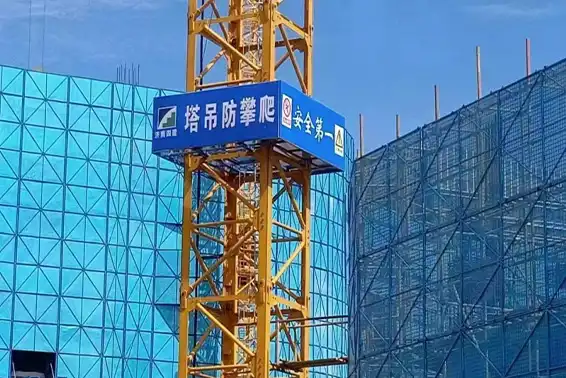
A tower crane anti-climbing device is a physical security barrier installed around the lower mast sections of a tower crane to block unauthorized personnel, vandals, and animals from accessing the structure. At Xinjiuyi, we manufacture these devices to meet national construction safety standards. Each unit is built from galvanized rectangular steel tubes and plates, finished with hot-dip galvanizing or powder coating for long-term outdoor durability. This guide covers everything procurement managers and safety officers need to know — from how these barriers work to how to order them efficiently.
Understanding Tower Crane Anti-Climbing Devices
What These Devices Actually Do?
The base of a tower crane mast has a barrier that keeps people from getting to it. This tower crane anti-climbing device usually goes from ground level to the operating platform. It physically stops people who don't have the right tools from climbing the ladder rungs. In addition to keeping out trespassers, it also keeps animals away and lowers the risk of damage on sites that are left alone overnight or during project breaks.
Types and Working Principles
A modular panel design is used for most professional-grade fences. Panels made of stainless steel tubes or anti-climb mesh can be attached to the mast frame without joining. Some installations have vibration sensors or magnetic contact switches that connect to alarm systems on the site. This adds an electronic layer on top of the physical barrier. The Xinjiuyi design uses fasteners that can't be changed. These fasteners can't be opened with normal hand tools or by prying.
Applicable Safety Standards
In the US, OSHA 29 CFR 1926 Subpart CC controls the safety of tower cranes on construction sites and stops people from getting in without permission. Internationally, EN 14439 and ISO 4302 talk about how to figure out wind loads and make sure that crane-mounted devices are safe. Products approved by ISO 9001 quality management systems, like those from Xinjiuyi, show that the quality of the production process is uniform, which is important for procurement teams when they send supplier approval packages to project owners or general contractors.
Installation Guide for Tower Crane Anti-Climbing Devices
Pre-Installation Planning
Before you start installing the tower crane anti-climbing device, make sure you know the exact measurements of your crane's mast part. Different brands use different mast cross-sections. For example, Zoomlion, XCMG, Potain, and Liebherr all use different cuts. Find out how wide the outside frame is, how far apart the ladder rungs are, and how high the area you need to protect is. Before you place an order, tell your seller these details so that there are no size errors that slow down site setup.
Step-by-Step Installation Process
Using common hand tools, two people can usually finish a standard installation in less than an hour. This is how it works:
- Step 1 – Position the base frame: Place the base frame. Line up the bottom panel with the mast leg so that it is level with the ground. Make sure there is no space between the panel edge and the steel structure to keep the pry bar from going in.
- Step 2 – Attach using bolt-on clamps: Use the tamper-proof bolts that came with the kit to keep each panel in place. Since there is no need to weld, the original structure of the crane is kept safe, and the manufacturer's warranty is still valid.
- Step 3 – Stack additional panels: Add more panels on top of each other: To make safety zones that are higher, connect modular panels vertically until you get to the height you want. Each panel in Xinjiuyi is 500 mm tall, and each unit is either 3000 mm or 4000 mm long.
- Step 4 – Attach reflective strips and signage: Attach the reflective strips and signs. Place high-visibility reflective warning strips along the sides that will be seen. Put up "No Climbing" signs at eye level on all sides that can be reached.
Once they are up, these barriers don't get in the way of normal crane work and become part of the site's current safety profile.
Post-Installation Checks and Documentation
Once everything is put together, check visually to make sure there are no gaps bigger than 10 mm between the panels and the mast frame. Take a picture of the finished work for your safety file. For a formal safety acceptance review, Xinjiuyi can back up your submission package with product certificates, material test reports, and dimensional drawings.
Features and Benefits of Tower Crane Anti-Climbing Devices
Core Mechanical Design Strengths
The Xinjiuyi tower crane anti-climbing device is made of rectangular zinc tubes of Q235 grade and steel plates that hold them together. During production, each panel is checked for accuracy in its measurements to make sure it fits correctly on standard mast sections. The hot-dip galvanizing process makes a zinc coating that doesn't rust even after years of being in rain, UV light, and changing temperatures.
Here are the main technical benefits of these barriers that make them a good choice for big fleets:
- Material strength: The high-strength galvanized steel construction doesn't bend or deform when normal site conditions are met. It can withstand impact and attempts to break in.
- Corrosion resistance: Hot-dip galvanizing meets C4-level corrosion resistance, which means that the product will last longer than standard powder-coated options in wet or coastal areas.
- Modular adaptability: Panel sizes that can be changed can fit mast sections with widths between 1.2 m and 2.4 m from different crane brands, so there's no need for separate SKUs for each model.
- No-weld installation: The bolt-on method protects the structural guarantee of the crane and lets the barrier be taken apart and used again when the crane moves to a new location.
These benefits directly fix the most common issues that rental fleet owners and project safety teams have, which are getting the wrong size, taking too long to install, and rust damage that happens too soon. When you're in charge of 50 or more cranes on different job sites, a product that is easy to install and lasts a long time will save you a lot of money.
Safety and Liability Benefits
Unauthorized climbers have been drawn to unprotected tower cranes, especially because of social media trends about exploring cities from high up. The European Agency for Safety and Health at Work found in 2019 that falls from heights were the main reason people died on construction sites. By taking away the chance to do so, physical barriers lower that exposure. They also show inspectors that you did your part, which lowers your responsibility if something happens nearby.
How to Choose the Best Tower Crane Anti-Climbing Device in 2025?
Key Procurement Criteria
When looking at a tower crane anti-climbing device to buy in bulk, these things should come first:
- Dimensional compatibility: Make sure the provider can make panels that are the right size for your mast part. Xinjiuyi can make lengths and heights that aren't the standard 3000 mm/4000 mm.
- Surface treatment standard: Hot-dip galvanizing lasts longer than powder coating when used outside. Ask each provider you're considering for their salt spray test data (at least 500 hours according to ASTM B117).
- Certification documentation: Before you approve a new supplier, make sure you get their ISO 9001 certificates, material test reports, and records of their dimensional inspections.
- Speed of delivery and ability to restock: To people who run rental fleets, getting new items quickly after damage or loss is just as important as the wait time for the first order.
OEM and Bulk Purchasing Options
Xinjiuyi allows OEM partnerships, which means that panels can have your company's logo or marks that are specific to the project. Tiered pricing structures are good for large orders. Direct factory sourcing from Cangzhou, Hebei cuts out middlemen and shortens wait times for procurement teams that handle yearly amounts above a certain level.
Procurement and Ordering Process for B2B Clients
Identifying a Reliable Supplier
Ask for factory certifications as a first step in evaluating a supplier for your tower crane anti-climbing device. Xinjiuyi has certifications for ISO 9001, ISO 45001, and ISO 14001, which cover quality management, occupational health, and environmental standards, respectively. These documents are usually needed to get on the approved supplier lists for most general contractors.
Placing Wholesale Orders
For the first order, send your list of crane models and the measurements of the mast section. Before production starts, Xinjiuyi's engineering team makes detailed models for you to approve. This step of approval stops mistakes with the sizes. If the first batch works well on your fleet, placing future orders will be easier because the process will be streamlined based on the approved specs.
Cost Estimation and ROI
One act of trespassing can lead to insurance claims, project delays, and investigations by the government. Putting up a good mast access block on each crane won't cost much compared to the risks. This type of product should be budgeted for by procurement teams as a regular operational safety expense, along with other standard safety accessories.
Conclusion
A properly placed tower crane anti-climbing device keeps workers safe, limits responsibility, and pleases safety inspectors—all without getting in the way of the crane's operation. When products are made with the right materials and in the right sizes for each crane model, they last for years with little upkeep. Investing in good access barriers pays off quickly because they keep accidents from happening and make regulatory reviews go more smoothly, no matter if you are in charge of a rental fleet of 50 cranes or a single big construction project. Xinjiuyi makes these barriers to very specific requirements and can customize the sizes to fit all major crane brands. They ship from Cangzhou, Hebei, and can quickly fill new orders and restock old ones.
FAQ
Does installation require welding on the crane mast?
No, the bolt-on clamp method doesn't need to be welded. This protects the crane's original structure and keeps the warranty from the manufacturer valid. It takes two people less than an hour to do a normal installation.
Can these barriers fit older crane models?
Yes. Standard mast cross-sections range from 1.2 m to 2.4 m, and the modular panel design can fit them all. For older or non-standard models, Xinjiuyi's engineering team can make panels that are exactly the right size for you by measuring you.
What certifications should I request from a supplier?
Ask for ISO 9001 quality management certificates, test reports on materials, records of measurement inspections, and test results for salt spray damage. Projects that OSHA will review should also make sure that the product meets the standards of 29 CFR 1926 Subpart CC for entry control.
How often should the barriers be inspected?
Check the barrier panels before each new crane launch and after any known damage or attempts to tamper with them. Making sure there are no holes bigger than 10 mm, all the fasteners are still in place, and the bright strips can still be seen.
Can panels be reused when a crane moves to a new site?
Yes. Because it's bolt-on, it's easy to take apart and put back together. The cost of each deployment is lower for rental fleet owners because the panels can be moved to a new spot with the crane.
Get a Custom Quote from Xinjiuyi — Your Trusted Tower Crane Anti-Climbing Device Manufacturer
Xinjiuyi makes certified, long-lasting tower crane anti-climbing devices to your exact specs and sends them to building sites all over the world. One person on our team is in charge of custom sizes, OEM marking, and coordinating large orders. Send a list of the crane models you want and the mast size to global@xjy8.com to get a quote. We answer quickly and give you physical models before production starts.
References
1. European Agency for Safety and Health at Work. Preventing Falls from Height in the Construction Sector. EU-OSHA, 2019.
2. Occupational Safety and Health Administration. Safety and Health Regulations for Construction: Cranes and Derricks in Construction (29 CFR 1926 Subpart CC). U.S. Department of Labor, 2010.
3. International Organization for Standardization. ISO 4302: Cranes — Wind Load Assessment. ISO, 2016.
4. European Committee for Standardization. EN 14439: Cranes — Safety — Tower Cranes. CEN, 2010.
5. American Society for Testing and Materials. ASTM B117: Standard Practice for Operating Salt Spray (Fog) Apparatus. ASTM International, 2019.
6. Construction Industry Institute. Safety Performance Report: Physical Access Control on High-Rise Construction Sites. CII, 2020.