Steel Mortar Bin vs. Plastic Mortar Tub: Which Features Matter?
Whether you should use a steel mortar bin or a plastic mortar tub relies on the size and weight of your project. Steel bins, which are made of wear-resistant structural steel and have lifting points that are fully welded, can safely handle tower crane operations, moving large amounts of concrete, and continuous industrial loading. Plastic tubs are good for small-scale or decorative projects where portability is more important than strength. When making a serious business-to-business purchase choice about a steel bin for handling a lot of mortar, the material, weld quality, and ability to be lifted are the most important factors.
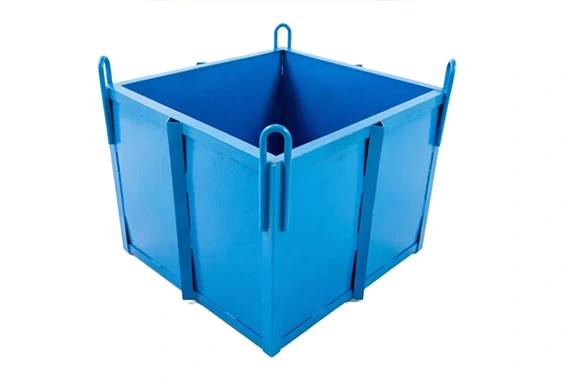
Understanding Steel Mortar Bins and Plastic Mortar Tubs
What Is a Steel Mortar Bin?
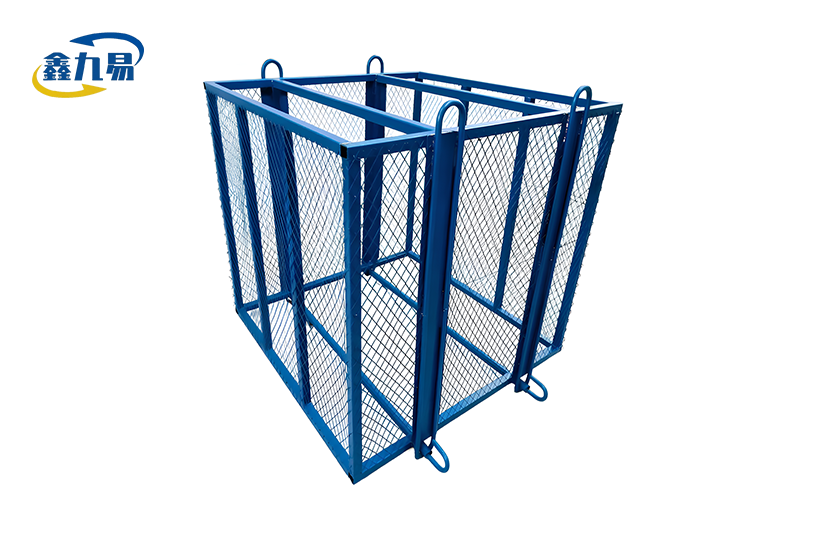
A steel mortar bin is a strong box made of structural steel, most often grade Q235 or Q355. It's used to store a lot of things and move mortar and concrete around on busy construction sites. There are full-penetration welds, stronger gusset plates at lifting points, and the best release position on each unit to keep things from going through. They can hold anywhere from 0.5 m³ to 2.0 m³ and come in different sizes to fit different ground plans.
What Is a Plastic Mortar Tub?
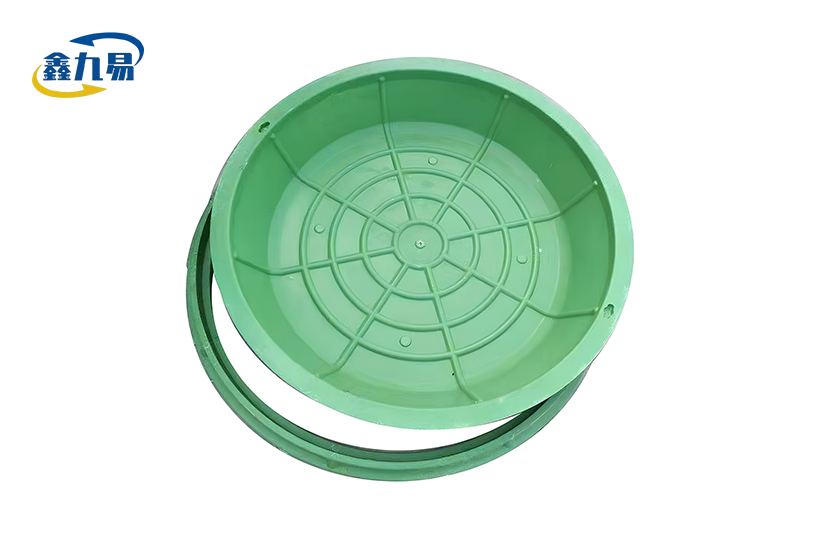
Plastic mortar tubs are easy to move around and don't weigh much. They are often used to mix mortar or grout by hand on small or home building sites. It can hold between 60 and 200 litres of water. These tubs are made of HDPE or plastic. They're cheap, don't rust, and are simple to move, but they won't last if they are constantly used in factories, lifted by cranes, or filled with heavy equipment. They'll break or change shape.
How Material Properties Affect Performance?
When put under mechanical stress, steel is much more likely to break apart than plastic. 355 MPa is the minimum yield strength of Q355 steel. This is a lot more than the minimum yield strength of a normal plastic tub. Building a city bridge or a water conservation project puts a lot of weight on a structure all the time. How safe the site is depends on how stable the structure is. PVC tubs bend and wear out after being moved and unloaded many times. But if you weld a steel bin correctly, it will keep its form and seal for years of daily use.
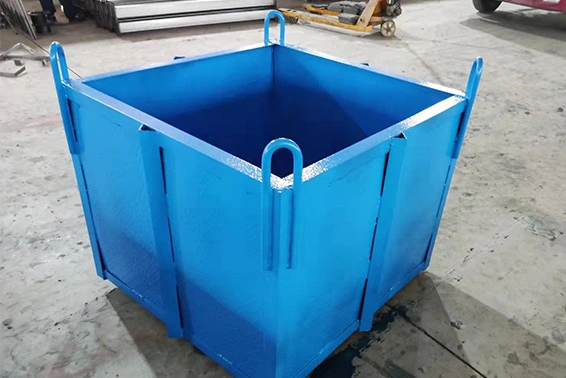
Key Feature Comparison Between Steel Mortar Bins and Plastic Mortar Tubs
Durability and Structural Resistance
Stronger steel plates are bent and fused together to make steel mortar bins that won't fall apart. It's hard to bend or break the main body, even when heavy things are always put on it. When chemicals touch plastic tubs, they don't rust, but they do break when they are hit hard or left out in the sun or cold for a long time. Steel always works better than plastic outside of factories. With proper surface care, it can last up to 10 to 15 years.
Capacity, Lifting Compatibility, and Safety
There are a few major differences between buying and another process that need to be thought about:
- Capacity range: Steel bins from Xinjiuyi cover 0.5 m³ to 2.0 m³ with standard lengths from 800 mm to 1500 mm, while plastic tubs rarely exceed 200 liters and offer no graded sizing for project-scale planning.
- Lifting point design: Steel bins feature four-corner lifting rings (18 mm diameter, customizable to 16–22 mm) that interface directly with tower crane hooks and forklift channels — a compatibility requirement no plastic tub can meet.
- Load-bearing certification: Weld integrity on steel bins undergoes visual inspection and selective ultrasonic testing at load-bearing seams, ensuring zero porosity before dispatch. Plastic tubs carry no equivalent structural certification.
- Leak prevention: Steel bins include anti-leak bottom seals and reinforced side walls, preventing mortar spillage that creates both waste and safety hazards on active sites.
Cost and Long-Term Value
Certification for Supporting Weight: Before they are sent out, the weld quality of steel bins is checked visually, and ultrasound is used to make sure there are no holes at load-bearing seams. Plastic tubs don't have the same certification for their strength.
Procurement Considerations for B2B Clients
Supplier Qualification and Documentation
When you buy a lot of mortar containment equipment, price isn't the only thing that matters. The certification of the materials is also very important. Firms that make steel mortar bins that you can trust should be able to show you mill certificates that say the steel is Q235 or Q355, as well as records of weld checks and readings of the covering thickness. These papers should be normal for buyers when they sign contracts with sellers, not just if they want them. Things often go wrong in the field because of a lack of documentation. This is especially true when thin-wall Q235 steel is sold as Q355 on the secondary market.
Bulk Order Logistics and Delivery Windows
Deliveries that can be counted on are just as important to regional distributors who deal with tower crane accessories as the quality of the products they sell. Lead times for steel mortar bins typically range from 7 to 25 days, but this relies on the size and specifics of the order. Stable packaging, especially bracing that doesn't bend while the container is being moved, protects the shape of the bin and the line of the lifting rings. It saves money on inspections and shipping costs for returns if you check the packaging standards before you place your first order.
Aligning Specifications to Project Demand
A 2.0 m³ unit isn't needed everyplace. Municipal road projects, factory floors, and small decorating sites all need different amounts of space and ways to move things around. Buyers shouldn't use the same-sized bin for all jobs. Instead, they should connect the bin's capacity directly to how much material is used each day and how much the crane is going to lift. This will help them decide what to buy better.
Application-Based Recommendations: Which to Choose and When?
Choose a Steel Mortar Bin For These Scenarios
Steel mortar bins are the best option for any site that needs to use a crane to lift things, regularly add a lot of material, or move things between shifts. Sites for building cities and bridges, projects to save water and move dirt, and factory floors are all in this group. On all four corners of the lifting ring, standard tower crane hooks can be used. The structure stays together even after many lift-and-release cycles because the gusset plates are stronger. The standard graded capacity options make it easier for OEM buyers or regional distributors to plan their stock for a lot of different client sites further down the line.
When Plastic Mortar Tubs Are Appropriate
Molded plastic tubs can still be used for quick fixes around the house, light touch-ups on stonework, or one-day artistic painting jobs where the worker has to carry the tub by hand. No machines are used to lift anything, and the job only lasts a short time. It makes more sense to use plastic in these situations. There are some savings to be made by switching to plastic on an industrial site, but the risk to the structure and safety is greater than the savings.
Maintenance and Lifecycle Considerations
The paint on steel bins needs to be checked and touched up every so often. This is especially important at weld seams and discharge points that get wet. Maintenance done once a year makes the service last a lot longer. Paint on plastic tubs doesn't need to be kept up, but they do get stress cracks that aren't always easy to spot before they break. It's easier for buyers who are in charge of managing equipment at more than one location to keep track of a steel bin's repair schedule than a plastic container's unpredictable replacement schedule.
Conclusion
Should you choose a steel mortar bin or a plastic mortar tub? There is no right or wrong answer. You need to use the right tool for the job. Plastic tubs are good for small, short-term jobs. Steel bins are the only realistic way to move large amounts of mortar, lift heavy things with a crane, and keep building work going. People who buy in bulk, distribute goods, and work on projects always make better choices when they look at things like material certification, weld quality, and lifting compatibility as well as the initial cost.
FAQ
How do I select the right capacity for my site?
Match the bin capacity to your daily mortar or concrete volume. Xinjiuyi offers 0.5, 1.0, 1.5, and 2.0 m³ grades. A site consuming two cubic meters of mortar per shift typically operates efficiently with two 1.0 m³ units running in rotation with the tower crane schedule.
Is a steel mortar bin more cost-effective than plastic over time?
Yes, across commercial and industrial project timelines. A properly maintained steel bin delivers 10 to 15 years of service life. Plastic tubs at equivalent use frequency require replacement every one to three years. The total cost of ownership favors steel for any buyer placing repeat orders.
What safety protocols apply to crane-lifted mortar bins?
Always verify that the lifting ring diameter matches your crane hook specification before the first lift. Inspect weld seams visually before each use. Never lift a damaged or deformed bin. Xinjiuyi bins undergo load testing before dispatch to confirm structural capacity under simulated operational stress.
Can steel mortar bins handle wet or outdoor environments?
Yes. Each bin receives surface treatment designed for industrial corrosion protection, maintaining integrity in moisture-laden and chemically active atmospheres. Water conservancy and earthwork projects represent standard application environments for these units.
Request a Quote from Xinjiuyi — Your Trusted Steel Mortar Bin Manufacturer
Steel mortar bins made in Xinjiuyi are made to meet the needs of real businesses. They are made to work with tower crane systems because they have graded sizes, approved welds, and lifting points. As soon as you contact us, our team gives you specs, documentation, and help with production, whether you need a normal bulk order or sizes that are made just right for your site. Send us an email at global@xjy8.com or visit xjy8.com right away to find out more about the product and get a bulk price.
References
1. American Concrete Institute. ACI 304R: Guide for Measuring, Mixing, Transporting, and Placing Concrete. ACI, 2000.
2. Construction Industry Institute. Best Practices for Material Handling on Commercial Construction Sites. CII, 2018.
3. American Society of Mechanical Engineers. ASME BTH-1: Design of Below-the-Hook Lifting Devices. ASME, 2022.
4. National Institute for Occupational Safety and Health. Ergonomic Guidelines for Manual Material Handling. NIOSH, 2007.
5. American Welding Society. AWS D1.1/D1.1M: Structural Welding Code — Steel. AWS, 2020.
6. ASTM International. ASTM A36/A36M: Standard Specification for Carbon Structural Steel. ASTM, 2019.